How Tree Roots Can Clog Your Drains and What to Do About It
Tree roots may seem harmless as they grow in your yard, but beneath the surface, they can wreak havoc on your plumbing system, particularly your drains and sewer lines. This hidden issue is more common than many realize, and it can lead to significant damage and costly repairs if left untreated. In this article, we'll explore how tree roots can clog your drains, the signs that roots may be invading your pipes, and what you can do to prevent and fix this problem.
How Do Tree Roots Invade Drains?
Trees naturally seek out sources of water and nutrients to sustain themselves. Sewer and drain pipes, which transport water and organic waste, become an attractive target for growing roots. Here’s how it happens:
Cracks in Pipes: Even the smallest crack or joint in a pipe can allow tree roots to enter. As trees search for water, their roots will naturally grow toward the moisture escaping from compromised pipes.
Expansion and Infiltration: Once roots find their way into a pipe, they begin to expand and spread throughout the system, feeding on the water and organic matter inside. Over time, the roots can completely block the flow of water.
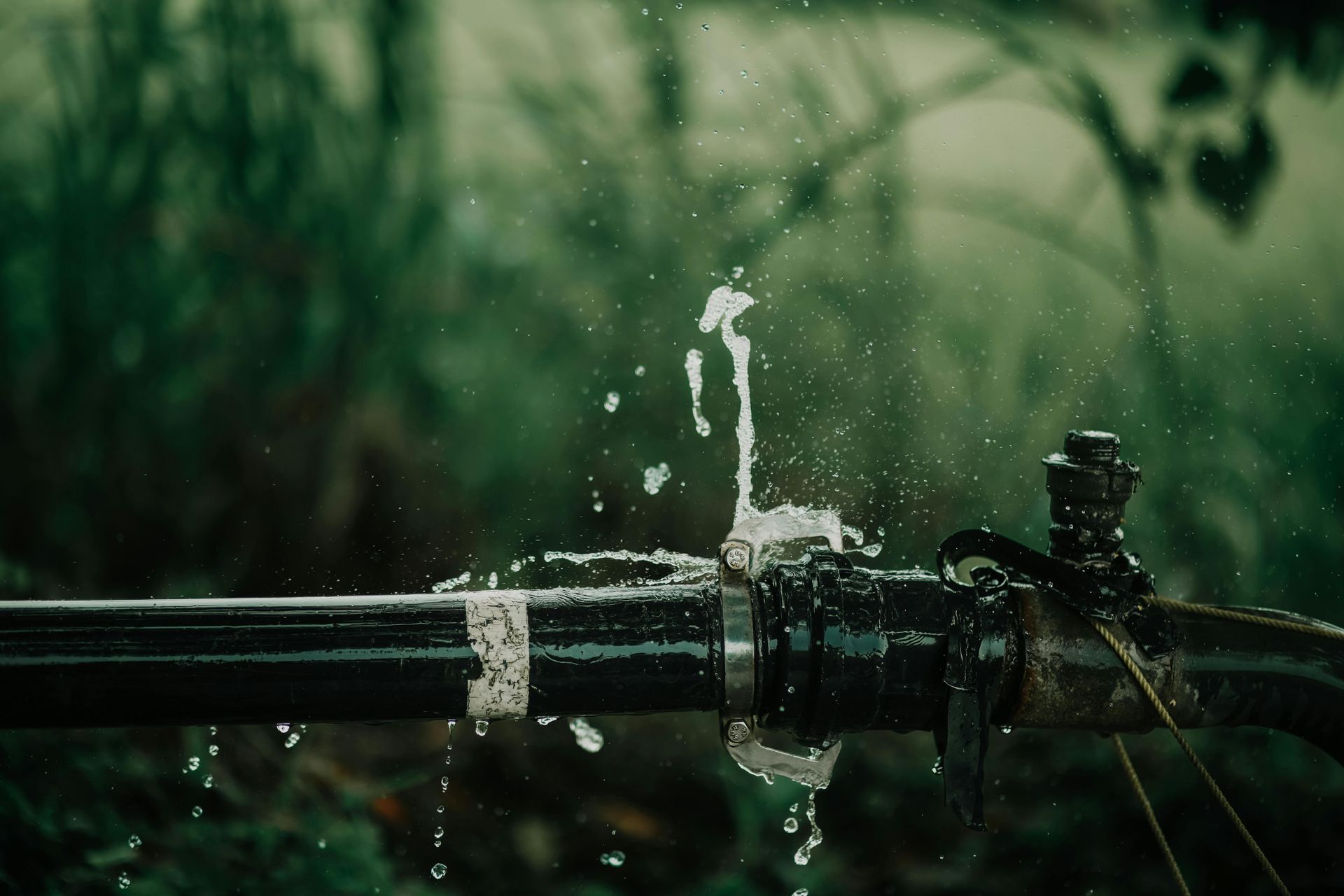
Pressure on Pipes: In some cases, roots may wrap around the outside of pipes, applying pressure that can cause cracks or even collapse the pipe.
Signs of Tree Root Drain Clogs
Identifying a tree root problem early is crucial to avoid major plumbing disasters. Here are some common signs that tree roots might be clogging your drains:
Slow Draining Water: One of the first signs of a clog is slow drainage. If multiple drains in your home are draining slowly, it’s possible the blockage is deeper in the main sewer line.
Gurgling Noises: If you hear strange gurgling noises from your drains or toilet when using water, it could indicate a partial blockage caused by roots.
Backups and Overflows: Tree roots can cause severe blockages that result in sewage backups into your home. This is a clear sign of a serious issue.
Foul Odors: If you detect foul smells coming from your drains, this could indicate trapped debris and waste due to a root blockage.
Soggy Patches in the Yard: Sometimes, tree roots cause leaks in underground pipes that result in unusually soggy or wet patches in your yard, even when it hasn’t rained.
How to Prevent Tree Roots from Clogging Drains
Prevention is always better than repair when it comes to tree root damage. Here are some preventive measures to consider:
1. Choose the Right Trees for Your Yard
Certain types of trees are more aggressive with their root growth, such as willows, poplars, and elms. When planting trees near sewer lines, opt for species with less invasive root systems, like cherry, magnolia, or dogwood trees. Always check with a landscaper or arborist before planting trees close to your home’s sewer lines.
2. Install Root Barriers
If you’re planning on landscaping near sewer lines, installing root barriers can prevent tree roots from encroaching on your pipes. These barriers are typically made of metal or plastic and are placed between the tree and the sewer line to redirect root growth.
3. Regular Sewer Inspections
Scheduling regular inspections of your sewer lines with a professional plumber can help detect early signs of root intrusion. Modern plumbing technology allows plumbers to use camera inspections to visually check the condition of your pipes.
4. Use Chemical Root Killers
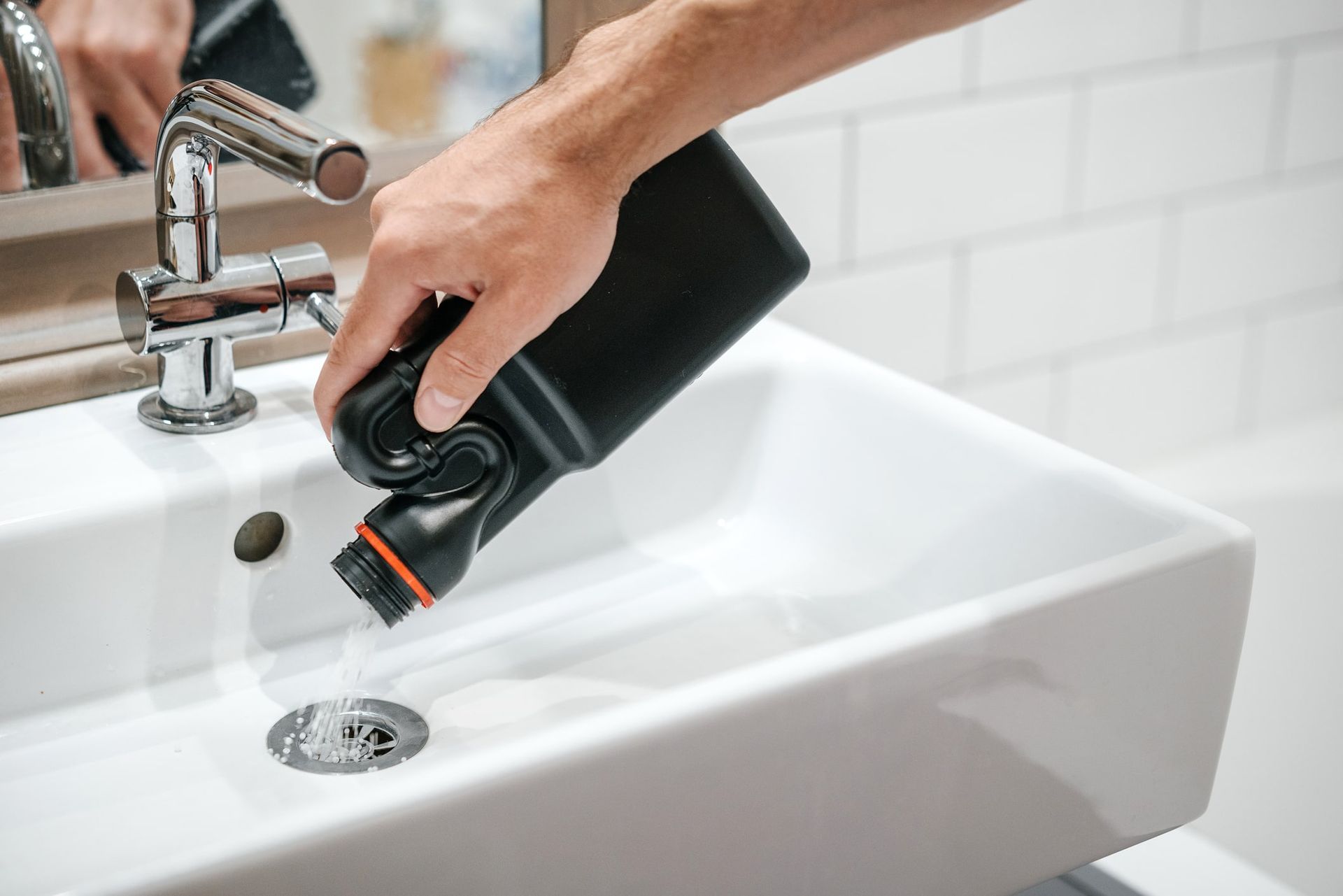
Chemical root killers are an effective way to prevent roots from growing into your pipes. These products can be flushed down your toilet or poured into drains, where they’ll kill any small roots that may be growing into your pipes without damaging the tree.
What to Do if Tree Roots Are Already Clogging Your Drains
If you suspect that tree roots have already clogged your drains, it’s essential to act quickly to prevent further damage. Here are the most effective ways to handle root-related drain blockages:
1. Hydro Jetting
Hydro jetting is one of the most effective methods for clearing tree roots from your pipes. A plumber uses a specialized tool to blast high-pressure water into the sewer line, breaking apart roots and flushing the debris away. Hydro jetting can be done without causing damage to the pipe, but it should be performed by a professional.
2. Mechanical Augers (Rooter Service)
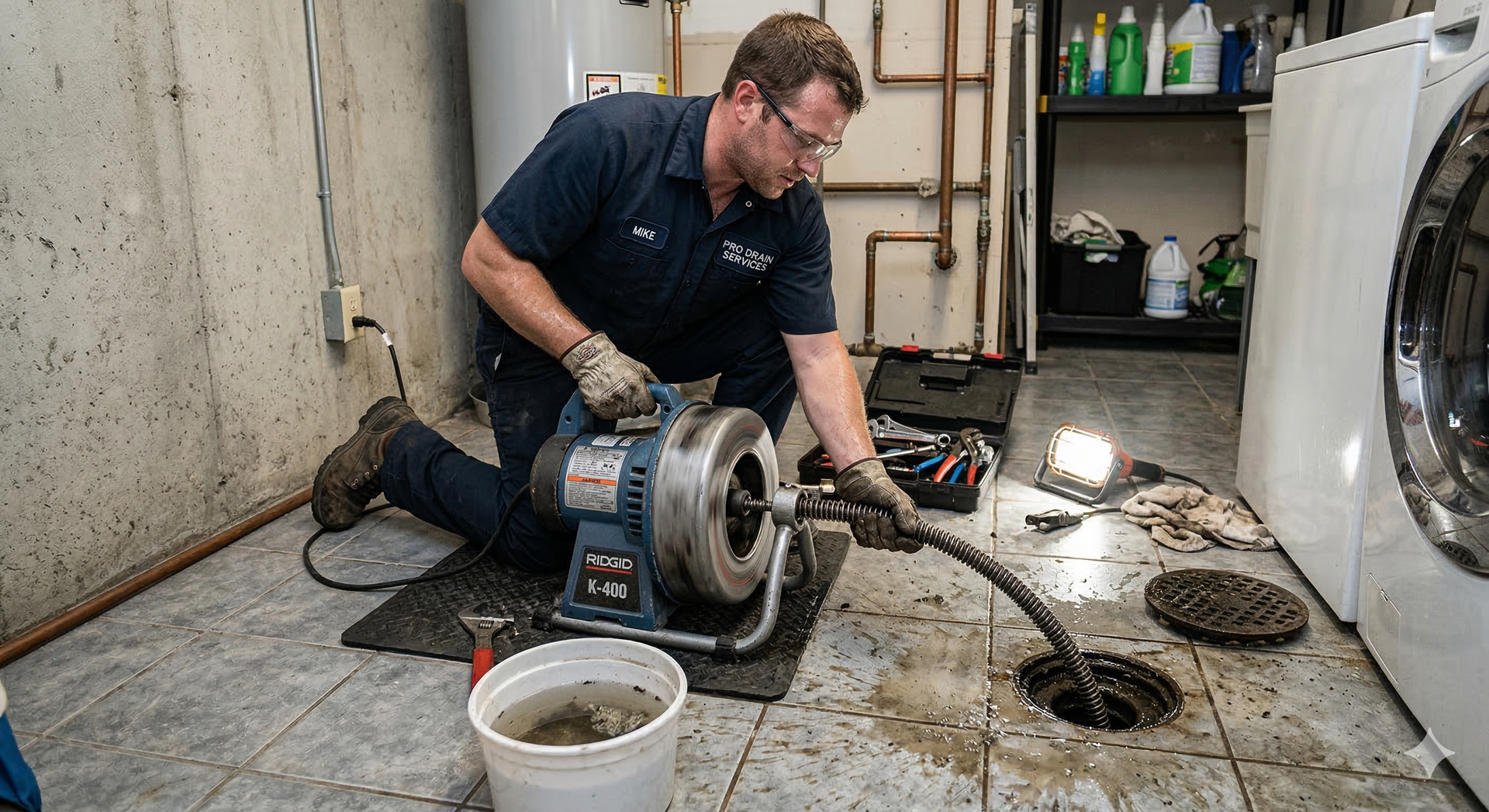
A mechanical auger, also known as a plumbing snake or rooter, is another tool plumbers use to remove tree roots. The rotating blades of the auger cut through roots, breaking them up and clearing the blockage. This method is effective but may not prevent roots from growing back if the pipe is not repaired or replaced afterward.
3. Pipe Lining and Pipe Bursting
In cases where tree roots have caused severe damage to your pipes, you may need to consider pipe lining or pipe bursting. Pipe lining involves inserting a resin-coated tube into the damaged pipe, which hardens and forms a new pipe inside the old one. Pipe bursting involves breaking apart the old pipe and replacing it with a new one. Both methods are trenchless, meaning they don’t require digging up your yard.
4. Chemical Root Treatments
If you’ve already removed tree roots from your pipes, you can use chemical treatments to prevent regrowth. Copper sulfate and foaming root killers can be applied to kill any remaining root fragments and discourage new growth. Be sure to follow professional advice to avoid damaging your pipes or causing harm to the surrounding environment.
When to Call a Professional
While DIY solutions like chemical root killers or a drain snake can help with minor root problems, major blockages caused by tree roots often require professional intervention. You should call a plumber if:
Multiple drains are clogged in your home.
You notice foul odors or gurgling noises coming from your drains.
Your yard has unusual wet patches or sinkholes.
Sewage backs up into your home.
A professional plumber can perform a camera inspection to assess the damage, clear the roots, and recommend long-term solutions for repairing or replacing the damaged pipes.
Long-Term Solutions
If tree roots are a persistent issue in your home, you may need to consider more permanent solutions, such as rerouting your sewer line away from the trees or replacing older pipes with materials less susceptible to root intrusion, such as PVC or ABS.
Final Thoughts
Tree roots clogging drains is a serious issue that can lead to extensive damage if not addressed. By being proactive and taking preventive measures like regular inspections, root barriers, and using chemical root killers, you can protect your pipes from root intrusion. If you suspect that roots have already entered your sewer line, don’t hesitate to call a professional plumber for assistance. Solutions like hydro jetting, rooter service, and pipe lining can restore your plumbing system and keep it functioning smoothly for years to come.
Your plumbing system is vital to the health and safety of your home—don’t let tree roots stand in the way!