Signs It's Time to Replace Your Water Heater
Hey there! Is your water heater giving you trouble? Whether it's making weird noises or not keeping up with your hot water demands, it might be time to consider a replacement. In this guide, we’ll walk you through the signs that your water heater is on its last legs and needs replacing. Let’s dive in!
1. Age of the Water Heater
The age of your water heater is a crucial factor in determining whether it’s time for a replacement.
- Typical Lifespan: Most water heaters last between 8 to 12 years. If your unit is nearing or surpassing this age range, it’s a good idea to start considering a replacement.
- Check the Manufacturer’s Label: Look for the manufacturing date on the label. If it’s older than 10 years, it’s time to think about a new unit.
2. Inconsistent Water Temperature
Experiencing fluctuations in water temperature can be a sign that your water heater is struggling.
- Hot Water Shortages: If you’re frequently running out of hot water, it may indicate that your heater can no longer keep up with your household’s needs.
- Temperature Fluctuations: If your water temperature changes unexpectedly from hot to cold, it could be a sign of internal component issues.
3. Unusual Noises
Strange noises coming from your water heater are a red flag.
- Popping or Rumbling: Sediment buildup at the bottom of the tank can cause popping or rumbling sounds. This indicates that the tank is overheating and may need replacement.
- Hissing or Whistling: These noises can signal that the heating element or other components are failing.
4. Leaks and Moisture
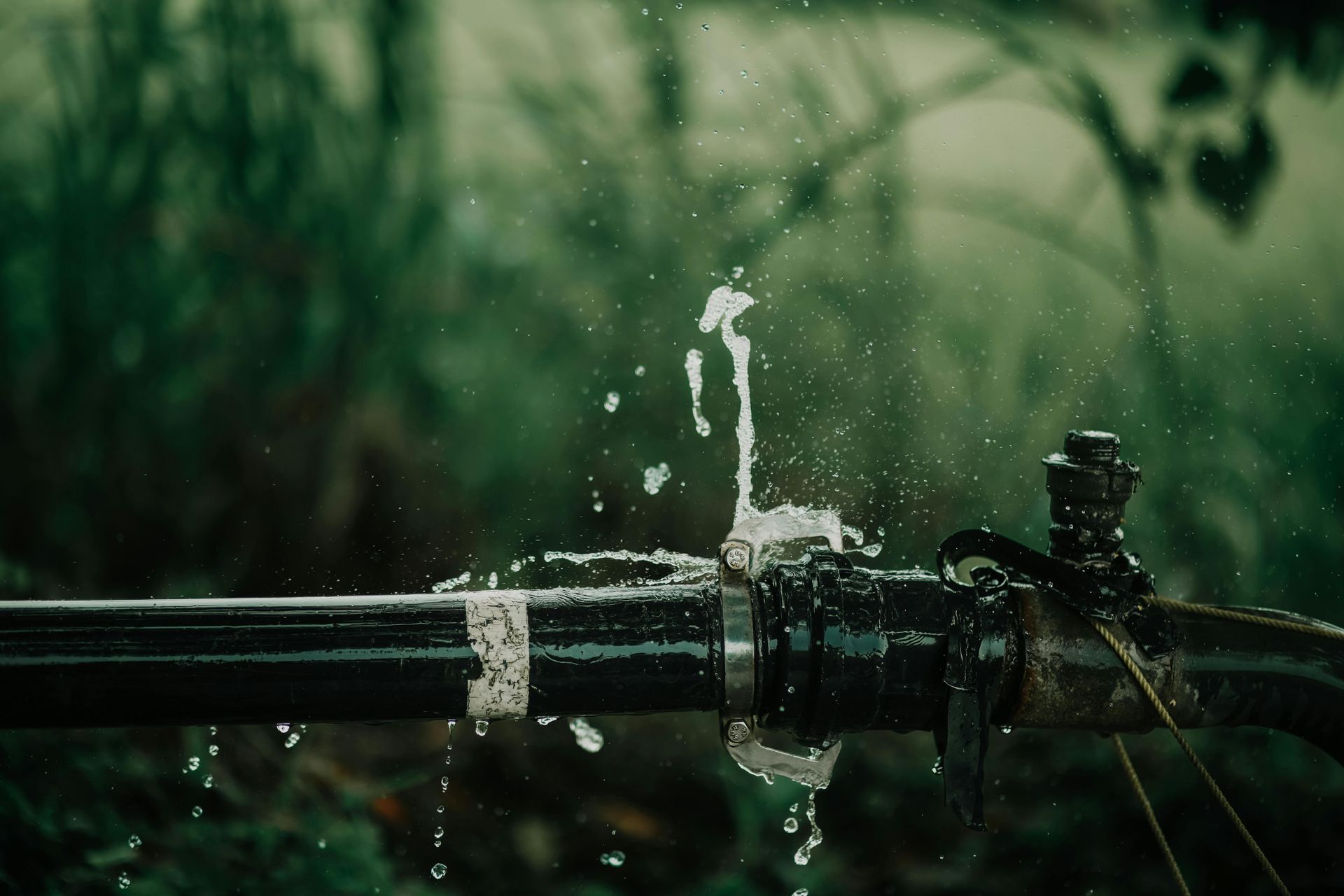
Leaks around your water heater are a clear indication that something is wrong.
- Visible Leaks: Water pooling around the base of the tank or from the top can mean that the tank is corroding and needs to be replaced.
- Rust or Corrosion: Check for signs of rust on the tank or connections. Corrosion can lead to leaks and is a strong indicator that it’s time for a new water heater.
5. Discolored Water
If you notice discolored or rusty water coming from your faucets, it could be due to a problem with your water heater.
- Brown or Red Water: This often indicates rust inside the tank. If flushing the tank doesn’t fix the issue, it might be time for a replacement.
- Cloudy or Milky Water: This could be a sign of sediment buildup and may also indicate that your heater is nearing the end of its lifespan.
6. Higher Energy Bills
An increase in your energy bills can sometimes point to an inefficient water heater.
- Energy Inefficiency: As water heaters age, they can become less efficient, leading to higher energy consumption. If you see a spike in your utility bills, it might be due to an old, inefficient unit.
- Frequent Repairs: If you find yourself repairing the heater frequently, it could be more cost-effective to replace it with a newer, more efficient model.
7. Discolored Water
Water discoloration often indicates that your water heater is corroding internally.
- Rusty Water: If your hot water has a rusty color, it’s usually due to rust in the tank. This is a common sign of tank corrosion.
- Smelly Water: Foul-smelling water can indicate bacterial growth or corrosion in the tank, signaling that replacement might be necessary.
8. Frequent Repairs
If you’re constantly calling for repairs, it might be more economical to replace your water heater.
- Recurring Issues: Frequent repairs and maintenance can add up. If you’re seeing repeated problems, it’s a sign that the water heater is past its prime.
- Cost vs. Replacement: Compare the cost of repairs to the cost of a new unit. In many cases, replacing an old water heater can be more cost-effective in the long run.
9. Water Quality Issues
Poor water quality can also signal that your water heater needs replacing.
- Sediment Buildup: Over time, sediment can build up in the tank, affecting water quality. If flushing the tank doesn’t improve water quality, it’s time for a new heater.
- Contaminated Water: If your water quality has deteriorated significantly, it might be due to a failing water heater.
10. Increased Noise
An increase in noise from your water heater can indicate internal issues.
- Banging Sounds: If you hear banging or popping noises, it could be due to sediment buildup or other internal issues.
- Hissing or Squealing: These noises often indicate problems with the heating elements or pressure relief valve.
Conclusion
If you’re noticing any of these signs, it’s time to start thinking about replacing your water heater. Regular maintenance can help extend the life of your unit, but eventually, all water heaters need to be replaced. Investing in a new, energy-efficient model will save you money in the long run and ensure you have reliable hot water for years to come.
FAQs
How long does a typical water heater last?
A standard water heater lasts about 8 to 12 years. Regular maintenance can help extend its lifespan.
What should I do if my water heater is leaking?
If you notice leaking, turn off the power and water supply to the heater and contact a professional plumber immediately to assess the situation.
How can I improve the efficiency of my water heater?
Regular maintenance, such as flushing the tank and checking for leaks, can improve efficiency. Insulating the tank and pipes can also help.
Can I replace a water heater myself?
Replacing a water heater can be complex and requires knowledge of plumbing and electrical systems. It’s often best to hire a professional to ensure proper installation and safety.
What are the benefits of a tankless water heater?
Tankless water heaters provide hot water on demand, are more energy-efficient, and take up less space compared to traditional tank models.