The Best Time to Replace Your Water Heater: An In-Depth Guide
If you're a homeowner or property manager, knowing when to replace your water heater can save you from unexpected cold showers and costly emergency repairs. Deciding when to replace a water heater depends on several factors, including its age, performance, and maintenance history. In this guide, we’ll explore how to identify the signs that it’s time to replace your water heater, factors to consider, and the benefits of doing so at the right time.
Understanding the Lifespan of Your Water Heater
The average lifespan of a traditional tank water heater is about 8 to 12 years, while tankless models can last up to 20 years. However, these estimates can vary based on factors such as the quality of the unit, installation, and maintenance practices. Regular maintenance can extend the life of your water heater, but there comes a point when replacement is the more cost-effective option.
Signs It’s Time to Replace Your Water Heater
Age of the Unit: If your water heater is approaching or exceeding its expected lifespan, it’s time to start considering a replacement. Older units are more prone to failures and less energy-efficient.
Inconsistent Water Temperature: If you notice fluctuating water temperatures or a lack of hot water, your heater might not be performing efficiently. This can indicate failing components or sediment build-up, which reduces heating efficiency.
Strange Noises: Rumbling or banging noises coming from your water heater could be a sign of sediment build-up in the tank. Over time, this sediment hardens, causing damage to the tank and reducing efficiency.
Visible Rust or Corrosion: Rusty water or visible corrosion on the tank or piping indicates that your water heater is deteriorating. This is especially true if rust is present around the water inlet or pressure relief valve.
Water Leakage: Any sign of water leakage around the water heater base indicates that the tank could be cracking, a common sign that it’s time for a replacement.
Rising Energy Bills: A sudden increase in your energy bills without a change in usage can indicate that your water heater is working harder to maintain the desired temperature, a sign of inefficiency.
Factors to Consider When Replacing Your Water Heater
Type of Water Heater: Choose between traditional tank water heaters and tankless models. Tankless water heaters are more energy-efficient but come with higher upfront costs. Consider your household size, hot water usage, and budget when deciding.
Energy Efficiency: Upgrading to a more energy-efficient model can reduce utility bills over time and provide a quicker return on investment. Look for models with high Energy Factor (EF) ratings.
Size and Capacity: Ensure the new water heater is appropriately sized for your home. An undersized unit will struggle to meet demand, while an oversized one will waste energy.
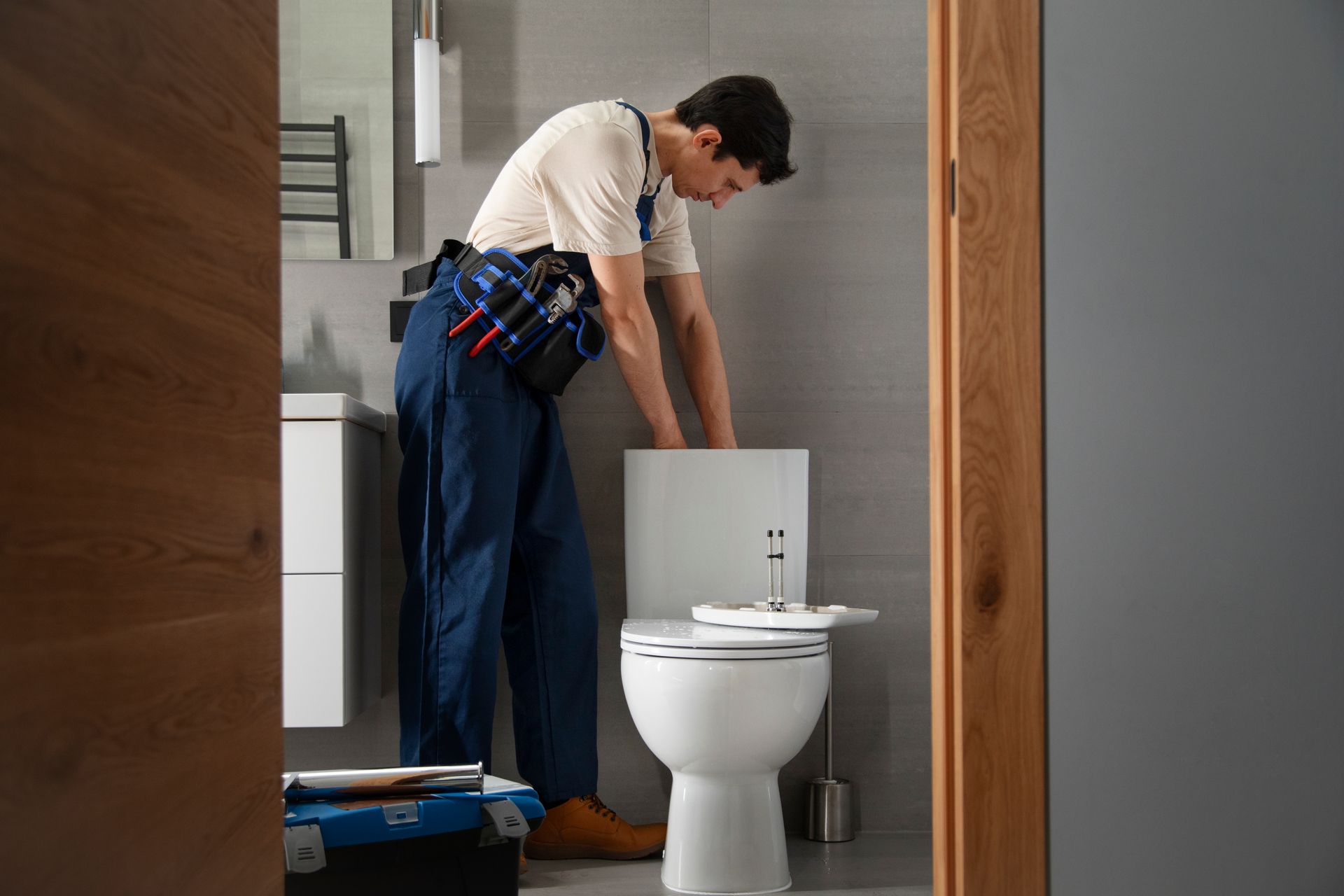
Cost of Installation: Factor in the cost of installation when budgeting for a new water heater. Professional installation ensures safety and compliance with local building codes.
Benefits of Timely Replacement
Replacing your water heater before it fails can save you from the inconvenience of sudden breakdowns and potential water damage from leaks. A new, energy-efficient model can also reduce your energy consumption, lowering your utility bills and minimizing your environmental footprint. Additionally, newer models come with better technology and safety features, providing peace of mind and enhanced performance.
Conclusion
Knowing the best time to replace your water heater can prevent unexpected failures and help you avoid costly repairs. Pay attention to the signs of aging, consider the factors discussed, and consult a professional plumber to assess your current system. Making an informed decision about replacing your water heater ensures continuous comfort, efficiency, and savings in the long run.