What to Do If Your Water Heater Stops Working: An In-Depth Guide
A malfunctioning water heater can disrupt your daily routine, leaving you without hot water for showers, cleaning, and other essential tasks. When your water heater stops working, it's important to diagnose the problem and take appropriate steps to fix it. This guide will walk you through what to do if your water heater stops working, helping you identify common issues, understand potential causes, and determine whether you can fix the problem yourself or need professional assistance.
Understanding Common Water Heater Problems
When a water heater stops working, the issue can range from a simple fix to a more complex problem. The first step is understanding what might be going wrong. Water heaters can experience a variety of issues, including:
- No Hot Water: If your water heater isn't producing any hot water, the problem could be with the heating elements, thermostat, or even a lack of power to the unit.
- Inconsistent Water Temperature: If your water heater produces water that is too hot, too cold, or fluctuates between temperatures, the thermostat may be malfunctioning, or sediment buildup could be interfering with heating efficiency.
- Leaks and Water Damage: A leak from the water heater tank or surrounding pipes can cause significant damage. This could be due to a faulty valve, corrosion, or excessive pressure inside the tank.
- Strange Noises: If your water heater is making popping, banging, or gurgling sounds, this could indicate sediment buildup in the tank, causing the heating elements to overheat or the tank to crack.
Steps to Diagnose the Problem
To effectively address a malfunctioning water heater, start with a thorough diagnosis:
- Check the Power Supply: Ensure that the water heater is receiving power. For electric models, check the circuit breaker and reset it if necessary. For gas models, ensure the pilot light is lit and the gas supply is turned on.
- Inspect the Thermostat: The thermostat controls the water temperature. If it’s set too low or too high, adjust it accordingly. If you suspect the thermostat is faulty, it may need to be tested or replaced.
- Look for Leaks: Inspect the area around the water heater for any signs of water pooling, rust, or drips. If you find a leak, try to identify the source—whether it’s from a valve, pipe, or the tank itself.
- Listen for Noises: If you hear strange sounds, it’s likely due to sediment buildup. This can be resolved by flushing the tank, which removes the sediment and restores normal operation.
Fixing Common Water Heater Issues
Once you’ve identified the problem, the next step is to fix it. Here’s how you can address some of the most common water heater issues:
- Restoring Power: If the issue is a tripped breaker or an extinguished pilot light, simply resetting the breaker or relighting the pilot light can restore hot water. Make sure you follow the manufacturer’s instructions to safely relight a pilot light.
- Replacing the Thermostat: If the thermostat is faulty, you can purchase a replacement and install it yourself, though this may require some basic electrical knowledge. Always turn off the power before working on the thermostat.
- Flushing the Tank: To clear sediment buildup, you’ll need to flush the water heater tank. Turn off the power or gas supply, attach a garden hose to the drain valve, and allow the tank to empty. Refill the tank and restore power to complete the process.
- Fixing Leaks: Minor leaks can sometimes be fixed by tightening connections or replacing a faulty valve. However, if the tank itself is leaking, you’ll likely need to replace the entire water heater.
When to Call a Professional
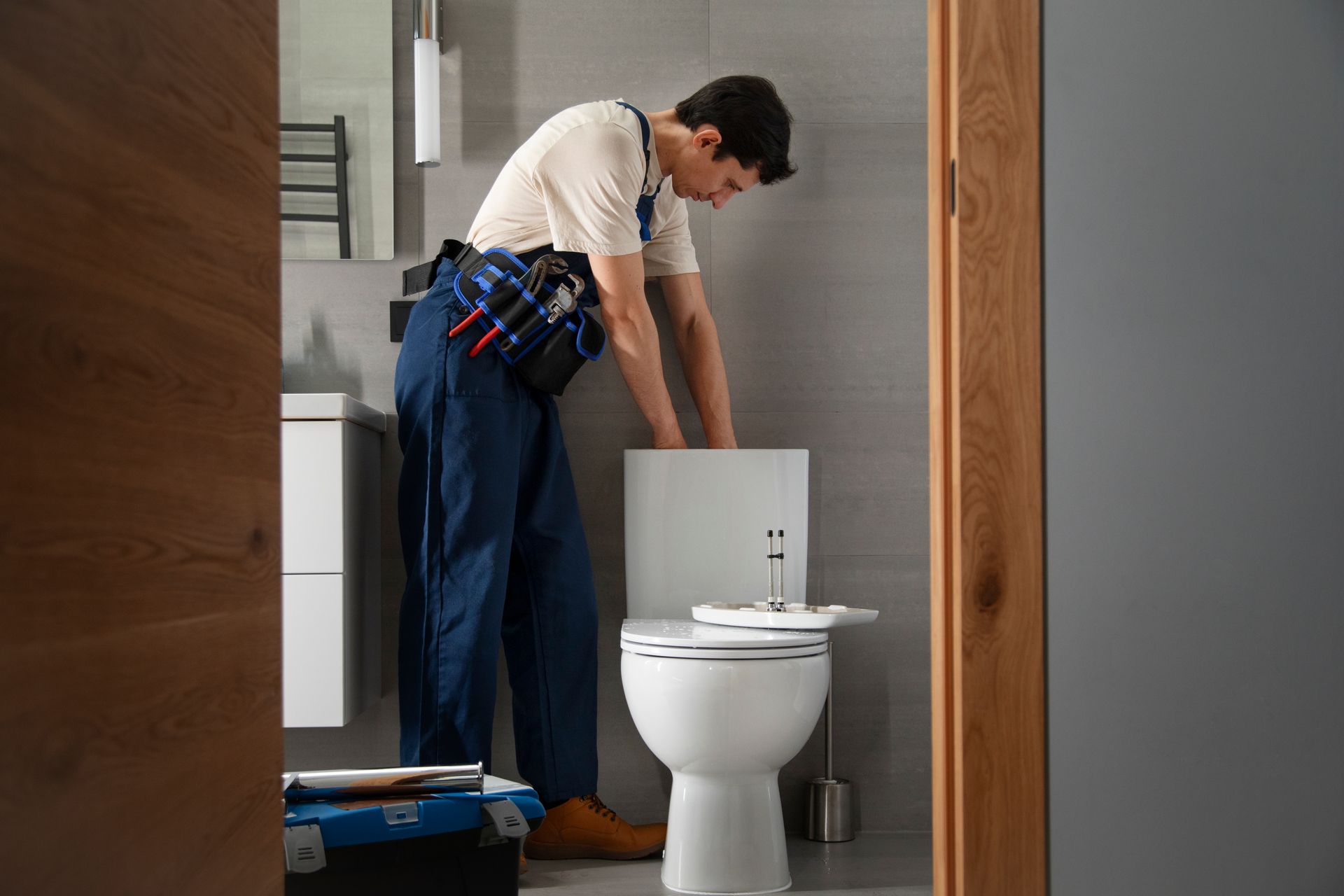
While some water heater issues can be resolved with DIY solutions, others require the expertise of a professional plumber. If you’re unsure about diagnosing or fixing the problem, or if the issue involves the tank itself, it’s best to call a professional. A plumber can perform more in-depth diagnostics, safely repair or replace components, and ensure that your water heater operates efficiently.
Preventing Future Problems
Regular maintenance is key to preventing future water heater problems. Flushing the tank annually, checking the anode rod for corrosion, and inspecting the thermostat and heating elements can prolong the life of your water heater and prevent unexpected breakdowns.
In conclusion, when your water heater stops working, a step-by-step approach to diagnosis and repair can help you restore hot water to your home. Whether you decide to tackle the problem yourself or call in a professional, understanding the common causes and solutions will help you make an informed decision.