The Role of Pressure Relief Valves in Plumbing Systems
Pressure relief valves (PRVs) are crucial components in plumbing systems, safeguarding against excessive pressure that can cause significant damage to pipes, fixtures, and appliances. In this article, we’ll delve into the role of pressure relief valves, their importance, and how they function within plumbing systems.
Understanding Pressure Relief Valves
Pressure relief valves are designed to release excess pressure from a system, ensuring that the pressure remains within safe limits. They are typically installed in water heaters, boilers, and other pressurized systems to prevent potential damage and hazards caused by overpressure.
Importance of Pressure Relief Valves
1. Preventing Overpressure Damage
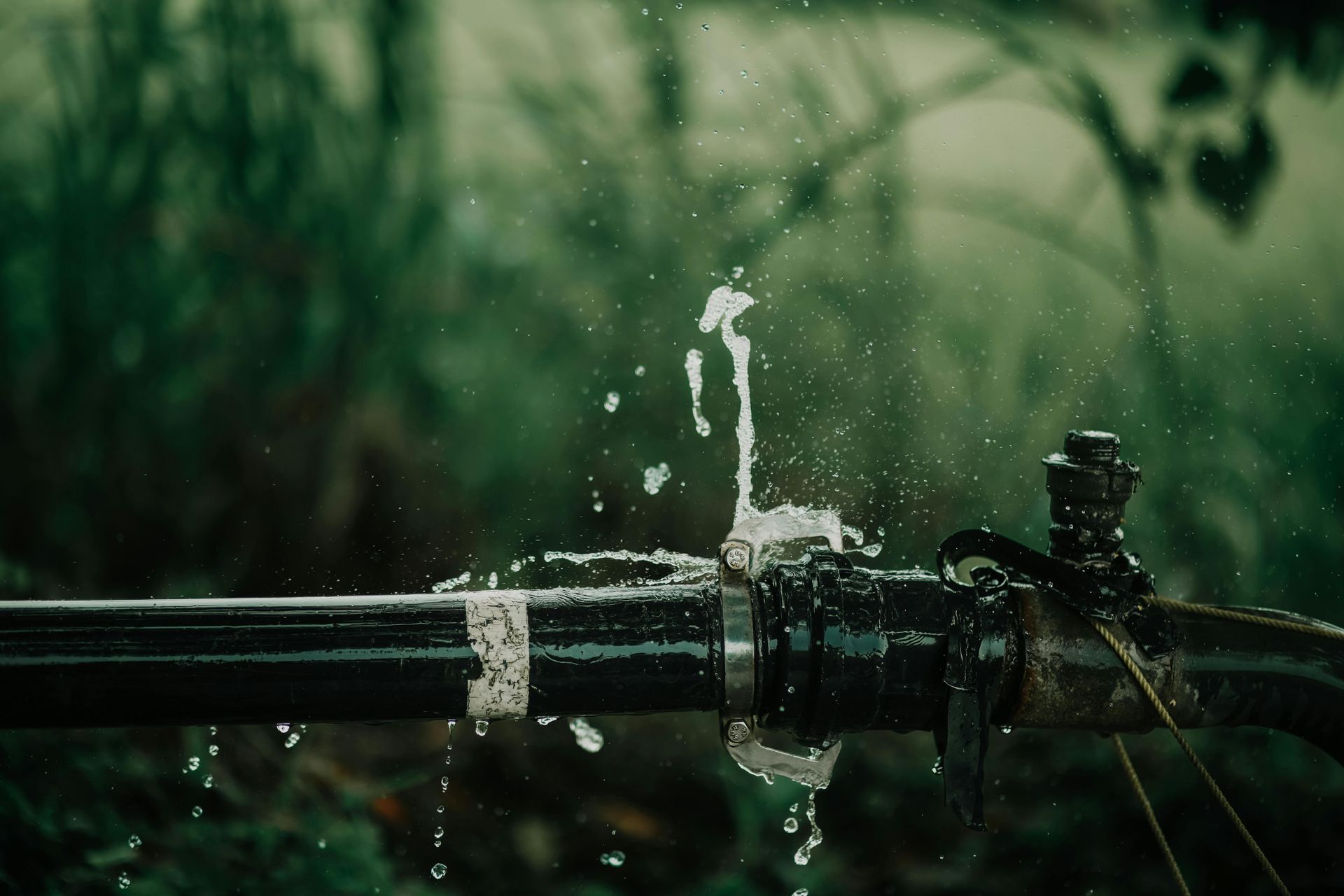
Excessive pressure in plumbing systems can lead to ruptured pipes, damaged fixtures, and compromised appliances. Pressure relief valves act as a safety mechanism, releasing pressure when it exceeds a predetermined level, thereby preventing overpressure damage.
2. Ensuring Safety
High pressure in plumbing systems can pose serious safety risks, including explosions in extreme cases. Pressure relief valves mitigate these risks by maintaining pressure at safe levels, protecting both the plumbing infrastructure and the occupants of the building.
3. Protecting Appliances
Appliances like water heaters and boilers are particularly vulnerable to damage from excessive pressure. By regulating pressure, PRVs help extend the lifespan of these appliances, ensuring they operate efficiently and safely.
How Pressure Relief Valves Work
Pressure relief valves are relatively simple yet highly effective devices. Here’s a breakdown of how they function:
1. Set Pressure Threshold
Each PRV is calibrated to open at a specific pressure threshold. This threshold is set based on the system’s design and safety requirements.
2. Pressure Monitoring
The valve constantly monitors the pressure within the system. When the pressure approaches the set threshold, the valve prepares to activate.
3. Pressure Release
Once the pressure exceeds the set threshold, the valve opens, allowing the excess pressure to escape. This release prevents the pressure from rising to dangerous levels.
4. Automatic Reset
After releasing the excess pressure, the valve automatically resets and closes once the pressure returns to safe levels. This cycle ensures continuous protection against overpressure.
Common Applications of Pressure Relief Valves
Pressure relief valves are used in various applications within plumbing systems. Some of the most common include:
1. Water Heaters
Water heaters often experience pressure fluctuations due to heating and expansion of water. PRVs are essential in these systems to prevent overpressure and ensure safe operation.
2. Boilers
Boilers operate under high pressure and temperature conditions. PRVs in boiler systems protect against excessive pressure that could lead to dangerous failures.
3. Pumps and Piping Systems
In pump and piping systems, PRVs help regulate pressure to prevent pipe bursts and maintain efficient fluid flow.
Maintenance and Testing of Pressure Relief Valves
Regular maintenance and testing of pressure relief valves are critical to ensure they function correctly. Here are some key maintenance practices:
1. Regular Inspections
Conduct routine inspections to check for signs of wear, corrosion, or damage. Replace any faulty valves promptly.
2. Testing
Test the valve periodically to ensure it opens and closes at the set pressure threshold. Follow manufacturer guidelines for testing procedures.
3. Cleaning
Keep the valve clean and free of debris. Sediment or buildup can impede the valve’s operation, compromising its effectiveness.
Conclusion
Pressure relief valves play a vital role in maintaining the safety and integrity of plumbing systems. By preventing overpressure damage, ensuring safety, and protecting appliances, these valves are indispensable components of any pressurized system. Regular maintenance and testing are essential to keep PRVs functioning correctly and safeguarding your plumbing infrastructure. Understanding the importance and operation of pressure relief valves can help homeowners and professionals alike ensure their plumbing systems remain safe and efficient.
DIY Plumbing Tips for Homeowners