How to Maintain Your Dishwasher Plumbing Connections?
Maintaining your dishwasher plumbing connections is essential for ensuring the efficient operation and longevity of your appliance. Proper care and regular inspection can prevent leaks, water damage, and costly repairs such as water line repair & replacement. This comprehensive guide will walk you through the best practices for maintaining your dishwasher’s plumbing connections, integrating professional advice from experts like All City Plumbers, and highlighting the importance of safety measures including the ability to detect a gas leak in your home.
Understanding Dishwasher Plumbing Connections
Dishwasher plumbing connections typically include the water supply line, drain hose, and electrical connections. The water supply line delivers clean water to the dishwasher, while the drain hose removes wastewater. Both lines are critical for the dishwasher’s operation and must be properly installed and maintained to avoid leaks and blockages.
The water supply line is usually connected to the hot water valve under the kitchen sink, and it is important to ensure that this connection is secure and free from corrosion or damage. The drain hose is connected to the sink drain or garbage disposal, and it must be properly positioned to prevent backflow and clogs.
Regular Inspection and Cleaning
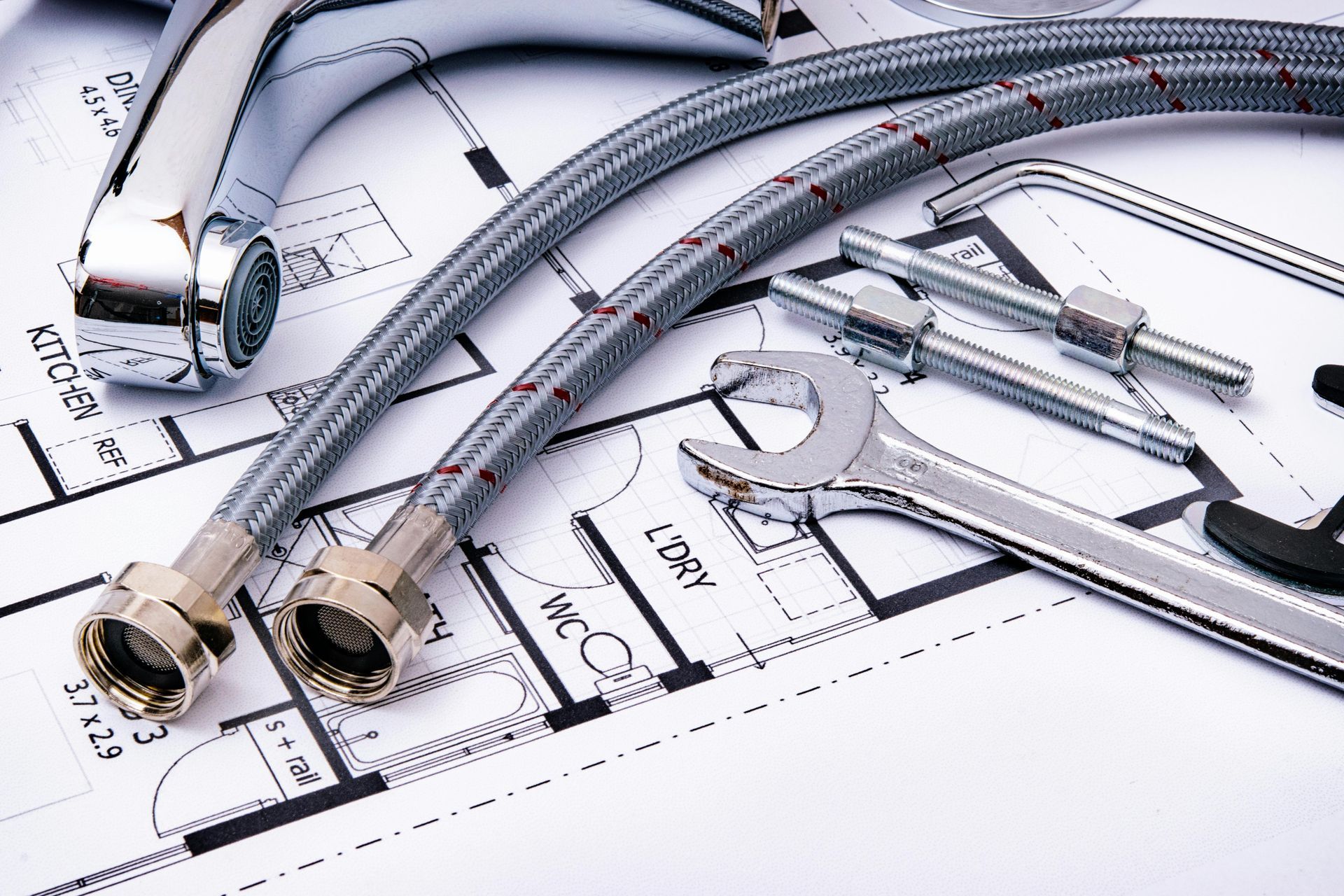
Routine inspection of your dishwasher’s plumbing connections is vital. Check the water supply line for any signs of wear, cracks, or leaks. Flexible braided stainless-steel hoses are recommended for durability and resistance to bursting. Inspect the drain hose for kinks, cracks, or blockages that could impede water flow.
Cleaning the drain hose periodically helps prevent buildup of food particles and grease that can cause clogs. Disconnect the hose carefully and flush it with warm water or a mild cleaning solution. Avoid harsh chemicals that could damage the hose material.
Preventing and Addressing Leaks
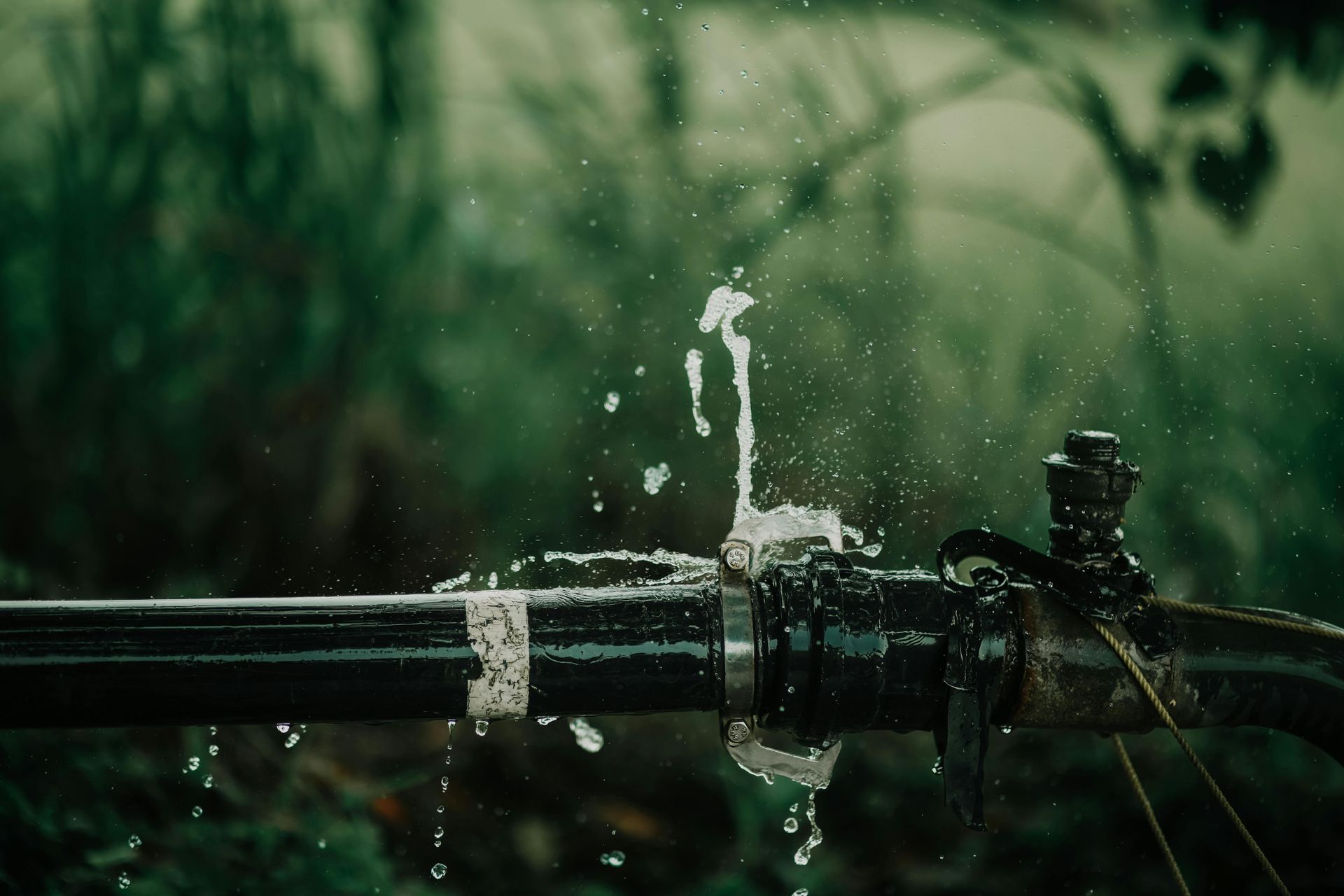
Leaks are a common issue with dishwasher plumbing connections and can lead to water damage if not addressed promptly. Tighten any loose fittings using appropriate tools, but avoid overtightening which can damage threads or fittings.
If you detect persistent leaks, it may indicate a need for water line repair & replacement. In such cases, consulting professionals like All City Plumbers ensures that repairs are done safely and in compliance with local codes.
Ensuring Proper Drainage
Proper drainage is crucial to prevent water from backing up into the dishwasher or under the sink. Make sure the drain hose is installed with a high loop or air gap to prevent backflow. The high loop is a section of the hose secured above the sink’s flood level, while an air gap is a device installed on the sink or countertop that physically separates the dishwasher drain from the sink drain.
Regularly check and clean the air gap if your system has one, as it can become clogged with debris. This maintenance helps avoid drainage problems and potential water damage.
Safety Considerations and Gas Leak Detection
While dishwashers are primarily water and electric appliances, maintaining overall home safety includes being aware of potential hazards such as gas leaks. Although unrelated directly to dishwasher plumbing, it is prudent to have systems in place to detect a gas leak in your home, especially if your kitchen has gas appliances.
Integrating water leak detectors with gas leak detection systems provides comprehensive protection, alerting you to multiple hazards and helping prevent emergencies.
When to Call Professionals
Some maintenance tasks require professional expertise. If you encounter complex plumbing issues, persistent leaks, or need to upgrade your dishwasher’s plumbing connections, contacting licensed plumbers like All City Plumbers is advisable. They can perform thorough inspections, recommend repairs or replacements, and ensure your system meets safety standards.
Professional intervention is also critical if you suspect issues that could lead to water line repair & replacement, or if you want to integrate advanced safety systems including gas leak detection.
Conclusion
Maintaining your dishwasher plumbing connections involves regular inspection, cleaning, leak prevention, and ensuring proper drainage. By following these best practices and seeking professional help when needed, you can extend the life of your dishwasher, avoid costly repairs, and maintain a safe home environment.
Incorporating safety measures such as systems to detect a gas leak alongside water leak detection enhances your home’s protection. Trusted professionals like All City Plumbers are valuable partners in maintaining and repairing your plumbing systems, ensuring peace of mind and reliable appliance performance.
With diligent care and attention, your dishwasher will continue to operate efficiently, providing convenience and cleanliness for your household.