How to Extend Water Heater Life Beyond 12 Years?
A properly maintained water heater can reliably serve a home for more than a decade, but many units are replaced earlier due to preventable issues like corrosion, pressure stress, poor water quality, and lack of routine care. With a few deliberate maintenance habits and some simple upgrades, it is entirely realistic to extend the functional life of your water heater well beyond 12 years. Whether you own a traditional tank‑style system or a modern tankless unit, the underlying principles of reducing strain, managing internal deposits, and relieving pressure are the same. This article walks through a comprehensive set of strategies that homeowners can adopt to keep their water heaters running efficiently and safely over the long term.
Annual Maintenance and Professional Inspections
One of the most effective ways to push a water heater past the 12‑year mark is to treat it like a major piece of home equipment that deserves an annual checkup. Skipping maintenance in favor of waiting for a problem to arise can quietly accelerate wear on critical components, leading to leaks, rust‑through failures, or even scalding events if controls drift out of spec. Scheduling an annual inspection with a licensed plumber or heating specialist allows a trained technician to examine burners, heating elements, anode rods, safety valves, and insulation, then adjust or replace what is needed before it becomes an emergency.
During such a visit, the professional will typically perform a tank flush on storage‑type systems to clear out accumulated sediment, check that the temperature and pressure relief valve operates correctly, and look for any early signs of rust, cracks, or scale buildup. Tankless water heaters, while generally more durable, also benefit from yearly descaling and flow‑through inspections. By documenting these visits and noting any gradual shifts in performance, homeowners gain a much better sense of whether their unit is aging normally or showing signs of premature decline. Over time, this pattern of regular oversight can move a 10–12‑year‑old system closer to 15 years or more of dependable service.
Regular Tank Flushing and Sediment Management
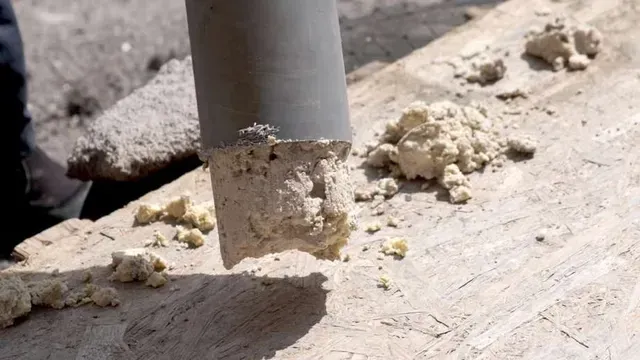
Over years of service, the bottom of a storage water heater gradually accumulates a layer of sediment composed of minerals such as calcium and magnesium, sand from the mains, and other particulate matter. This sludge not only reduces the effective volume of available hot water but also insulates the burner or lower heating element from the surrounding water, forcing the heater to work harder and longer to bring the tank up to temperature. That extra thermal load accelerates corrosion and greatly shortens the useful life of the tank lining.
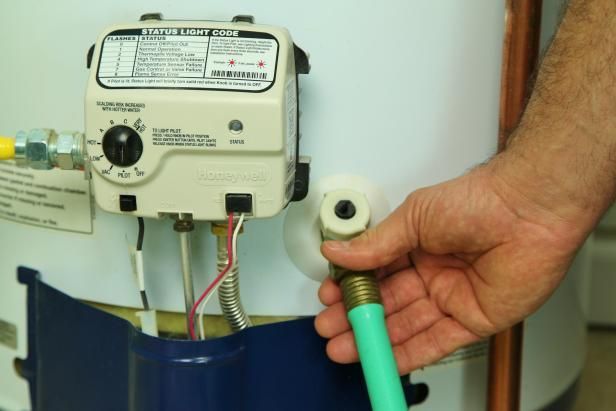
Flushing the tank once a year removes the bulk of this sediment before it thickens into an entrenched layer. The procedure involves closing the cold‑water inlet and electricity or fuel supply, connecting a hose to the drain valve, and allowing the tank to empty partially or fully until the exiting water runs clear. After refill and pressure restoration, the system operates more efficiently and is less likely to develop overheated hot‑spots or noisy rumbling caused by steam forming under a sediment blanket. In areas with particularly hard water, some experts recommend flushing two or even three times per year. When paired with water‑softening strategies, this simple cycle of routine draining can significantly delay the onset of internal damage and help a water heater remain functional well beyond its conventional life expectancy.
Water Temperature and Usage Settings
Another easy but impactful strategy for extending water heater life is to intentionally keep the thermostat within a sensible range. Many homeowners leave tank‑style heaters set near 140 degrees Fahrenheit, often because that level was once recommended for killing Legionella bacteria in stagnant water. However, most modern homes function perfectly with hot‑water temperatures around 120 degrees, which reduces the risk of accidental scalds, lowers standby heat loss, and decreases overall strain on internal components.
Every additional 10 degrees of temperature increases energy consumption and slightly raises the thermal stress on the tank lining, valves, and piping. Over years of constant operation, that incremental extra heat accelerates both scaling and metal fatigue. By turning the thermostat down and using fixtures and appliances that have their own thermostatic mixing (such as showers or dishwashers), the system operates in a gentler band for longer periods. This reduced duty cycle allows internal parts to fatigue more slowly, helping the water heater work reliably beyond the typical 10‑year horizon and pushing it closer to the 12‑year mark and beyond with less risk of premature failures.
Water Quality and the Role of Softeners and Anti‑Scale Devices
Water quality is a silent but powerful influence on how long a water heater lasts. In regions with hard water, minerals such as calcium and magnesium separate from the water as it is heated, then plate out as a hard scale on tank walls, heating elements, and pipes. This scale acts like an insulating crust, making the system less efficient and forcing components to overheat in their attempts to maintain the set temperature. In storage tanks, this burden also increases the rate at which the glass or polymer lining degrades, making leaks more likely over time.
To combat this, many homeowners and professionals recommend installing a whole‑home water softener or an anti‑scale conditioning device. A softener removes or neutralizes the hardness minerals through ion‑exchange or alternative technologies, thereby reducing the formation of scale inside the tank and on critical parts. Anti‑scale units that alter the chemistry of the minerals can likewise discourage crusty buildup without removing the minerals entirely. Over the long term, these systems protect not just the water heater but also the connected plumbing, fixtures, and appliances that all rely on the same supply. When a technician from a local plumbing service, such as All City Plumbers, evaluates the home’s water chemistry and recommends an appropriate correction device, it becomes far easier to extend the service life of the water heater in tandem with the rest of the plumbing network.
Insulation and Reducing Standby Heat Loss
Heat naturally leaks from a warm water heater into its surroundings, especially if the unit is located in an uninsulated garage, basement, or utility area. To compensate, the thermostat forces the burner or elements to cycle on more frequently, even when hot water demand is light. This constant stop‑start operation increases wear on switches, wires, and mechanical controls, while also promoting temperature swings that encourage mineral deposition and internal stress.
Wrapping the storage tank with a purpose‑made insulation blanket and applying foam pipe sleeves to both the hot and cold water lines can dramatically slow standby heat loss. The government and several independent energy agencies have observed that proper insulation can reduce standby heat loss by roughly 30–45 percent, which in turn reduces energy bills and the number of burner cycles over the heater’s life. Less cycling means fewer thermal expansions and contractions in the metal chamber, fewer off‑on events for the thermostat, and a more stable internal environment overall. For older units, adding insulation is an inexpensive and non‑invasive way to give an aging water heater a second wind and to help it remain functional for several additional years beyond what might otherwise be expected.
Pressure Management and Why Water Heater Expansion Tanks Matter
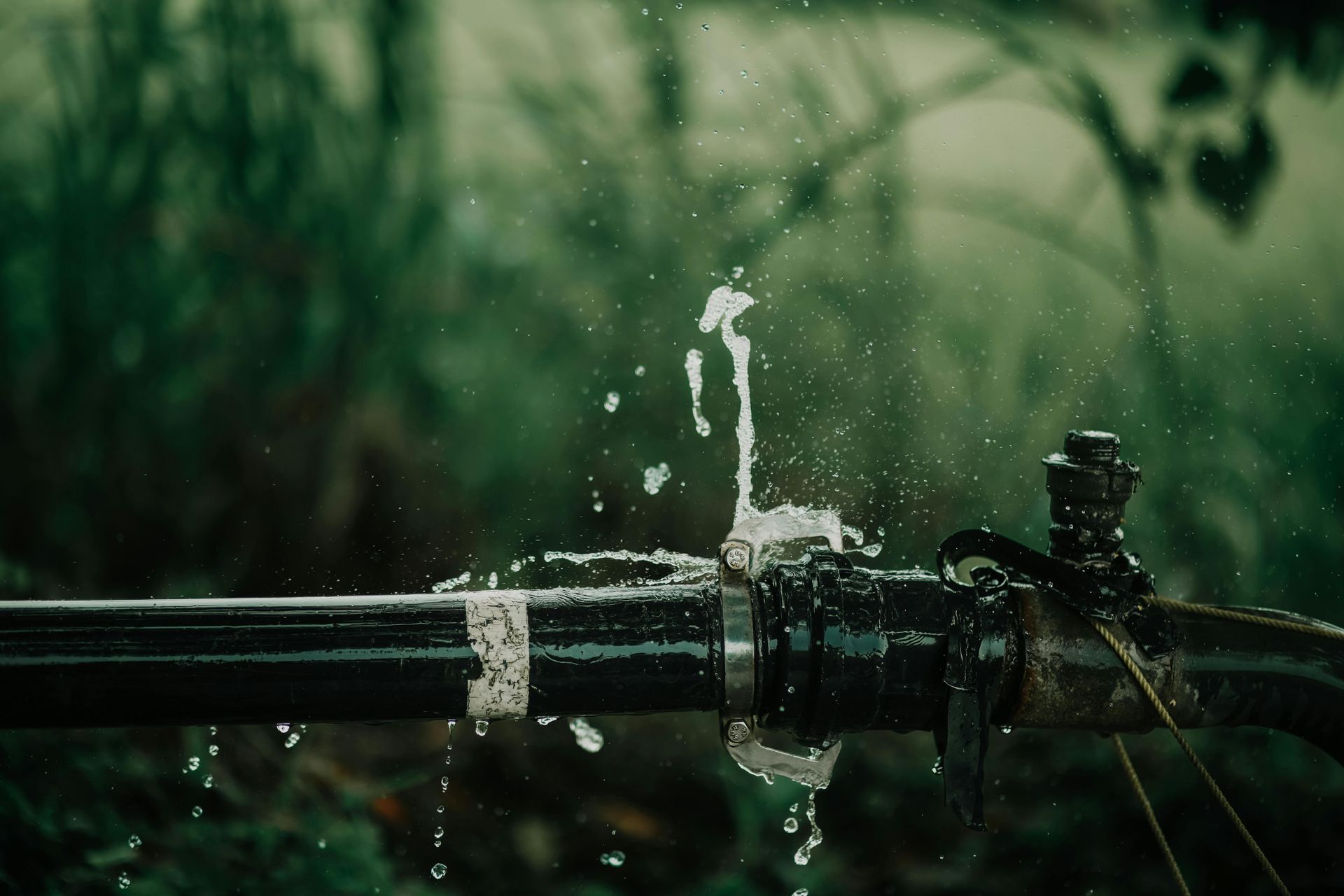
Water expands when heated, and that expansion has to go somewhere. In a closed system—where the cold‑water side is effectively blocked from backflow by a check valve or a pressure‑reducing valve—the rising pressure from the heater can push against the walls of the tank, piping, and connected fixtures. Over time, this repeated overpressure stresses joints, welds, and the tank lining, potentially leading to micro‑cracks or accelerated corrosion. This is the exact context in which many plumbers emphasize why water heater expansion tanks matter.
An expansion tank is a small auxiliary vessel, typically mounted on the cold‑water inlet line, that includes an internal air‑filled bladder or cushion. As heated water expands, it flows into this expansion tank instead of stretching the main tank or stressing valves and fittings. This small addition greatly reduces cyclic pressure fatigue and extends not only the life of the water heater but also that of the entire hot‑water distribution system. In many areas, local building codes now require an expansion tank whenever a new heater is installed or when a check valve is added to the main water line. Even on an existing system that has outlived its original decade‑long guarantee, adding an expansion tank can relieve years of accumulated pulse‑pressure stress and help preserve the integrity of an aging tank.
Anode Rod Inspection and Replacement
Inside many tank‑style water heaters sits a sacrificial anode rod, usually made of magnesium or aluminum, that is designed to corrode instead of the steel tank wall. The anode attracts the corrosive elements in the water, “taking the hit” so that the interior lining lasts a little longer. Over time, however, that rod itself wears away, and once it is heavily depleted, the protective benefit stops working.
Regular inspection of the anode rod—every three to five years, or sooner in hard‑water environments—can prevent the premature death of an otherwise sound tank. A competent technician can remove the anode, measure its remaining mass, and replace it if it has less than about half of its original diameter or if exposed steel is visible. Replacing a worn anode is far less expensive than replacing the entire heater and, when done proactively, can bridge the gap between mid‑life decay and long‑term survival. With a fresh anode in place, the same water heater that was showing early rusting or pinhole tendencies may continue to perform acceptably for several more years.
Venting, Combustion, and Electrical Integrity
For gas‑fired storage heaters, safe venting of combustion gases and clean burner operation are essential to long‑term performance. Over time, condensation, rust, and debris can partially obstruct flue pipes or draft hoods, forcing the heater to operate under higher backpressure or with incomplete combustion. This inefficiency increases sooting, uneven temperature distribution, and localized overheating, all of which can hasten the erosion of the steel and the lining. During seasonal inspections, a qualified technician will clean the burner assembly, verify that the flue is clear, and confirm that CO and draft levels remain within safe limits.
Electric water heaters, while simpler mechanically, are not immune to stress. Loose or corroded electrical connections at the thermostat or heating‑element terminals can cause arcing or partial resistance, leading to overheating, tripped breakers, and intermittent operation. Keeping wiring dry, clean, and tightly secured helps reduce resistance spikes and the associated heat buildup in junction boxes near the tank. When homes rely on their water heater not just for showers and laundry but also for supplemental baseboard heat or pool‑side service, these electrical and combustion stresses multiply; routine checks then become even more important for ensuring the unit survives well beyond 12 years.
Operational Discipline and End‑Of‑Life Signals
Beyond formal maintenance, everyday habits also matter. Running the heater at the bare minimum temperature that still meets household needs, staggering hot‑water draws so the tank is not instantly emptied, and avoiding continuous high‑demand sessions all reduce mechanical and thermal stress. Homeowners who monitor performance—such as tracking how long it takes for the water to heat back up, noting changes in water quality, or watching for rust‑colored water or strange popping noises—give themselves early warning signs that something is changing inside.
When minor rust stains appear at the base, when leaks persist despite tightened fittings, or when the water smells faintly metallic or sulfurous, those can be end‑of‑life signals rather than easily fixable nuisances. At that point, continuing to push a heater to last beyond 12 years becomes less about maintenance and more about managing risk. For aging systems that still function but show visible signs of fatigue, many plumbing services recommend budgeting for a timely replacement rather than waiting for a catastrophic failure that floods the space or leaves the household without hot water at an inconvenient time.
Conclusion
Extending a water heater’s life beyond 12 years is achievable but not automatic. It requires an intentional combination of annual professional inspections, consistent sediment management, sensible thermostat settings, improved water quality, proper insulation, and thoughtful pressure control via an expansion tank. Elements such as checking the anode rod, managing combustion or electrical systems, and enforcing sensible usage patterns further stack the odds in favor of prolonged service. A homeowner who partners with a local plumbing crew, such as All City Plumbers or a comparable service provider, and treats the water heater as a strategic home health component rather than a forgotten box in the basement can protect that investment and enjoy reliable hot water for many additional years. Over time, each of these small maintenance actions compounds into a more robust, efficient, and longer‑lived system that quietly supports the comfort and safety of the household.