Why Low-Flow Toilets Still Clog (Causes and Easy Fixes)
Low‑flow toilets, designed to conserve water with 1.28 gallons per flush or less, often disappoint users with frequent clogs despite their efficiency claims. The misconception that less water inherently causes blockages overlooks waste composition, bowl design flaws, and maintenance oversights. Understanding these dynamics reveals simple fixes that restore reliable performance.
This in‑depth guide dissects why low‑flow toilets clog more perceptibly than older models, identifies root causes, and delivers practical solutions. Homeowners can optimize their fixtures without replacement, achieving the water savings without the hassles.
How Low‑Flow Toilets Differ from High‑Flow Models
Traditional toilets flushed 3.5–7 gallons, creating powerful siphons that cleared heavy waste easily. Low‑flow models achieve savings through dual flush valves (1.0/1.6 GPF), pressure‑assisted rims, or gravity systems with optimized trapways. However, reduced water volume demands precise bowl geometry and user cooperation for effective evacuation.
Slower fills and gentler flushes leave residue if waste exceeds design parameters. Modern codes mandate low‑flow, so clogs reflect usage patterns rather than inherent defects.
Waste Composition and Flushing Habits
Human waste varies; high‑fiber diets produce bulkier loads challenging low‑flow siphons. Non‑flushables like wipes, paper towels, or feminine products overwhelm trapways designed for toilet paper only. Educating household members on flush limits prevents 70% of clogs.
Overloading with multiple flushes’ worth in one go defeats dual mechanisms. Single, deliberate flushes maximize siphon action.
Bowl Design and Rim Jet Limitations
Poorly engineered rims fail to scour bowl surfaces adequately. Low‑flow rims use smaller jets; mineral buildup restricts flow, leaving streaks that accumulate. Vinegar soaks or pumice stones restore cleaning power weekly.
Trapway narrowness (2–3 inches) versus older 4‑inch passages exacerbates issues with large waste. High‑end models like Toto or Kohler feature wide traps and powerful Tornado flushes for better reliability.
Water Pressure and Supply Line Issues
Inadequate tank fill valve pressure yields weak flushes. Low municipal pressure or clogged aerators starve valves. Test by timing fill to 15–30 seconds; adjust arms or replace flappers.
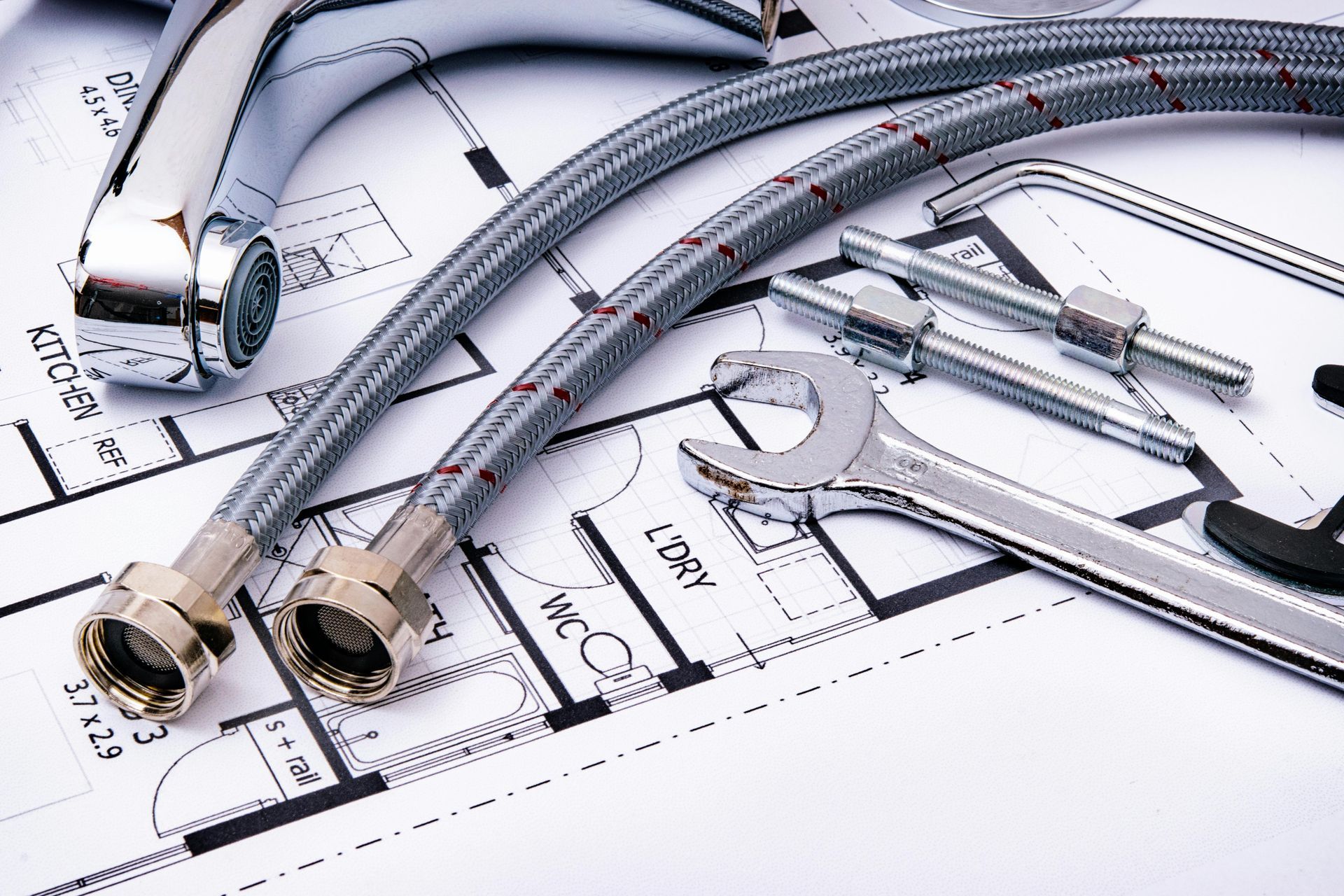
Kinked supply lines or partially closed shut‑offs mimic low flow. Straighten or upgrade 3/8‑inch lines; consider waterline repair and replacement for corroded stubs ensuring full pressure.
Mineral Buildup and Sediment Effects
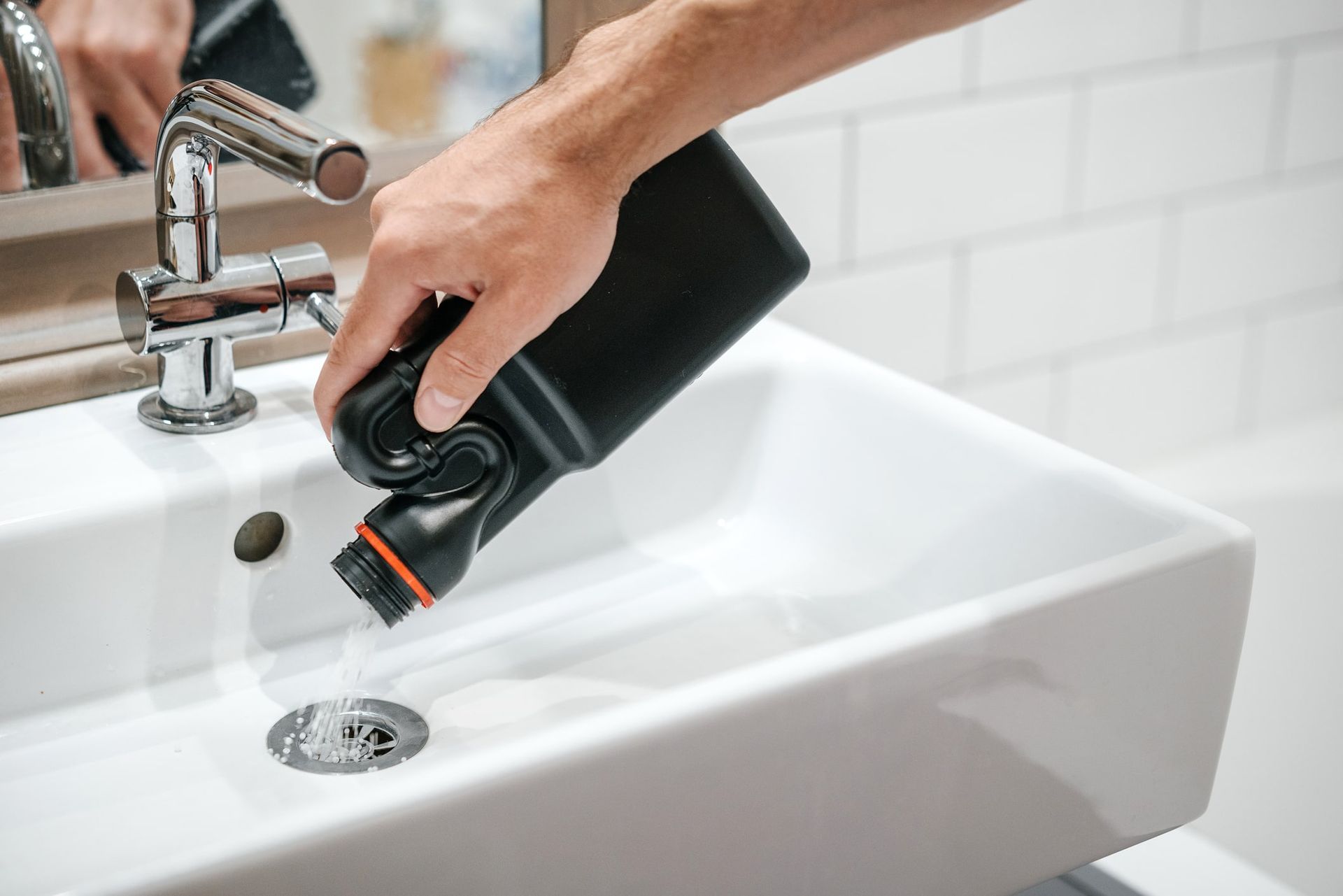
Hard water scales fill valves, jets, and trapways, reducing effective flush volume. White vinegar descaling every three months dissolves deposits without harsh chemicals. Citric acid cleaners tackle stubborn rims safely.
Whole‑house softeners prevent recurrence, extending fixture life.
Flapper and Chain Maladjustments
Worn flappers leak, lowering tank levels below siphon initiation. Ghost flushing signals replacement; silicone models last longer than rubber. Adjust chains for full seal without drag, ensuring 2–3 links slack.
Silent fills indicate micro‑leaks; food‑coloring tests confirm without disassembly.
Venting and Drain Line Problems
Improper venting causes siphoning, breaking seals prematurely. Gurgling or slow drains point to vent blockages from debris or bird nests. Extend vents above roofs; AAVs supplement in islands.
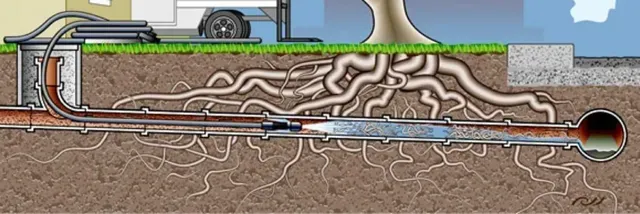
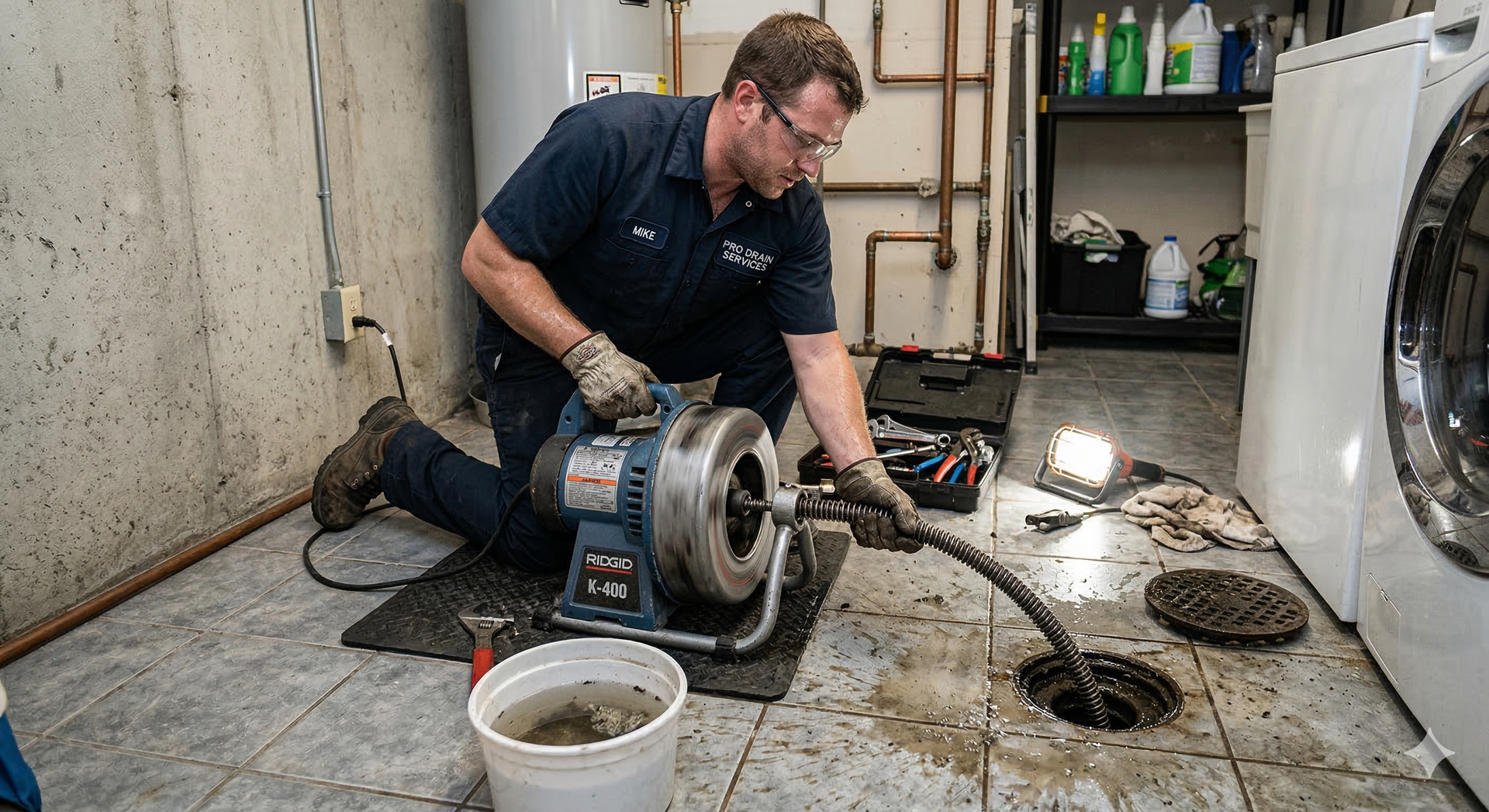
Downstream clogs from main lines amplify toilet backups. Snaking or hydro‑jetting clears; persistent issues need camera inspection.
Installation and Leveling Errors
Unleveled toilets rock, misaligning traps and weakening seals. Shim bases level, securing with bolts. Wax ring compression fails on uneven flanges, allowing backflow.
Proper rough‑in (12 inches center) prevents strain.
User and Maintenance Oversights
Flushing grease, oil, or medications coats rims, resisting water. Scrape bowls daily; enzyme cleaners break organics monthly. Plunge promptly to maintain trap priming.
Advanced Fixes: Upgrades and Modifications
Replace with dual‑cyclone models for superior rim wash. Power assists like Fluidmaster resolve pressure woes. Bidet attachments add rinse without overload.
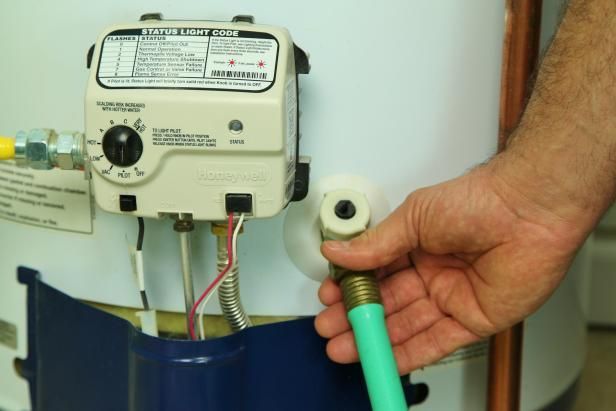
Weighing the pros and cons of tankless water heaters reveals steady pressure benefits but high costs for low‑flow synergy.
All City Plumbers diagnoses venting or main line issues exacerbating toilet clogs professionally.
Conclusion
Low‑flow toilets clog from waste habits, design limits, maintenance neglect, and supply deficiencies rather than water savings alone. Proper user practices, regular cleaning, pressure optimization, and venting checks restore efficiency. Integrating with upgrades like cyclones or softeners maximizes performance, while experts like All City Plumbers resolve systemic problems. Thoughtful ownership turns water‑wise fixtures into reliable assets.