How to Prevent Mineral Rings in Toilet Tanks (Simple Solutions)
Mineral rings in toilet tanks appear as white, crusty deposits around the waterline, resulting from hard water minerals like calcium and magnesium precipitating out as water evaporates. These rings not only look unsightly but also harbor bacteria, reduce efficiency by interfering with flappers and fill valves, and signal broader scale issues affecting pipes and fixtures.
This professional guide explains the formation process, identifies contributing factors, and presents effective prevention strategies. Simple, consistent solutions keep tanks clean and extend plumbing longevity.
How Mineral Rings Form in Toilet Tanks
Hard water contains dissolved minerals that remain in solution under pressure but deposit when exposed to air and evaporation. Toilet tanks constantly cycle water, with small amounts evaporating from the open tank surface. Minerals concentrate along the waterline, forming tenacious rings that harden over time.
Ring thickness correlates with water hardness; above 7 grains per gallon accelerates buildup. Fluctuating tank levels from partial flushes expose varying heights, creating bands.
Testing Your Water Hardness Level
Accurate prevention starts with testing. Test strips or kits measure grains per gallon or ppm; under 1 gpg is soft, 1–3 moderate, 7+ hard. Local water reports provide baseline data, but test post‑softener if installed.
Labs offer detailed analysis for iron, manganese, or chlorides exacerbating deposits. Annual retesting accounts for seasonal variations.
Daily Cleaning Habits to Minimize Buildup
Wipe tank interiors weekly with a vinegar‑soaked rag, targeting waterlines. White vinegar dissolves calcium without abrasives. Scrub gently; avoid bleach corroding parts.
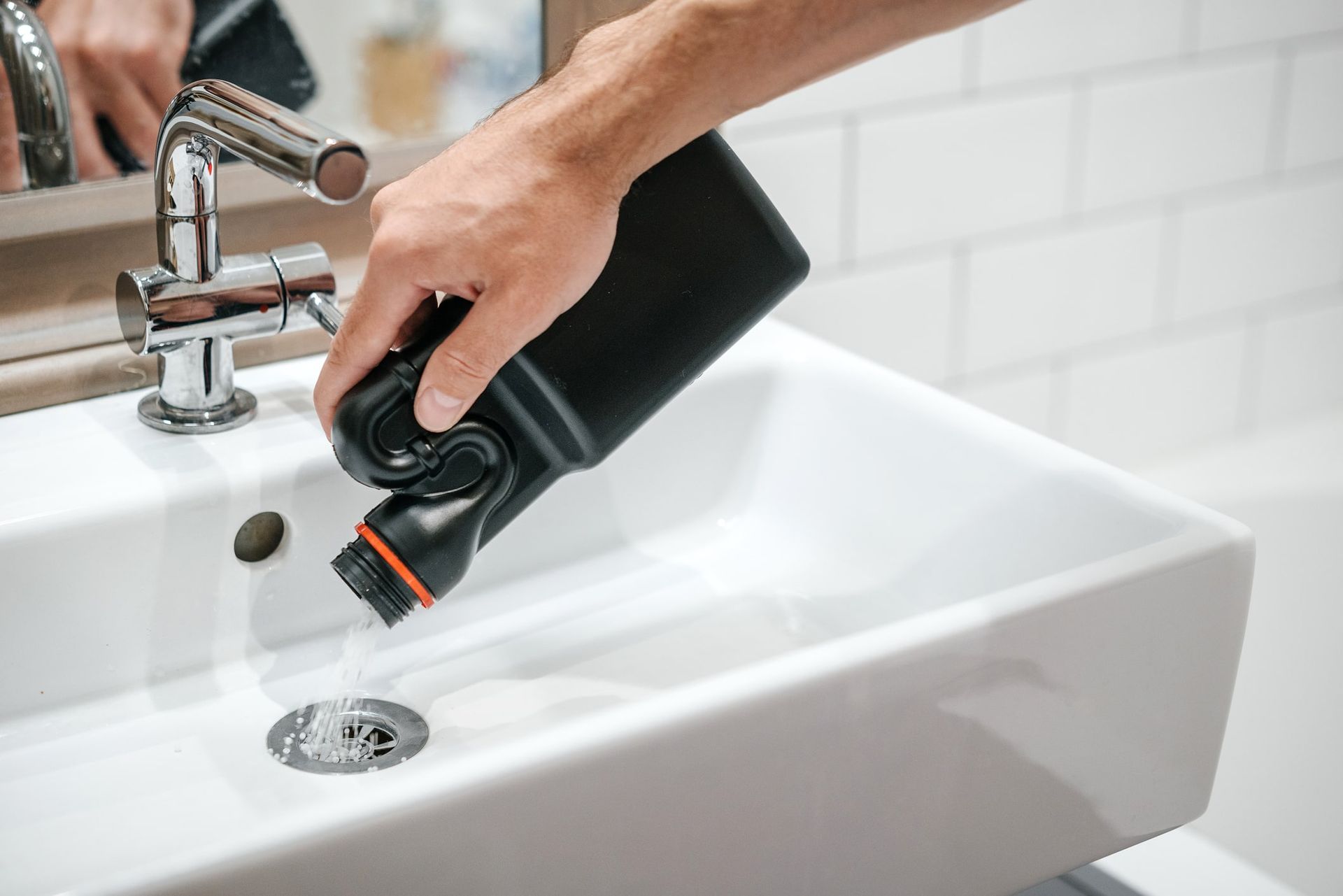
Automatic cleaners like 2000 Flushes tablets release acid slowly, preventing rings between cleanings. Drop tablets monthly, replacing per instructions.
Vinegar Soaks and Descaling Methods
Quarterly deep cleans involve shutting off water, flushing to empty, then filling halfway with undiluted vinegar. Let soak 1–2 hours or overnight, scrub with non‑metallic brush, flush repeatedly. Targets fill valves and overflow tubes.
Citric acid powders offer bleach‑free alternatives for septic systems. Repeat seasonally or after heavy buildup.
Fill Valve and Flapper Maintenance
Scale clogs valves, causing erratic fills exposing more surface. Disassemble plastic valves annually, soaking parts in vinegar. Replace diaphragms or rubber seals proactively.
Dual‑flush valves benefit from silicone lubricants preventing mineral adhesion. Adjustable arms maintain optimal water levels minimizing evaporation.
Water Softener Installation Benefits
Whole‑house softeners exchange calcium for sodium, drastically reducing hardness. Metered units regenerate efficiently, sized to household use. Point‑of‑use softeners under vanities treat toilet lines specifically.
Potassium alternatives suit low‑sodium diets. Regular salt refills and resin cleaning sustain performance.
Tank Liners and Coating Solutions
Bladder liners line tank interiors, preventing mineral adhesion to porcelain. Replace every 2–3 years; installation takes minutes after draining. Epoxy paints or ceramic coatings seal surfaces, though professional application ensures durability.
Low‑Water Level Adjustments
Lowering fill levels to 1 inch below overflow reduces exposed surface and evaporation. Adjust float arms or cups carefully; too low impairs flushes. Pressure‑assisted models inherently minimize rings through sealed designs.
Integrating with Broader Plumbing Protection
Tank maintenance pairs with winter plumbing protection like insulating exposed lines and dripping faucets to prevent freezing that bursts valves. All City Plumbers coordinates tank care with system audits, catching scale in mains early.
Garbage disposal repair and replacement in kitchens complements bathroom efforts, as hard water affects all fixtures uniformly.
Filtration and Treatment Add-Ons
Filtration and treatment add-ons provide an extra layer of protection against scale buildup and bacterial growth in plumbing systems. Inline phosphate filters work by coating the interior of pipes, creating a protective barrier that repels mineral deposits before they can adhere. Under-tank reverse osmosis systems treat the water supply directly and can significantly reduce dissolved solids, although they are generally inefficient for toilet applications due to water waste. UV sterilizers complement these solutions by neutralizing bacteria that tend to thrive in mineral scale, improving both hygiene and system longevity.
Monitoring and Professional Inspections
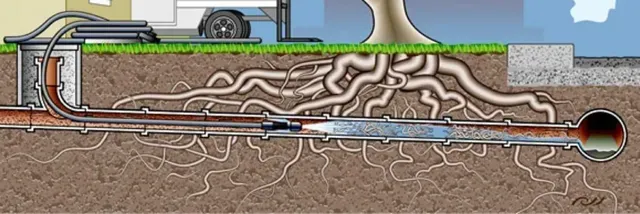
Regular monitoring and professional inspections help identify problems before they escalate into major repairs. Monthly visual checks can quickly reveal early signs such as mineral rings, discoloration, or slow drainage. During service calls, professional plumbers may use inspection cameras to assess internal pipe conditions, allowing them to detect scale buildup, blockages, or structural issues that are not visible from the surface.
Eco-Friendly and Cost-Effective Approaches
Eco-friendly and cost-effective approaches focus on reducing chemical usage while maintaining system performance. Natural solutions such as vinegar and citric acid effectively break down mineral deposits without introducing harsh chemicals into the plumbing or wastewater system. Additionally, efficient water softeners reduce mineral content at the source, lowering detergent and cleaning product requirements over time and helping offset the initial investment cost.
Long-Term Prevention Through Habits
Long-term prevention relies heavily on consistent user habits and proper system use. Ensuring a full flush with each use helps clear residue that partial flushes often leave behind, reducing buildup over time. Educating household members about non-flushable items—such as wipes, hygiene products, and paper towels—prevents unnecessary strain on plumbing systems and significantly extends their functional lifespan.
Conclusion
Mineral rings in toilet tanks stem from hard water evaporation but yield to vigilant cleaning, vinegar descaling, proper fill levels, and softeners. Integrating these with broader protections like winter plumbing safeguards sustains efficiency. Services like All City Plumbers enhance results through diagnostics. Consistent application yields pristine tanks and protected plumbing enduringly.