Bathroom Water Hammer Explained and How to Stop the Loud Banging?
The jarring bang of water hammer in your bathroom pipes can startle anyone turning off a faucet or flushing a toilet. This phenomenon, technically known as hydraulic shock, occurs when water flow abruptly stops, sending shockwaves through the system that rattle pipes and fittings. While alarming, it's a solvable plumbing issue rooted in physics and everyday usage. This guide unpacks the science behind the noise, identifies common triggers in bathrooms, and delivers proven solutions to restore quiet operation.
Understanding the Physics of Water Hammer
Water hammer arises from the incompressible nature of water combined with sudden momentum changes. When a valve closes quickly—like a shower faucet or toilet fill valve—flowing water slams to a halt, generating pressure surges up to 100 times normal levels. These waves travel at sonic speeds through pipes, reflecting off joints until energy dissipates as vibrations and bangs.
In rigid materials like copper or galvanized steel, the effect amplifies because they transmit shocks efficiently. Flexible PEX tubing absorbs some impact but still suffers in high-velocity scenarios. Factors like high static pressure above 80 PSI intensify the problem, turning minor annoyances into damaging forces that loosen fittings over time.
Common Bathroom Triggers for Water Hammer
Bathrooms concentrate triggers due to frequent, rapid valve operations. High-flow showerheads at 2.5 gallons per minute create massive momentum, halting violently upon shutdown. Toilet fill valves, especially older ballcock models, close swiftly without cushioning, pounding walls repeatedly.
Washing machine inlets nearby compound issues during spin cycles, pulsing water through shared lines. Aerated faucets mask flow until closure, surprising the system. In multi-fixture bathrooms, sequential use builds cascading shocks. Hot water lines exacerbate bangs as thermal expansion adds variables.
Diagnosing Water Hammer in Your Home
Diagnosis starts with replication: run the shower hot at full blast, then shut off abruptly—listen for bangs traveling through walls. Check multiple fixtures; isolated noise points to local valves, while widespread rattling indicates systemic pressure woes. Inspect exposed pipes for vibrations or loose straps, signs of chronic hammering.
Measure static pressure with a gauge at an outdoor spigot—over 80 PSI screams for reduction. All City Plumbers advise logging timestamps of bangs against appliance cycles to isolate culprits like dishwashers. Ultrasonic detectors reveal hidden surges in walls.
Installing Arrestors and Shock Absorbers
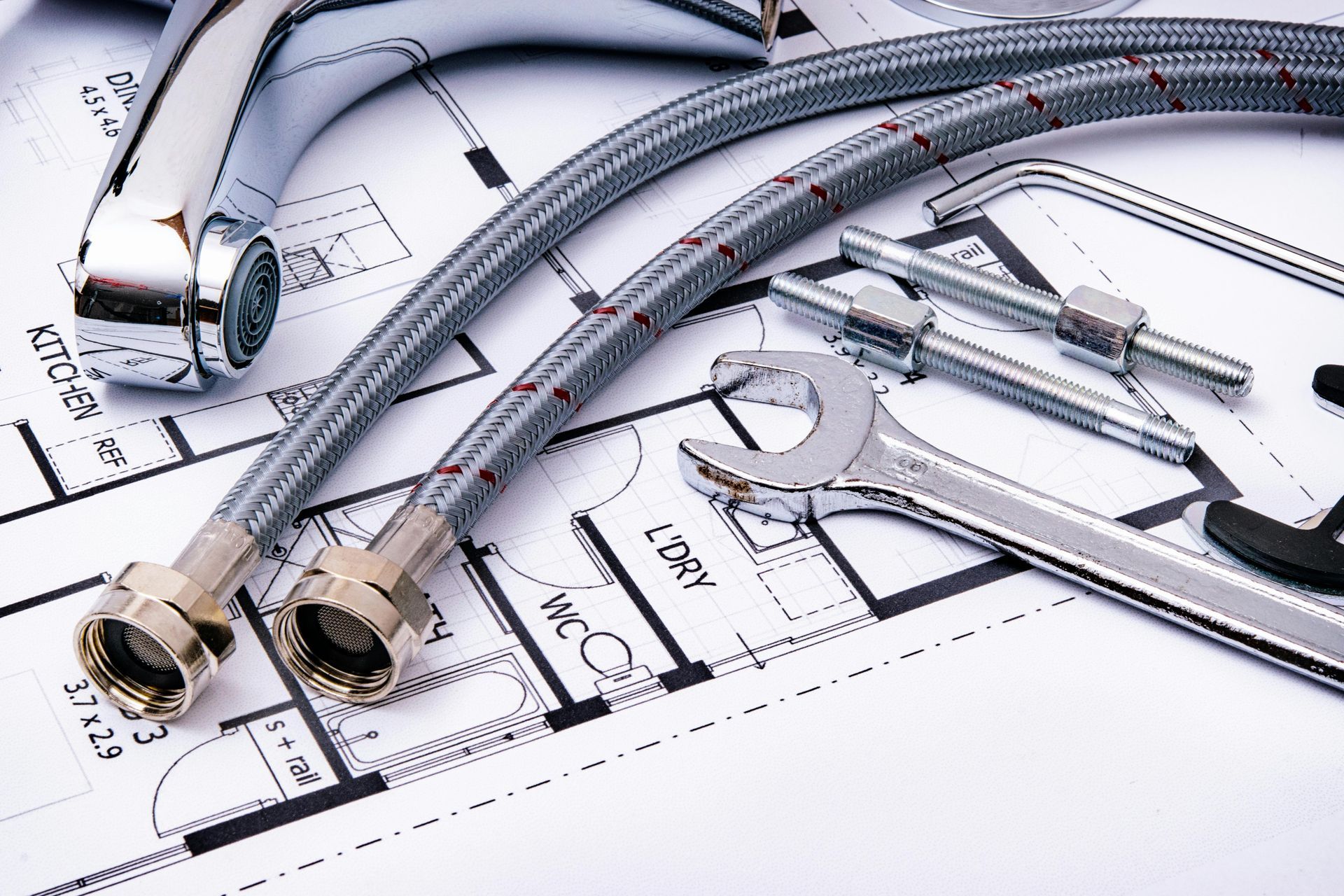
Water hammer arrestors offer the gold-standard fix, acting as air cushions to absorb shocks. These piston or diaphragm devices install on hot and cold lines near noisy fixtures, typically under sinks or at shower valves. Choose sized models—1/2-inch for showers, 3/4-inch for mains—precharged to system pressure.
Cut pipe sections, solder or crimp arrestors inline, ensuring vertical orientation for air pocket formation. Miniature versions fit inside faucets for quick retrofits. Test post-install by cycling fixtures vigorously; silence confirms success.
Pressure Regulation and Pipe Management
A pressure-reducing valve (PRV) at the main inlet caps surges at source, adjustable to 60-70 PSI. Install with a bypass for monitoring, and pair with a gauge tee. Secure loose pipes with insulated straps every six feet, isolating vibrations from studs.
Upgrade to PEX or CPVC for inherent flexibility, routing away from joists. Slow-close valves in toilets and faucets temper shutoffs, mimicking soft landings.
Routine Maintenance to Minimize Risks
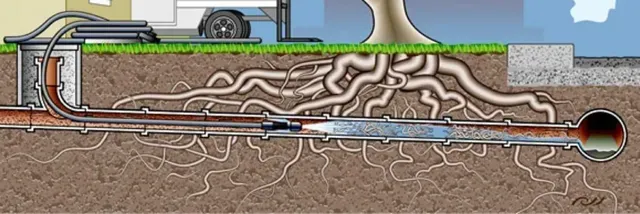
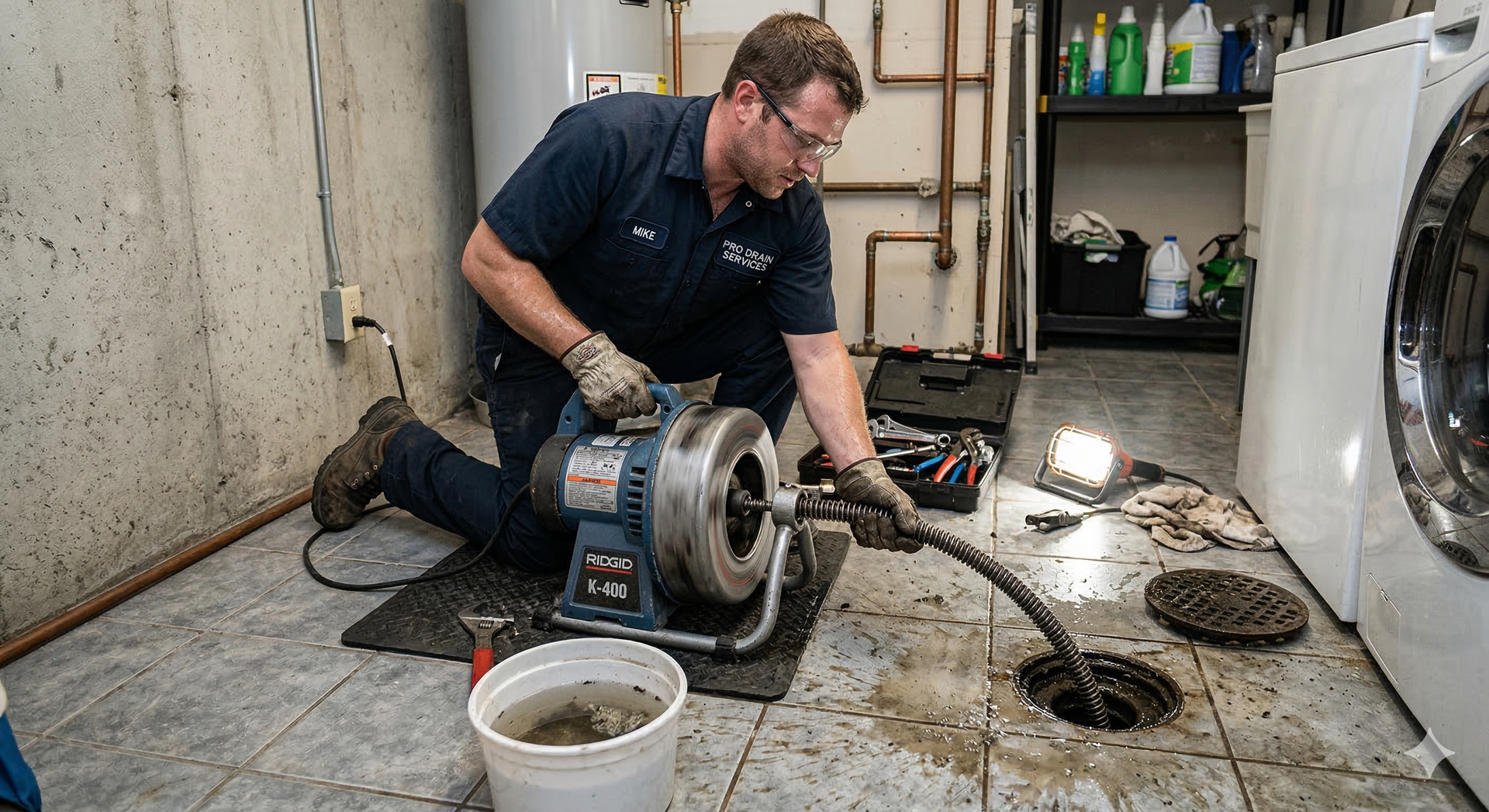
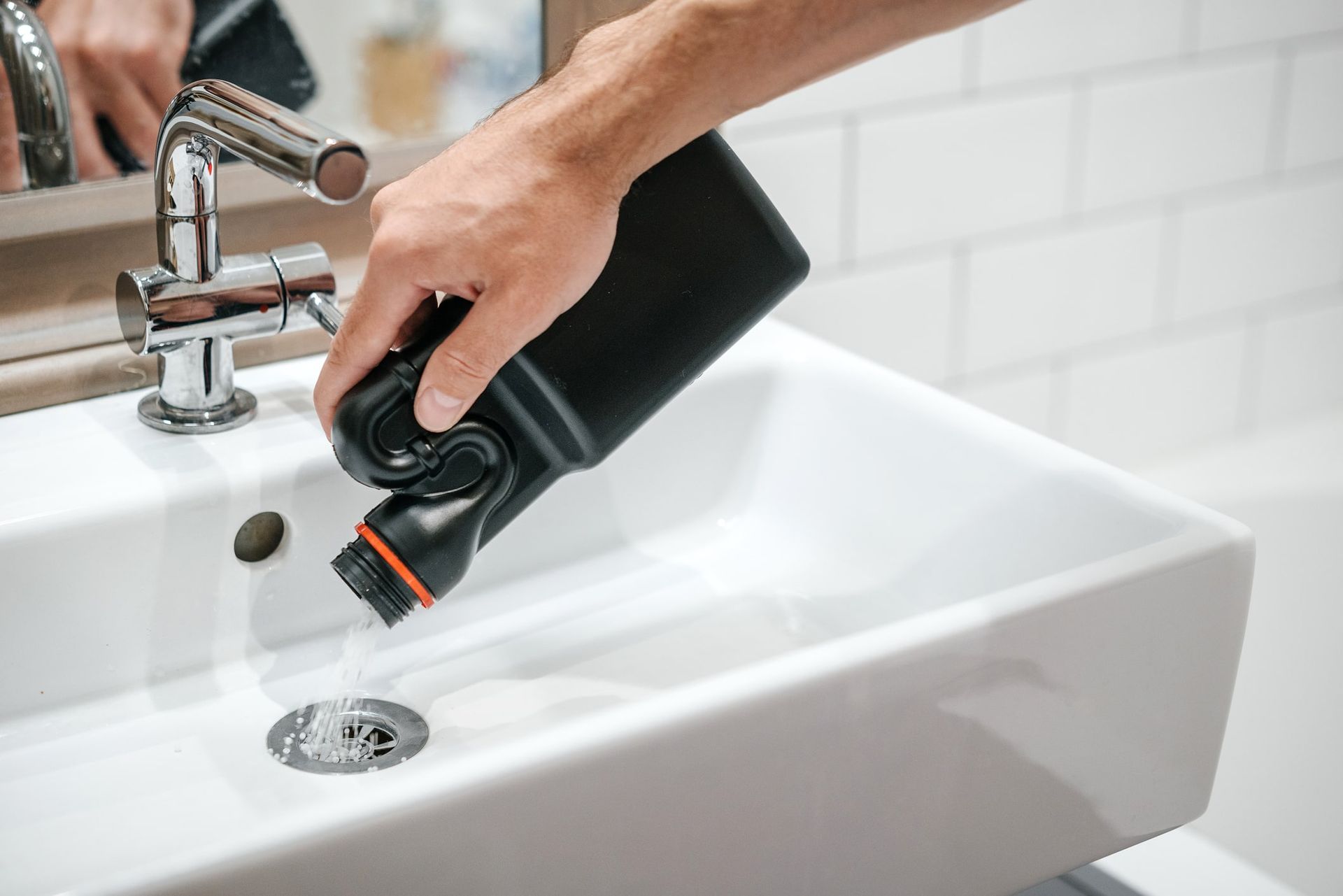
Preventive habits extend beyond installs. Drain clearing keeps lines free of debris that amplifies shocks—vinegar flushes dissolve scale quarterly. Inspect washers and seats annually, replacing worn ones to avoid erratic flows.
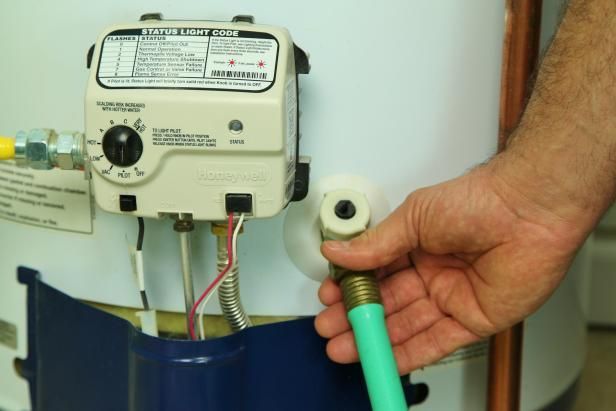
Prepare your plumbing before vacations by bleeding air from lines after shutdowns and tagging the main valve open upon return—this avoids pressure spikes from trapped gases. Softener systems in hard-water areas reduce mineral deposits stiffening pipes.
Advanced Solutions for Persistent Problems
For stubborn cases, whole-house surge protectors integrate arrestors with expansion tanks, handling thermal and hydraulic stresses. Variable-speed booster pumps maintain steady flow, eliminating velocity jumps.
Smart monitoring systems with apps alert to pressure anomalies, preempting bangs. In severe retrofits, reroute mains through soundproof loops.
Conclusion
Water hammer transforms peaceful bathrooms into noisy battlegrounds, but armed with physics insights and targeted fixes, you reclaim tranquility. From arrestor installations to pressure tweaks and vigilant maintenance, these strategies not only silence bangs but safeguard pipes against premature wear. Embrace them for a smoother, quieter plumbing symphony that endures.