Prepare Your Plumbing Before Vacation: Essential Steps
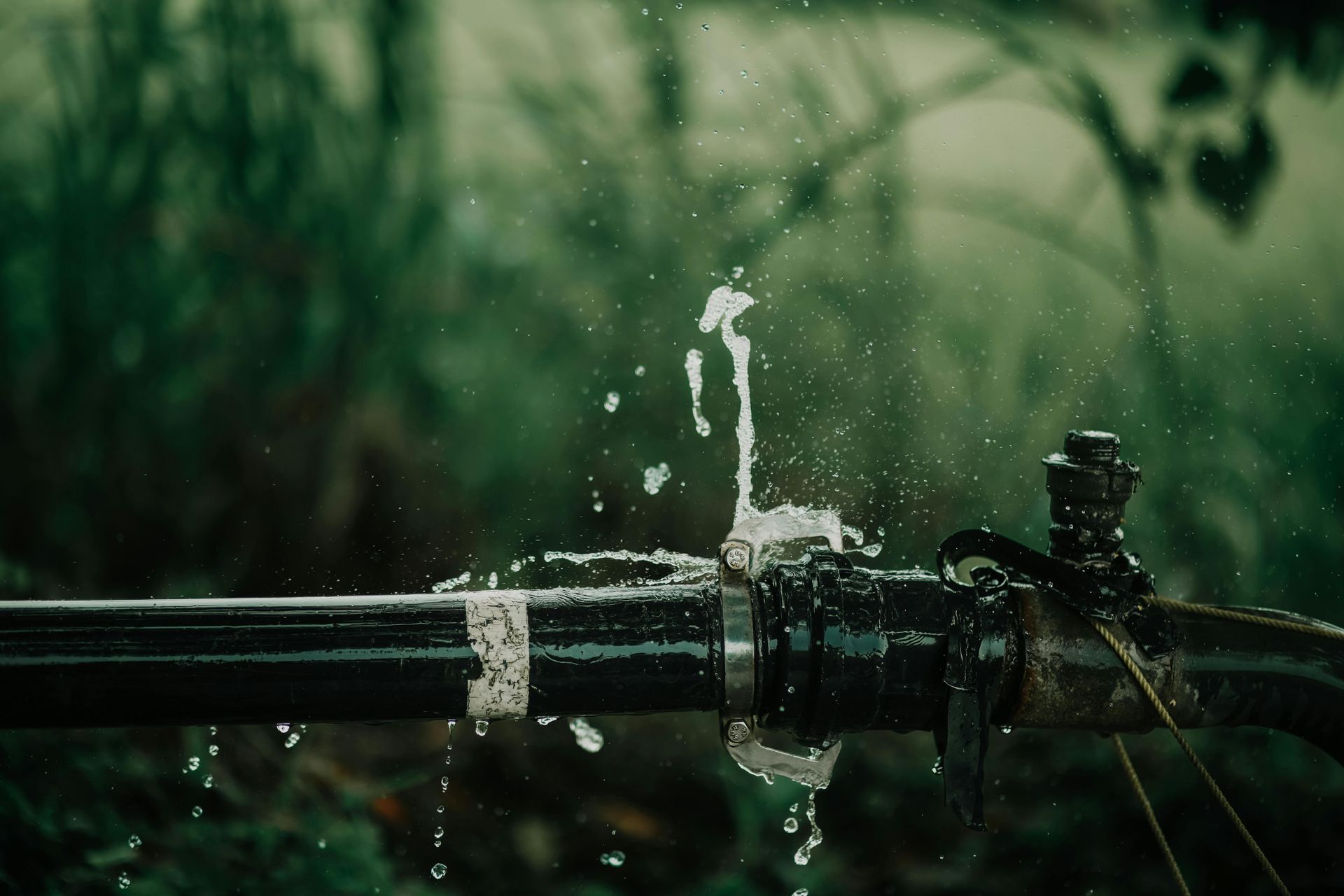
Leaving home for a vacation brings excitement and anticipation, yet it also introduces vulnerabilities that many homeowners overlook, particularly within their plumbing systems. Unattended pipes, fixtures, and appliances face heightened risks from subtle issues like slow leaks, temperature fluctuations, or pressure buildups that can escalate into catastrophic water damage during your absence. A single undetected drip from a faucet might waste hundreds of gallons and foster mold growth, while a burst pipe in freezing conditions could flood your property and incur repair costs exceeding thousands of dollars. Preparing your plumbing beforehand serves as a proactive safeguard, minimizing these threats and ensuring peace of mind as you travel. This guide outlines essential steps tailored for residential systems, drawing from decades of industry expertise to empower you with practical, effective measures that protect your investment and simplify your return.
Shutting Off the Water Supply
The cornerstone of pre-vacation plumbing preparation involves strategically shutting off your home's water supply to eliminate the primary source of potential flooding. Begin by locating your main shutoff valve, typically found near the water meter in the basement, garage, or utility room, and turn it clockwise until it stops—a process that halts flow to every fixture and appliance instantaneously. In homes with multiple zones, such as those equipped with manifold systems, identify secondary valves controlling specific areas like the second floor or outdoor lines, closing them individually to isolate risks further. This comprehensive shutdown prevents scenarios where a faulty washer valve or corroded fitting unleashes a steady stream over days or weeks.
After securing the main supply, open all faucets throughout the house—starting with the highest fixtures to facilitate complete drainage—to relieve residual pressure and expel lingering water from pipes. Flush toilets once more to empty tanks and bowls, and run showers briefly until flows cease, confirming the system has depressurized fully. For properties with water softeners or filtration units, bypass these devices or drain their reservoirs to avoid bacterial stagnation in standing water. This methodical draining not only averts leaks but also safeguards against thermal expansion, where trapped water heats and stresses joints in unmonitored homes. Homeowners who skip this step often return to swollen floors or utility bills spiked by silent wastage, underscoring the value of this foundational ritual.
Consider environmental factors in your approach: in warmer climates, residual moisture in traps can evaporate, allowing sewer gases to enter; counteract this by pouring a mixture of mineral oil and water into drains, creating a long-lasting seal that persists for weeks. Documenting valve positions with photographs aids less familiar family members or future reference, ensuring consistency in your preparation routine. By mastering water supply control, you transform a simple turn of the wrist into robust protection against the most common vacation plumbing disasters.
Inspecting Fixtures for Leaks and Wear
Thorough fixture inspections reveal hidden weaknesses that could compromise your home's integrity during extended absences, allowing preemptive fixes before they worsen. Start in the kitchen and bathrooms, where daily use accelerates wear: examine faucets for drips by placing dry paper towels beneath handles and aerators overnight, as even intermittent leaks can accumulate significant damage. Check toilet bases for moisture rings indicating failed wax seals, and test flappers by lifting tank lids to ensure they drop cleanly without sticking, which might lead to continuous refilling and overflow risks.
Extend scrutiny to showerheads and tub spigots, tightening connections and replacing worn washers prone to slippage under vibration from nearby appliances. In less obvious areas like guest bathrooms or utility sinks, verify supply line integrity—braided stainless hoses often crack after five years, so replace any showing bulges or rust with burst-resistant models rated for 100 PSI. Outdoor spigots demand special attention: winterizing involves draining hoses and insulating exposed pipes with foam sleeves if temperatures might dip below freezing, preventing splits that flood landscapes upon thawing.
This inspection process educates homeowners on their system's health, often uncovering issues like corroded shutoff valves that require immediate attention. Engaging trusted professionals, such as All City Plumbers, for a pre-trip walkthrough can provide expert eyes on subtler problems, like pinhole leaks in copper lines, ensuring nothing escapes notice. Regular vigilance during these checks fosters long-term maintenance habits, turning potential crises into minor adjustments that preserve your plumbing's reliability.
Maintaining Appliances and Connected Systems
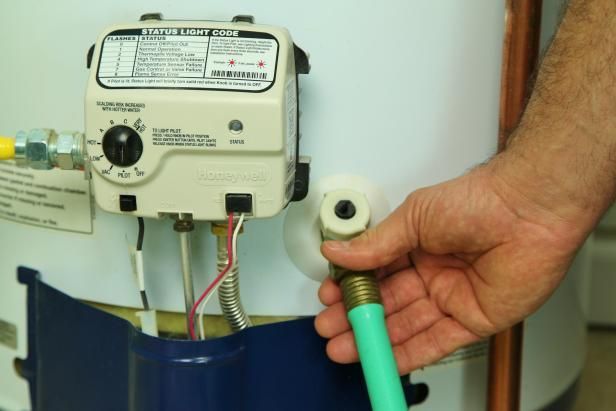
Appliances tied to your plumbing demand targeted care to prevent malfunctions that exploit unattended periods, as their internal components continue cycling without oversight. Focus on water heaters first: lower the thermostat to 120 degrees Fahrenheit to reduce scalding risks and energy draw, then inspect the pressure relief valve by lifting its lever briefly to discharge a cup of water, confirming safe operation and draining sediment buildup through the bottom valve if accessible. For gas models, pilot lights should burn steadily—extinguish if vacating for over a month to conserve fuel and mitigate rare combustion hazards.
Washing machines and dishwashers represent high-risk nodes due to their frequent water ingress; unplug them to reset electronic controls, clean lint traps, and verify hose connections remain snug without kinks. Dishwasher maintenance proves particularly crucial—run a hot water cycle with vinegar to descale heating elements and clear food debris from filters, preventing pump seizures that flood floors during phantom starts. Ice makers in refrigerators require tray emptying and line shutoff to avoid overflow from forgotten settings.
Dryers indirectly impact plumbing through lint-clogged drains in shared laundry lines, so vacuum vents thoroughly. Smart homeowners schedule annual servicing for these systems, aligning with vacation prep to catch wear like frayed hoses. By addressing appliances systematically, you eliminate variables that turn minor glitches into major water events, securing a worry-free departure.
Addressing Drainage and Trap Protection
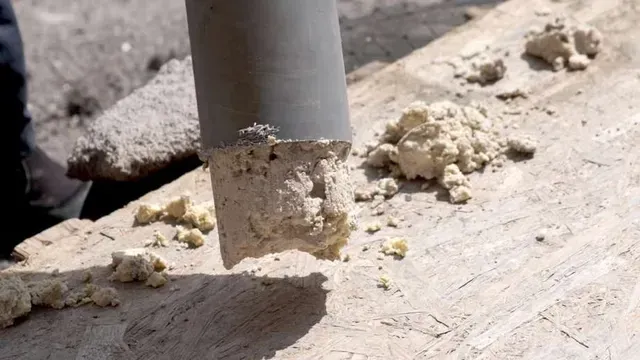
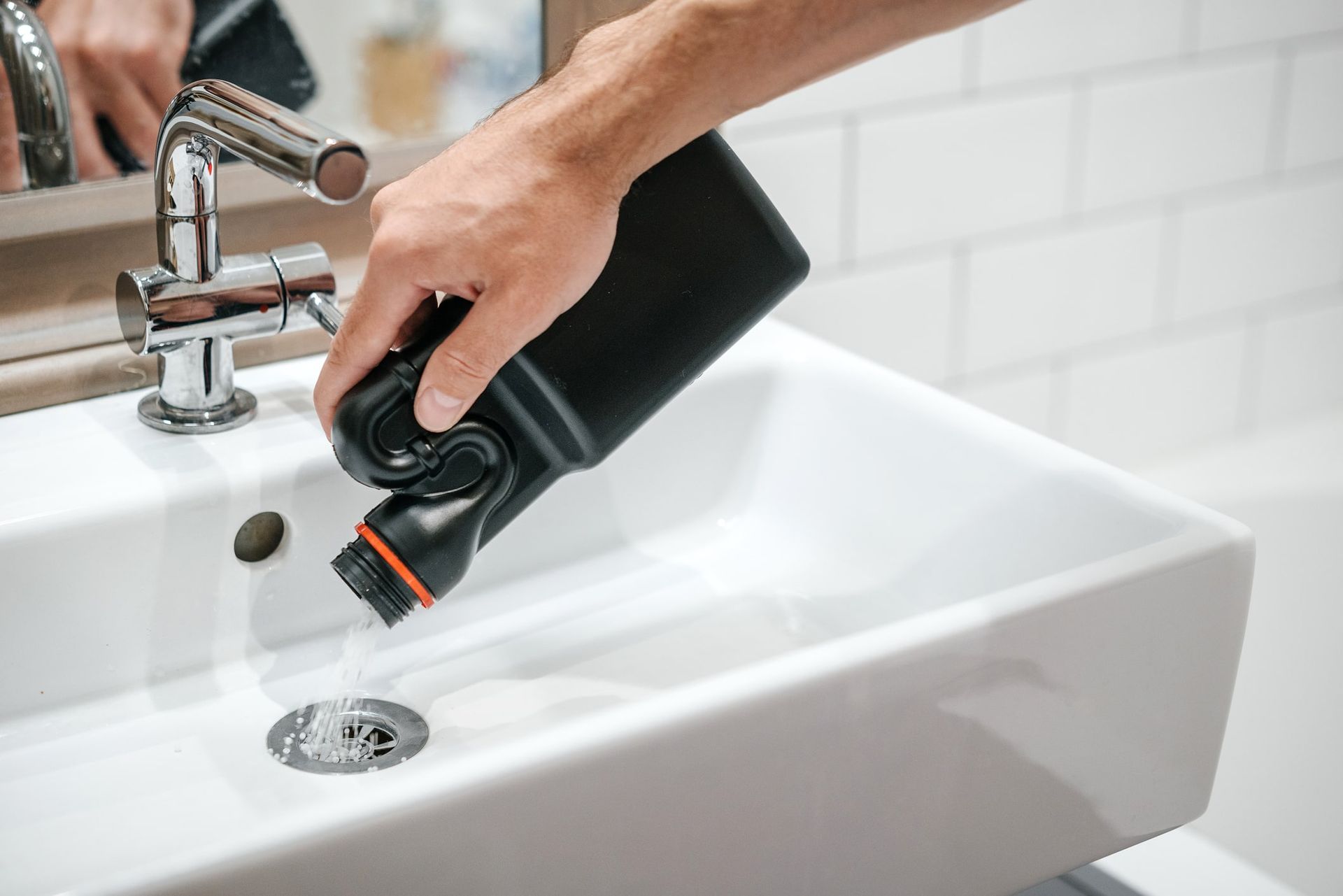
Drainage systems, often ignored until backups occur, require safeguarding against evaporation and stagnation that invite odors and blockages during prolonged vacancies. Every P-trap beneath sinks and floor drains holds a water seal blocking sewer gases; with no regular use, this evaporates within days, potentially permeating your home with methane or hydrogen sulfide. Combat this by flushing all drains with a gallon of water mixed with vegetable oil—the oil floats atop, forming a vapor barrier that endures for months without dissipating.
In basements or garages with sump pumps, test float switches and backup batteries, ensuring discharge lines extend away from foundations to prevent re-entry during storms. Grease traps in kitchen sinks benefit from enzyme treatments poured weeks ahead, dissolving organic buildup proactively. For homes on septic systems, reduce pre-trip loads by minimizing laundry and garbage disposal use, allowing fields to rest and avoiding overloads from condensation or influxes.
Outdoor drains, like those near patios, need clearing of leaves and debris to avert clogs from rain events. These measures maintain hydraulic balance, preventing gurgling backups or gas intrusions that sour home air upon return. Thoughtful drainage prep reflects deeper system awareness, averting surprises that disrupt post-vacation recovery.
Scheduling Professional Inspections and Emergency Preparedness
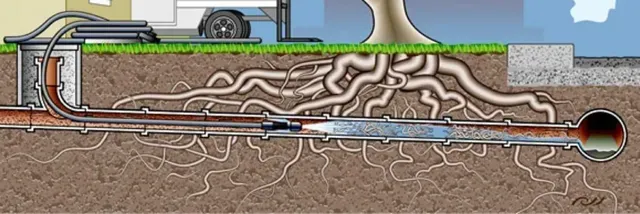
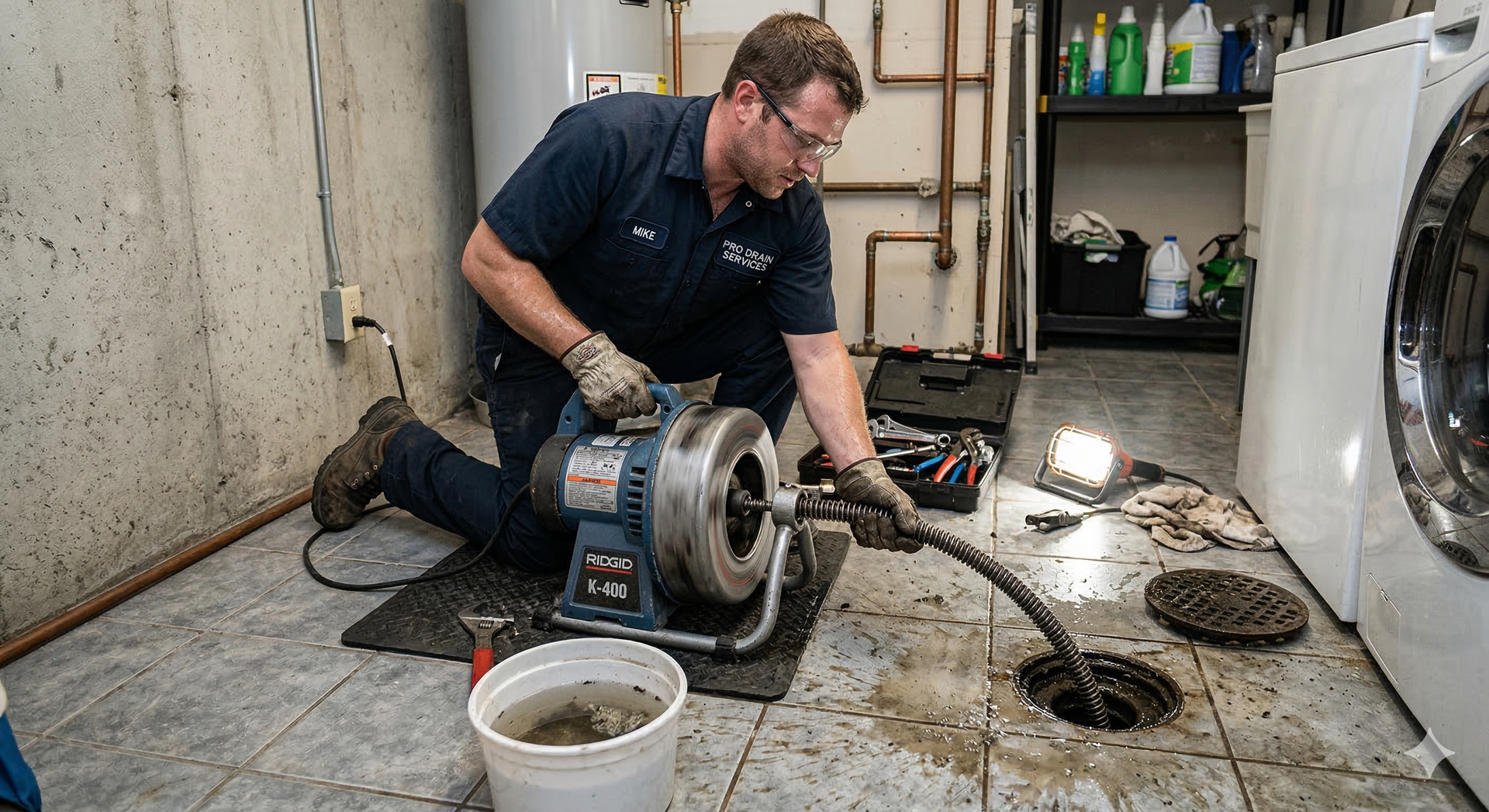
Even meticulous DIY efforts benefit from professional validation, especially for complex systems where subtle faults evade layperson detection. A pre-vacation inspection by licensed plumbers involves pressure testing lines for weaknesses, camera scoping drains for root intrusions, and thermal imaging for insulation gaps in attics or crawlspaces. These diagnostics catch issues like galvanized pipe corrosion or silent valve failures, often at a fraction of emergency repair costs.
Prepare for contingencies by documenting your setup—valve locations, appliance manuals, and recent service records—in a waterproof folder or cloud app for remote access. Notify neighbors or property managers of your absence, granting emergency services permission if floods threaten adjacent properties. Install water leak detectors with app alerts, connecting to main shutoffs for automatic isolation upon sensing moisture.
Providers specializing in residential plumbing often offer vacation checklists, blending inspections with tune-ups for comprehensive coverage. This partnership amplifies your efforts, transforming preparation into fortified assurance against unforeseen plumbing adversities.
Conclusion
Preparing your plumbing before vacation encompasses shutting off supplies, inspecting fixtures, tending appliances, protecting drains, and leveraging professional insights, collectively forming a resilient barrier against leaks, damage, and disruptions. These steps not only mitigate immediate risks but instill habits that extend system longevity, saving time and treasure in the long run. By investing a few hours upfront, you unlock true relaxation abroad, returning to a home as welcoming as you left it—professional support stands ready to elevate this process, ensuring your plumbing remains a steadfast ally through every journey.