Why Your Toilet Sweats in Summer (And How to Stop It)
Toilets sweating in summer, with condensation dripping from the tank or bowl onto the floor, signals a temperature mismatch between the toilet's cold water and the warm, humid bathroom air. This phenomenon occurs when cool water inside the tank chills the porcelain exterior below the dew point, causing airborne moisture to condense on the surface. While seemingly harmless, persistent sweating can lead to slippery floors, mold around the base, and water damage to flooring over time.
This detailed analysis explains the physics behind toilet sweating, common contributing factors, diagnostic steps, and effective remedies. Homeowners can implement straightforward fixes, while understanding when professional services like All City Plumbers provide comprehensive solutions for underlying plumbing issues.
The Science of Condensation on Toilets
Condensation forms when warm, moist air contacts a surface cooler than the air's dew point temperature. In summer, bathroom air often reaches 75–85°F with 60–80% humidity from showers, baths, and poor ventilation. Incoming toilet tank water, typically 50–65°F from municipal mains or wells, rapidly cools the porcelain tank to near that temperature.
Porcelain conducts heat efficiently, so the tank exterior drops below dew point, attracting humidity that beads and drips. Bowl sweating is less common but occurs if supply water chills the trap or outlet significantly. This process mirrors a glass of ice water sweating, scaled to fixture size.
High Humidity and Poor Ventilation Effects
Summer humidity spikes from hot outdoor air, showers generating steam, and enclosed bathrooms without adequate exhaust. Standard fans rated 50 CFM may insufficiently remove moisture, keeping relative humidity elevated. Doors closed during use trap vapor, accelerating condensation.
In humid climates, even air‑conditioned homes see spikes if bathrooms lack dedicated dehumidification. Monitoring with a hygrometer reveals levels above 60% as primary culprits, correlating directly with sweating severity.
Cold Water Supply Temperature Factors
Groundwater or treated municipal water remains consistently cool year‑round, often 10–20°F below summer indoor air. Deeper aquifers yield colder water, intensifying the delta. Tankless heaters or uninsulated lines deliver even chillier supply.
High‑usage households flush more frequently, introducing fresh cold water that sustains low tank temperatures. Low‑flow toilets retain colder water longer between uses.
Tank Insulation and Heat Transfer Issues
Uninsulated porcelain tanks transfer cold efficiently to exteriors. Aftermarket tank wraps or foam blankets add R‑value, slowing heat gain from air and reducing surface chilling. Factory‑insulated models minimize sweating inherently.
Thin tank walls or poor manufacturing exacerbate transfer. Upgrading insulation during remodels prevents recurrence.
Pipe and Flange Condensation Contributions
Sweat on the base or flange often stems from uninsulated supply lines chilling the floor or wax ring area. Cold pipes against warm tiles create localized dew points. Insulating exposed lines with foam sleeves mitigates this.
Loose flanges or failed wax rings allow tank water to contact flooring, worsening moisture. Properly use thread sealing tape for leak‑free pipe joints during repairs, wrapping supply stubs clockwise to prevent drips feeding condensation.
Diagnostic Steps to Confirm Causes
Visual inspection reveals sweating patterns: tank‑only points to internal cooling, base sweating suggests flange issues. Feel tank exterior temperature and compare to room air. Hygrometer confirms high humidity.
Flush and time temperature equilibration; prolonged coldness indicates low usage or cold supply. Moisture meter on flooring detects hidden dampness from leaks mimicking sweat.
Simple Fixes: Tank Insulation Kits
DIY tank wraps slip over exteriors, secured with straps. Neoprene or foam‑backed blankets rated R‑4 to R‑6 insulate effectively, costing $20–$50. Clean tank first, apply during low‑use periods, and monitor reduction in sweating.
Kits include base pads preventing floor condensation. Reapply every 3–5 years as adhesives degrade.
Improving Bathroom Ventilation and Humidity Control
Upgrade to 80–110 CFM humidity‑sensing fans that activate above 60% RH, ducted outside. Bathroom dehumidifiers maintain 40–50% levels continuously. Ceiling fans circulate air, aiding evaporation.
Seal gaps around fixtures and doors to contain shower steam, directing it to exhaust.
Adjusting Water Heater Setpoints Carefully
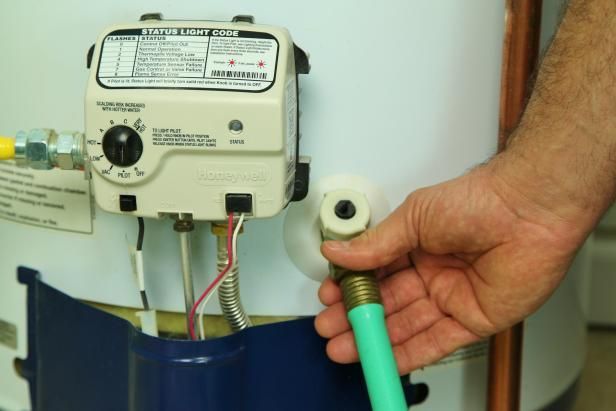
Raising heater temperature to 130–140°F warms supply slightly without scalding risk (mixing valves temper delivery). Balance against legionella growth above 120°F. Insulate heater outlet pipes to retain heat en route.
Addressing Flange and Base Moisture
Re‑seat wax rings if base sweating persists, checking for flange height issues. Anti‑sweat pads or drip trays collect condensation safely. In basements, integrate sump pump repair to manage any overflow from collected moisture.
All City Plumbers assesses tank sweating alongside broader systems, identifying leaks or venting problems contributing to humidity.
Advanced Solutions for Persistent Issues
Whole‑house dehumidifiers or HRV systems control ambient moisture comprehensively. PEX piping insulates better than copper, reducing line chilling. Tank liners or new low‑mass toilets minimize cold water retention.
Health and Safety Monitoring
Condensation fosters mold if unchecked; monitor air quality and clean regularly. Slippery floors pose slip risks; mats absorb drips.
When to Consult Professionals
Recurring sweating with odors, discoloration, or floor damage signals leaks needing experts. All City Plumbers diagnoses hidden flange failures or venting issues efficiently.
Conclusion
Toilet sweating in summer arises from cold tank water chilling porcelain below dew point amid high humidity, but insulation, ventilation upgrades, and supply adjustments resolve it effectively. Targeted fixes like wraps and fans prevent slips, mold, and damage economically. Integrating with maintenance like sump pump repair sustains dry bathrooms, while pros like All City Plumbers tackle complexities. Proactive measures ensure comfortable, safe fixtures year‑round.