How to Effectively Troubleshoot Lukewarm Shower Water?
Few household inconveniences feel as frustrating as stepping into a shower expecting hot water and being met instead with a weak, lukewarm trickle. Lukewarm shower water can stem from issues deep inside the water heater, within the plumbing near the bathroom, or even inside the shower valve itself. To address it effectively, it helps to treat the problem in layers: first confirming whether the issue is system‑wide or localized, then narrowing in on likely mechanical or design causes. This article takes a detailed, step‑by‑step approach to troubleshooting lukewarm shower water, blending practical homeowner checks with insight into when it is time to call a professional service such as All City Plumbers or appropriate emergency services.
Confirming Whether the Issue Is Only in the Shower
Before diving into hardware, it is important to determine whether the lukewarm condition affects only your shower or the entire home’s hot‑water supply. Open several hot‑water taps—kitchen sink, bathroom sink, laundry—while keeping the shower off, and note both temperature and recovery time after the heater has had a chance to run. If every tap delivers consistently tepid or only slightly warm water, the root of the problem almost certainly lies with the water heater or a shared piping concern. When all taps are hot but the shower remains lukewarm, the issue localizes to the shower valve, mixing mechanism, or the branch line feeding the showerhead. This initial triage helps decide whether your troubleshooting should focus on the heater tank, controls, or the shower assembly.
If the general hot‑water system feels comfortable but the shower does not improve when you set the handle fully to hot, a high probability exists that the shower’s internal mixing valve or anti‑scald device has shifted or degraded. In that context, the lukewarm water is not a failure of the heater itself, but a limitation imposed by a safety‑oriented valve that no longer allows enough hot water into the stream. Marking this line clearly saves you from unnecessarily draining or adjusting a perfectly functional water heater before you examine the more likely culprit closer to the shower.
Checking Water Heater Temperature and Thermostat Settings
For many homes, lukewarm shower water is simply a symptom of a thermostat set too low or a control that has drifted out of calibration. Conventional recommendations place residential water heaters around 120 degrees Fahrenheit (49 degrees Celsius), a balance between energy efficiency, scald risk, and sufficient supply. Some homeowners mistakenly lower it to roughly 100–105 degrees for perceived safety, only to discover that by mid‑usage the tank temperature creeps down and mixes with cold water in the line to yield tepid showers. Others with older mechanical thermostats may find the dial is misaligned so that “hot” reads lower than the actual heater output or, worse, that the unit is cycling around an unintended mid‑range rather than producing robust hot water.
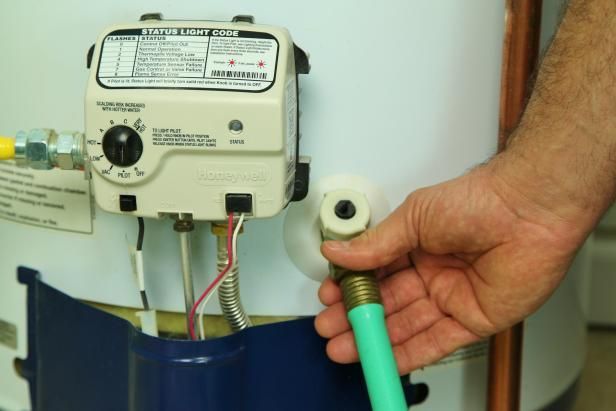
To verify this, locate the thermostat on your storage‑type water heater (electric models often cover it with a panel, while gas models expose an external dial or knob). Carefully raise the setting by 5–10 degrees and run the hot tap at a nearby source for several minutes to allow the tank to reheat. A properly functioning heater should deliver noticeably hotter water once it reaches the new target. During this test, pay attention to how quickly the temperature rebuilds after a previous hot draw; slow recovery can point not just to thermostat issues but also to internal scale buildup, a weakened heating element, or an undersized unit. If adjusting the thermostat has little or no effect on the perceived warmth, the problem likely lies deeper in the heater, the pipes, or in the shower valve system, and professional evaluation is the next logical step.
Evaluating Sediment, Scale, and Dip‑Tube Problems
Even with the correct thermostat setting, water heater performance can be undermined by internal restrictions such as sediment buildup or a compromised dip tube. Over time, dissolved minerals and particulate matter accumulate on the floor of the tank, forming an insulating layer between the burner or lower heating element and the surrounding water. This barrier means the heater must work longer and hotter to reach its target, while the delivered water still feels only lukewarm or takes an unusually long time to recover after modest usage. In many cases of poorly functioning heaters, flushing the tank to remove this sediment restores a significant portion of lost capacity and can prevent the persistent lukewarm‑water complaint.
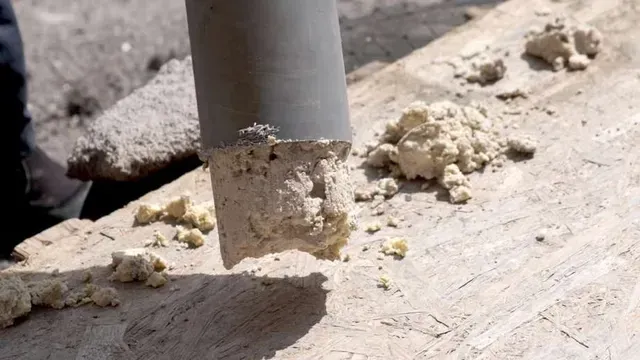
A second internal factor that can dilute perceived temperature is a damaged or disintegrated dip tube. The dip tube’s job is to route incoming cold water to the bottom of the tank, where it can be efficiently heated; when the tube breaks or cracks, that cold input can mix prematurely with hot water higher up in the tank. The result is a system that never quite feels hot enough, even though the burner may be cycling normally, and this condition often translates directly into tepid shower streams. Diagnosing dip‑tube or sediment problems usually requires either partial draining of the tank or, in more serious cases, removal of the tube itself—work that is best undertaken by an experienced technician familiar with the specific heater model.
Shower‑Valve and Mixing‑Valve Failures
If your taps produce genuinely hot water but the shower remains stubbornly lukewarm, the sands of suspicion shift toward the shower valve and any associated mixing or anti‑scald devices. Many modern shower systems incorporate thermostatic mixing valves or “scald guard” cartridges that deliberately limit the maximum mixed‑water temperature to reduce burn risk. These components sit either inside the handle mechanism or in the branch piping feeding the shower and will often limit how far the water can skew hot, especially if the cartridge has warped, shifted, or worn. A user may wonder why the handle does not deliver hotter water even when turned fully to the hot side; in that case, the limitation is engineered, not coincidental.
Adjusting the hot‑limit stop screw or repositioning the cartridge’s internal cams can sometimes restore more usable hot water without compromising safety, but doing so requires careful disassembly of the valve and confident handling of small, closely fitted parts. Improper adjustment can also inadvertently push the mixed stream into uncomfortable or even dangerous ranges, which is why cautious homeowners sometimes prefer to let a licensed plumber perform this task. Beyond deliberate limitations, simple mineral buildup or debris clogging the hot‑water inlet in the shower valve can similarly skew the blended output toward lukewarm by restricting flow on the hot side while leaving the cold‑water flow relatively unobstructed. Removing and flushing the shower cartridge, then reinstalling it with fresh seals, often resolves this kind of one‑fixture problem without touching the main water heater at all.
Why Water Heater Expansion Tanks Matter in Pressure Stability
Another layer to consider, especially in closed‑loop or pressure‑regulated plumbing systems, is how water expansion and pressure swings may affect heater and valve performance. When water is heated in a closed system—one that includes a check valve, backflow preventer, or pressure‑reducing valve on the main line—it must expand somewhere. Without a safety outlet, that expansion pushes against the tank walls, pipes, and fixtures, sometimes enough to influence how valves react when delivering blended water. Over time, repeated overpressure cycles can stress seals, joints, and internal valve components, occasionally manifesting as inconsistent temperature behavior at the shower.
This is a key reason why water heater expansion tanks matter in modern installations. An expansion tank is a small auxiliary vessel that absorbs the additional volume created by heated water, preventing the system from cycling under artificially high pressure. When expansion pressure is unmanaged, valves—including thermostatic mixing and scald‑guard units—can behave unpredictably as pressure changes accompany every tap or shower use. In such setups, seemingly minor lukewarm‑shower complaints may in fact be tied indirectly to pressure imbalances rather than pure heater or valve failure. Installing or checking an existing expansion tank can help restore stable flow conditions, which in turn improves how the shower outlet “sees” the mix of hot and cold.
Water Usage Patterns and System‑Capacity Mismatches
Sometimes lukewarm shower water has nothing to do with broken hardware and everything to do with usage intensity and heater sizing. High‑demand scenarios—simultaneous showers, dishwashing, and laundry—can quickly empty a tank‑type heater’s reservoir of hot water, leaving the final user with only tepid to cold water unless the heater has had time to refill and reheat. Even if the thermostat is correctly set and there is little sediment, the physical capacity of the unit can simply be undersized for the household’s peak‑usage pattern, causing the sensation that showers are perpetually lukewarm by the middle of the morning routine.
In homes with tankless water heaters, a different dynamic can arise. A tankless unit may comfortably heat water for a single fixture but struggle when multiple taps or showers run at once, causing the mixer valves to receive water at a lower temperature than they do under lighter load. The shower, drawing from this mixed but compromised supply, then delivers water that feels tepid instead of hot. In these situations, troubleshooting the actual shower valve will not solve the problem; instead, the home may need either a larger tankless unit, an additional heater, or a staggered use schedule that avoids stacking peak‑demand events. Recognizing that capacity mismatches can feel like mechanical failures is important when deciding whether to repair, adjust, or upgrade the system.
When to Call Professional Help or Emergency Services
Despite the usefulness of basic diagnostics, there are clear instances where calling a professional plumber or invoking emergency services becomes the wisest course of action. For example, if adjusting the thermostat yields no increase in tank temperature, or if you notice signs such as rust‑colored water, excessive sediment, or leaking around the heater, the issue likely exceeds simple home maintenance. Similarly, when a shower suddenly shifts from comfortably hot to only lukewarm and that shift coincides with visible leaks, water stains, or loud unusual noises from the heater or valves, professional intervention is strongly recommended to prevent water damage or even scalding risk.
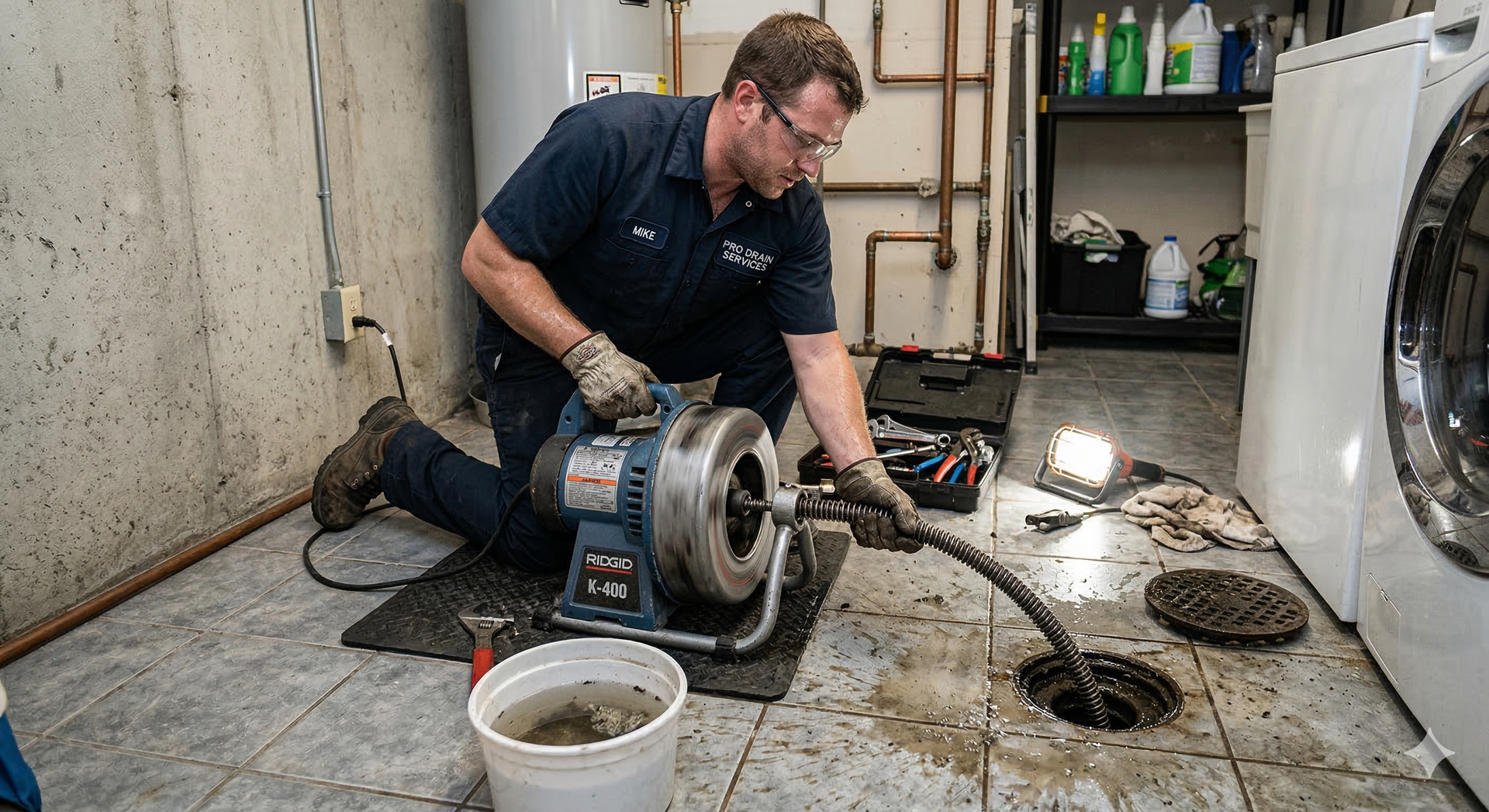
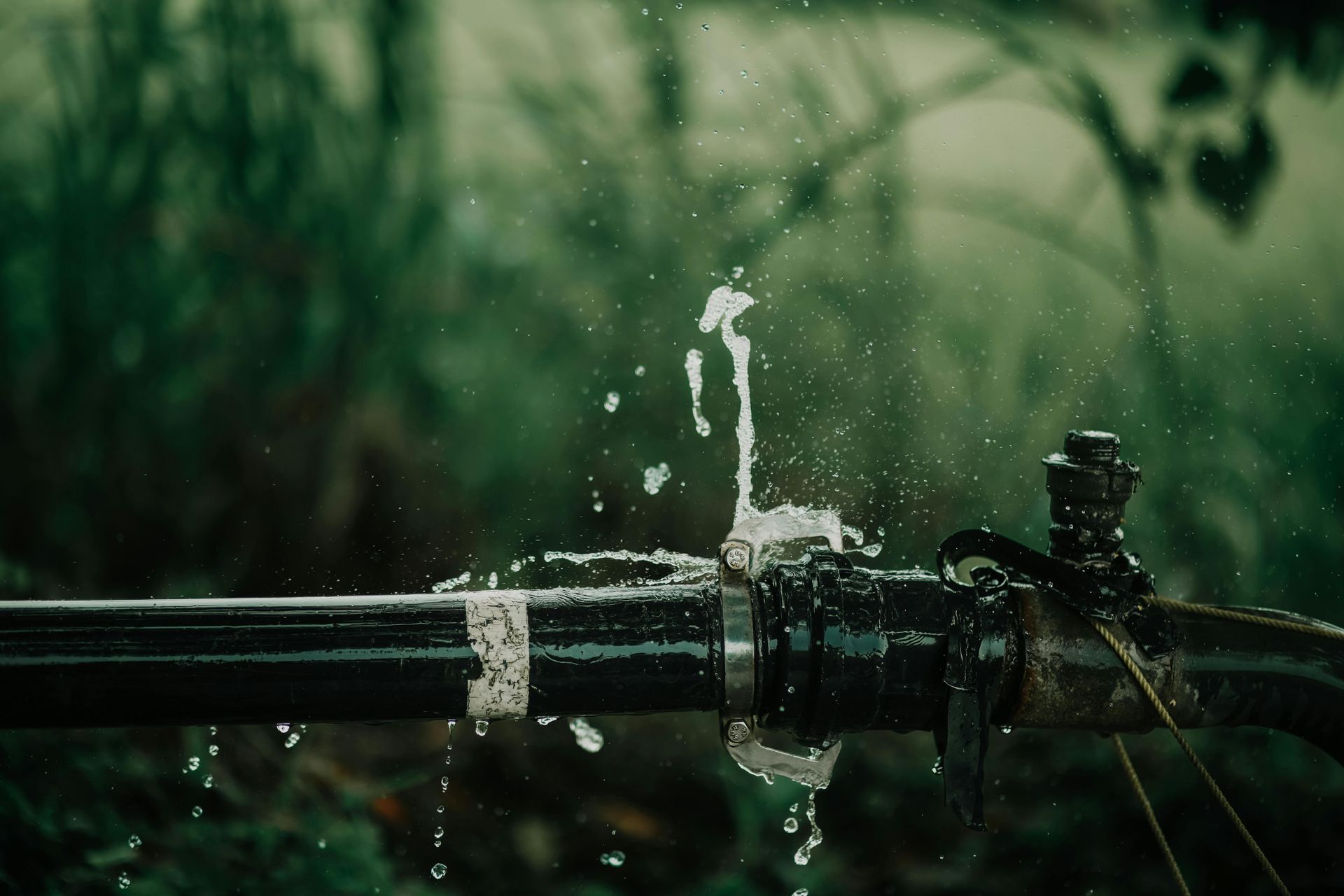
Licensed services such as All City Plumbers are equipped to inspect, pressure‑test, and safely open complex components like thermostatic mixing valves, dip tubes, and heater controls without risking further damage. They can also assess whether expansion tanks, water‑softening systems, or other pressure‑management devices are working as intended and whether a replacement heater or valve upgrade would be more cost‑effective than repeated repairs. In situations where a failed valve or burst pipe creates immediate flooding or steam‑related hazards, local emergency services or an emergency plumbing response team should be contacted to control leakage, cut power or gas, and restore safe conditions before continuing any diagnostic work.
Conclusion
Troubleshooting lukewarm shower water is rarely about a single quick fix; it is a structured process that moves from the obvious (thermostat settings and general hot‑water performance) to the more nuanced (sediment, dip tubes, valve limitations, and system‑pressure behavior). By methodically testing taps throughout the house, confirming heater temperature, inspecting for sediment or internal damage, and evaluating whether shower‑valve or expansion‑tank issues are at play, homeowners can separate simple adjustments from tasks that warrant a trained plumber. Even when the root cause lies inside the water heater or in a safety‑oriented mixing valve, understanding why water heater expansion tanks matter, or why the shower only feels lukewarm when taps elsewhere are hot, provides a clearer roadmap for deciding whether to dial in your own shower‑cartridge cam or call for professional help or, in urgent leak‑related situations, emergency services. Armed with this layered approach, most users can restore reliably warm showers while extending the life and performance of the broader hot‑water system.