Why Your Hot Water Runs Out Faster Than It Should?
Many homeowners express the same frustration: hot water that once seemed to last a small eternity now dribbles away within minutes, leaving behind a rapidly cold shower and the sense that something is wrong with the system. The experience is especially jarring when nothing visibly “broke” overnight—the water heater still fills the tank, trips the burner, and the pipes deliver water as usual. In most homes, this premature exhaustion of hot water is not magic; it is usually the result of one or more quietly accumulating mechanical issues, design limitations, or usage patterns. This article explores in detail the main reasons hot water runs out too soon, from the water heater itself to the surrounding plumbing, and explains how concepts such as proper tank sizing, waterline repair and replacement, and understanding why water heater expansion tanks matter can help you diagnose and fix the loss of your once‑seemingly‑endless supply.
Confirming Whether the Issue Is System‑Wide or Local
Before assuming your water heater has suddenly shrunk in capability, it helps to determine whether the problem affects your whole house or just a specific fixture or bathroom. Run hot water at several taps—kitchen sink, bathroom sink, tub, laundry—and note how long it takes each one to cool down once the tank has had time to heat back up. If every outlet loses hot water rapidly, the weakness likely lives in or near the heater or in a shared section of the hot‑water distribution loop. If, however, the kitchen and other sinks still enjoy robust hot water while only showers run cold quickly, the issue may be confined to that bathroom’s branch piping, mixing valve, or shower valve cartridge rather than the appliance itself. This distinction is important because it determines the scope of whatever plumbing work you may need, whether that is a simple cartridge replacement, waterline repair and replacement on a restricted leg of pipe, or a more involved heater‑side intervention such as sediment removal or element testing. Establishing the pattern early prevents unnecessary drain‑and‑flush work on a perfectly capable tank when the real bottleneck lies closer to the showerhead.
Water Heater Capacity, Age, and Sizing Issues
One of the most common, yet underappreciated, reasons that hot water runs out faster than it should is inadequate or mismatched capacity. The water heater’s rated gallon capacity (usually 30–80 gallons for tank‑style systems) is engineered to respond to a certain hot‑water demand profile. If a home adds occupants, multiple high‑flow showerheads, or new appliances such as dishwashers or washing machines, that demand can outstrip the heater’s ability to keep up, even if the unit itself is mechanically sound. A heater that was adequate for two people with standard fixtures may struggle under the new pattern of simultaneous or back‑to‑back showers, dishwashing, and laundry, and the symptom of that mismatch is hot water that turns tepid earlier than expected. In such homes, the basic physics of heat storage and demand outweigh any single mechanical fault; the heater is working correctly, but it simply cannot store or replace hot water fast enough for modern usage.
Age also plays a subtle but powerful role. As a storage tank ages, efficiency naturally declines. Internal linings erode slightly, sediment settles on the bottom, and small but persistent scale buildups reduce the effective volume by partially insulating the heating element or burner from the surrounding water. That means the same‑sized heater delivers less usable heat over time, even though the outside shell still looks intact. Homeowners often dismiss minor drops in performance until one day the tank simply cannot maintain comfortable temperatures through more than one or two quick showers. Recognizing that capacity is not only about original size but also about degradation over the years is an essential step toward deciding whether a modest retrofit, such as adding a supplemental tank, or a full replacement is the right solution.
Sediment Buildup and Internal Scale Problems
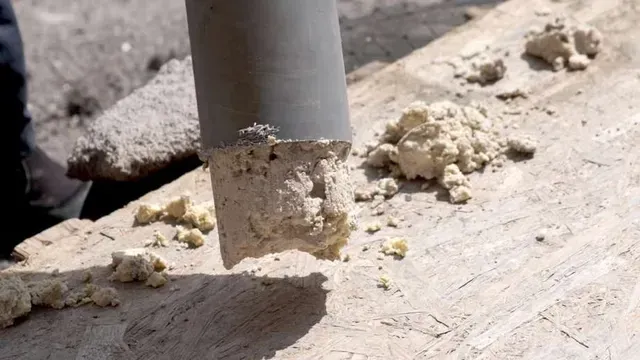
Over months or years of regular operation, dissolved minerals such as calcium and magnesium gradually separate from the water and settle at the bottom of the tank, forming a thick layer of sediment. This sludge insulates the lower portion of the tank from the burner or the bottom heating element, effectively reducing the amount of water that receives efficient heating. Instead of warming a full column of liquid, energy must first punch through this blanket, which both slows recovery time and makes the hot‑water supply feel smaller than the tank’s nominal capacity. In homes with hard water, the rate of sediment formation accelerates, and without regular tank flushing, the usable volume can shrink noticeably inside of a few years. This internal erosion is why homeowners sometimes report that their 50‑gallon heater “feels like” a 20‑gallon unit during busy mornings.
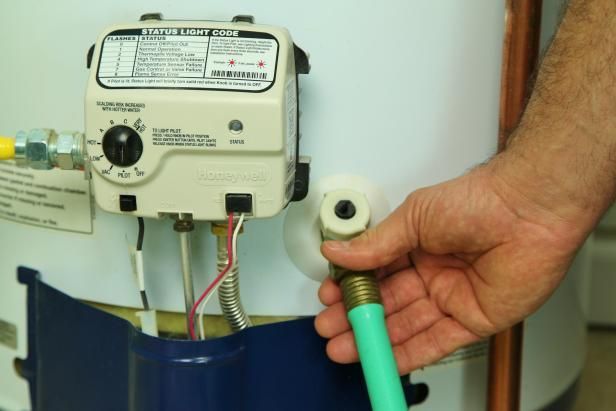
In addition to sediment, internal scale and mineral deposits often coat heating elements or surround them densely, further limiting their ability to transfer heat. Electric tanks, in particular, suffer when calcified crust builds around the exposed elements, because those components rely on direct contact with water to function efficiently. Gas tanks can experience similar slowdowns when scale deposits around the burner base or the dip tube interfere with proper flow and distribution. These hidden layers often do not show up during casual inspection, which makes them a frequent culprit in stories of mysteriously short‑lived hot water. The good news is that many of these conditions are at least partially reversible with a thorough annual tank flush and occasional descaling procedures, either performed by a homeowner or, in more advanced cases, by a professional from a local plumbing service such as All City Plumbers familiar with your specific heater style and local water quality. In worst‑case scenarios, inert scale may necessitate element replacement or, eventually, a new appliance.
Thermostat, Mixing Valve, and Anti‑Scald Adjustments
Another source of unexpectedly short‑lasting hot water lies not in the tank itself but in how the water is regulated before it reaches the tap. Modern homes are increasingly equipped with thermostatic mixing valves and anti‑scald cartridges designed to limit maximum outlet temperature and prevent accidental burns, especially in bathrooms. These devices work by deliberately restricting the flow or proportion of hot water available at fixtures such as showers and bathtubs. If the hot‑water stop on such a cartridge is adjusted too conservatively, or if the internal cam has shifted with age, users may receive a stream that blends a higher ratio of cold to hot than the home actually needs, making hot water seem to run out faster even though the tank still contains plenty of truly hot liquid. A user might appreciate warmer water but finds the handle barely moves into the heating zone, an apparent design limitation rather than a heater failure.
Adjusting the hot‑limit screw or repositioning the internal cartridge can often restore a more practical mix without compromising safety. However, doing this incorrectly can elevate the output beyond comfortable or safe ranges, so many homeowners prefer to have a qualified technician perform such tuning. Equally subtle is the condition of check valves or metering components that serve the heater inlet; if these parts are worn or partially seized, they may throttle incoming cold water unevenly, starving the tank of efficient recovery during heavy use. In older systems or homes undergoing refits, the addition or repositioning of such valves may interact with other plumbing modifications, influencing how the water heater appears to respond to usage. Treating thermostatic and mixing‑valve calibration as part of an annual inspection allows you to catch these often‑overlooked flow limitations before they permanently shorten the usable hot‑water window.
Pressure Imbalances and Why Water Heater Expansion Tanks Matter
A more abstract but influential factor in how long hot water lasts is the pressure balance between hot and cold lines, and how expansion of heated water affects the entire plumbing network. When water is heated in a closed system—one that includes a backflow preventer or check valve on the main cold line—it expands slightly in volume, and that extra water must go somewhere. Without an expansion outlet, that thermal expansion pushes back against the tank walls and into the pipes, occasionally creating pressure inconsistencies that influence how water flows from fixtures. Some users report that hot water seems to recover more slowly or feel weaker after heavy usage, especially when multiple fixtures are running near peak heater cycling.
This is a key reason why water heater expansion tanks matter in many residential setups. An expansion tank, typically mounted on the cold‑water inlet to the heater, acts as a small reservoir that absorbs the extra volume created by heat. As water expands, it flows into the expansion tank rather than repeatedly stressing the tank lining, joints, and valves. The resulting pressure stabilization helps maintain more predictable flow patterns and protects the heater and piping system from the wear that can subtly shorten hot‑water availability over years. In homes where expansion tanks are missing or have failed, pressure spikes or drops may contribute to inconsistent temperature behavior, especially when usage or demand patterns change. Ensuring that an expansion tank is present, properly charged, and free of bladders or corrosion can, in some cases, noticeably restore a sense of more reliable or “longer‑lasting” hot water by smoothing the system’s overall hydraulic behavior.
Water Usage Patterns, Flow Rates, and Demand Spikes
Sometimes, the perception that hot water runs out faster than it should arises not from mechanical failure but from changes in how the household uses it. Installing high‑flow showerheads, multiple rainfall showers, whirlpool tubs, or rapid‑heating dishwashers can dramatically increase hot‑water draw per minute. A once‑modest shower that used a few gallons per minute may become a hot‑water guzzler drawing twice or more that amount, especially in designs that blend large volumes of water with minimal time-per‑stream. Similarly, scheduling several hot‑water‑intensive appliances—laundry, dishwashing, and multiple showers—to run in tandem can fully exhaust even a properly sized and functioning tank before the next person steps into the bathroom. The symptom is the same as a failing heater: rapidly cold water—but the root cause is timing and intensity of demand rather than hardware wear.
Adjusting usage patterns is often an overlooked but effective remedy. Staggering showers, running dishwashers and washing machines during low‑usage hours, or switching to lower‑flow showerheads can reduce draw intensity enough that the tank has time to refill and reheat between uses. In some homes, limiting peak‑time hot‑water chores or installing small booster‑type point‑of‑use heaters near problem areas can also alleviate the strain. Understanding that appliance‑mix and fixture‑style choices directly influence how fast the available hot‑water reserve is depleted helps homeowners decide whether their next step is a plumbing upgrade, a waterline repair and replacement on a bottlenecked branch, or simply a renegotiation of household routines. In aging systems where repairs are becoming more frequent, even modest behavioral shifts can extend functional life and delay the need for a full water heater replacement.
Signs That It Is Time for Repairs or Replacement
Despite best efforts at inspection and adjustment, there comes a point when the better solution is not to squeeze a few more years out of an untenable setup but to accept the need for repair or replacement. Early warning signs include persistently tepid showers despite verified adequate thermostat settings and tank flushing, rust‑colored water emerging from taps, noticeable rumbling or banging noises from the heater, or visible soaking or puddling around the base of the unit. A spike in sediment output through the drain valve, unusual smells in the hot water, or frequent tripping of temperature‑and‑pressure relief valves can also indicate that the tank’s internal condition has degraded beyond simple maintenance. When these indicators coincide with complaints about rapidly running‑out hot water, they collectively point to a system that is no longer performing reliably within safe, efficient parameters.
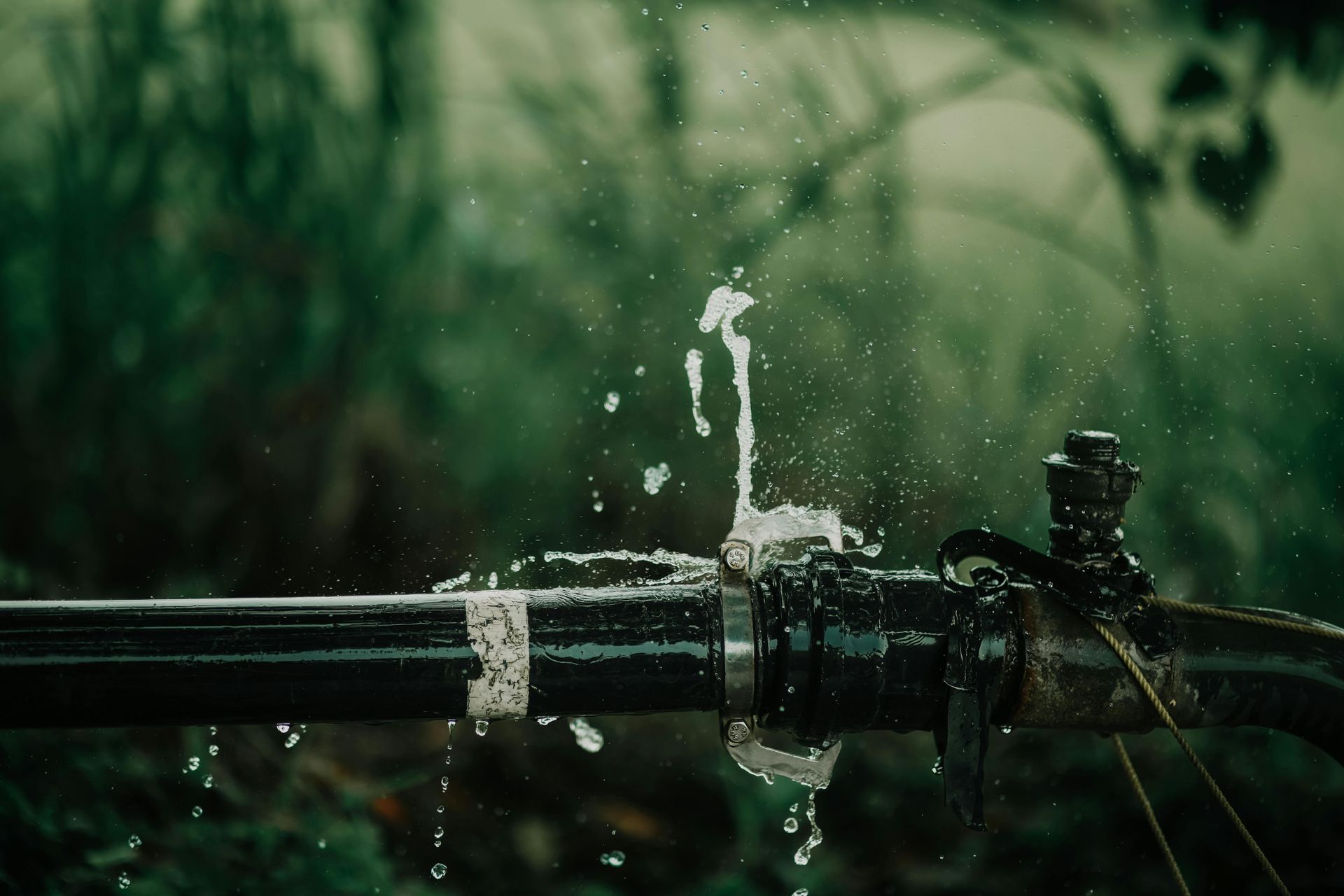
At that stage, the decision curve bends toward calling a licensed plumber or a specialized waterline repair and replacement team—particularly if there is evidence of pipe corrosion, slow leaks that threaten floors or walls, or inefficiencies exacerbating strain on other appliances. Services such as All City Plumbers or comparable local providers can evaluate whether the heater itself requires an overhaul or replacement, assess whether associated waterlines need updating or isolation, and confirm that expansion‑tanking and other pressure‑control measures are correctly implemented. In some situations, investing in new storage or tankless capacity, or in renovated piping infrastructure, restores not just the quantity of hot water available but its consistency and safety for years to come. It is often more economical to address the underlying system flaw than to repeatedly tolerate disappointingly short hot‑water runs.
Conclusion
Hot water that runs out faster than it should is rarely a random quirk; it is usually the natural result of layered pressures—on the tank itself, on the surrounding plumbing, and on household usage habits. Sediment, scale, capacity constraints, thermostat or valve settings, pressure‑related expansion effects, and high‑flow fixtures all interact to shape how quickly what was once an apparently endless stream of hot water turns cold. By systematically checking the water heater’s efficiency, evaluating demand profiles, considering why water heater expansion tanks matter, and using the expertise of professionals, homeowners can untangle this puzzle and extend hot‑water availability to more closely match expectations. Recognizing when it is smarter to call for waterline repair and replacement, or to consult a reputable plumbing service instead of accepting chronic tepid showers, allows you to maintain comfort, efficiency, and safety while postponing unnecessary appliance obsolescence.