How to Avoid Plumbing Failures During Extreme Weather?
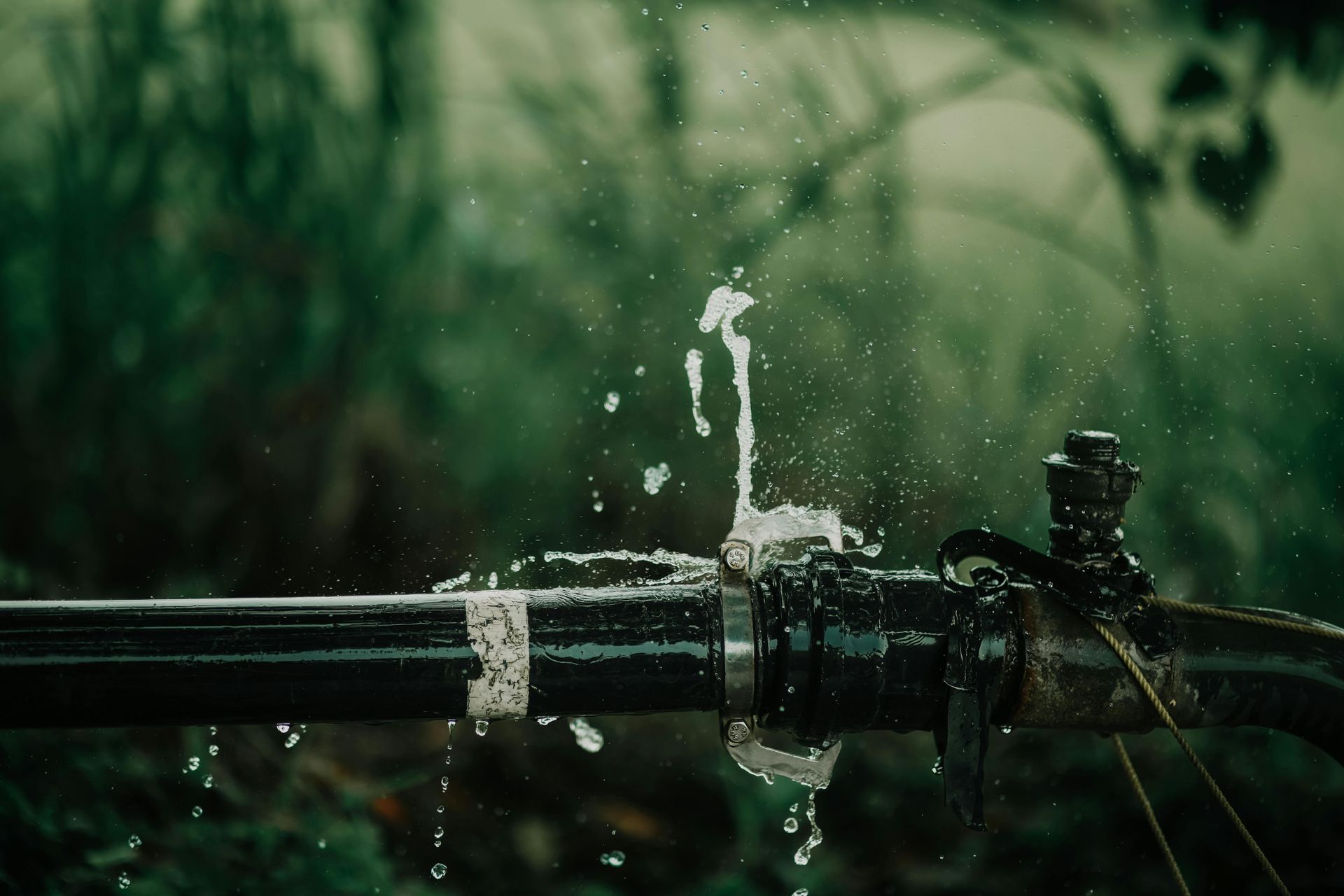
Extreme weather events, ranging from blistering summer heatwaves to bone-chilling winter freezes and violent storms, place substantial stress on residential plumbing systems. Rapid temperature fluctuations can cause pipes to expand and contract, weakening joints and increasing the likelihood of cracks or bursts, while freezing conditions can solidify water inside pipes, leading to dangerous pressure buildup. Heavy rainfall and flooding can overwhelm drainage systems, forcing water back into the home, while high winds and debris may damage exposed piping or disrupt external connections. These combined stresses can trigger cascading failures—clogged drains, ruptured lines, and compromised water pressure—that quickly escalate into costly repairs and operational disruptions.
Beyond the immediate financial impact, such failures create serious secondary hazards, including structural water damage, electrical risks, and the rapid onset of mold and mildew in damp environments. Proactively understanding how your plumbing system responds to environmental stress is essential for long-term resilience. By implementing preventive measures—such as insulating vulnerable pipes, maintaining clear drainage pathways, installing backflow preventers, and conducting seasonal inspections—homeowners can significantly reduce risk exposure. This article explores a comprehensive set of strategies grounded in proven maintenance practices and engineering principles, equipping homeowners to anticipate vulnerabilities, reinforce critical components, and maintain a stable, reliable plumbing system throughout the year.
Understanding Plumbing Vulnerabilities in Extreme Heat
High temperatures during summer heatwaves expand materials like metal pipes and plastic fittings, increasing the risk of leaks and joint failures. Water inside pipes heats up rapidly, creating pressure buildup that stresses seals and connections. In regions prone to prolonged droughts followed by sudden rains, thermal expansion can exacerbate issues in older systems with galvanized steel or PVC pipes, which are less forgiving under duress.
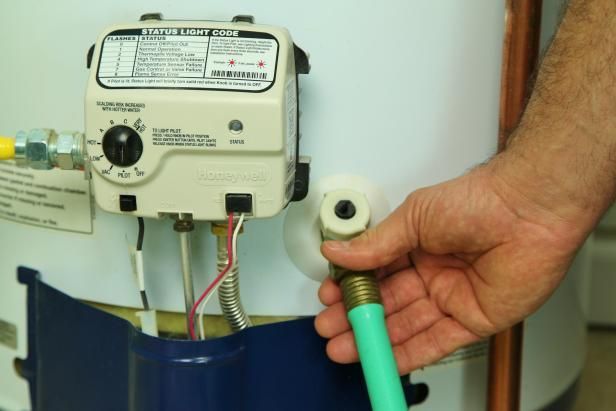
To mitigate these risks, start by insulating exposed pipes in attics, crawl spaces, and exterior walls with foam sleeves or heat-resistant tape. This prevents rapid temperature fluctuations that cause expansion and contraction cycles. Regularly inspect your water heater, as extreme heat accelerates sediment buildup, reducing efficiency and risking overheating. Drain and flush the tank annually, or more frequently in hot climates, to remove mineral deposits. Additionally, monitor for signs of stress like dripping faucets or bulging pipes, and consider installing pressure relief valves to automatically vent excess pressure. Homeowners who adopt these habits often report fewer summer service calls, preserving both their plumbing integrity and budgets.
Preventing Freezes and Bursts in Winter Cold Snaps
Winter brings its own set of challenges, where plummeting temperatures turn water into ice, expanding with enough force to rupture even sturdy pipes. Why plumbing failures spike during winters becomes clear when considering how frozen soil shifts foundations, exposing underground lines to subzero conditions, while indoor humidity freezes on uninsulated pipes. This seasonal surge in incidents underscores the need for vigilance, especially in areas with unpredictable cold fronts.
Preparation begins well before the first frost. Insulate all accessible pipes, particularly those in unheated garages, basements, and exterior walls, using fiberglass wraps or electric heat tapes connected to a reliable power source. For outdoor faucets, install frost-proof hose bibs that drain automatically when shut off. During cold spells, let faucets drip slightly to keep water moving and prevent ice formation—aim for a steady trickle from hot and cold lines. If a freeze occurs, shut off the main water supply immediately and thaw pipes safely with space heaters or warm towels, avoiding open flames. These measures, combined with sealing drafts around pipes with caulk or foam, dramatically reduce the likelihood of catastrophic bursts.
Safeguarding Against Storm-Induced Flooding and Pressure Surges
Storms deliver heavy rain, high winds, and flash flooding that overwhelm sewer systems and back up drains. Sudden downpours create hydrostatic pressure on underground pipes, while debris clogs storm drains, forcing water into homes through floor drains or sump pumps. Wind-driven rain can infiltrate roof vents, leading to backups that strain entire plumbing networks.
Effective prevention involves elevating critical components like water heaters and electrical panels above potential flood levels, using concrete blocks or platforms. Install backflow prevention valves on sewer lines to stop contaminated water from reversing into your home. Regularly clean gutters, downspouts, and roof drains to ensure rapid water runoff, and consider sump pumps with battery backups for power outages. In high-risk areas, backwater valves on main drains provide an extra layer of protection. Testing these systems biannually ensures they function when needed most. By addressing these storm-specific threats, homeowners maintain dry, functional spaces even amid chaos.
Routine Maintenance to Build Long-Term Resilience
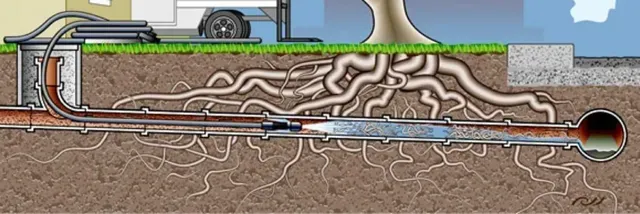
Beyond seasonal tactics, consistent upkeep forms the backbone of plumbing reliability. Extreme weather amplifies wear on aging infrastructure, so annual professional inspections reveal hidden issues like corrosion, loose fittings, or root intrusion in sewer lines before they escalate.
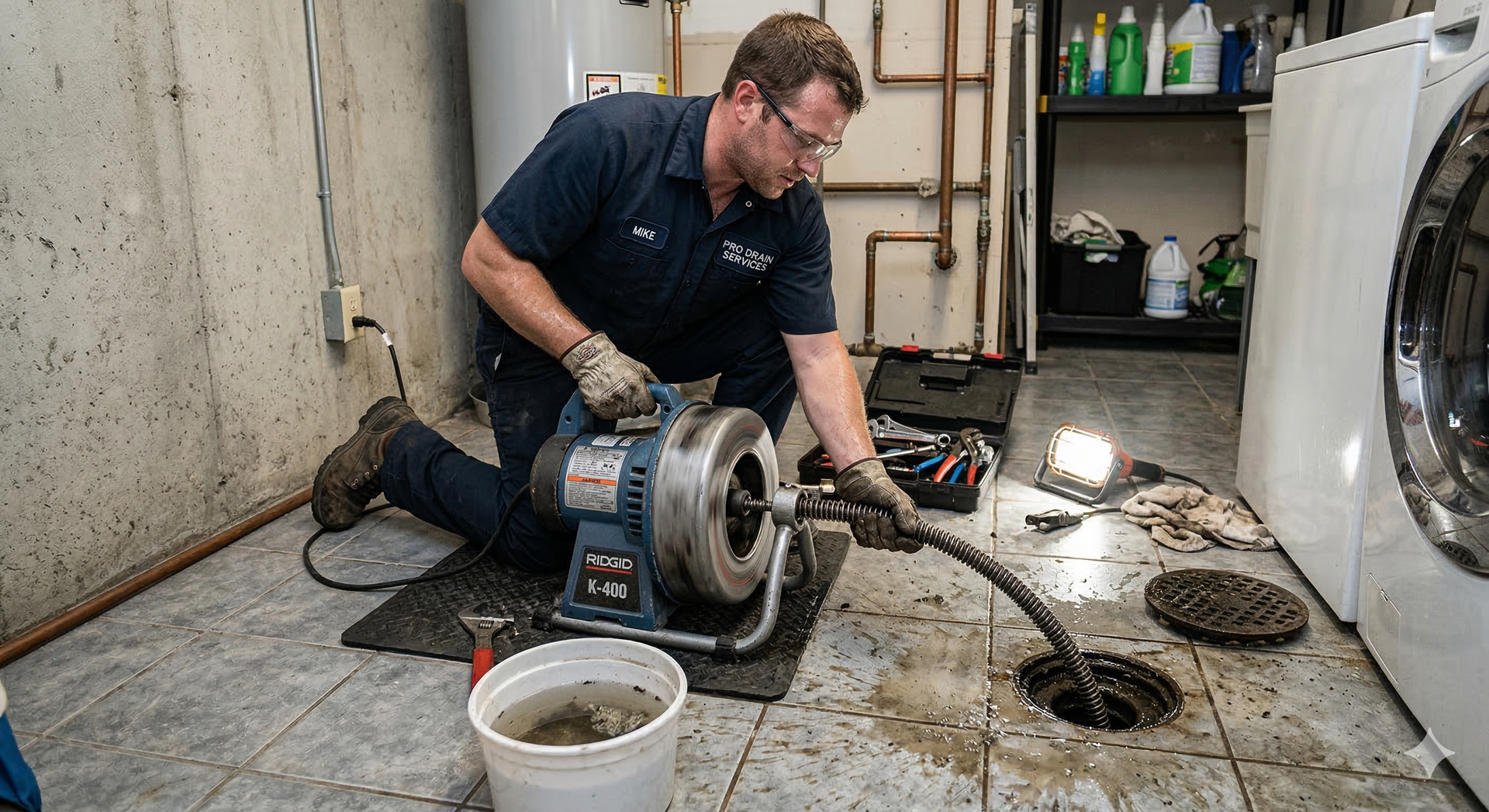
Schedule camera inspections for underground pipes every few years, especially after major weather events, to detect cracks or blockages early. Test pressure regulators to keep water flow within safe limits—typically 50-80 psi—and replace worn washers, gaskets, and O-rings proactively. For whole-house systems, consider water softeners in hard water areas to prevent scale buildup that weakens pipes under thermal stress. Educate household members on proper usage, like avoiding grease down drains and spacing out high-volume appliance use during heatwaves. These habits extend system life, minimizing disruptions from All City Plumbers or similar providers during peak crisis times.
Leveraging Professional Emergency Services for Peace of Mind
No preparation is foolproof against the unpredictability of extreme weather, which is why knowing reliable support is crucial. When failures do occur—such as a midnight pipe burst or storm-induced sewer overflow—swift intervention prevents minor issues from becoming disasters. Emergency services from trusted teams like All City Plumbers operate 24/7, equipped with advanced tools for rapid diagnostics and repairs, from hydro-jetting clogs to epoxy pipe lining.
Building a relationship with such professionals means faster response times and tailored advice based on local weather patterns. They often provide free audits to identify vulnerabilities unique to your setup, such as outdated galvanized lines prone to winter spikes. Investing in their preventative packages can include priority access during surges, ensuring your home recovers quickly. This partnership complements DIY efforts, offering expertise that turns potential catastrophes into manageable fixes.
Smart Technology and Innovations for Modern Protection
Advancements in smart home tech now empower proactive defense. Wi-Fi enabled leak detectors placed near water heaters, under sinks, and along main lines send instant alerts to your phone if moisture is detected, allowing immediate shutoff via app-controlled valves.
Automated systems like Flo by Moen monitor flow rates and pressure in real-time, shutting off water during anomalies caused by freezes or surges. Pair these with weather-integrated apps that predict storms and prompt preemptive actions, such as draining outdoor lines. Solar-powered heat trace cables provide reliable pipe warming without grid dependency during outages. While initial costs vary, these tools pay off through avoided damages—studies show smart detectors prevent thousands in annual claims per household. Integrating them elevates basic maintenance into a robust, hands-off shield.
Conclusion
In conclusion, avoiding plumbing failures during extreme weather demands a layered, proactive strategy that goes beyond quick fixes or last-minute precautions. Seasonal preparations—such as insulating pipes before winter or ensuring proper drainage ahead of heavy rains—form the first line of defense, while routine inspections help identify vulnerabilities before they escalate into costly breakdowns. Integrating technological aids like leak detectors, smart shut-off valves, and pressure monitoring systems adds a critical level of real-time awareness, enabling rapid response when conditions worsen. Equally important is having reliable access to emergency plumbing services, ensuring that when failures do occur, they are contained and resolved with minimal disruption.
By consistently applying these measures, homeowners shift from a reactive mindset to a resilience-driven approach, safeguarding not just their property but also the health and safety of everyone inside. The result is greater operational continuity during storms, reduced repair costs over time, and increased confidence in the face of unpredictable weather patterns. Begin with a comprehensive home audit today, address weak points methodically, and you’ll be far better equipped to withstand even the harshest environmental stresses with confidence and control.