When Emergency Repairs Turn Into Full Plumbing Replacements?
Emergency plumbing repairs often start as quick fixes for sudden crises like burst pipes or overflowing drains, but they can quickly reveal deeper systemic failures requiring complete replacement. This transition happens when initial damage exposes underlying issues such as decades-old corroded pipes, poor installation from past renovations, or cumulative wear accelerated by disasters. Homeowners face this pivot when a simple patch fails under pressure testing, signaling that band-aid solutions risk repeated failures and escalating costs. Factors like water quality—hard minerals building scale—or seismic events stressing joints push repairs over the edge. Recognizing this shift early saves money and frustration; delaying it invites water damage spreading to floors, walls, and electrical systems. Professionals assess via diagnostic tools like video scopes, revealing blockages or fractures invisible to the naked eye. The decision hinges on lifespan: galvanized steel pipes from the 1970s, for instance, rarely warrant repair past 50 years. Budget for this evolution by setting aside contingency funds, as replacements involve permits, material sourcing, and downtime. This awareness transforms panic into strategic planning.
Common Triggers in Emergency Scenarios
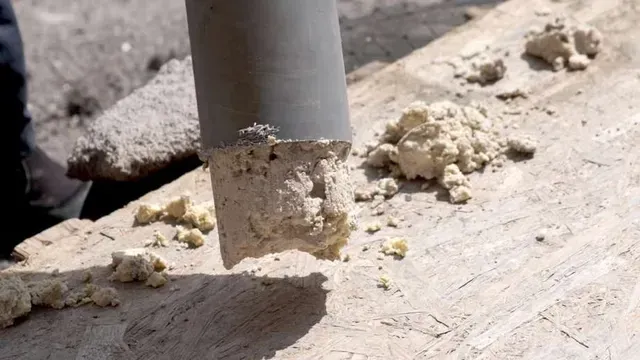
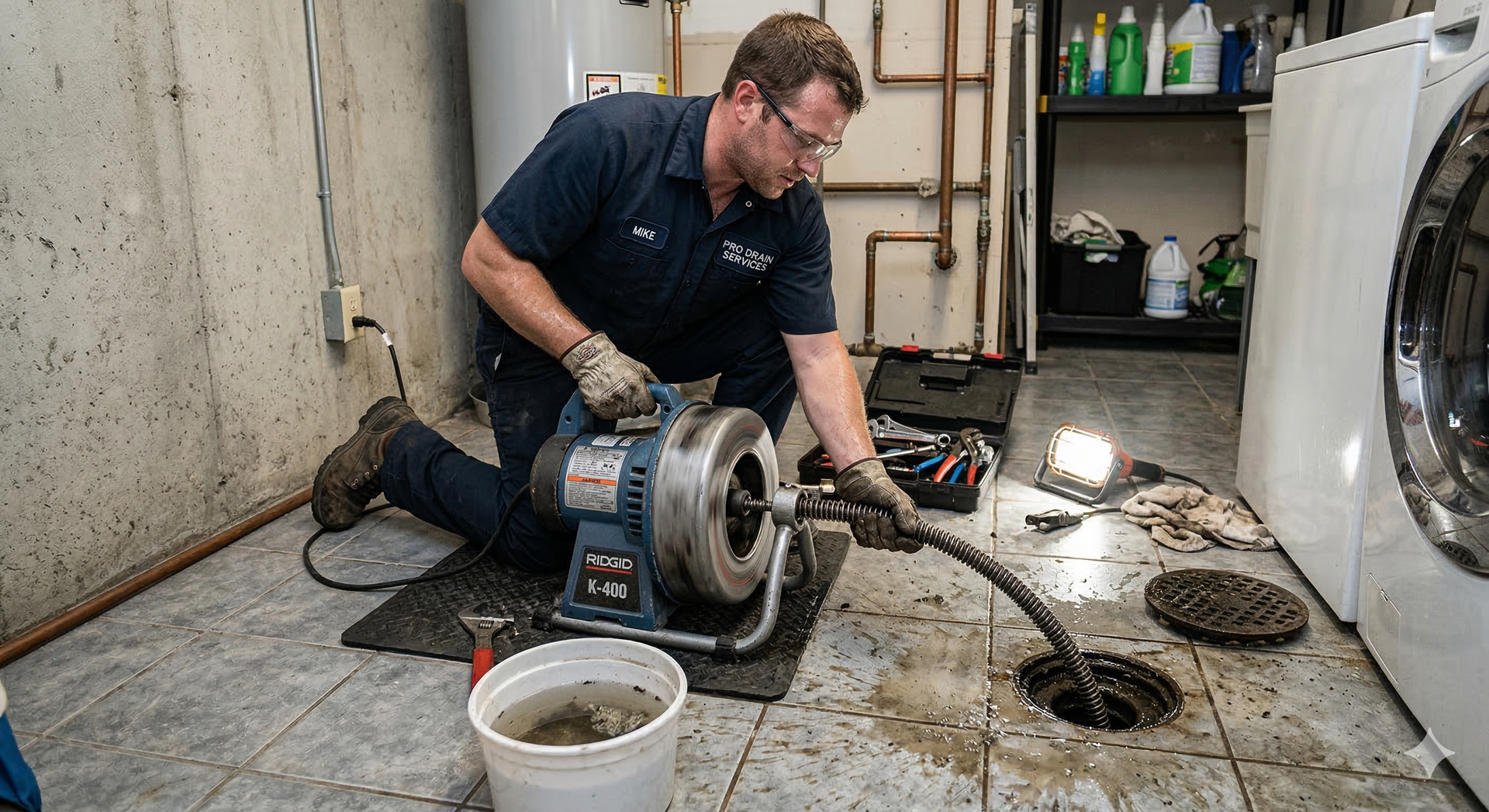
Emergencies expose plumbing vulnerabilities that tip repairs toward full overhauls, starting with high-pressure bursts from frozen lines in winter storms. A homeowner might call for a leaking faucet fix, only to find the entire copper supply line brittle and pitted from electrolysis caused by dissimilar metals in contact. Floods bring sediment clogging drains, where snaking reveals collapsed cast-iron sewer mains eroded over decades. Slab leaks under concrete foundations, detected by warm spots or mildew odors, often stem from polybutyl tubing degraded by chlorine in municipal water. During earthquakes, rigid pipes shear at elbows, and flex repairs fail if surrounding soil shifts repeatedly. High-rise apartments see stack backups where tenant misuse overwhelms vertical drains, necessitating main line repiping. Age compounds these: post-1980s homes with CPVC lines prone to UV degradation or rodent chewing demand scrutiny. Ignoring red flags like discolored water or low pressure across fixtures leads to cascading failures. In such cases, know when to shut off water to your entire block by accessing the master valve at the street meter, preventing pressure surges that worsen breaks—always notify utilities first. These triggers demand honest evaluations from experienced technicians.
Signs That Repairs Won't Suffice
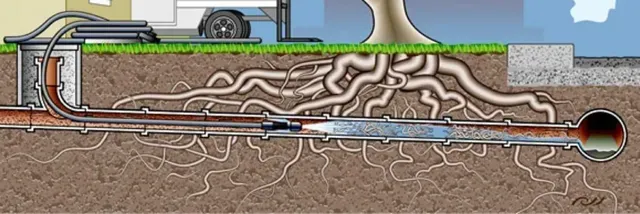
Subtle and overt indicators signal when patching fails, beginning with recurring leaks at the same spot despite multiple fixes, pointing to material fatigue. Pressure drops persisting after valve adjustments reveal main line restrictions from mineral buildup or root intrusion in clay pipes. Foul odors from cleanouts, even after cleaning, indicate pervasive corrosion releasing hydrogen sulfide. Floors buckling or walls staining chronically suggest hidden leaks eroding substructures. Water meters spinning with no usage confirm phantom losses from pinhole leaks totaling gallons daily. Noisy pipes—hammering or whistling—hint at oversized flows through undersized, failing lines. Electrical issues like flickering lights during flushes overload weakened systems. Post-repair tests failing hydrostatic pressure standards confirm obsolescence. Home age over 40 years, combined with these symptoms, statistically predicts replacement needs. Insurance adjusters often mandate full swaps after repeated claims. Document these signs meticulously with timestamps and photos, building a case for comprehensive action.
Cost Comparisons and Financial Planning
Emergency repairs lure with low upfront costs—$200 for a valve replacement versus $10,000 for whole-house repiping—but hidden expenses flip the equation. Repairs demand frequent callbacks, inflating bills through labor and water damage remediation. Replacements, though pricier initially, offer 50-year warranties on PEX or copper systems, slashing long-term outlays. Factor demolition, permits ($500+), and lost usability during weeks of work. Financing options include home equity loans at low rates or plumber partnerships with suppliers for discounts. Insurance covers disasters but caps repairs; full replacements qualify under "matching" clauses for uniform systems. Tax credits for energy-efficient upgrades like tankless heaters offset costs. All City Plumbers provides transparent quotes breaking down materials, labor, and timelines, helping budget realistically. Compare regional averages: urban repipes hit $150 per linear foot, rural less due to access. ROI shines in resale value—modernized plumbing boosts appraisals 5-10%. Plan with spreadsheets tracking scenarios, ensuring decisions align with financial health.
The Replacement Process Step by Step
Full replacements unfold methodically, starting with shut-off and draining to avoid floods during demo. Technicians map the system using blueprints or snakes, identifying reroute paths around obstacles. Demolition removes old pipes via walls, slabs, or trenches, with dust control and debris haul-away. New materials—PEX for flexibility, PVC for drains—install with soldered joints or crimp rings, pressure-tested segmentally. Sump pumps and fixtures integrate seamlessly, often upgrading to water-saving models. Walls patch with matching drywall, floors retile precisely. Code inspections verify compliance, from backflow preventers to seismic bracing. For emergencies, prioritize critical lines first, phasing non-essentials. Crews coordinate with electricians for grounding updates. Post-install, flush systems and calibrate softeners. This process, spanning days to weeks, minimizes disruption via contained work zones. Homeowners track via apps showing progress photos.
Choosing Reliable Emergency Services
Selecting pros for this scale matters—opt for those offering 24/7 emergency services with rapid response fleets. Verify licenses, insurance, and reviews emphasizing replacement expertise over patch jobs. Interview for material preferences, warranties, and cleanup protocols. References from similar projects reveal reliability. Avoid low-bidders skimping on fittings. Established firms like those providing emergency services integrate diagnostics with replacement planning seamlessly. Prioritize communication: daily updates and fixed pricing prevent surprises. Certifications in green plumbing signal quality.
Preventive Measures Post-Replacement
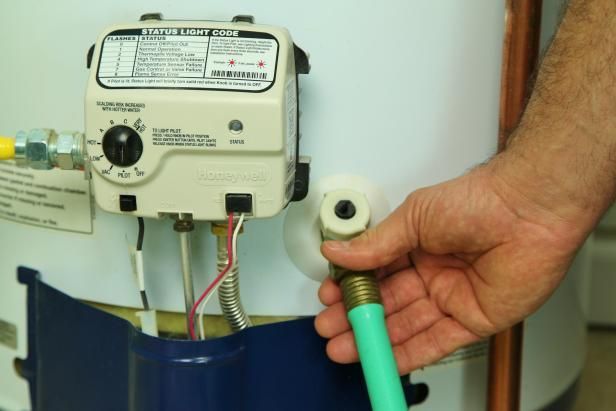
After a full plumbing overhaul, the objective shifts from remediation to lifecycle optimization. Establish a disciplined maintenance cadence: conduct quarterly inspections to assess joint integrity, valve operation, pressure stability, and early signs of corrosion or micro-leaks. Integrating a water softening system is particularly valuable in hard-water regions, as it mitigates mineral scaling that can constrict flow, degrade fixtures, and reduce appliance efficiency. Complement this with an annual water heater flush to remove sediment buildup, which otherwise acts as an insulator, elevates energy consumption, and accelerates tank wear. These routine interventions collectively preserve hydraulic efficiency and extend asset lifespan.
Environmental controls and monitoring technologies further strengthen system resilience. Insulating exposed or exterior-facing pipes reduces the risk of thermal stress, condensation, and freezing-related expansion failures. Deploying smart leak detection systems—ideally integrated with mobile applications and automatic shutoff valves—creates a real-time alerting mechanism that can intercept minor leaks before they escalate into major incidents. From a behavioral standpoint, user education is equally critical: enforce best practices such as avoiding grease disposal in drains, moderating water pressure, and using fixtures within their design limits. When paired with smart monitoring tools that track usage patterns, pressure anomalies, and flow irregularities, these measures enable predictive maintenance—allowing you to identify deviations early and intervene before they evolve into costly system failures.
Conclusion
In conclusion, discerning when emergency repairs escalate into the need for full plumbing replacements requires a disciplined evaluation of both immediate damage and long-term system integrity. Temporary fixes—such as patching leaks or replacing isolated fittings—may restore functionality in the short term, but they can mask systemic issues like widespread corrosion, compromised pipe walls, or outdated materials nearing end-of-life. Indicators such as recurring leaks, persistent pressure inconsistencies, discolored water, or evidence of structural degradation should trigger a more comprehensive analysis. By recognizing these signals early and weighing the cumulative cost of repeated repairs against a one-time replacement, you position yourself to make decisions that prevent cascading failures and unplanned disruptions.
Equally critical is the role of timely professional intervention in navigating this decision point. Licensed plumbers bring diagnostic tools, code compliance knowledge, and experience that go beyond surface-level fixes, enabling them to identify hidden vulnerabilities and recommend scalable solutions. Engaging experts promptly not only ensures that repairs or replacements meet safety and regulatory standards but also optimizes system performance and longevity. Viewed through a strategic lens, transitioning from reactive repairs to proactive replacement is not merely an expense—it is a capital investment in resilience, efficiency, and peace of mind, safeguarding both your property and your ability to recover swiftly from future emergencies.