Emergency Plumbing Response Time: What To Expect
When an emergency plumbing issue arises, one of the most pressing concerns is how long it will take for help to arrive. A burst pipe, a gushing water heater, or a sewer backup can quickly turn a manageable problem into a full‑scale water‑damage event, and the speed of the response often determines how much structural, financial, and emotional stress a household ultimately endures. Emergency plumbing response time is not a fixed number; it varies by location, company, day of the week, and the severity of the situation. Understanding what to reasonably expect—the typical time frames, the factors that speed up or slow down service, and what happens once a technician arrives—can help homeowners stay calmer, act more efficiently, and minimize the overall impact of the incident. Providers such as All City Plumbers and other professional emergency services can deliver critical support, but knowing how to interpret their timelines and prepare for their arrival is equally important.
What defines an emergency plumbing situation
Before discussing response time, it is important to clearly define what counts as an emergency versus a routine plumbing repair. Truly urgent plumbing incidents involve uncontrolled water flow, sewage exposure, or conditions that threaten safety or the structural integrity of the home. Typical emergencies include burst pipes, major leaks from water heaters or supply lines, overflowing toilets, backed‑up drains that cannot be cleared with a plunger, and situations where water is entering electrical outlets, living spaces, or areas with finished flooring. These are the kinds of issues that justify calling emergency services and expecting a response outside of standard business hours.
In contrast, non‑emergency plumbing problems—such as a slow drip from a faucet, a toilet that runs intermittently, or a clog that can be temporarily cleared—usually fall into the category of routine maintenance or scheduled repairs. While they should still be addressed, they typically do not require immediate after‑hours intervention and may be handled the next business day. Recognizing the difference helps homeowners avoid overburdening emergency slots when they are not genuinely required and ensures that the truly critical cases receive the fastest attention. When in doubt, many companies highlight guidelines on their websites or through customer service, so it is worth asking whether a given issue qualifies as an emergency before you book a late‑night call.
Typical response‑time ranges and expectations
Emergency plumbing response times can vary widely, but many reputable companies advertise certain windows within which they aim to reach customers. For example, in many regions, providers that advertise 24‑hour emergency services strive to arrive within one to three hours of the initial call, assuming the job is genuinely classified as an emergency and the location is within their service area. For particularly severe incidents—such as major flooding or full‑blown sewer backups—some firms may prioritize the call even higher on their schedule to reduce the risk of escalating damage. However, these time frames are estimates, not guarantees, and they can be affected by factors such as time of day, staffing levels, and the number of other emergencies already in progress.
On weekends, holidays, or during extreme weather events, response times may stretch beyond the usual window because more households are occupied at home and more plumbing incidents occur. During these periods, it is common for technicians to be booked solid, and each call may take longer to complete, which can delay the start of new jobs. Conversely, in off‑peak hours or less busy neighborhoods, a crew may reach a home in as little as thirty minutes, especially if they are already nearby. When contacting a service, it is helpful to ask the dispatcher for an estimated arrival window and any variable that might affect it, such as traffic, the need for specialty plumbing tools, or the necessity of coordinating with utility companies.
Factors that speed up or delay emergency service
Several factors influence how quickly an emergency plumbing technician can reach a home, and many of them are outside the homeowner’s control. Among the most significant is the size and location of the service area. Companies that operate in highly dense urban neighborhoods may be able to deliver faster response times because vehicles and crews are closer together, whereas suburban or rural properties may experience longer waits due to greater travel distances and fewer on‑call personnel. Time of day also matters; midnight floods in residential zones can be harder to staff than daytime emergencies, simply because fewer technicians are available and traffic patterns are less predictable.
Another important factor is the company’s internal scheduling and dispatch system. Larger firms with multiple technicians, advanced routing software, and dedicated emergency crews tend to handle urgent calls more efficiently than smaller operations that rely on a single on‑call person. When a company clearly advertises its emergency services and has a streamlined process for confirming the severity of the issue, dispatching the closest available technician, and communicating updates, response times are generally more reliable and transparent. In contrast, disorganized dispatch or unclear definitions of what constitutes an emergency can lead to confusion, misprioritization, and frustrating delays. Homeowners can support faster service by providing accurate information over the phone, keeping the driveway clear, and, if possible, turning off the main water supply before the technician arrives.
What happens when the technician arrives
When an emergency plumber does arrive, the first few minutes are usually focused on assessment and safety rather than immediate repair. The technician will typically ask to see the affected area, listen to the homeowner’s description of the problem, and review any visible damage or water flow. If the issue involves a burst pipe, malfunctioning appliance, or sewer backup, the technician may request permission to locate and close the main water shutoff valve or isolate the affected fixture, which can immediately reduce or stop the flow of water and prevent further damage. In some cases, especially when water is entering electrical panels or outlets, the technician may also advise turning off the power or contacting an electrician to ensure that safety standards are met.
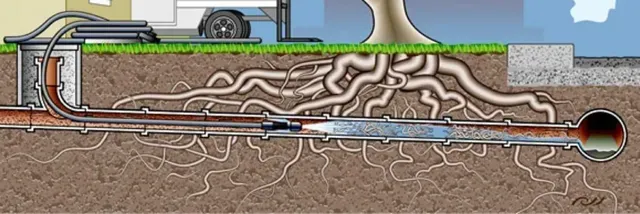
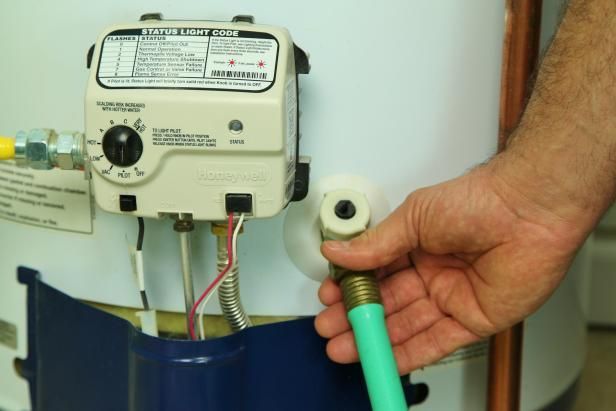
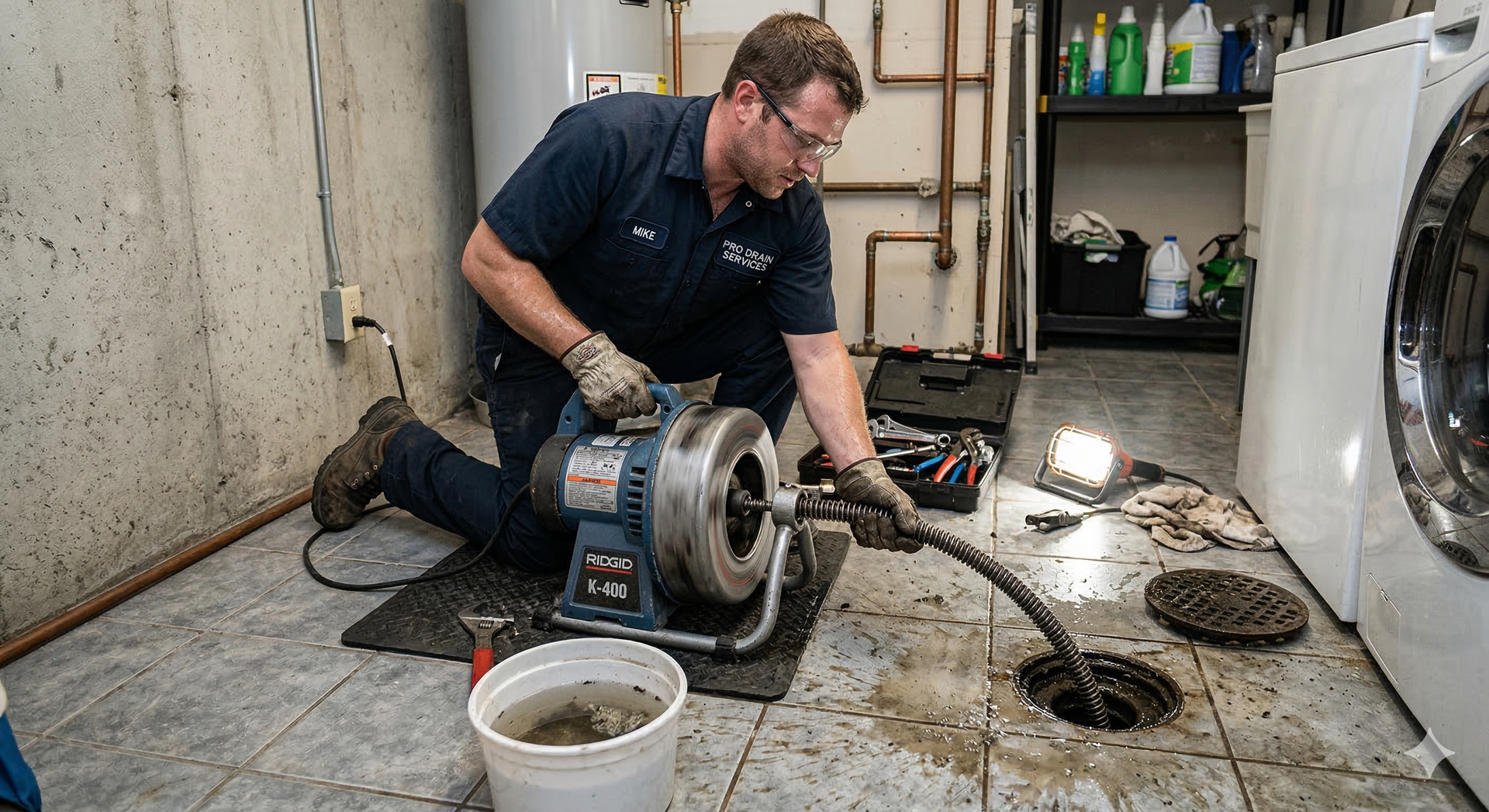
After the immediate threat is contained, the focus shifts to diagnosis. Using a combination of visual inspection and basic plumbing tools, such as cameras, gauges, and listening devices, the technician evaluates the source of the problem. This may involve checking pipe joints, inspecting water heater components, examining drain lines, or testing pressure and flow. In some instances, homeowners may notice that water turns suddenly cloudy or discolored shortly after a repair or disturbance, which can be caused by sediment being stirred up in the pipes. When technicians encounter such changes, they will often flush the system and confirm that the water returns to normal clarity, reassuring the homeowner that the issue is temporary and not a sign of contamination. Once the cause is identified, the technician explains the options for temporary containment and long‑term repair, estimates the time required, and provides a clear outline of the work to be performed.
Communication, transparency, and follow‑up
Effective emergency plumbing service is as much about communication as it is about technical skill. During a stressful incident, homeowners appreciate clear, straightforward information about what is happening, how long the repair will take, and what the next steps are. A professional technician will often describe the problem in plain language, outline the tools and materials needed, and explain any potential complications or trade‑offs, such as the need to open walls or floors to access hidden pipes. This level of transparency not only helps manage expectations but also builds trust and reduces anxiety for the household.
Follow‑up is another important aspect of emergency plumbing response. In many cases, the initial visit resolves the most urgent part of the issue—stopping the flow, clearing a blockage, or temporarily patching a pipe—but additional work may be required later to fully restore the system. For example, a burst pipe under the slab may require advanced camera inspection and rerouting rather than a quick surface‑level fix. When providers such as All City Plumbers offer both emergency services and routine maintenance visits, they can often schedule a follow‑up appointment during the same call or within a short window, which helps homeowners avoid the disruption of a second emergency visit. Clear documentation of the initial work, expected repair timelines, and any recommendations for preventive maintenance also make it easier for homeowners to plan and budget for future plumbing needs.
How homeowners can prepare for emergencies
While much of the emergency response timeline depends on the plumbing company and external factors, homeowners can still take steps to reduce waiting time and make the most of the technician’s visit. One of the most important preparations is knowing the location of the main water shutoff valve and any individual fixture valves, so that water can be turned off quickly without waiting for help to arrive. Keeping the access path to the home clear—such as driveways, stairs, and doorways—also allows technicians to reach the site faster and set up safely. In addition, taking photos or short videos of leaks, standing water, or damaged areas before the technician arrives can help convey the severity of the situation over the phone and speed up the dispatch process.
Having basic information ready when you call can also improve efficiency. This includes knowing the age of the home, the approximate age of major components such as the water heater or sewer lines, and any previous plumbing issues or repairs. If the home is part of a larger complex or if special access procedures are required, sharing those details with the dispatcher can prevent delays at the door. When the technician does arrive, pointing out the affected area, describing how long the problem has been occurring, and mentioning any unusual changes—such as water that turns suddenly cloudy after recent work—helps the technician prioritize tests and repairs. Homeowners who treat emergency plumbing as a preparedness topic, rather than a pure reactive event, are better equipped to cooperate with emergency services and reduce the overall impact of the incident.
Conclusion
Emergency plumbing response time is influenced by a combination of company policies, staffing levels, location, and the severity of the incident itself. While many firms advertise windows such as one to three hours for emergency service, these are realistic targets that can fluctuate depending on the day, the number of concurrent calls, and the complexity of the job. When a technician from a company like All City Plumbers or another reputable emergency services provider arrives, the initial focus is usually on safety, containment, and accurate diagnosis, using a combination of professional plumbing tools and on‑site inspection. By understanding what to expect, preparing the home in advance, and communicating clearly with the dispatcher and technician, homeowners can make the most of the response period and minimize the damage caused by sudden plumbing failures. With the right mix of planning and professional support, even the most alarming emergencies can be managed efficiently and with significantly less stress.