What to Do When Multiple Plumbing Fixtures Fail at Once?
When sinks, toilets, showers, and appliances all malfunction simultaneously, it signals a systemic plumbing crisis rather than a series of isolated faults. In most cases, the root cause lies deeper within the network—such as a blocked main drain, a sudden pressure surge, or a rupture in the primary supply line—triggering a chain reaction that disrupts every connected fixture. What might initially appear as minor inconveniences, like slow drainage or weak flow, can escalate rapidly into backflow, contamination risks, and widespread flooding if left unchecked. These cascading failures not only compromise the functionality of the home but also introduce structural and sanitation concerns that require urgent attention.
Responding effectively in such scenarios requires a composed, methodical approach that prioritizes containment and rapid assessment. Immediate steps like shutting off the main water supply, isolating affected zones, and identifying the most critical failure points can significantly reduce damage and prevent further escalation. From there, a structured diagnostic process—potentially involving professional inspection tools—helps pinpoint the underlying issue with precision. This comprehensive guide outlines not only the urgent actions needed to stabilize the situation but also the diagnostic techniques and recovery strategies necessary to restore system integrity and prevent future breakdowns of this scale.
Immediate Safety Measures and Water Shutoff
Your first priority is safety—multiple failures often mean widespread leaks or backups risking electrical hazards, slips, and sewage exposure. Evacuate vulnerable household members, especially children and pets, and turn off power to affected areas via breakers to prevent shocks from standing water.
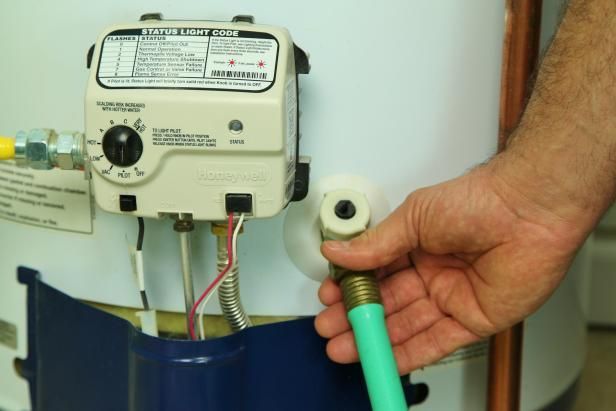
Locate and shut off the main water valve, typically near the water meter or where the supply enters the home—a quarter-turn clockwise stops flow instantly. For homes with multiple zones, close individual shutoffs under sinks and at water heaters. Place buckets or towels to contain drips, and avoid using drains until assessed. These steps buy critical time, preventing escalation from drips to deluges.
Initial Triage and Symptom Assessment
With water secured, assess the scope systematically. Note which fixtures fail: backups in all drains suggest a main sewer clog; low pressure everywhere points to a supply line break; intermittent sputtering indicates air in lines from a downstream rupture.
Check for common signs like gurgling across fixtures, foul odors from vents, or bulging floors signaling sewer overload. Test hot versus cold water—failures only on hot lines implicate the water heater. Document with photos and timestamps for insurers and plumbers. This triage reveals patterns, distinguishing localized clogs from house-wide catastrophes.
Diagnosing Common Systemic Causes
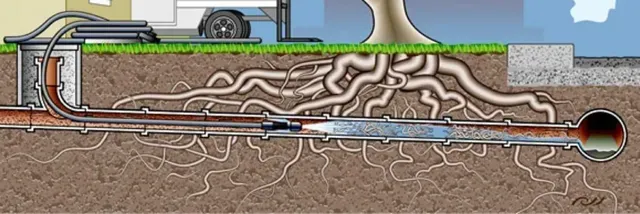
Multiple failures stem from shared culprits like tree root intrusions blocking mains, collapsed sewer lines from age or soil shift, or pressurized bursts from frozen pipes. Why plumbing failures spike during winter nights often traces to overnight freezes expanding ice in mains, fracturing joints and triggering cascades by morning.
Supply-side issues include pump failures in well systems or municipal pressure surges stressing old pipes. Use a flashlight to inspect visible cleanouts for backups, and listen for hissing in walls denoting leaks. Plunge one fixture gently to test relief, but stop if sewage rises elsewhere. Accurate diagnosis guides next steps, avoiding futile fixes.
Temporary Containment and Mitigation Tactics
While diagnosing, contain the chaos. For backups, seal drains with wet rags or inflatable plugs to block overflows. Siphon standing water from lowest points using a wet-dry vac, disposing safely outdoors away from storm drains.
Ventilate with fans to disperse odors and moisture, preventing mold—aim for cross-breezes and dehumidifiers if available. For pressure issues, bleed air from lines by opening highest faucets first after partial restoration. These interim measures protect structures and belongings, bridging to professional help.
Engaging Emergency Services for Rapid Resolution
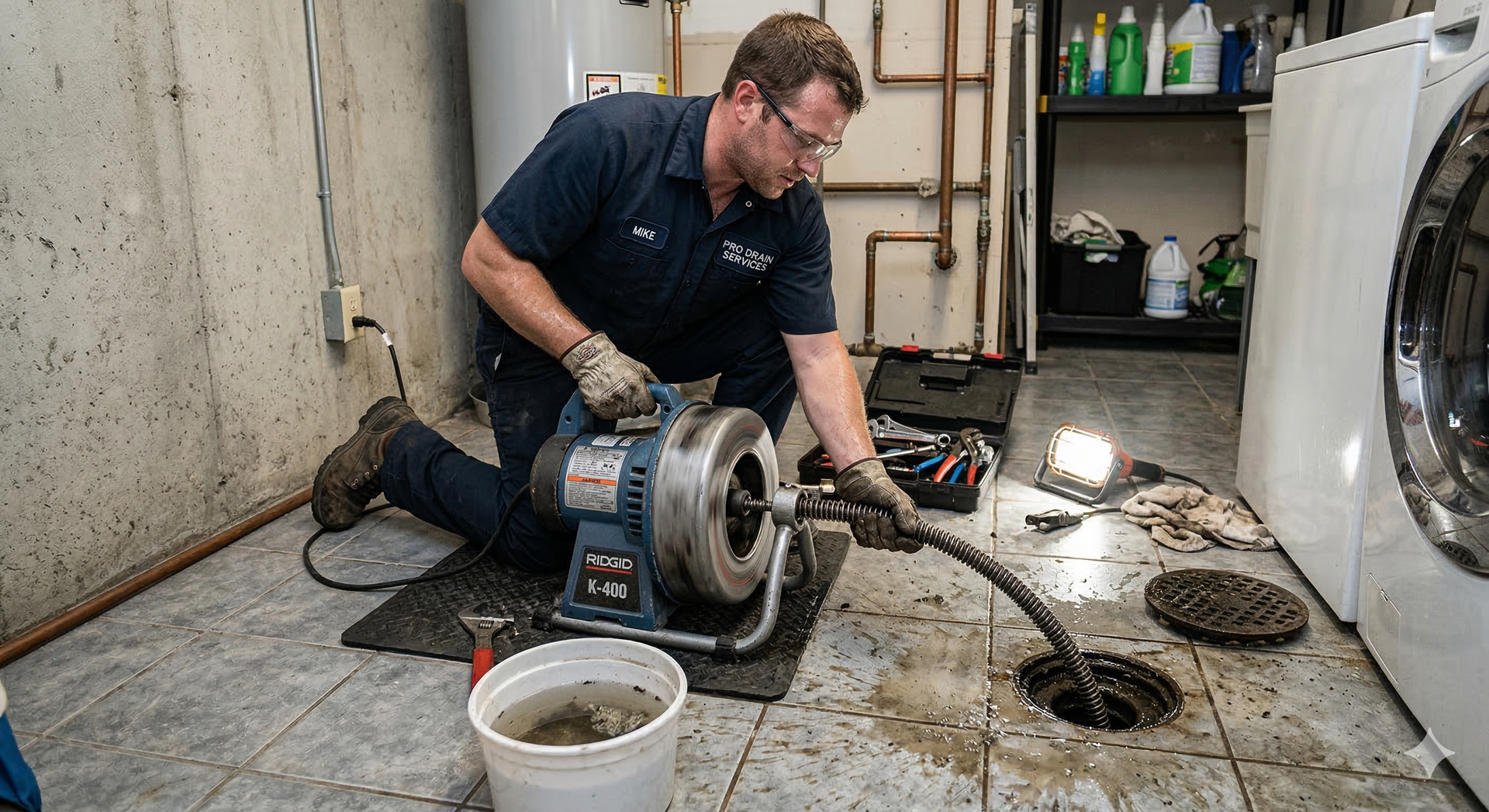
No homeowner should tackle systemic failures alone—call for emergency services immediately, as delays amplify damage. Providers like All City Plumbers dispatch 24/7 teams with snake cameras, hydro-jets, and leak detectors to pinpoint and clear mains swiftly.
Describe symptoms precisely over the phone: "All drains backing up, low pressure house-wide"—this prioritizes your call. Expect initial scoping via access points, followed by targeted interventions like root cutting or pipe relining. Their expertise resolves root causes, restoring function often within hours.
Post-Repair Verification and Prevention Planning
Once fixed, verify by running all fixtures sequentially, checking for even pressure and clear drainage. Monitor bills for spikes indicating hidden leaks, and schedule a full system inspection.
Prevent recurrences with annual main line cameras, root barriers for trees, and pressure regulators. Upgrade to modern PEX lines for flexibility against freezes. Educate on usage—avoid overloading drains during peaks. These forward steps fortify resilience.
Long-Term Recovery and Insurance Navigation
Address aftermath: sanitize affected areas with EPA-approved cleaners to kill bacteria, and dry thoroughly to halt mold. File claims promptly, supplying your documentation—insurers cover sudden failures but scrutinize neglect.
Consult pros for upgrades like backwater valves or tankless heaters. Track recovery with logs, ensuring full restoration. This holistic approach turns crises into opportunities for robust plumbing.
Conclusion
In conclusion, multiple plumbing fixture failures demand a calm, structured response that prioritizes control and containment before repair. The first critical step is isolating the issue through targeted shutoffs—either at individual fixture valves or the main supply line—to prevent further water loss and property damage. Once flow is contained, a triage approach should be applied, identifying which failures pose the greatest risk, such as active leaks, overflowing fixtures, or compromised connections near electrical systems. Stabilizing these high-impact issues buys valuable time and reduces escalation while temporary measures—like sealing minor leaks or redirecting water—help maintain a basic level of functionality.
Following initial containment, engaging professional plumbing support ensures accurate diagnosis and durable repairs, particularly when failures stem from systemic issues like pressure imbalances, aging infrastructure, or hidden pipe damage. Beyond immediate resolution, this scenario should prompt a preventive mindset: upgrading worn components, installing pressure regulators, and incorporating leak detection systems can significantly reduce the likelihood of recurrence. By adhering to a sequenced, methodical protocol, homeowners not only mitigate immediate disruption but also reinforce the long-term resilience of their plumbing systems, ensuring stability and peace of mind even in the face of unexpected failures.