How to Identify Plumbing Weak Points in Older Homes?
Older homes, often built with materials and construction standards from decades past, tend to conceal a range of plumbing vulnerabilities that can quietly deteriorate over time before surfacing as major issues. Galvanized steel pipes are prone to internal corrosion that restricts water flow and weakens structural integrity, while cast iron drains can develop cracks, scale buildup, or joint failures under prolonged stress. In addition, aging fixtures, worn seals, and outdated installation methods contribute to inconsistent performance and increase the likelihood of leaks or sudden breakdowns. These hidden weaknesses often remain undetected until they escalate into costly emergencies, including water damage or system-wide disruptions.
Identifying and addressing these weak points early enables homeowners to take a strategic, cost-effective approach to maintenance rather than relying on reactive repairs. Through a combination of careful visual inspections, pressure and flow assessments, and the use of modern diagnostic tools like camera line inspections, underlying issues can be detected with greater accuracy. This guide outlines a structured methodology that integrates practical evaluation techniques with professional insights, equipping homeowners to reinforce vulnerable areas, plan timely upgrades, and maintain a reliable plumbing system that can meet modern demands.
Visual Inspection of Pipes and Fittings
Begin your assessment with a thorough visual scan of accessible plumbing. In homes over 30 years old, look for galvanized steel pipes, identifiable by their dull gray finish and threading— these corrode internally, restricting flow and causing pressure drops. Check for rust stains, bulging, or discoloration around joints, especially in basements and crawl spaces where moisture lingers.
Examine fittings like elbows, tees, and couplings for cracks, loose solder, or green patina indicating copper corrosion. In attics, probe for soft spots in insulation around pipes, which signal hidden leaks. Document damp walls or ceiling stains tracing back to pipe runs. This foundational step reveals surface issues; for instance, persistent low pressure often stems from scaled-up galvanized lines, prompting timely upgrades.
Detecting Underground and Slab-Integrated Lines
Underground pipes pose the greatest challenge in older homes, often buried without modern mapping. Slab-integrated systems, common in mid-century builds, run waterlines through concrete foundations, making leaks hard to spot until floors warp or mold appears.
Use a moisture meter to scan slabs for elevated readings near fixtures, and listen for trickling sounds with a stethoscope pressed to walls. Ground-penetrating tools or professional line locators trace paths without excavation. Pay attention to recurring wet spots in yards after rain, hinting at cracked terra cotta or cast iron sewer lines. Addressing these proactively through waterline repair and replacement prevents subsidence and structural damage.
Assessing Drains, Sewers, and Waste Lines
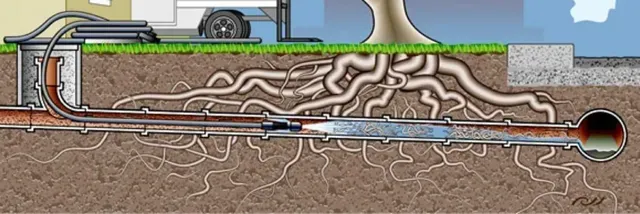
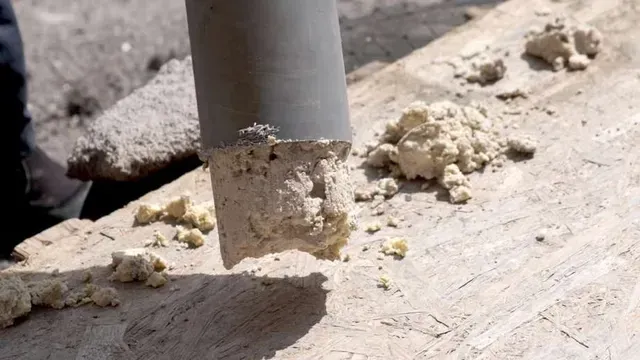
Drain systems in vintage homes frequently feature fragile cast iron or orangeburg pipes, prone to root intrusion and bellying. Slow drains, gurgling toilets, or sewer odors signal blockages or collapses.
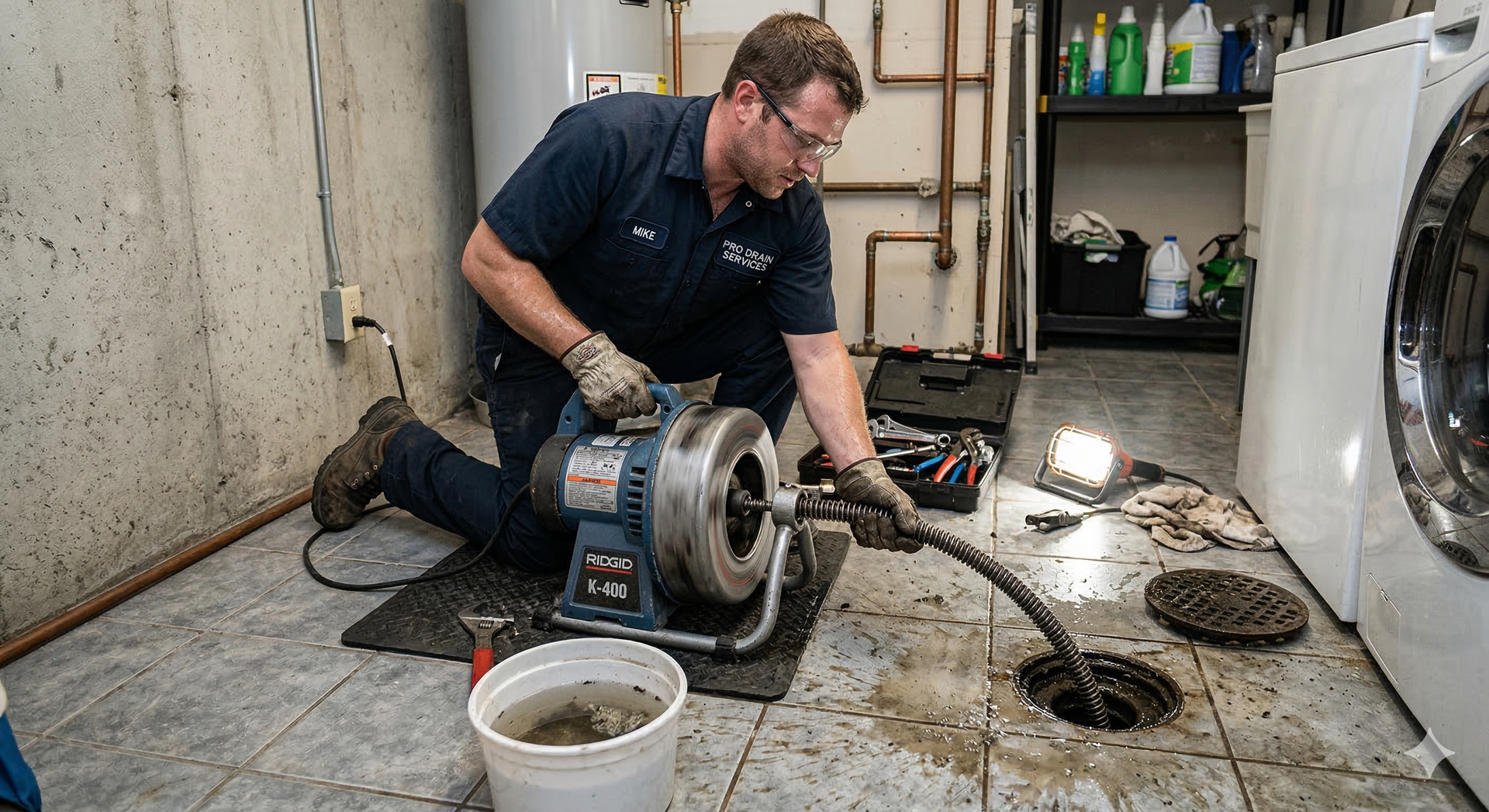
Snake visible cleanouts to check for debris buildup, and observe flow rates—healthy drains clear water in seconds. Hydro-jetting rentals reveal internal scaling, while camera inspections expose bellied sections or offsets from settling foundations. In multi-story homes, stack vents may leak at roofs; inspect flashing for gaps. These evaluations pinpoint failures before backups flood living spaces.
Evaluating Fixtures and Appliances for Wear
Outdated fixtures like compression faucets and ball valves harbor weak washers and seats that drip incessantly, wasting water and stressing supply lines. Check under sinks for corrosion on trap arms and escutcheons.
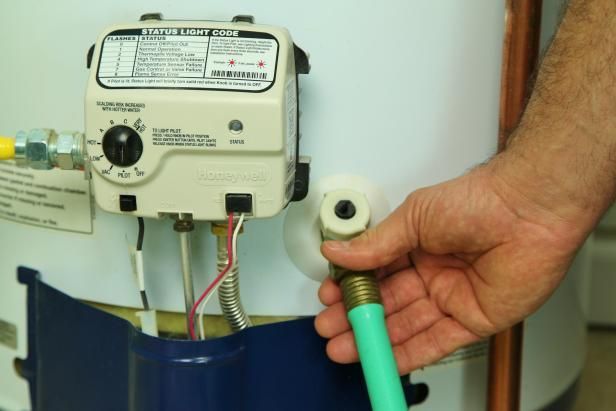
Test toilets for silent leaks by adding food coloring to tanks—color in the bowl within 15 minutes indicates flapper failure. Inspect dishwashers and washing machines for hose cracks, especially rubber ones over 10 years old. Water heaters, often original to the home, show rust at bases or anode rod depletion; tap the tank for hollow sounds signaling sediment overload. Replacing these high-failure components fortifies the system.
Pressure Testing and Flow Analysis
Quantify weaknesses with a pressure gauge installed at an outdoor spigot or main line. Normal residential pressure ranges from 40-80 psi; spikes above 100 psi strain old pipes, while drops below 30 psi reveal restrictions.
Run all fixtures simultaneously to simulate peak demand, noting pressure falls that expose undersized lines. Flow meters quantify gallons per minute—older homes often fall short of modern standards. These tests, ideally done seasonally, predict bursts, particularly since why plumbing failures spike during winter nights ties to frozen expansions in compromised lines overnight.
Professional Diagnostics and When to Call Experts
DIY inspections have limits; pros use acoustic leak detectors, infrared thermography, and sonic pipe locators for non-invasive deep scans. Firms like All City Plumbers bring video scopes that navigate bends, revealing pinholes or joint separations invisible to the eye.
Engage them for smoke tests on drains to find vent leaks or pressure tests confirming system integrity. Their reports prioritize fixes, from repiping branches to full reroutes. Early intervention averts insurance claims and preserves home value.
Documentation and Prioritization Strategies
Catalog findings with photos, videos, and notes, mapping weak points relative to blueprints or apps like HomeZada. Prioritize by risk: imminent leaks first, then efficiency hogs.
Budget phased repairs—start with accessible galvanized branches, then slab lines. Track water bills for anomalies confirming issues. This organized approach transforms vague concerns into actionable plans.
Conclusion
In conclusion, identifying plumbing weak points in older homes requires a disciplined, methodical inspection process that combines surface-level observation with deeper diagnostic techniques. Early-stage indicators—such as discoloration around fixtures, reduced water pressure, slow drainage, or unusual sounds within the piping system—often signal underlying deterioration that warrants closer examination. These visual cues should be complemented with more advanced assessments, including pressure testing, camera inspections of sewer lines, and material analysis to evaluate corrosion, scaling, or outdated piping such as galvanized steel or polybutylene.
Taking a proactive stance allows homeowners to move from reactive repairs to strategic system management. By addressing vulnerabilities at their source—whether through targeted replacements, joint reinforcements, or upgrading critical sections of the plumbing network—risks of leaks, bursts, and water damage are significantly reduced. This not only prevents costly emergency interventions but also enhances overall system efficiency, water quality, and long-term reliability.
Ultimately, consistent evaluation and timely intervention transform an aging plumbing system from a liability into a manageable asset. Homeowners who invest in regular audits and incremental upgrades can extend the lifespan of their infrastructure, preserve property value, and ensure a safe, functional living environment that remains resilient for years to come.