How to Safely Restore Water At Your Home After a Flood?

Hadi Masood

After a flood, restoring water service to your home must be handled with deliberate caution to mitigate health hazards, prevent structural degradation, and avoid cascading plumbing failures. Floodwater often carries contaminants such as bacteria, chemicals, and debris that can infiltrate supply lines, fixtures, and storage systems. Before reopening the main valve, it is critical to verify that municipal guidance permits reconnection, inspect exposed piping for visible damage, and isolate any compromised sections of the system. A controlled reintroduction of water—starting with partial pressurization—helps identify hidden leaks, weakened joints, or pressure imbalances that could otherwise escalate into significant failures once full flow is restored.

Equally important is addressing downstream risks within the home’s internal plumbing and connected appliances. Sediment and contaminants can accumulate in water heaters, dishwashers, and washing machines, making them unsafe to operate without proper flushing and inspection. Fixtures should be run sequentially to purge trapped air and debris, while water quality should be monitored for discoloration, odor, or irregular taste before consumption. In some cases, disinfection procedures or professional testing may be necessary to confirm potability. By following a structured, safety-first restoration process, homeowners can ensure their plumbing system returns to stable operation without compromising health or long-term infrastructure integrity.


Assessing the safety of your home

Before you even think about turning water back on, you must confirm that the structure of your home is safe to reenter. Local authorities often issue guidance on when it is safe to return, and if there has been any compromise to gas lines, electrical systems, or foundations, water restoration should wait until certified professionals have inspected these systems. Personal safety always comes first, so wearing protective gear such as rubber boots, gloves, and a mask is strongly recommended when walking through areas that were submerged or damp. If you detect strong odors of gas, see any visible structural cracks, or notice exposed wiring, leave the home immediately and contact the appropriate utility or emergency services.

Once the home is deemed structurally safe, you should visually inspect the ground floors and basement or crawl space for standing water, debris, and any visible damage to pipes and fixtures. Floodwaters can carry mud, chemicals, and sewage, which can contaminate tanks, water heaters, and the entire plumbing network. Any area that has been wet for more than 24–48 hours is at high risk of mold growth, bacterial contamination, and deterioration of insulation around pipes. At this stage it is wise to document all damage with photos and notes, as this can be important for insurance claims and for guiding professional contractors such as All City Plumbers as they later assess and repair your home’s water systems.


Turning off utilities before water restoration

Before restoring water, all related utilities should be shut down or verified as safe. If the flooding was severe enough to submerge electrical panels, outlets, or major appliances, it is essential that a licensed electrician inspects the system before any power is restored. Pumps, sump systems, and water heaters that rely on electricity must not be energized until an inspection confirms that wiring, outlets, and junction boxes are dry and intact. Working in wet areas with live electricity dramatically increases the risk of electrocution, so erring on the side of caution here is critical.

Similarly, gas lines that feed water heaters, furnaces, or stoves must be checked for leaks if they were exposed to floodwater or physical impact. If you smell gas or suspect a leak, leave the home immediately and call the gas utility or emergency service from outside. Do not attempt to turn valves on or off if you are unsure of the procedure. Once utilities are confirmed safe, you can begin the process of draining and preparing the plumbing network for a controlled, safe return of water. This preparation phase is where collaboration with a reputable plumbing service such as All City Plumbers can help ensure that no hidden issues are overlooked and that everything is restored to code‑compliant, safe operating condition.


Draining and drying the plumbing system

After floodwaters have receded, the next step is to remove any remaining standing water from the plumbing system and surrounding areas. This can be done using a wet‑dry vacuum, sump pump, or water transfer pump, depending on the volume and depth of water involved. These tools help extract water from floors, around fixtures, and even from certain drain lines, but they must be used carefully and in coordination with an electrician if outlets or breakers were affected. Open windows and doors can aid ventilation, and using high‑volume fans and dehumidifiers will help reduce moisture in walls, insulation, and under flooring, thereby minimizing the chance of mold and corrosion.

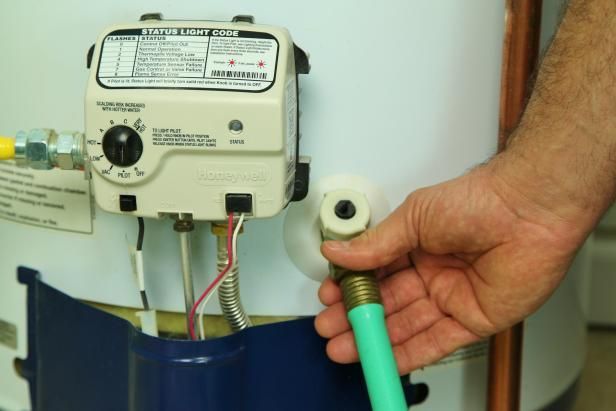
Inside the plumbing itself, sediment and debris from floodwater may have settled in pipes, traps, and the water heater tank. If the water heater was submerged or partially submerged, it should be treated as potentially compromised until a qualified professional inspects it. In some cases, drain and flush procedures may be necessary to remove silt and contaminants from the tank before refilling it with clean water. However, this should only be attempted after confirming that valves, gas or electrical connections, and pressure relief components are intact and functioning properly. In many flood scenarios, it is safer and more cost‑effective to replace units that have been exposed to contaminated water than to attempt to clean and reuse them.


Inspecting and testing the water heater

The water heater is a critical component to evaluate during post‑flood restoration, since it is often located in a basement or low‑lying area vulnerable to overflow. If your water heater was subjected to flood conditions, even if it appears dry on the outside, internal parts such as the thermostat, heating elements, burner assembly, and pressure‑relief valve may be damaged or corroded. A water heater that has been exposed to contaminants can pose both a health risk and a safety hazard if it develops leaks, overheats, or fails to operate correctly. For this reason, many plumbing professionals recommend that units exposed to floodwater be inspected by a licensed technician before they are returned to service.

There are several clear signs your water heater is about to fail that become especially important after a flood. These include unusual noises such as popping or rumbling as the unit heats, visible leaks around the base or connections, discolored or rusty water at fixtures, and a noticeable drop in hot‑water output or inconsistent temperature. If the water takes much longer than usual to heat or if the unit requires frequent repairs, it may already be nearing the end of its service life, and flood exposure can accelerate that decline. In such cases, it is often safer to replace the water heater rather than risk a sudden breakdown or failure that could lead to flooding from within the home.


Disinfecting fixtures, pipes, and tanks

Because floodwater often contains bacteria, sewage, and chemical contaminants, every part of the plumbing system that came into contact with it must be thoroughly cleaned and disinfected. For hard surfaces such as sinks, showers, and toilets, a solution of one cup of household bleach mixed into five gallons of water can be applied and allowed to sit for at least 10 minutes before rinsing. This helps reduce microbial contamination, but it should not be used on sensitive materials without checking manufacturer guidelines. When dealing with more complex systems such as water heaters, tanks, and storage components, it is best to rely on trained technicians who can properly flush and sanitize these components without damaging them.

Water lines leading into the house, including those connected to the municipal supply or a private well, may also need to be flushed and tested for safety. In some areas, local authorities may issue a boil‑water advisory after a flood, and following those instructions is essential until water‑quality testing confirms that the supply is safe. If you have a private well, it may need to be inspected, disinfected, and retested by a professional before being used again. Contaminated water entering the home can compromise dishes, clothing, and most importantly, the drinking water, so allowing several flushing cycles through all major fixtures and then discarding the water from the first few runs is a prudent step.


Gradually restoring water service

Once the home has been inspected, the plumbing system has been drained and dried, and the water heater and other major appliances have been evaluated, water can be restored in a controlled, step‑by‑step manner. The main water valve to the house should be opened slowly rather than with a sudden burst, as this allows trapped air to escape and reduces the risk of water hammer that can damage pipes and fixtures. After opening the main valve, each fixture should be turned on one at a time, starting with the lowest point in the house and moving upward, to allow air to purge from the system and to check for leaks or unusual pressure.

As the water flows, watch for any signs of weakness, such as dripping from joints, dampness around supply lines, or unusual sounds in the walls. If any of these issues appear, the water should be turned off immediately, and a licensed plumber such as All City Plumbers should be contacted to make repairs before continuing. It is also important to run the water from each fixture for several minutes to flush out any remaining sediment and to verify that both hot and cold water are flowing normally. If the water heater was drained or serviced, it may take some time to refill and heat properly, so allowing this process to occur gradually helps prevent stress on the system.


Monitoring for leaks and pressure issues

After water service has been restored and the system has run for a short period without obvious problems, the next phase involves ongoing monitoring. This includes checking pressure gauges if your home has them, listening for hissing or dripping sounds, and periodically inspecting under sinks, around toilets, and behind appliances for any signs of moisture. A sudden drop in water pressure or an increase in water bills can indicate hidden leaks that may have developed or worsened due to flood‑related damage. In such cases, professional leak detection and repair services can identify and fix issues before they lead to more significant damage.

Water heaters again deserve special attention during this period. Even if they appeared serviceable after inspection, problems such as small leaks, slow heating, or inconsistent temperatures can emerge over days or weeks as the system stabilizes. If any of the signs your water heater is about to fail begin to reappear—such as discolored water, strange noises, or visible drips—contacting a qualified plumbing company to reassess or replace the unit is strongly recommended. Waiting for a catastrophic failure inside your home can result in additional water damage and costly repairs, whereas timely intervention can restore reliability and safety.


Preventing future flood‑related water damage

Once your home’s water system has been fully restored and functioning normally, it is important to implement measures that reduce the risk of similar problems in the future. These steps can include installing sump pumps with backup power, relocating the water heater and other critical appliances to higher ground if possible, sealing foundation cracks, and ensuring that gutters and downspouts are directing water away from the house. Routine maintenance of the water heater, such as annual flushing and checking of the temperature and pressure relief valve, also contributes to longer service life and fewer failures.

Engaging a trusted plumbing service such as All City Plumbers to perform periodic inspections of the water heater, pipes, and other components can help catch developing issues early, before they become serious. This proactive approach is especially valuable in regions with a history of heavy rainfall or storms, as systems that are already stressed are more vulnerable to the effects of floodwater. By combining proper post‑flood restoration procedures with ongoing maintenance and flood‑mitigation strategies, homeowners can significantly improve the safety, reliability, and longevity of their home’s water and plumbing systems.


Conclusion

Safely restoring water at your home after a flood requires a structured sequence of steps that prioritize safety, thorough inspection, and professional involvement where needed. From shutting off utilities and draining the system to carefully inspecting and testing the water heater, each phase plays a role in preventing contamination, leaks, and appliance failures. Signs your water heater is about to fail must be watched closely in the aftermath of a flood, and collaboration with a reputable plumbing company such as All City Plumbers can help ensure that every component is restored correctly. By combining careful procedures with preventive maintenance, you can restore normal water service while protecting the health of your household and the integrity of your home.
Why and How Emergency Plumbing Services Save Homes?
by Hadi Masood 23 April 2026
Discover why and how emergency plumbing services protect homes from floods, leaks, and structural damage, with expert response from professionals like All City Plumbers and guidance on recognizing issues such as signs your water heater is about to fail.
What to Do After Your Water Main Breaks and How to Recover Quick!
by Hadi Masood 22 April 2026
Learn what to do after your water main breaks, from immediate safety steps and drying the home to coordinating with utilities and plumbers so you can recover quickly and minimize long‑term damage.
How to Reduce Repair Costs With Preventive Maintenance?
by Hadi Masood 22 April 2026
Discover how preventive maintenance can reduce repair costs by catching plumbing issues early, extending the life of fixtures, and avoiding expensive emergency calls and major water damage.
Emergency Plumbing Response Time: What To Expect
by Hadi Masood 21 April 2026
Learn what to expect from emergency plumbing response time, how factors like location and severity affect arrival, and what happens when technicians arrive to resolve urgent leaks, bursts, and backups.
How to Effectively Prevent Hidden Flood Damage?
by Hadi Masood 21 April 2026
Learn how to effectively prevent hidden flood damage with proactive inspections, leak‑detection technology, and smart maintenance so small leaks never turn into costly structural problems in your home.
Why The Water Shut-Off Valves Are a Home’s Lifeline?
by Hadi Masood 21 April 2026
Discover why water shut‑off valves are a home’s lifeline, how they protect against floods and emergencies, and how every household can use them to stay safer and reduce plumbing damage.
How to Effectively Protect Plumbing During Renovations?
by Hadi Masood 20 April 2026
Learn how to protect your home’s plumbing during renovations with expert tips on shielding pipes, coordinating with contractors, and preventing leaks, pressure issues, and water quality problems while remodeling.
How to Prepare Plumbing Systems Before Long Holidays?
by Hadi Masood 17 April 2026
Learn how to prepare your home’s plumbing before a long holiday with step‑by‑step guidance on shutting off water, inspecting fixtures, and protecting pipes so you return to a dry, trouble‑free home.
How to Efficiently Maintain Plumbing in Vacation Homes?
by Hadi Masood 17 April 2026
Learn how to maintain plumbing in a vacation home with seasonal checklists, winterization tips, and professional support so your property stays leak‑free and ready for guests all year round.
Why Plumbing Failures Spike During Winter Nights?
by Hadi Masood 13 April 2026
Plumbing failures tend to spike during winter nights for a combination of environmental, mechanical, and behavioral reasons that place extra stress on pipes, fixtures, and water systems. Cooler outdoor temperatures, rapid temperature swings, and reduced household activity create conditions where marginal weaknesses in the plumbing network are more likely to reveal themselves as leaks, bursts, or pressure‑related failures. Understanding why these problems surge after dark in the colder months allows homeowners to anticipate issues, plan preventive measures, and respond more effectively when things go wrong. This article explores the physics of winter plumbing stress, the role of household usage patterns, and the way recent repairs and system changes can create hidden vulnerabilities that may not show up until the quiet hours of winter nights. The physics of cold temperatures and pipes During the winter, outdoor air and soil temperatures drop, and in many homes this coolness penetrates into unheated spaces such as basements, crawl spaces, garages, and exterior walls. When water sits in pipes that are exposed to these colder environments, the fluid begins to lose heat and can approach or even reach freezing, especially overnight when indoor heating is reduced and activity is minimal. As water freezes, it expands, and this expansion exerts significant outward pressure against the pipe walls. Even a small section of ice that forms inside a line can block the flow and create a localized pressure spike on the upstream side, which increases the risk of a joint, valve, or weak section of pipe failing. Pipes that are already weakened by age, corrosion, or previous repair work are especially vulnerable in these conditions. Older galvanized steel or thin‑walled copper lines may have developed microscopic cracks or thinning over time, and when combined with freezing‑related pressure, these defects can propagate quickly into full ruptures. In some cases, the damage may not become visible until the thaw begins, when the melted water finds the weakest point in the system and leaks out. This delayed manifestation is one reason why plumbing failures often seem to “appear out of nowhere” during the night and are only noticed in the morning, sometimes after significant damage has occurred. Why failures cluster during winter nights Winter nights are when several risk factors converge. First, outdoor temperatures are typically at their lowest, and the interior of the home is often set to a lower thermostat setting as people sleep, which reduces the amount of residual heat reaching plumbing in exterior walls, attics, and basements. Second, household water use slows dramatically overnight, so warm water from showers, laundry, or dishwashers is not cycling through the system to keep pipes at a more stable temperature. This combination of reduced heat input and minimal water movement allows stagnant water in vulnerable lines to cool more quickly and approach freezing. Another contributing factor is that many homes are designed with some plumbing routes running through unconditioned spaces, such as along the perimeter of basements or through exterior walls. These lines are often less insulated than the main supply trunk, and they may be located near drafty windows, doors, or uninsulated foundation openings. As the night progresses, these areas can become significantly colder than the rest of the house, increasing the probability that any marginal section of pipe will be the first to freeze or fail. When the failure occurs, the resulting leak or burst may go unnoticed for hours, allowing water to accumulate on floors, soak into walls, or contribute to ice formation that further stresses the system. The role of thermal expansion and pressure changes Beyond freezing, another important cause of winter‑night plumbing failures is the interaction between thermal expansion and water pressure. When water is heated, it expands, and the volume increase can raise pressure within a closed system. In many homes, water heaters operate on a schedule or in response to demand, and the temperature of the water may remain elevated overnight if the thermostat is set high or if the unit is recovering from daytime use. If the system lacks proper expansion‑control devices, such as expansion tanks, this extra pressure can accumulate in the distribution lines and place added strain on joints, valves, and fixtures. Expansion tanks are designed to absorb the additional volume created when water heats up, effectively cushioning the system and preventing extreme pressure spikes. In homes where these tanks are missing, undersized, or improperly installed, the pressure has nowhere to go except into the weakest part of the plumbing. This can lead to stress fractures in older pipes, failures at threaded connections, or premature wear in water heater components. Over time, repeated cycles of heating and cooling—especially during colder months when the temperature differential between the incoming cold water and the heated supply is greatest—can fatigue system components until one night they finally give way, often during the quiet hours when no one is actively using water. How repairs and upgrades introduce new risks Paradoxically, plumbing repairs and upgrades can sometimes contribute to the winter‑night spike in failures. When a section of pipe is replaced, a new valve installed, or a different water heater is fitted, the system’s dynamics can change in subtle ways that do not immediately reveal themselves. For example, replacing a long, older section of flexible pipe with a shorter, stiffer one can alter the way the system absorbs thermal expansion and vibration, creating new stress points. Changes in pipe routing or diameter can also affect flow velocity and pressure distribution, which may place extra load on certain fittings or fixtures. Another concern is water pressure spikes after plumbing repairs . If a line is temporarily depressurized during work, air can enter the system and later be compressed rapidly when water is reintroduced, causing a brief surge in pressure. In some cases, technicians may inadvertently adjust or disable pressure‑regulating components, or the new configuration may expose previously hidden weaknesses to higher pressure than they were designed to handle. These issues may not become apparent during normal daytime use, but overnight, when the system is quiet and pressure can build, the weakest joint or connection may finally fail. This delayed manifestation can make it seem as though a newly repaired system is suddenly “falling apart,” when in fact the underlying stress was always present and was only brought to the surface by the change in conditions. Climate, insulation, and home design factors The rate at which plumbing failures spike during winter nights also depends heavily on local climate patterns and the quality of a home’s insulation and weatherization. Homes in regions with frequent freeze‑thaw cycles are particularly vulnerable, as pipes repeatedly experience contraction and expansion with temperature changes. Each cycle can slowly fatigue joints and fittings, and over several winters these small stresses accumulate into larger structural weaknesses. In homes with poor insulation around plumbing chases, drafty attics, or unsealed foundation penetrations, cold air can infiltrate spaces where pipes are routed, accelerating the cooling of water and increasing the likelihood of freezing or pressure‑related failures. Interior layout and heating design also play a role. Central heating systems that primarily warm main living areas may leave peripheral rooms, hallways, or basements significantly cooler, especially at night. If plumbing lines serving these cooler areas are not adequately insulated or located within the building’s conditioned envelope, they will experience more extreme temperature swings than lines in warmer rooms. Similarly, homes with older construction standards may lack modern insulating materials or vapor barriers, which can allow condensation and moisture buildup around pipes, further accelerating corrosion and weakening the system over time. Recognizing these design‑related vulnerabilities is an important step in prioritizing insulation upgrades, pipe relocation, or other protective measures. Behavioral and usage patterns that worsen the problem Household behavior during the winter can unintentionally increase the risk of nighttime plumbing failures. For example, many people close interior doors to unused rooms or basements in an effort to conserve heat, which can also reduce airflow and trap colder air near plumbing that runs along walls or under floors. In some homes, residents may turn down or turn off heat in unoccupied areas or basements, assuming that these spaces can be sacrificed for comfort, not realizing that the pipes in those locations are now more exposed to freezing conditions. Similarly, the tendency to leave faucets dripping during cold spells to prevent freezing can sometimes mask underlying issues, such as slow leaks or pressure imbalances, that may worsen over time. Another behavioral factor is the timing of water use. During the day, frequent showers, laundry cycles, and dishwashing keep water moving through the system, which helps maintain a more stable temperature and reduces the chance of stagnant water freezing. At night, however, usage plunges, and water can sit for hours in sections of pipe that are more exposed to cold. This stagnation increases the probability that the coldest section of the line will be the one that freezes, especially if it is already weakened by corrosion or prior damage. By understanding how everyday habits interact with the physical realities of winter plumbing, homeowners can adjust their routines—such as slightly increasing nighttime heat in key areas or insulating exposed lines—to reduce the strain on the system without major renovation. When to call professionals for winter‑related issues Despite best efforts, some winter plumbing failures are unavoidable, particularly in older homes or systems that have already suffered years of wear. When a leak, burst pipe, or significant pressure fluctuation occurs overnight, it is important to act quickly to minimize damage and restore safety. In many cases, homeowners benefit from working with experienced plumbing professionals who understand the seasonal dynamics of residential systems and can diagnose not only the immediate failure but also underlying contributors such as inadequate expansion tanks, poor insulation, or latent weaknesses exposed by water pressure spikes after plumbing repairs. Reliable companies that offer comprehensive winter‑plumbing services, including emergency calls and system evaluations, can help families reduce the frequency and severity of winter‑night failures. For example, firms such as All City Plumbers can provide guidance on insulating vulnerable pipes, adjusting pressure‑regulating devices, and replacing aging components before they reach their breaking point. By integrating professional assessments into regular seasonal maintenance, homeowners can turn winter from a period of fear and surprise into one of predictable, managed care that protects both property and peace of mind. Conclusion Plumbing failures spike during winter nights because cold temperatures, reduced water movement, and thermal expansion combine to place extra stress on an already aging or marginally stable system. Exposure to freezing air, insufficient insulation, and design choices that route pipes through unheated spaces all increase the likelihood that a weak joint, undersized section, or fatigued component will finally fail. Repairs and upgrades can unintentionally introduce new stress points, and water pressure spikes after plumbing repairs may expose hidden weaknesses that only become apparent after the system has settled overnight. By understanding these mechanisms and taking proactive steps—such as adding or servicing expansion tanks , improving insulation, and relying on professional help when problems arise—homeowners can significantly reduce the risk of sudden, disruptive plumbing emergencies during the coldest hours of the year.