How to Effectively Prevent Hidden Flood Damage?
Hidden flood damage is one of the most insidious threats to a home because it often starts small and progresses quietly behind walls, under floors, and inside ceilings. A slow leak from a supply line, a subtle drip at a water heater connection, or a pinhole in a pipe under the slab can go unnoticed for days or even weeks, all the while saturating insulation, softening wood, and creating conditions that encourage mold growth. By the time visible signs—such as bulging ceilings, peeling paint, or musty odors—appear, the damage is often extensive and costly to repair. Preventing hidden flood damage therefore requires a combination of proactive inspection, early detection technology, routine maintenance, and a clear understanding of when to call professional help, including companies such as All City Plumbers and their emergency services.
Understanding the sources of hidden flooding
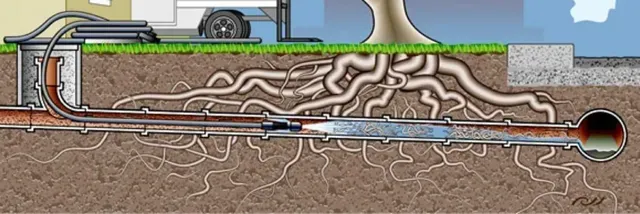
Hidden flooding typically begins with plumbing components that are either concealed from everyday view or located in spaces where leakage does not immediately trigger obvious symptoms. Common culprits include supply lines under sinks, behind toilets, and near washing machines; drain lines running through walls or ceilings; and water heater connections, especially where flexible hoses or corroded fittings are present. In slab‑on‑grade homes, leaks under the foundation may not surface directly but can instead travel through the surrounding soil, raising groundwater levels or creating hot spots of moisture that eventually affect the interior structure.
Another source of hidden flooding is appliances that connect to both water supply and drainage systems. Dishwashers, washing machines, and refrigerators with built‑in icemakers often sit in locations where water can pool unseen unless actively inspected. Over time, rubber hoses can degrade, clamps can loosen, and connections can fail, especially when subjected to repeated cycles of use, vibration, or minor pressure changes. When these failures occur in enclosed spaces such as cabinets, utility closets, or behind panels, the water may be absorbed by surrounding materials rather than spilling openly onto the floor, which delays detection and increases the risk of prolonged exposure to moisture.
Early warning signs and routine visual checks
One of the most effective ways to prevent hidden flood damage is to train household members to recognize subtle warning signs that may indicate a developing leak. Recurring damp spots on ceilings or walls, especially those that reappear after painting or patching, often signal that water is infiltrating from above, usually from a bathroom or kitchen fixture. Discoloration along baseboards, bubbling or warping of flooring, and unusually soft or spongy areas underfoot can all point to long‑term exposure to moisture. In addition, persistent musty or mildewy odors, even after cleaning, are strong indicators that a hidden area may be damp enough to support mold growth.
Regular visual checks are a simple but powerful way to catch these problems early. Homeowners should periodically inspect under sinks, behind toilets, around water heaters, and near appliances for any sign of moisture, mineral buildup, or staining. Visible supply hoses and connections should be examined for bulging, brittleness, or discoloration, and any flexible braided hoses older than five to seven years should be considered for preventive replacement. During these inspections, it is also helpful to listen for unusual sounds, such as dripping, hissing, or continuous running water, which can sometimes point to leaks that are not yet visible. Using basic plumbing tools, such as a flashlight, a small mirror for hard‑to‑see spaces, and a simple moisture meter, can enhance the effectiveness of these checks and provide an added layer of reassurance.
Leveraging technology for leak detection and monitoring
In addition to manual inspections, modern leak‑detection and monitoring technology can significantly reduce the risk of hidden flood damage. Smart water‑leak sensors can be placed under sinks, in basements, around water heaters, and near appliances to detect the presence of water and send alerts to a smartphone or tablet. Some advanced systems combine sensors with automatic shutoff valves that can stop the water supply when a leak is detected, greatly limiting the volume of water that can be released before anyone arrives on site. These devices are particularly useful in homes where residents travel frequently or where the property is left unoccupied for extended periods.
Whole‑house water‑monitoring systems go a step further by tracking flow rates and pressure changes across the plumbing network. Such systems can identify abnormal patterns, such as continuous water use when no one is home or a sudden spike in flow that may indicate a burst line. Some platforms also integrate with home‑automation systems, allowing homeowners to remotely confirm whether a suspected leak is genuine or simply a temporary fluctuation. While these technologies are not substitutes for regular maintenance and inspection, they add a continuous layer of oversight that can catch hidden problems long before they become visible. In situations where an alert indicates a serious leak, contacting emergency services or a licensed plumber immediately can prevent escalation and minimize both structural and financial damage.
Managing water heaters, supply lines, and drainage
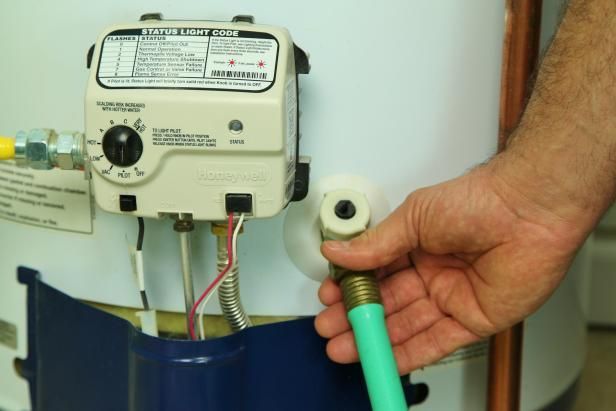
Water heaters and their associated supply and discharge lines represent a common source of hidden flood damage, especially when components are aging or improperly maintained. Sediment buildup inside the tank, failing temperature and pressure relief valves, or corroded connections can all contribute to leaks that may not be immediately obvious. When water does escape, it often travels along the floor or down a wall, soaking into cabinetry, insulation, or framing before spreading outward. To reduce this risk, homeowners should periodically inspect the area around the water heater for any signs of moisture, test the pressure relief valve according to manufacturer guidelines, and flush the tank to remove accumulated sediment.
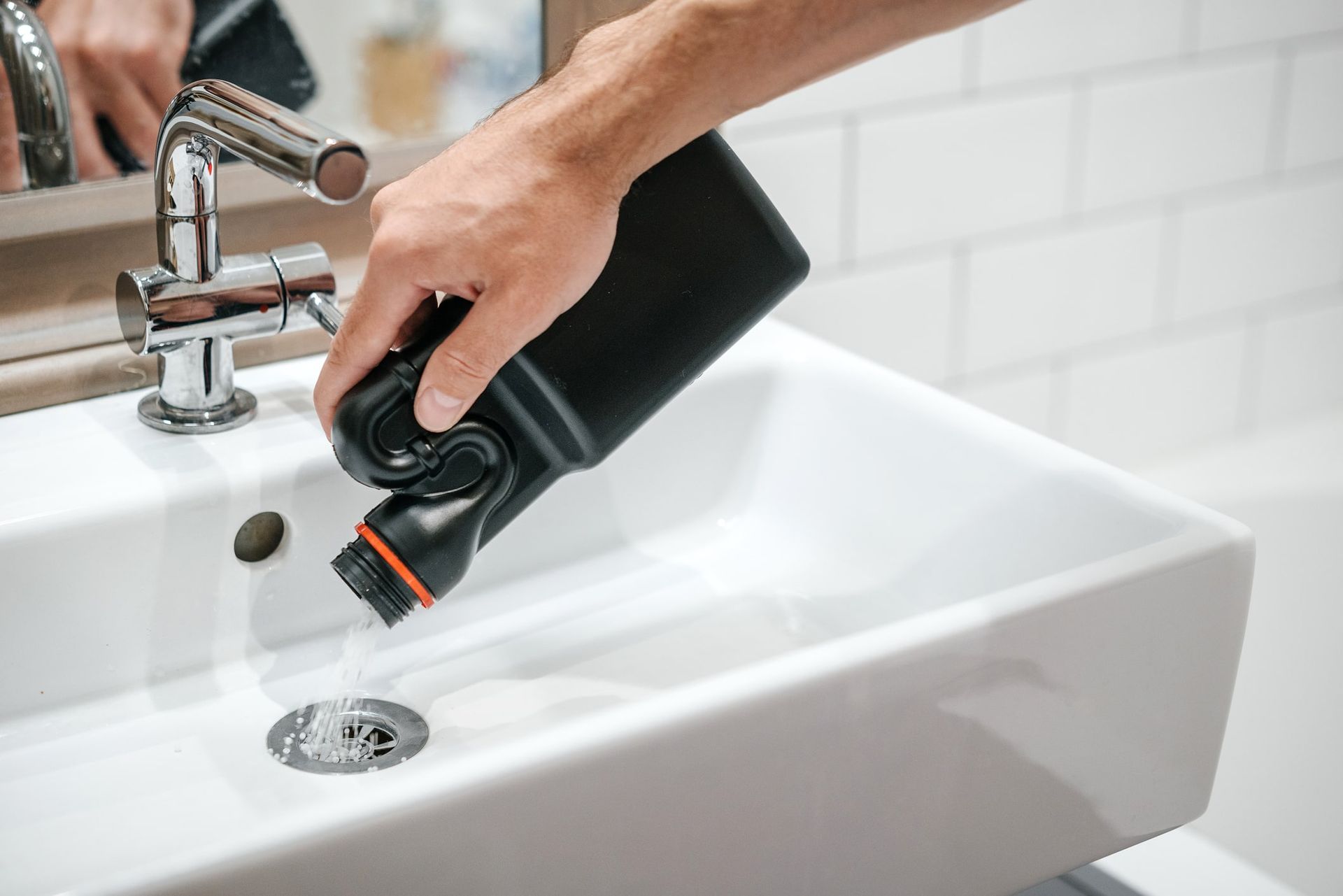
Supply lines and drainage systems also require careful management. Flexible supply hoses under sinks and appliances should be checked regularly and replaced before they show obvious signs of wear, and trap areas under sinks and in floor drains should be cleaned periodically to prevent clogs that can cause slow backups or overflow. In homes with older plumbing, it is wise to keep an eye on the water quality; if water turns suddenly cloudy or discolored after no recent work has been done, it may indicate that sediment or corrosion has been disturbed inside the system, which can be a sign of internal degradation that may increase the risk of future leaks. Investigating such changes early, rather than ignoring them, helps homeowners stay ahead of potential problems and protects both the plumbing and the structure.
Seasonal and environmental considerations
The risk of hidden flood damage is not constant throughout the year; it can fluctuate with seasonal and environmental conditions. In colder climates, freezing and thawing cycles can place significant stress on pipes, especially in areas that are poorly insulated or exposed to outdoor temperatures. When water freezes inside a line, it expands and can crack or weaken the pipe, and the resulting leak may only become visible when the ice melts and water begins to seep into surrounding materials. In milder climates, high humidity and temperature swings can accelerate corrosion at joints and fittings, which can eventually lead to small leaks that remain hidden until substantial damage has occurred.
Weather patterns and external water sources can also contribute to hidden flooding. Heavy rainfall or melting snow may cause water to infiltrate basements, crawl spaces, or foundation walls, especially if drainage systems are clogged or grading around the home is inadequate. While this type of water intrusion is not always directly related to plumbing, it can interact with existing moisture issues, mold, and weakened structural materials in ways that compound the overall damage. Homeowners should pay attention to gutters, downspouts, and exterior grading to ensure that rainwater is directed away from the foundation, and they should inspect basement and crawl‑space areas regularly for any signs of dampness, staining, or efflorescence on walls. Early intervention in these areas helps prevent the gradual accumulation of water that can undermine the home’s integrity over time.
Professional inspections, emergency response, and preventive maintenance
Even the most diligent homeowners can benefit from periodic professional inspections that go beyond what can be seen with the naked eye. Licensed plumbers can perform pressure tests, camera inspections, and leak‑detection scans that reveal hidden issues in pipes, drains, and waste lines before they lead to significant flooding. In older homes, where some sections of the plumbing may be hidden behind finished walls or below concrete slabs, these evaluations are particularly valuable. A thorough inspection can identify thinning pipe walls, corroded joints, or compromised traps that are at risk of failure and may recommend targeted repairs or complete replacement of vulnerable sections before an incident occurs.
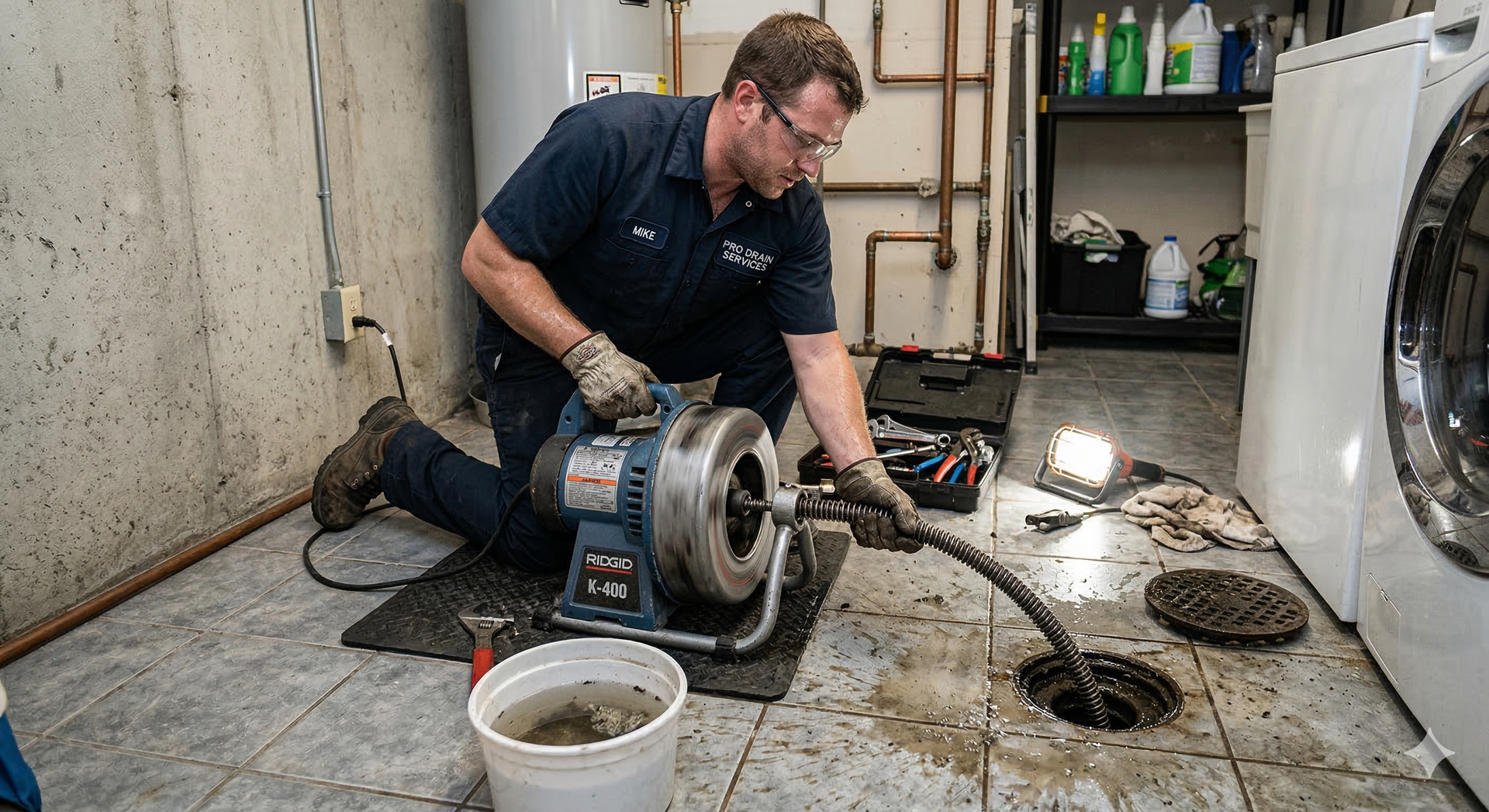
When a suspected or confirmed leak does appear, knowing when and how to access professional help is crucial. In cases where water is pooling quickly, where electrical components are exposed, or where structural elements appear compromised, it is important to activate emergency services rather than trying to contain the situation with makeshift measures. Plumbers equipped with the right plumbing tools can locate the source of the leak, shut off water at the appropriate valve, and begin repairs or containment without further damaging the system. In addition, companies such as All City Plumbers often provide follow‑up services, including water‑damage guidance and coordination with restoration professionals, which helps ensure that both the cause and the consequences of the leak are addressed comprehensively.
Integrating prevention into everyday home maintenance
Preventing hidden flood damage is most effective when it is integrated into overall home maintenance rather than treated as an isolated emergency response. This means setting aside time on a regular basis—such as once a month or seasonally—to walk through the home and inspect known high‑risk areas, test safety devices, and verify that no new signs of moisture have appeared. Homeowners can create a simple checklist that includes items such as checking supply hoses, inspecting around the water heater, reviewing alarm and sensor batteries, and confirming that gutters and exterior drains are clear. Keeping records of inspections, repairs, and any incidents of water infiltration can also help identify recurring patterns and prioritize areas for improvement.
Education and communication within the household are equally important. Every adult should understand where the main water shutoff valve is located and how to operate it, and younger family members should be taught to report any unusual sounds, smells, or visual signs related to water. When guests or housekeepers are present, brief instructions on how to respond to a suspected leak can reduce the chance that a small problem will be ignored while owners are away. By treating hidden flood damage as a preventable rather than inevitable risk, and by combining routine checks, technology, and professional support, homeowners can create a more resilient environment that protects both their property and their peace of mind.
Conclusion
Effectively preventing hidden flood damage requires a layered approach that combines awareness, technology, routine maintenance, and timely professional intervention. Hidden leaks can originate from a variety of sources—pipes, appliances, water heaters, drainage systems, or even environmental infiltration—and they often progress silently until substantial damage has accumulated. By paying attention to early warning signs, using leak‑detection devices and monitoring systems, and maintaining a proactive inspection schedule, homeowners can catch problems while they are still manageable. When water turns suddenly cloudy, when odd sounds or smells appear, or when moisture is detected in unexpected places, these are cues to investigate, act, and, if necessary, contact emergency services or a trusted plumbing firm such as All City Plumbers. With the right combination of vigilance and the proper use of plumbing tools and procedures, hidden flood damage can be minimized, preserving the home’s structure, safety, and long‑term value.