Why The Water Shut-Off Valves Are a Home’s Lifeline?

Hadi Masood

Water shut‑off valves are often one of the most overlooked yet critical components of a home’s plumbing system. When a burst pipe, leaking appliance, or failing fixture releases water uncontrollably, these valves are what stand between a minor leak and a major flood. In many ways, they function as a home’s silent lifeline—available at a moment’s notice to stop the flow, reduce damage, and buy time for professional intervention. Understanding why water shut‑off valves are so essential, where they should be located, and how to use them properly can dramatically change the outcome of a plumbing emergency. This article explores the fundamental role of shut‑off valves in protecting property, ensuring safety, and supporting long‑term plumbing health.


The engineering role of water shut‑off valves

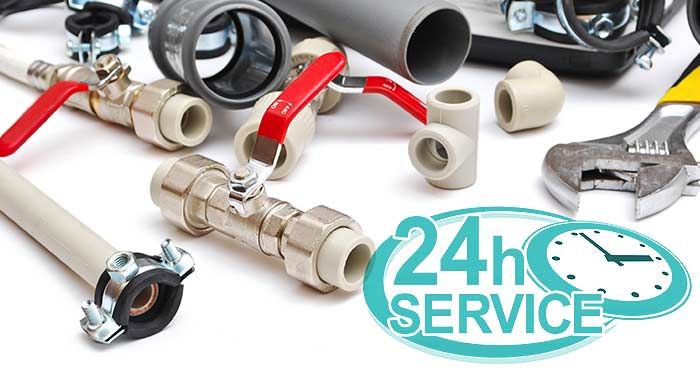
From an engineering standpoint, water shut‑off valves are designed to isolate specific parts of the plumbing system from the main water supply, either at the whole‑house level or at the fixture level. The main shutoff valve, typically located near the water meter, the point of entry, or in a utility room, serves as the primary gatekeeper that controls all incoming water. When this valve is closed, the entire pressurized network inside the home is cut off, which stops any active leak or uncontrolled flow from continuing to spread through walls, floors, and ceilings. In older homes, this valve may be a gate valve or a ball valve, while newer installations often favor quarter‑turn ball valves because they can be opened and closed quickly and with minimal effort.

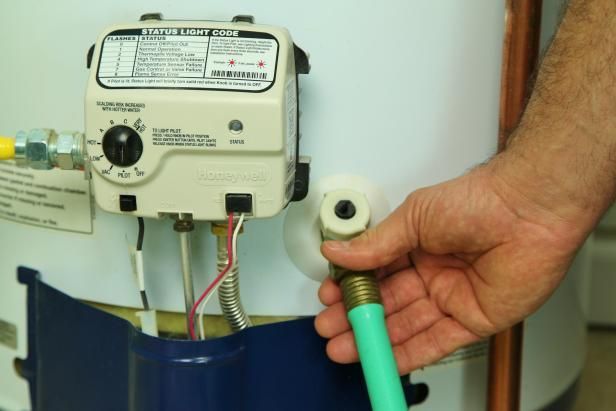
Individual fixture shut‑offs, on the other hand, are smaller valves located under sinks, behind toilets, near washing machines, and close to water heaters. These local valves allow homeowners to isolate a single fixture or appliance without shutting down the entire house, which is useful for minor repairs, cartridge replacements, or routine maintenance. From a systems perspective, this layered approach—main shutoff plus multiple local valves—creates redundancy and flexibility, so that a problem in one area of the house does not necessarily require a total water shutdown. When properly installed and maintained, shut‑off valves effectively turn a home’s plumbing into a segmented network that can be controlled precisely in the event of a malfunction.


Preventing flood damage and minimizing property loss

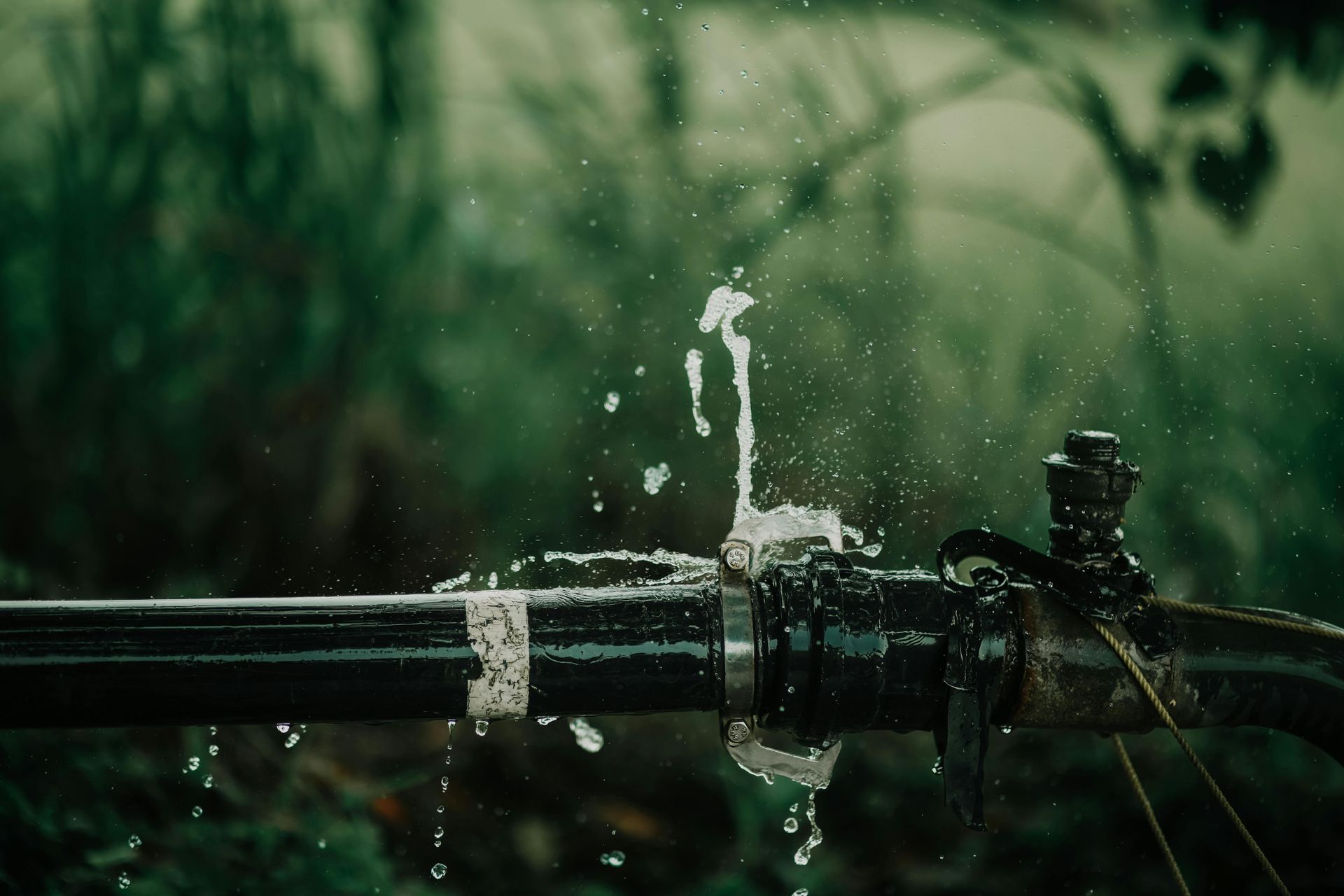
One of the most tangible benefits of water shut‑off valves is their ability to prevent or significantly reduce flood damage. A burst pipe under a washing machine, a leaking water heater relief valve, or a failed shower supply line can release hundreds of gallons of water in a short period, especially if no one is home to notice the first signs of trouble. In many cases, the difference between moderate cleanup and catastrophic structural damage comes down to whether someone can quickly locate and operate the appropriate shut‑off valve. Closing the main valve or isolating the affected fixture within minutes can limit the volume of water released, restrict the area that becomes saturated, and lower the cost of repairs and insurance claims.

Water that escapes into walls, under flooring, or around electrical components can soften framing, rot insulation, and encourage mold growth, all of which can remain hidden for days or weeks if not addressed promptly. In multi‑story homes, an upper‑level leak that goes uncontrolled can saturate ceilings and even drip into living spaces below, creating a chain reaction of damage. When a shut‑off valve is used early in the incident, it interrupts this chain and gives residents time to call for professional help, whether that is a plumber or emergency services that specialize in water damage restoration. In this way, the valve is not just a mechanical component; it becomes a critical control point that directly influences the safety and financial impact of a plumbing event.


Safety, health, and everyday household protection

Beyond property protection, shut‑off valves also play a key role in safety and health. A leaking water heater, a malfunctioning sump discharge, or a burst pipe in a tight space can create slippery surfaces, electrical hazards near outlets or appliances, and the risk of injury from rushing water or falling debris. When residents can quickly shut off the water, they can stabilize the environment, move people and pets to safer areas, and begin containment measures such as mopping, using absorbent materials, or opening windows for ventilation. In homes with older or corroded plumbing, unexpected leaks are more common, and the presence of functional shut‑off valves reduces the need for risky improvised attempts to stop the flow with towels, buckets, or other unreliable methods.

From a water‑quality perspective, sudden changes in plumbing conditions—such as cutting into a line, installing a new fixture, or rerouting a supply—can sometimes cause water to turn suddenly cloudy or discolored for a short period. This is often due to trapped air or sediment being disturbed and flushed through the system, but it can also indicate a more serious issue such as corrosion or contamination. Being able to shut off the water at the source allows homeowners to investigate the cause without continuing to expose fixtures, filters, or appliances to potentially compromised water, especially in kitchens or bathrooms where drinking and food preparation occur. In these situations, knowing how to use shut‑off valves empowers residents to protect both their property and their health while waiting for professional clarification or corrective action.


Integration with emergency response and professional help

When a plumbing emergency escalates beyond basic containment, water shut‑off valves become the first line of defense before calling professional help. In many cases, emergency services plumbers or water‑damage specialists will ask homeowners whether they have already shut off the main water supply or isolated the affected fixture before arriving on site. Having done so can streamline the response, reduce the initial volume of water that needs to be removed, and allow technicians to focus on identifying the root cause rather than scrambling to install temporary shutoffs. In larger or older homes, where multiple valves may be present, it is helpful to label each one clearly so that even someone unfamiliar with the house—such as a guest or a maintenance worker—can follow basic instructions in a crisis.

For frequent residents or property owners who want a higher level of preparedness, establishing a relationship with a trusted plumbing company is another way to integrate shut‑off valves into an emergency plan. Firms such as All City Plumbers can provide guidance on optimizing valve placement, upgrading older or difficult‑to‑turn valves, and creating a simple household protocol that includes checking valve functionality during routine maintenance visits. When a serious incident occurs and the situation cannot be managed with basic tools, these professionals can deploy additional control measures, such as temporary bypass systems or pressure‑regulating devices, while still relying on the home’s primary shut‑off infrastructure to keep the event contained. In this light, the valves are not just hardware but part of a broader safety ecosystem that links homeowner action with professional support.


Practical considerations: location, maintenance, and household training

For water shut‑off valves to serve as a true lifeline, they must be accessible, functional, and understood by everyone in the household. The main shutoff valve should be located in an area that is easy to reach, even in low‑light conditions or when floors are partially wet, and it should be clearly labeled so that there is no confusion about which handle or wheel controls the water. In homes with limited mobility or multiple occupants, installing a valve in a more convenient location or using a universal‑turn handle can make operation easier during stressful moments. Local shut‑offs under sinks and behind toilets should be periodically checked to ensure they can still be opened and closed smoothly, because corroded or seized valves may fail exactly when they are needed most.

In addition to mechanical maintenance, it is important to train all household members on how to find and operate shut‑off valves. Younger children can be taught to recognize the main valve and to alert an adult immediately if they notice water where it should not be, while older children and teenagers can be shown how to close both the main valve and individual fixture valves under supervision. Regular practice drills, similar to fire or severe‑weather drills, help reinforce this knowledge and reduce panic during a real emergency. When visitors or temporary occupants are staying in the home—such as houseguests or renters—posting simple diagrams or written instructions that explain where the valves are and how to use them can further strengthen the household’s preparedness.


Long‑term benefits for home maintenance and system upgrades

Beyond emergency situations, water shut‑off valves provide significant long‑term benefits for routine home maintenance and system upgrades. They allow homeowners and plumbers to perform repairs, replace fixtures, or service water heaters without turning off the water for the entire house, which minimizes disruption to daily life. For example, fixing a dripping faucet under the kitchen sink can be done by closing the local shutoffs and draining the line, rather than enduring hours without water in bathrooms, laundry areas, or other parts of the home. This targeted approach supports a more efficient, less intrusive maintenance routine and encourages regular inspections and tune‑ups instead of waiting for failures to occur.

Valves also play a supportive role when more extensive work is undertaken, such as replacing a section of pipe, installing a new water heater, or modifying a drain system. By isolating the work area, plumbers can often keep the rest of the home’s plumbing running normally, which is especially important in larger households or multi‑family dwellings. During these projects, the presence of reliable shut‑off valves helps prevent cross‑contamination, sediment buildup, or other side effects that might cause water to turn suddenly cloudy or discolored after the work is completed. When residents understand that such temporary changes are usually benign and can be mitigated by flushing the system, they are less likely to feel alarmed by short‑term water‑quality shifts.


Conclusion

Water shut‑off valves truly function as a home’s lifeline because they offer immediate control over one of the most powerful and potentially destructive forces inside the house: pressurized water. When a leak or burst occurs, these valves can stop the flow, limit damage, and create the breathing room needed to call for professional help, including emergency services plumbers or specialized water‑damage technicians. Their presence supports not only structural and financial protection but also the safety and health of everyone in the household, enabling quick response to emergencies and facilitating smoother routine maintenance. By ensuring that main and local shut‑off valves are accessible, well‑maintained, and understood by all residents, homeowners transform an often‑overlooked plumbing detail into a central pillar of home safety and resilience.
How to Effectively Prevent Hidden Flood Damage?
by Hadi Masood 21 April 2026
Learn how to effectively prevent hidden flood damage with proactive inspections, leak‑detection technology, and smart maintenance so small leaks never turn into costly structural problems in your home.
How to Effectively Protect Plumbing During Renovations?
by Hadi Masood 20 April 2026
Learn how to protect your home’s plumbing during renovations with expert tips on shielding pipes, coordinating with contractors, and preventing leaks, pressure issues, and water quality problems while remodeling.
How to Prepare Plumbing Systems Before Long Holidays?
by Hadi Masood 17 April 2026
Learn how to prepare your home’s plumbing before a long holiday with step‑by‑step guidance on shutting off water, inspecting fixtures, and protecting pipes so you return to a dry, trouble‑free home.
How to Efficiently Maintain Plumbing in Vacation Homes?
by Hadi Masood 17 April 2026
Learn how to maintain plumbing in a vacation home with seasonal checklists, winterization tips, and professional support so your property stays leak‑free and ready for guests all year round.
Why Plumbing Failures Spike During Winter Nights?
by Hadi Masood 13 April 2026
Plumbing failures tend to spike during winter nights for a combination of environmental, mechanical, and behavioral reasons that place extra stress on pipes, fixtures, and water systems. Cooler outdoor temperatures, rapid temperature swings, and reduced household activity create conditions where marginal weaknesses in the plumbing network are more likely to reveal themselves as leaks, bursts, or pressure‑related failures. Understanding why these problems surge after dark in the colder months allows homeowners to anticipate issues, plan preventive measures, and respond more effectively when things go wrong. This article explores the physics of winter plumbing stress, the role of household usage patterns, and the way recent repairs and system changes can create hidden vulnerabilities that may not show up until the quiet hours of winter nights. The physics of cold temperatures and pipes During the winter, outdoor air and soil temperatures drop, and in many homes this coolness penetrates into unheated spaces such as basements, crawl spaces, garages, and exterior walls. When water sits in pipes that are exposed to these colder environments, the fluid begins to lose heat and can approach or even reach freezing, especially overnight when indoor heating is reduced and activity is minimal. As water freezes, it expands, and this expansion exerts significant outward pressure against the pipe walls. Even a small section of ice that forms inside a line can block the flow and create a localized pressure spike on the upstream side, which increases the risk of a joint, valve, or weak section of pipe failing. Pipes that are already weakened by age, corrosion, or previous repair work are especially vulnerable in these conditions. Older galvanized steel or thin‑walled copper lines may have developed microscopic cracks or thinning over time, and when combined with freezing‑related pressure, these defects can propagate quickly into full ruptures. In some cases, the damage may not become visible until the thaw begins, when the melted water finds the weakest point in the system and leaks out. This delayed manifestation is one reason why plumbing failures often seem to “appear out of nowhere” during the night and are only noticed in the morning, sometimes after significant damage has occurred. Why failures cluster during winter nights Winter nights are when several risk factors converge. First, outdoor temperatures are typically at their lowest, and the interior of the home is often set to a lower thermostat setting as people sleep, which reduces the amount of residual heat reaching plumbing in exterior walls, attics, and basements. Second, household water use slows dramatically overnight, so warm water from showers, laundry, or dishwashers is not cycling through the system to keep pipes at a more stable temperature. This combination of reduced heat input and minimal water movement allows stagnant water in vulnerable lines to cool more quickly and approach freezing. Another contributing factor is that many homes are designed with some plumbing routes running through unconditioned spaces, such as along the perimeter of basements or through exterior walls. These lines are often less insulated than the main supply trunk, and they may be located near drafty windows, doors, or uninsulated foundation openings. As the night progresses, these areas can become significantly colder than the rest of the house, increasing the probability that any marginal section of pipe will be the first to freeze or fail. When the failure occurs, the resulting leak or burst may go unnoticed for hours, allowing water to accumulate on floors, soak into walls, or contribute to ice formation that further stresses the system. The role of thermal expansion and pressure changes Beyond freezing, another important cause of winter‑night plumbing failures is the interaction between thermal expansion and water pressure. When water is heated, it expands, and the volume increase can raise pressure within a closed system. In many homes, water heaters operate on a schedule or in response to demand, and the temperature of the water may remain elevated overnight if the thermostat is set high or if the unit is recovering from daytime use. If the system lacks proper expansion‑control devices, such as expansion tanks, this extra pressure can accumulate in the distribution lines and place added strain on joints, valves, and fixtures. Expansion tanks are designed to absorb the additional volume created when water heats up, effectively cushioning the system and preventing extreme pressure spikes. In homes where these tanks are missing, undersized, or improperly installed, the pressure has nowhere to go except into the weakest part of the plumbing. This can lead to stress fractures in older pipes, failures at threaded connections, or premature wear in water heater components. Over time, repeated cycles of heating and cooling—especially during colder months when the temperature differential between the incoming cold water and the heated supply is greatest—can fatigue system components until one night they finally give way, often during the quiet hours when no one is actively using water. How repairs and upgrades introduce new risks Paradoxically, plumbing repairs and upgrades can sometimes contribute to the winter‑night spike in failures. When a section of pipe is replaced, a new valve installed, or a different water heater is fitted, the system’s dynamics can change in subtle ways that do not immediately reveal themselves. For example, replacing a long, older section of flexible pipe with a shorter, stiffer one can alter the way the system absorbs thermal expansion and vibration, creating new stress points. Changes in pipe routing or diameter can also affect flow velocity and pressure distribution, which may place extra load on certain fittings or fixtures. Another concern is water pressure spikes after plumbing repairs . If a line is temporarily depressurized during work, air can enter the system and later be compressed rapidly when water is reintroduced, causing a brief surge in pressure. In some cases, technicians may inadvertently adjust or disable pressure‑regulating components, or the new configuration may expose previously hidden weaknesses to higher pressure than they were designed to handle. These issues may not become apparent during normal daytime use, but overnight, when the system is quiet and pressure can build, the weakest joint or connection may finally fail. This delayed manifestation can make it seem as though a newly repaired system is suddenly “falling apart,” when in fact the underlying stress was always present and was only brought to the surface by the change in conditions. Climate, insulation, and home design factors The rate at which plumbing failures spike during winter nights also depends heavily on local climate patterns and the quality of a home’s insulation and weatherization. Homes in regions with frequent freeze‑thaw cycles are particularly vulnerable, as pipes repeatedly experience contraction and expansion with temperature changes. Each cycle can slowly fatigue joints and fittings, and over several winters these small stresses accumulate into larger structural weaknesses. In homes with poor insulation around plumbing chases, drafty attics, or unsealed foundation penetrations, cold air can infiltrate spaces where pipes are routed, accelerating the cooling of water and increasing the likelihood of freezing or pressure‑related failures. Interior layout and heating design also play a role. Central heating systems that primarily warm main living areas may leave peripheral rooms, hallways, or basements significantly cooler, especially at night. If plumbing lines serving these cooler areas are not adequately insulated or located within the building’s conditioned envelope, they will experience more extreme temperature swings than lines in warmer rooms. Similarly, homes with older construction standards may lack modern insulating materials or vapor barriers, which can allow condensation and moisture buildup around pipes, further accelerating corrosion and weakening the system over time. Recognizing these design‑related vulnerabilities is an important step in prioritizing insulation upgrades, pipe relocation, or other protective measures. Behavioral and usage patterns that worsen the problem Household behavior during the winter can unintentionally increase the risk of nighttime plumbing failures. For example, many people close interior doors to unused rooms or basements in an effort to conserve heat, which can also reduce airflow and trap colder air near plumbing that runs along walls or under floors. In some homes, residents may turn down or turn off heat in unoccupied areas or basements, assuming that these spaces can be sacrificed for comfort, not realizing that the pipes in those locations are now more exposed to freezing conditions. Similarly, the tendency to leave faucets dripping during cold spells to prevent freezing can sometimes mask underlying issues, such as slow leaks or pressure imbalances, that may worsen over time. Another behavioral factor is the timing of water use. During the day, frequent showers, laundry cycles, and dishwashing keep water moving through the system, which helps maintain a more stable temperature and reduces the chance of stagnant water freezing. At night, however, usage plunges, and water can sit for hours in sections of pipe that are more exposed to cold. This stagnation increases the probability that the coldest section of the line will be the one that freezes, especially if it is already weakened by corrosion or prior damage. By understanding how everyday habits interact with the physical realities of winter plumbing, homeowners can adjust their routines—such as slightly increasing nighttime heat in key areas or insulating exposed lines—to reduce the strain on the system without major renovation. When to call professionals for winter‑related issues Despite best efforts, some winter plumbing failures are unavoidable, particularly in older homes or systems that have already suffered years of wear. When a leak, burst pipe, or significant pressure fluctuation occurs overnight, it is important to act quickly to minimize damage and restore safety. In many cases, homeowners benefit from working with experienced plumbing professionals who understand the seasonal dynamics of residential systems and can diagnose not only the immediate failure but also underlying contributors such as inadequate expansion tanks, poor insulation, or latent weaknesses exposed by water pressure spikes after plumbing repairs. Reliable companies that offer comprehensive winter‑plumbing services, including emergency calls and system evaluations, can help families reduce the frequency and severity of winter‑night failures. For example, firms such as All City Plumbers can provide guidance on insulating vulnerable pipes, adjusting pressure‑regulating devices, and replacing aging components before they reach their breaking point. By integrating professional assessments into regular seasonal maintenance, homeowners can turn winter from a period of fear and surprise into one of predictable, managed care that protects both property and peace of mind. Conclusion Plumbing failures spike during winter nights because cold temperatures, reduced water movement, and thermal expansion combine to place extra stress on an already aging or marginally stable system. Exposure to freezing air, insufficient insulation, and design choices that route pipes through unheated spaces all increase the likelihood that a weak joint, undersized section, or fatigued component will finally fail. Repairs and upgrades can unintentionally introduce new stress points, and water pressure spikes after plumbing repairs may expose hidden weaknesses that only become apparent after the system has settled overnight. By understanding these mechanisms and taking proactive steps—such as adding or servicing expansion tanks , improving insulation, and relying on professional help when problems arise—homeowners can significantly reduce the risk of sudden, disruptive plumbing emergencies during the coldest hours of the year.
How to Train Your Family for Plumbing Emergencies?
by Hadi Masood 8 April 2026
Learn how to train your family for plumbing emergencies with clear roles, safety drills, and simple maintenance habits, so everyone knows how to respond quickly and safely when leaks, floods, or water heater failures occur.
How to Identify High-Risk Plumbing Zones in Your Home?
by Hadi Masood 7 April 2026
Learn how to identify high‑risk plumbing zones in your home, from hidden leaks behind walls to aging pipes and appliances, and discover when to call professionals for maintenance or emergency services to prevent costly water damage.
Know When to Shut Off Water to Your Entire Block?
by Hadi Masood 6 April 2026
Know when to shut off water to your entire block during major leaks, contamination, or disasters—essential guide with procedures, legal tips, and alternatives.
The Warning Signs Your Water Heater Is About to Fail
by Hadi Masood 3 April 2026
Spot the early warning signs your water heater is failing—noises, leaks, discolored water, and more. Learn causes, risks, and when to call pros for timely fixes.
Water Heater Anode Rod Replacement: Overlooked Step
by Hadi Masood 2 April 2026
Discover why water heater anode rod replacement is the overlooked step to extend tank life, prevent leaks, and save money—complete DIY guide with tips from pros.