The Warning Signs Your Water Heater Is About to Fail
Water heaters power daily routines, delivering hot water for everything from morning showers to evening laundry. These reliable workhorses typically last 8 to 12 years, but failure often strikes without much warning, leading to cold showers, flooding, or skyrocketing repair bills. Recognizing early distress signals allows homeowners to act before a full breakdown occurs, potentially saving hundreds or thousands in replacement costs. Modern units, whether tank-style or tankless, share common vulnerability points like corrosion, sediment buildup, and component wear.
Ignoring subtle cues turns minor issues into catastrophes. Industry data reveals that proactive homeowners who heed warning signs extend appliance life by years and avoid emergency disruptions. This guide breaks down the most telling indicators, explaining their causes, implications, and next steps. By staying vigilant, you transform potential disasters into manageable maintenance opportunities.
Noises That Signal Internal Trouble
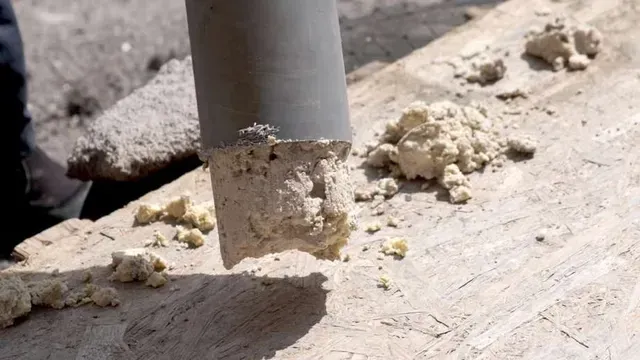
Strange sounds from your water heater often herald impending failure. The most common is a rumbling or popping noise during operation, caused by sediment accumulation on the tank bottom. Minerals in hard water form a crusty layer that heats unevenly, creating steam pockets that burst like popcorn—hence the pops. Over time, this insulates the tank, forcing the burner or element to overwork and risking burnout.
Knocking or banging points to loose components or expanding metal under thermal stress. In gas models, this might indicate a failing dip tube that directs cold water incorrectly, leading to inefficiency. Listen during heating cycles; persistent noise means sediment flush is overdue. All City Plumbers sees this daily in older water heaters neglected for years. Addressing it early prevents cracks from thermal expansion, which could rupture the tank and flood your home.
Discolored or Foul-Smelling Water
Water quality changes scream trouble inside the tank. Rusty or brown hot water flows from corrosion eating through the anode rod or tank lining. The rod sacrifices itself to protect steel, but when depleted, iron oxide taints your supply, staining sinks, toilets, and laundry. This isn't just aesthetic—ingested particles harm health over time.
A rotten egg odor signals bacterial growth in stagnant, sediment-laden water, especially at temperatures below 140°F where sulfate-reducing bacteria thrive. This hydrogen sulfide smell worsens with disuse, like vacations. Cold water unaffected? It's definitely the heater. Test by running hot taps; if issues persist after flushing, internal decay is likely. Water pressure spiking after plumbing repairs can stir sediment, amplifying discoloration temporarily, but ongoing problems demand inspection. Prompt action halts contamination spread.
Inadequate Hot Water Supply
Failing to deliver enough hot water indicates core malfunctions. If showers go lukewarm midstream or the tank empties faster than usual, suspect a burned-out heating element in electric models or a malfunctioning gas burner. Sediment buildup reduces capacity, as does a fractured dip tube mixing cold water prematurely.
Tankless units might cycle excessively, struggling with demand due to mineral-clogged heat exchangers. Recovery time stretches from minutes to hours, disrupting households. Measure output: a 50-gallon tank should supply two full showers back-to-back at 120°F. Slower reheating points to failing thermostats or insulation breakdown, spiking energy use by 20-30%. Track patterns over days; consistent shortages mean professional diagnosis to avert total loss.
Visible Leaks and Corrosion
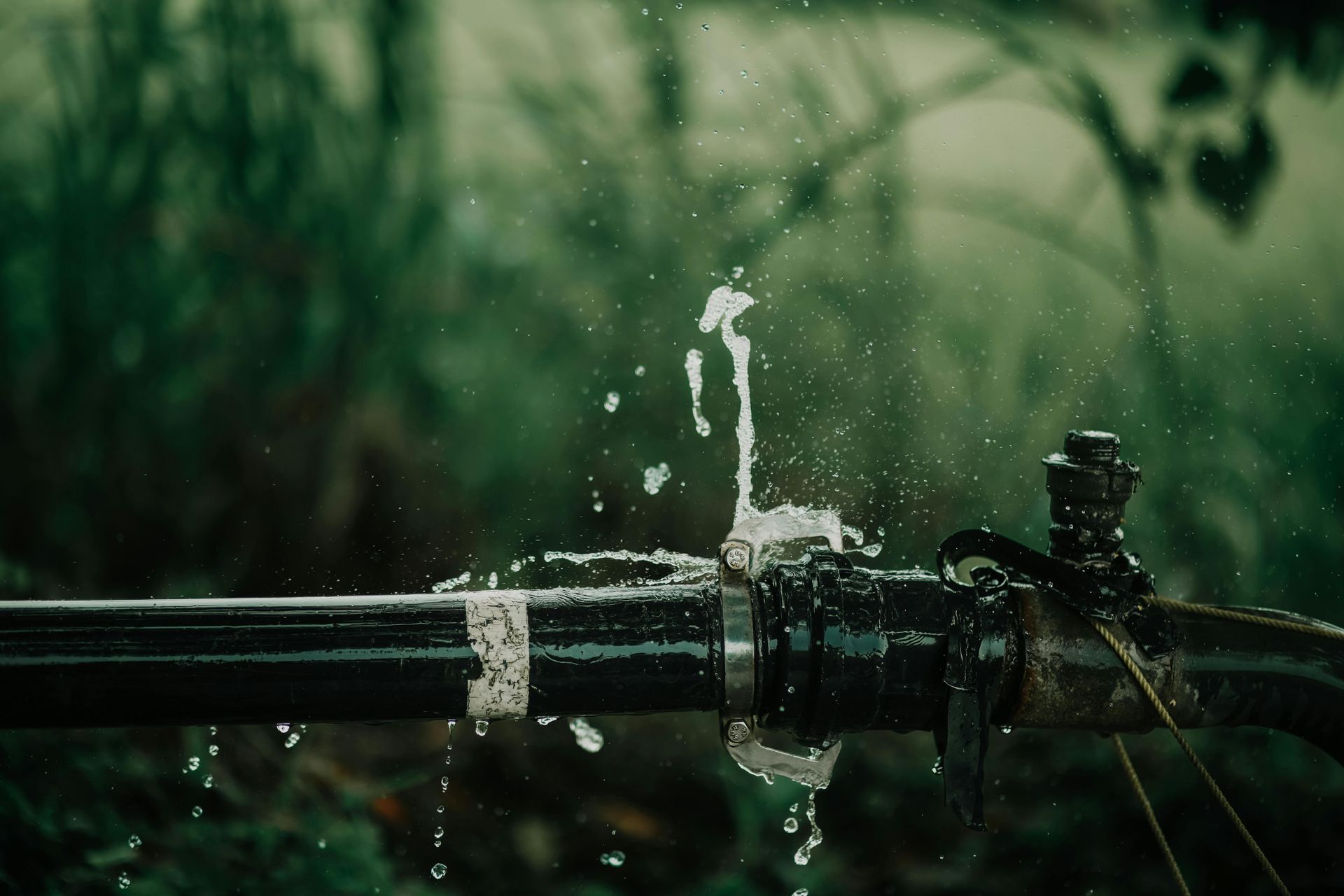
Leaks are the most overt failure sign, demanding immediate shutdown. Dripping from the base signals tank rupture from rust-through, often after years of anode neglect. Pressure relief valve leaks indicate overpressure from faulty thermostats or thermal expansion tanks. Top fittings weep from loose connections or degraded gaskets.
External corrosion on the tank jacket foreshadows internal doom, as moisture penetrates seams. Check monthly: puddles, damp floors, or mold nearby spell crisis. Gas models add yellowing flame or soot as combustion issues. Water heaters in damp basements accelerate this; elevate units if possible. Never ignore leaks—shut off power/gas and water supply, then call experts to assess rupture risk.
Fluctuating Temperatures and Efficiency Drops
Inconsistent temperatures reveal thermostat or sensor failures. Hot water scalds one minute, chills the next, due to erratic cycling or mineral-insulated elements. This endangers safety, especially for families with children or elderly members.
Efficiency plummets too: higher utility bills despite normal use stem from failing insulation, leaks, or dirty burners losing 10-15% output. Monitor meters; a 20% jump warrants checks. Aging valves contribute, restricting flow and mimicking low pressure. Combine this with other signs for failure confirmation.
When to Call Professionals
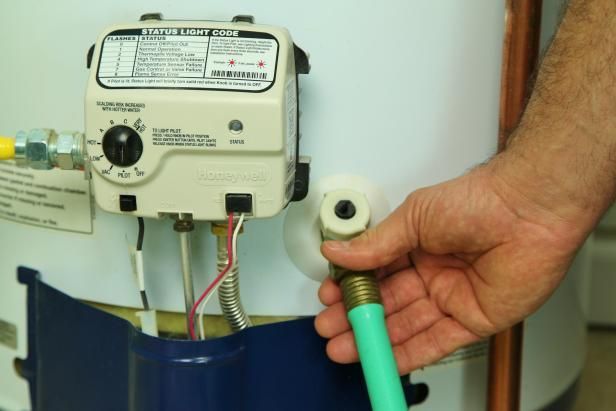
DIY suits minor flushes, but brewing failure needs experts. Persistent leaks, gas smells, or electrical shorts require licensed plumbers to avoid hazards like carbon monoxide or shocks. Diagnostic tools pinpoint issues invisible to novices, like ultrasonic tank scans.
Costs vary: element swaps run $200-400, full replacements $1,000-3,000. Warranties often cover parts with pro service. Baseline inspections every 2-3 years catch problems early.
Conclusion
In conclusion, paying close attention to warning signs such as unusual noises, water discoloration, leaks, and declining efficiency gives homeowners a critical advantage in preventing unexpected water heater failures. These early indicators often signal underlying issues—like sediment buildup, corrosion, or component wear—that can escalate quickly if ignored.
By staying vigilant and addressing problems promptly through routine inspections and maintenance, homeowners can extend the lifespan of their system, maintain consistent performance, and avoid costly emergency repairs or replacements. Ultimately, this proactive approach not only preserves daily comfort but also ensures long-term reliability, making it an essential strategy for protecting both your home and your budget.