How to Prepare Plumbing Systems Before Long Holidays?
Preparing your plumbing system before a long holiday is a practical way to avoid coming home to flooded floors, moldy odors, or a water‑damaged property. Extended absences increase the risk that small leaks, pressure fluctuations, or failing fixtures will go unnoticed for days, turning minor issues into major repairs. By taking the time to inspect, adjust, and secure key components of the plumbing network, homeowners can leave with greater confidence that the house will remain stable while they are away. This article outlines how to systematically prepare a home’s plumbing before a long vacation, covering everything from shutting off water and winterizing to monitoring system health and knowing when to rely on professional help such as All City Plumbers.
Why plumbing demands special attention before long trips
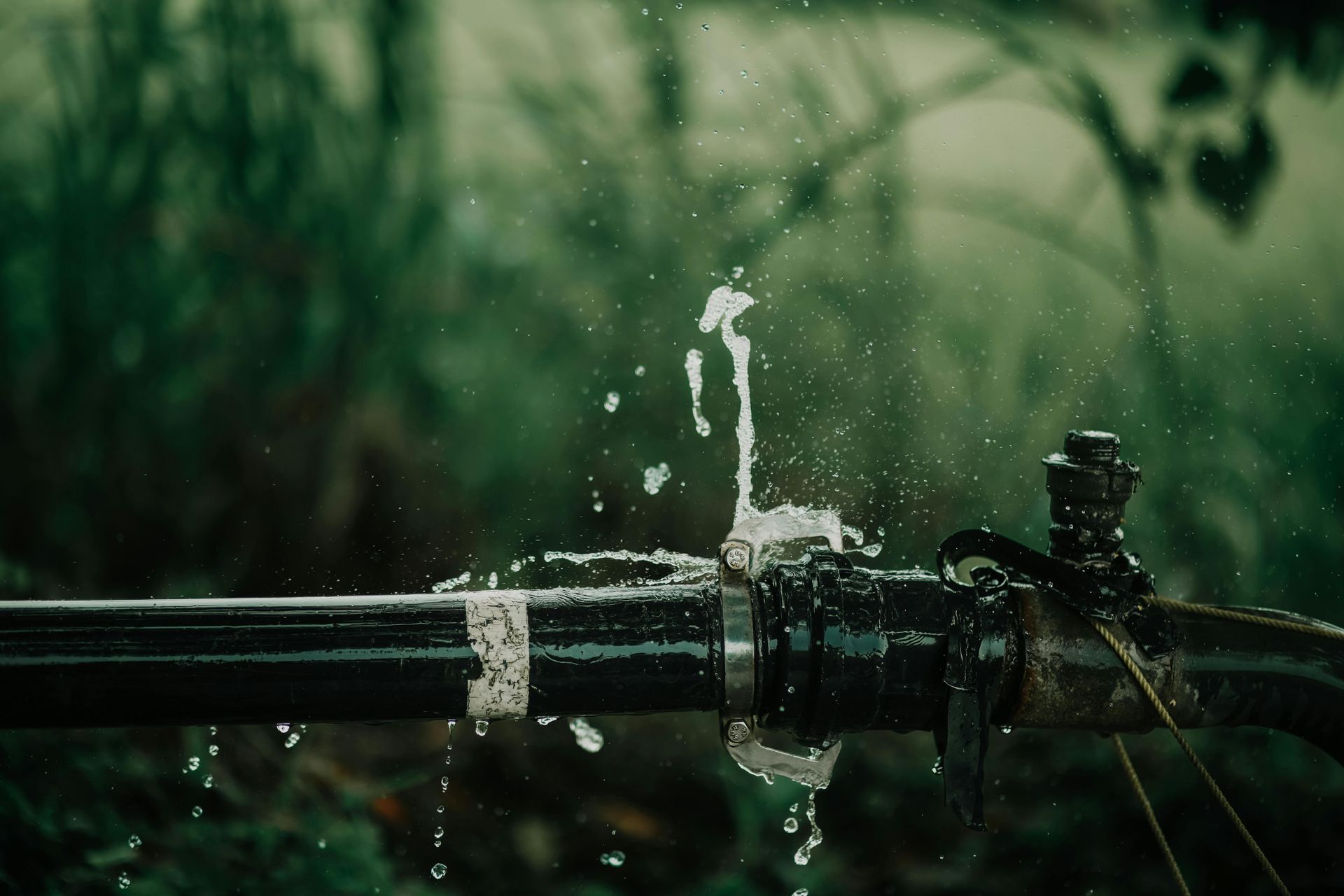
Plumbing systems are often overlooked until something goes wrong, but they are among the most critical household systems to prep before a long holiday. A single burst pipe under a washing machine, a leaking water heater connection, or a slow drip from a supply line can continue running for days without anyone noticing, especially if the home is empty and utilities are left on. Over time, this can saturate floors, walls, and insulation, leading to costly water damage, structural deterioration, and conditions that promote mold and mildew. In colder regions, exposed pipes may freeze and crack when indoor temperatures drop, while in milder climates, stagnant water in tanks and fixtures can encourage bacterial growth and sediment buildup.
Another important reason to plan ahead is that plumbing problems often reveal themselves during quiet periods when the home is unoccupied. Reduced water use means that small leaks or pressure issues may not trigger immediate alerts, and the signs of trouble—such as a damp spot on the ceiling or a musty smell—can be missed until the return. By treating a long holiday as a scheduled maintenance event rather than simply locking the door and walking away, homeowners create an opportunity to catch weak points in the system and address them before they escalate. This proactive approach not only protects the property but also reduces the emotional and financial stress of dealing with an emergency after a trip.
Shifting from reactive to proactive plumbing care
Before a long holiday, it is helpful to shift from a reactive mindset—fixing problems only when they appear—to a proactive one that anticipates and prevents them. This begins with a comprehensive review of the home’s plumbing layout, noting the locations of the main water shutoff valve, individual fixture shutoffs, and any visible supply lines or drains. Taking a few minutes to walk through each room and utility area allows you to identify any fixtures that have been acting up, such as toilets that run intermittently, faucets that drip persistently, or showers that drain slowly. These are signs that the system may need attention before the house is left unattended.
In addition to visible problems, it is important to consider the age and condition of key components such as pipes, water heaters, and pressure‑regulating devices. Older homes may still have galvanized steel or cast‑iron sections that are nearing the end of their service life, while even newer systems can develop issues at joints, valves, or flexible hoses. Any recent plumbing work, such as a line replacement or fixture installation, should be checked for proper performance, as water pressure spikes after plumbing repairs can expose hidden weaknesses that were not evident during the initial testing phase. If you are unsure about the condition of the system or the implications of recent repairs, it is wise to consult a licensed plumber before leaving, especially if the planned absence is more than a week or two.
Draining, shutting off, and protecting the water system
The most common step in preparing plumbing before a long holiday is to shut off the main water supply and, in many cases, drain critical sections of the system. This is especially important if the home will be left unheated or if the trip coincides with cold weather. The main shutoff valve is typically located near the water meter, in a basement, or in a utility closet, and it should be clearly labeled and accessible to all household members. Turning this valve off stops water from entering the house, which immediately reduces the risk of sudden leaks from burst pipes, failed hoses, or malfunctioning appliances.
Depending on the climate and how long the home will be vacant, it may also be advisable to partially or fully drain water from the system. In colder regions, this often includes opening faucets to drain supply lines, flushing toilets to remove water from tanks, and using compressed air or antifreeze mixtures to clear remaining water from pipes and drains. Appliances such as washing machines and dishwashers should be disconnected and drained, and any exposed hoses should be removed or stored in a dry location. In milder climates, some homeowners choose to leave the water on but take extra precautions—such as insulating exposed pipes, sealing drafts, and ensuring that expansion tanks are functioning correctly—to protect against pressure‑related failures and temperature fluctuations that occur while the house sits empty.
Preparing appliances and fixtures for unattended operation
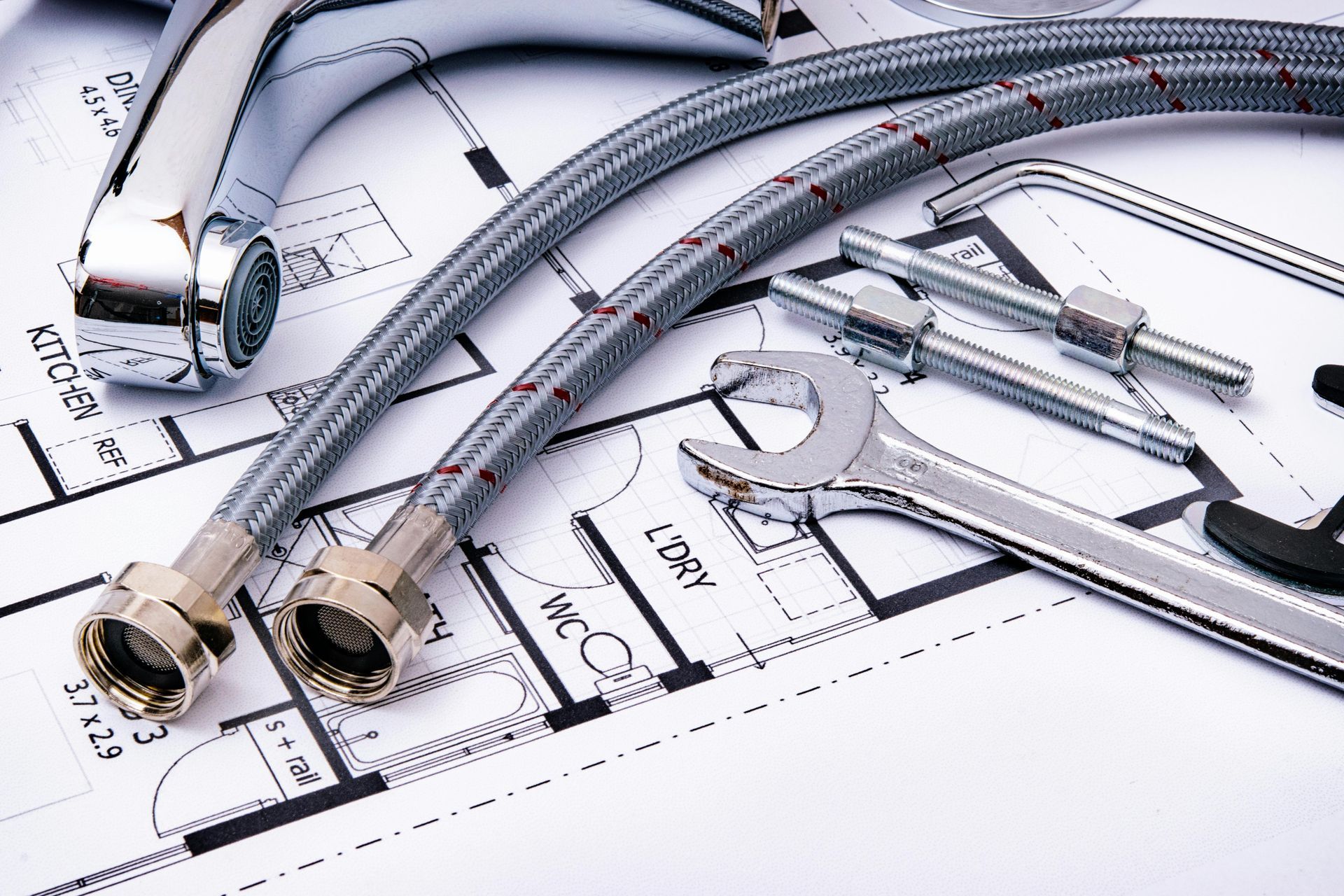
Appliances and fixtures that remain connected to the water system during a holiday can pose both opportunities and risks. Water heaters, washing machines, dishwashers, and refrigerators with built‑in icemakers all rely on a steady water supply, and their failure can create localized flooding or substantial damage. Before a long trip, it is important to inspect each of these units for signs of wear, leaks, or past issues. Flexible supply hoses under sinks and behind appliances should be checked for bulging, cracking, or discoloration, and any suspect lines should be replaced before departure. In many cases, replacing older rubber hoses with braided stainless‑steel versions significantly reduces the risk of sudden ruptures.
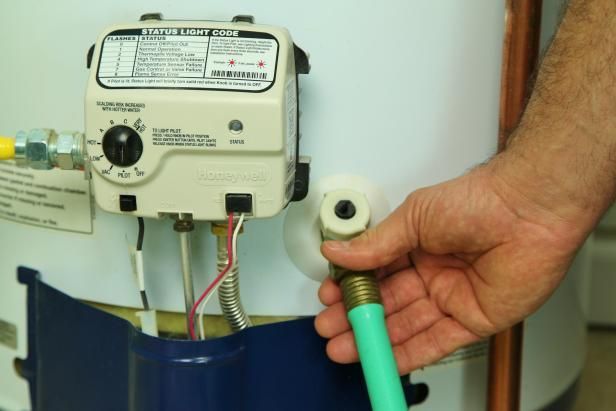
Water heaters deserve special attention because they combine high temperatures, pressure, and constant water contact. If the unit is older or has a history of sediment issues, it may benefit from flushing the tank or scheduling a service visit before the trip. Ensuring that the pressure relief valve is functioning and that the system includes properly sized expansion tanks helps manage thermal expansion and reduces stress on pipes and joints. If the home has recently undergone plumbing repairs or upgrades, it is particularly important to verify that expansion tanks and pressure‑regulating devices are still operating correctly, as water pressure spikes after plumbing repairs can contribute to premature failures in water heaters or connected fixtures. When in doubt, arranging a tune‑up with a reputable plumbing company before leaving provides an extra layer of protection.
Securing drains, vents, and sewer lines
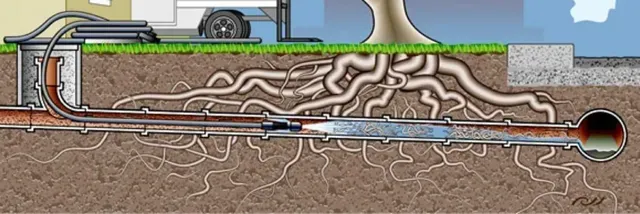
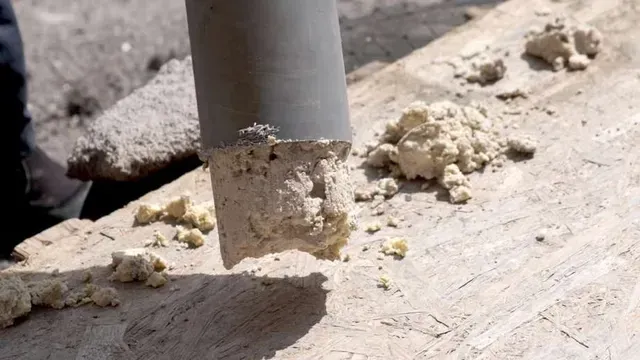
While much of the focus before a long holiday centers on water supply components, drains, vents, and sewer lines are equally important to address. Slow drains, gurgling sounds, or occasional backups are warning signs that the drainage system may be partially clogged or vented improperly. If these issues are not resolved before departure, standing water in traps or slow‑moving waste can create conditions that encourage bacterial growth, odors, and even blockages that worsen over time. In some cases, a partially blocked line can freeze or expand during cold weather, leading to cracks or root intrusions that are not discovered until the home is reopened.
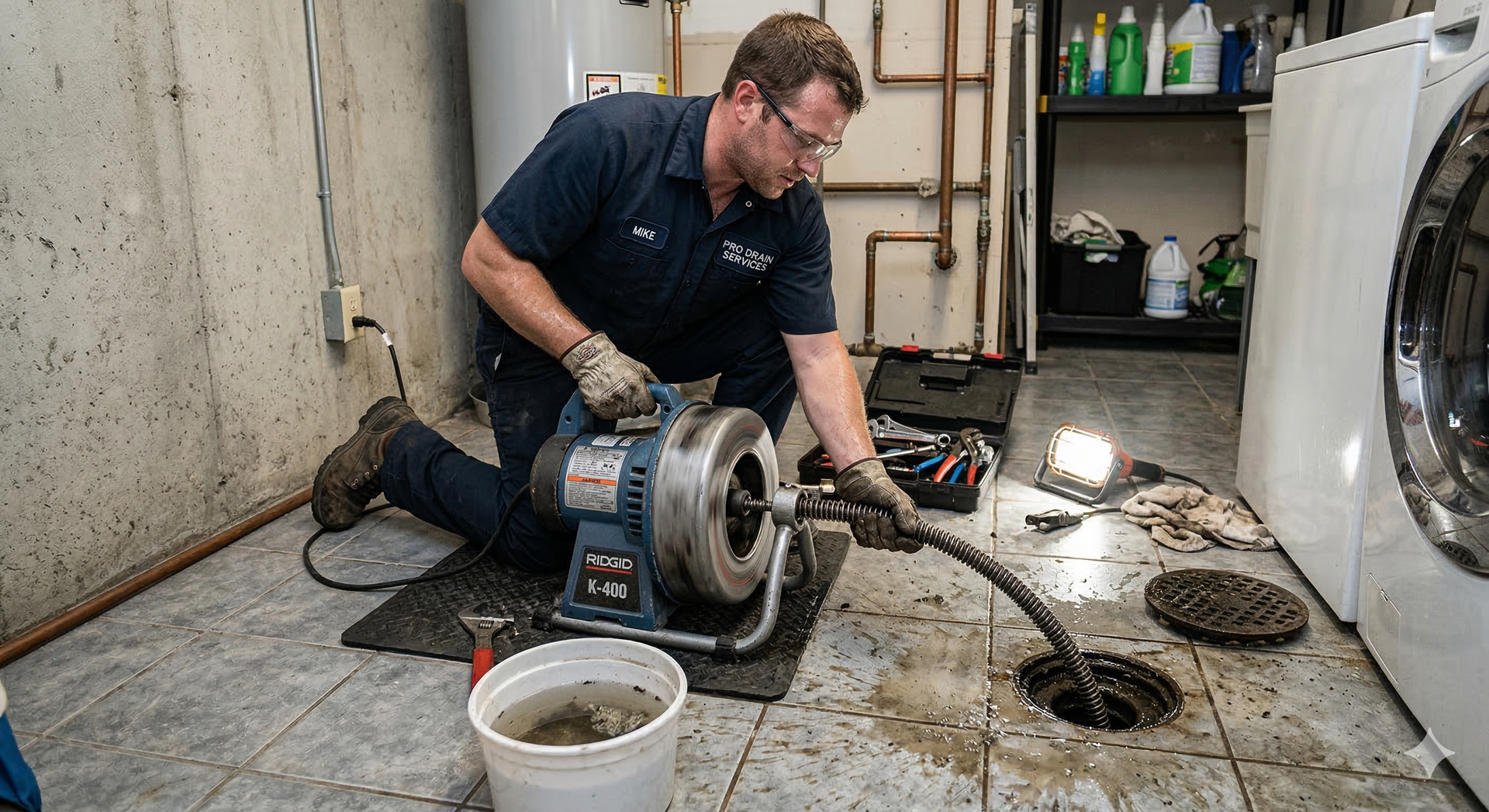
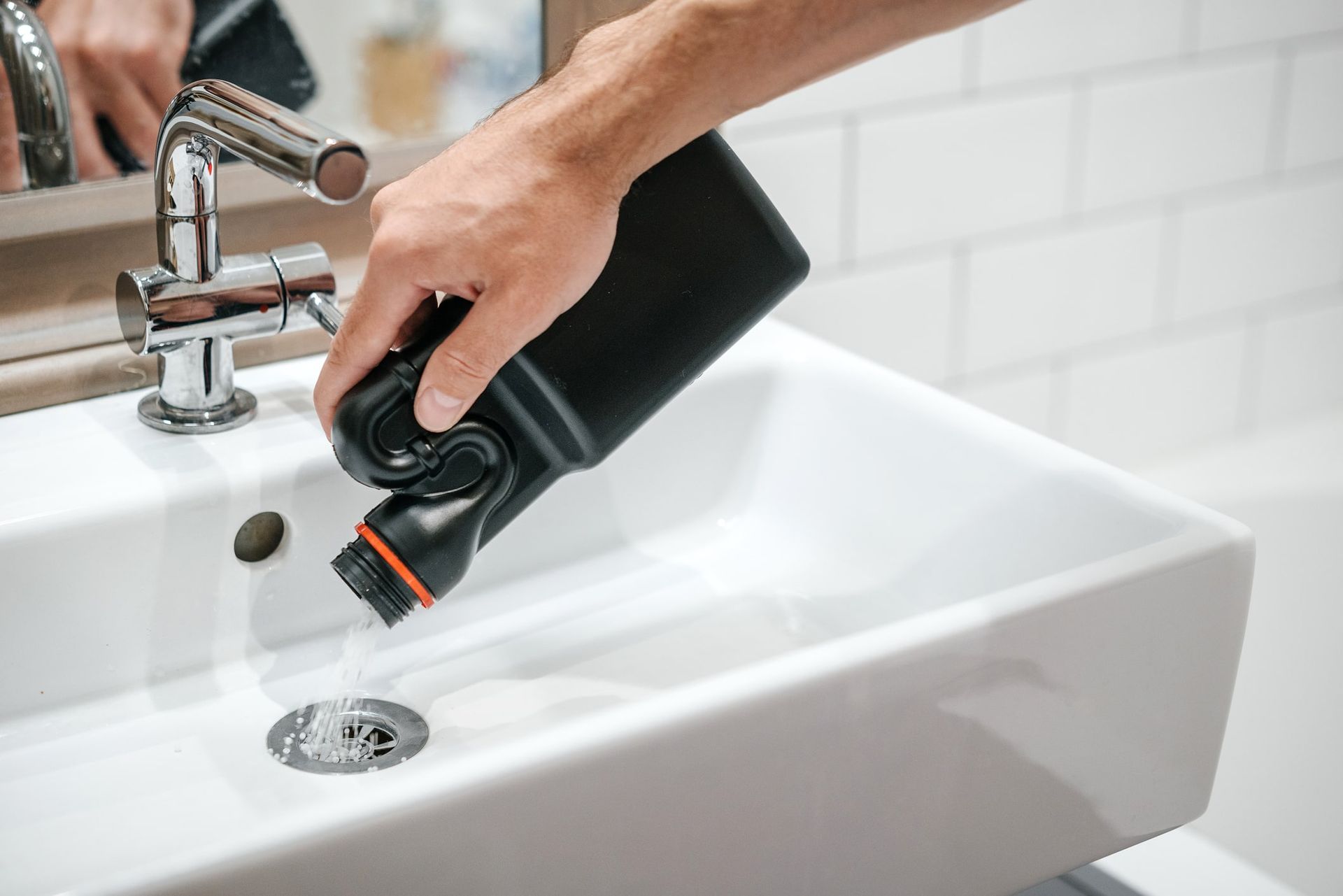
To reduce these risks, it is advisable to clean drains thoroughly before leaving and to ensure that all traps contain water to prevent sewer gases from entering the home. Enzymatic or non‑corrosive drain cleaners can help break down organic buildup without damaging pipes, while mechanical cleaning or professional drain cleaning services can address more stubborn blockages. Vent stacks should be inspected for obstructions such as debris, ice, or animal nests, as blocked vents can impair drainage and lead to gurgling or slow‑flowing fixtures. If the home sits for an extended period, it may also be helpful to arrange periodic check‑ins or maintenance visits to verify that drains and vents remain clear and functional, especially in regions with harsh winters or heavy rainfall.
Monitoring and security measures during absence
Even with the best preparations, unexpected issues can still occur, which is why many homeowners enhance their monitoring and security measures before a long holiday. Modern smart‑home devices such as water‑leak sensors, smart shutoff valves, and connected thermostats can provide real‑time alerts if moisture is detected, if water pressure changes suddenly, or if temperatures drop toward freezing in key areas of the home. These systems can be integrated with smartphone apps so that you receive notifications even while traveling, allowing for remote intervention or quick contact with local help if needed.
In addition to digital monitoring, arranging for regular property checks can provide another layer of protection. A trusted neighbor, property manager, or local contractor can periodically inspect the home for signs of leaks, dampness, or unusual smells and confirm that appliances and fixtures are operating normally. If a plumbing issue is detected, having a reliable plumbing service on speed‑dial can minimize damage and prevent further complications. Companies such as All City Plumbers often provide emergency services and can respond quickly to address problems before they escalate, especially if the home is left vulnerable by a glitch in the system or by environmental factors such as freezing temperatures or water pressure spikes after plumbing repairs.
Returning home and post‑holiday system checks
After a long holiday, it is important to systematically inspect the plumbing system before resuming normal use. This begins with a visual walk‑through of bathrooms, kitchens, laundry areas, basements, and utility rooms, looking for any signs of water damage, such as damp spots, warped flooring, or discolored walls. Checking the main shutoff valve, appliance connections, and visible pipes for moisture or mineral buildup helps confirm that the system has remained intact during the absence. If the water was shut off, it should be turned back on slowly to allow air to escape from the lines and to reduce the likelihood of sudden pressure surges that could stress weakened joints or fittings.
Once the water is restored, it is advisable to test every fixture and appliance, running faucets and showers, flushing toilets, and operating washing machines and dishwashers to ensure that flow and drainage are normal. Unusual sounds, reduced pressure, or slow draining may indicate a problem that developed while the home was unoccupied. If any issues are detected, or if recent repairs and upgrades have left you uncertain about the system’s stability, it is wise to schedule a professional inspection. Technicians can evaluate expansion tanks, pressure‑regulating devices, and other critical components to confirm that water pressure spikes after plumbing repairs have not created hidden stress points and that the system is ready for regular use. This post‑holiday review not only protects the home but also reinforces the value of preparatory steps taken before the trip.
Conclusion
Preparing plumbing systems before a long holiday is a crucial aspect of responsible homeownership that can prevent costly emergencies and protect the structural integrity of the home. By taking the time to inspect pipes, fixtures, and appliances, draining or shutting off water where appropriate, and ensuring that expansion tanks and pressure‑regulating devices are functioning correctly, homeowners can reduce the risk of leaks, bursts, and drainage problems while they are away. Addressing recent repairs carefully and understanding the potential for water pressure spikes after plumbing repairs helps reveal hidden vulnerabilities that might otherwise go unnoticed. When combined with monitoring technology, periodic check‑ins, and access to professional support such as All City Plumbers, this proactive approach ensures that the home remains safe and functional, allowing you to enjoy your trip without the constant worry of a plumbing disaster waiting behind the door.