How to Effectively Protect Plumbing During Renovations?
Renovations are one of the most exciting yet disruptive periods in a home’s life, and the plumbing system is often right in the middle of the chaos. New kitchens, bathrooms, or additions frequently require rerouting pipes, adding new fixtures, and sometimes even replacing major sections of the water and waste network. Without careful planning and coordination, these changes can accidentally damage existing lines, disrupt water quality, or create hidden problems that only surface months later. Protecting plumbing during renovations is therefore not just about avoiding leaks on the job site; it is about preserving the long‑term reliability, safety, and performance of the entire system. This article outlines how homeowners and contractors can work together to shield plumbing from damage, maintain water quality, and ensure that upgrades like a sewer line replacement are integrated smoothly and safely.
Planning plumbing protection from the start
Effective plumbing protection begins long before the first hammer swings. The initial design and planning phase should include a detailed review of the existing plumbing layout, especially in older homes where pipes may be hidden behind walls, under floors, or within concrete slabs. A clear floor plan that marks the location of water supply lines, drain stacks, vent pipes, and gas lines helps all trades avoid accidental strikes during demolition or framing. In many cases, it is helpful to involve a licensed plumber early in the renovation process so that any planned changes to fixtures, water heaters, or drain routes are vetted against the constraints and capacities of the existing system.
During this stage, the homeowner and contractor should also decide which parts of the plumbing will be left untouched, which will be upgraded, and which will be completely replaced. For example, a bathroom remodel may justify replacing old cast‑iron or galvanized drain lines, while a kitchen upgrade might require new supply lines to support modern appliances. If a more extensive intervention is needed—such as a sewer line replacement—the timing and method of that work must be coordinated carefully with the rest of the renovation to minimize disruption and avoid cross‑contamination between work zones. Clear communication among architects, builders, and plumbers at this early stage reduces the risk that plumbing components will be unintentionally compromised later in the project.
Protecting exposed and newly installed pipes
During demolition and framing, many sections of pipe become temporarily exposed or vulnerable to physical damage. Kick holes in walls, dropped tools, or misplaced fasteners can easily dent, puncture, or crush plastic or metal piping, especially if those lines are still under even partial pressure. To prevent this, contractors should erect clear markings or temporary barriers around visible plumbing, and any nearby drilling or hammering should be done with extra caution. When pipes must be rerouted, it is preferable to plan access panels or removable wall sections that allow for easy inspection and future maintenance without requiring destructive demolition.
Newly installed pipes also need protection from the elements of the construction site. Dust, debris, and sawdust can infiltrate open ends of pipes and later wash into the system once water is restored, potentially clogging aerators, filters, or fixtures. To avoid this, all open pipe ends should be capped or plugged as soon as they are cut or extended, and these caps should remain in place until the plumbing is ready for final testing and commissioning. In multi‑trade environments, it is important to coordinate with electricians and HVAC technicians to ensure that support brackets, hangers, and insulation are installed in a way that does not strain or compress the pipes. Proper support and alignment help prevent stress fractures, sagging, and misaligned joints that can lead to leaks or reduced flow over time.
Managing water quality and temporary service disruptions
Renovations that involve cutting into supply lines, installing new fixtures, or replacing water mains can temporarily affect water quality. Disturbing old pipes can dislodge sediment, scale, or mineral deposits that have been stable for years, causing water to turn suddenly cloudy or discolor for a short period. This phenomenon, while often harmless, can alarm homeowners if they are not prepared for it in advance. Plumbers and contractors should therefore explain what to expect after new work is completed, including the possibility that water may appear milky or have an odd taste until the system is flushed thoroughly.
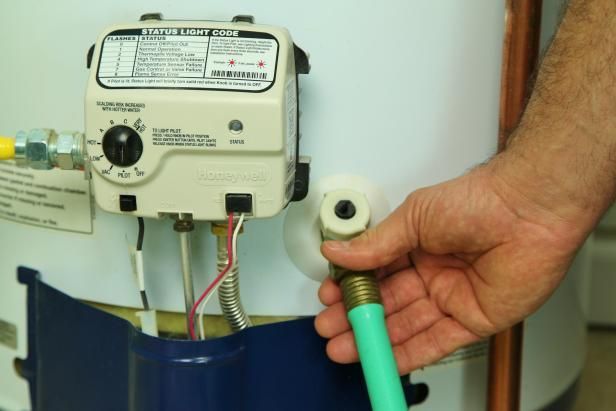
In some cases, extended construction activity can also introduce fine particles, rust, or biofilm into the system, especially if older galvanized or corroded sections are cut or disturbed. Flushing the lines by running multiple fixtures in sequence helps clear out these contaminants, but in more complex renovations it may be advisable to schedule a professional flush or even temporary filtration to protect sensitive appliances such as water heaters and dishwashers. When a major project such as a sewer line replacement is underway, it is also important to ensure that clean water sources are isolated from any potential contamination routes, and that backflow prevention devices remain functional throughout the work period.
Coordinating plumbing with other trades
One of the biggest challenges in protecting plumbing during renovations is coordinating with other trades that also need to cut into walls, floors, and ceilings. Framing, drywall, tiling, and electrical work often intersect with plumbing routes, and miscommunication can lead to incidents such as nails driven through supply lines, tile installed over improperly supported pipes, or cabinets placed in ways that block future access to shut‑off valves. To mitigate these risks, the project team should hold periodic coordination meetings where each trade can review upcoming work in relation to the plumbing layout.
During these meetings, clear responsibility boundaries should be established. For example, the plumber should be the only one to cut or modify pressurized water lines, while carpenters and electricians should be informed of safe zones around existing pipes. In projects where access to plumbing will be temporarily limited—such as when a new floor is being poured or a wall is being closed in—provisional access panels or removable finishes should be incorporated into the design. This not only protects the plumbing from accidental damage but also ensures that future repairs or inspections can be performed without requiring extensive, destructive corrections. When major or complex work is involved, experienced firms such as All City Plumbers can offer site coordination and quality‑control checks that help keep plumbing integrated correctly with the broader renovation.
Safeguarding against pressure and flow issues
Renovations that change the number or location of fixtures, alter pipe diameters, or extend lines can also affect water pressure and flow throughout the home. Adding a second bathroom, upgrading to a larger showerhead, or installing a new water heater may place additional demand on the system, potentially leading to low pressure in certain areas or inconsistent flow when multiple fixtures are used simultaneously. Before finalizing a renovation plan, it is important to evaluate whether the existing water supply, main line size, and pressure‑regulating components can handle the new load without stressing the system.
In some cases, addressing these issues creatively can prevent long‑term problems. This might involve installing larger diameter supply lines, adding a pressure‑boosting pump, or optimizing the routing of pipes to reduce friction and elevation losses. When existing lines are left in place but exposed during renovation, they should be inspected for scale, corrosion, or partial blockages that could exacerbate pressure drops. If a section of line is replaced, the new segment should be installed with the same or better flow characteristics as the original to avoid creating bottlenecks. Properly managing pressure and flow not only protects the plumbing but also enhances comfort and efficiency for occupants once the renovation is complete.
Isolating plumbing during demolition and dust‑heavy work
Demolition and dust‑heavy phases of a renovation pose a particular risk to plumbing, especially in kitchens and bathrooms where fixtures and supply lines are concentrated. Dust, debris, and moisture from grinding, sanding, or tile removal can infiltrate fixture openings, aerators, and drain traps if they are not properly covered or sealed. Loose particles can later enter the water system when fixtures are turned on, potentially clogging screens, damaging cartridge valves, or scratching finishes. To prevent this, plumbers often install protective caps or temporary plugs on exposed fixtures and drains, and these should remain in place until the dust‑intensive work is finished.
In addition, it is important to keep the plumbing system as dry as possible during demolition, especially in areas where water is not actively needed. Turning off individual fixture shutoffs or, if necessary, the main water supply during particularly messy phases reduces the risk that contaminants or debris will be pushed into pipes by accidental valve operation or leaks. If water must remain on for part of the renovation, care should be taken to keep hoses and temporary connections secure, and any overflow or spray should be contained away from electrical work, drywall, and insulation. Isolating plumbing zones and keeping them clean and dry during construction helps ensure that when the job is done, the system is not compromised by construction‑related contamination.
Dealing with drainage and waste systems during remodeling
Renovations that involve floors, bathrooms, or kitchens often require changes to drainage and waste systems, including relocating toilets, showers, or floor drains. These alterations must be done with careful attention to slope, pipe diameter, and venting to prevent slow draining, backups, or foul odors. When drain lines are cut, rerouted, or extended, it is important to maintain the proper pitch so that wastewater flows freely toward the main stack and sewer line, without creating low spots where water can pool and sediment can accumulate.
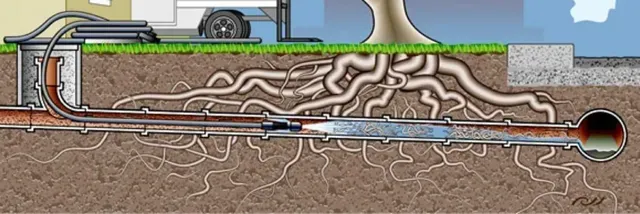
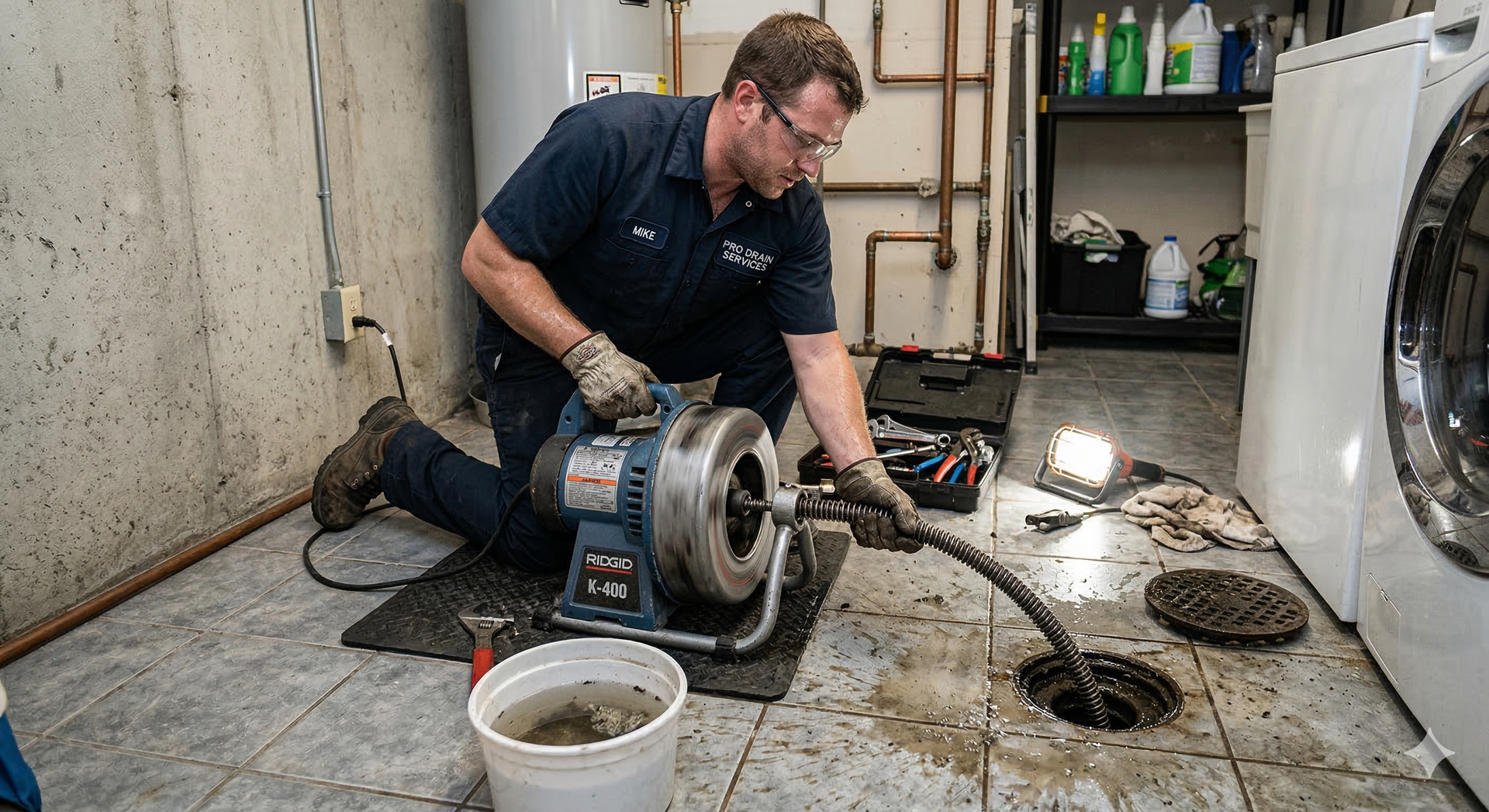
In some renovation projects, particularly in older homes or properties with outdated infrastructure, contractors may discover that the existing drainage system is undersized, partially collapsed, or root‑infested. In such cases, a more comprehensive intervention—such as a sewer line replacement—may be recommended to future‑proof the home and prevent recurring problems. When a sewer line replacement is planned, it should be coordinated with excavation for foundations, driveways, or landscaping so that multiple trenches are not dug at different times. Modern trenchless or minimally invasive sewer‑repair methods can also reduce the impact on the property and surrounding hardscapes, though they still require good communication between plumbing and excavation teams to protect other utilities.
Final inspections, testing, and commissioning
Once the renovation is structurally complete and the dust has settled, the plumbing system should undergo a thorough inspection and testing phase before the home is fully occupied again. This typically includes checking all joints, connections, and fixtures for leaks, verifying that water pressure and flow are within acceptable ranges, and ensuring that drains and vents are functioning correctly. Any newly installed fixtures should be operated individually and in combination to confirm that they do not overload the system or create unusual noises or siphoning effects.
Testing should also cover safety components such as water heater settings, pressure relief valves, backflow preventers, and any anti‑scald devices that may have been installed or adjusted during the renovation. If residents notice any unusual changes—for example, water that turns suddenly cloudy, discolored, or odorous after the work is completed—the system should be flushed again and, if necessary, evaluated by a professional plumber to identify the source of the issue. In larger or more complex renovations, it can be beneficial to schedule a final walkthrough with a licensed plumbing contractor who can verify that all work complies with local codes and that the system is ready for long‑term, trouble‑free use. Experienced providers such as All City Plumbers often offer these commissioning services, helping homeowners close the project with confidence rather than anxiety.
Conclusion
Effectively protecting plumbing during renovations requires a combination of careful planning, inter‑trade coordination, and disciplined on‑site practices. By mapping existing lines, clearly defining responsibilities, and taking steps to shield pipes from physical damage and contamination, homeowners and contractors can preserve the integrity of the plumbing network while adding new functionality and aesthetics to the home. Addressing pressure, flow, and drainage concerns upfront, and being prepared to manage changes such as a sewer line replacement or fluctuations in water clarity, helps prevent hidden problems that might only appear months after the renovation is complete. With professional oversight and attention to detail, the plumbing system can emerge from a renovation stronger and more reliable, ready to support the home’s next era of comfort and efficiency.