How to Efficiently Maintain Plumbing in Vacation Homes?

Hadi Masood

Maintaining plumbing in a vacation home presents unique challenges compared with a primary residence. Extended periods of vacancy, fluctuating occupancy, and exposure to seasonal extremes can accelerate wear, corrosion, and blockages in pipes, fixtures, and appliances. When a vacation property sits unused for weeks or months, stagnant water, temperature swings, and undetected leaks can quietly degrade the system and create the potential for major issues the first time guests arrive. By implementing a structured maintenance plan, homeowners can preserve the integrity of the plumbing, reduce the risk of emergencies, and ensure that guests enjoy a comfortable, trouble‑free stay. This article outlines how to care for plumbing in a vacation home, from seasonal preparation and routine inspections to professional support and system upgrades.


Understanding the special risks of vacation‑home plumbing

Vacation homes are particularly vulnerable to plumbing problems because they often alternate between periods of intense use and long stretches of inactivity. During occupation, water flow increases dramatically with multiple showers, laundry loads, and dishwasher cycles, which can strain older lines or stress joints that were not designed for heavy, intermittent use. In contrast, when the home sits empty, water can stagnate in pipes and tanks, promoting bacterial growth, sediment buildup, and corrosion inside copper, steel, or galvanized components. Over time, this combination of abuse and neglect can weaken the entire system, making it more likely that a leak, burst, or clog will appear just before or during a planned visit.

Another risk factor is the property’s exposure to seasonal extremes. In colder climates, lines that pass through unheated attics, basements, or exterior walls may freeze if the home is not properly winterized or if the heating system is turned down too far. In warmer or coastal regions, humidity, salt air, and temperature fluctuations can accelerate corrosion and joint failure, especially in visible fixtures and exposed piping. Because many owners are not on site to notice subtle warning signs—such as dripping faucets, slow drains, or musty odors—small problems can evolve into major failures before they are detected. Recognizing these inherent risks is the first step toward designing a maintenance strategy that protects the plumbing year‑round.


Creating a seasonal plumbing checklist

Effective maintenance of a vacation home begins with a clear, repeatable seasonal checklist that aligns with when the property is occupied and when it is vacant. At the start of the main usage season, homeowners or property managers should perform a thorough inspection of all plumbing fixtures, visible pipes, and appliances. This includes checking faucets and showerheads for leaks, testing toilets for silent overflow or weak flushing, and examining under‑sink and under‑appliance areas for moisture, discoloration, or mineral deposits. Any signs of dampness around supply lines, water heater connections, or drain traps should be addressed promptly rather than deferred until the next visit.

As the season ends and the property is prepared for vacancy, the checklist shifts toward winterization and protection. In colder climates, this typically involves draining water from supply lines, disconnecting hoses, and insulating exposed pipes to reduce the risk of freezing. In milder regions, leaving the water on but flushing the system periodically can help prevent stagnation and odor buildup. A written checklist should also include reminders to clean aerators, replace worn washers, inspect flexible supply hoses for bulging or cracking, and check the condition of expansion tanks if the property has a closed heating or pressure system. By standardizing these steps, owners can ensure that the plumbing receives consistent care regardless of who is on site.


Routine inspections and early detection

Even with a seasonal schedule, routine inspections are essential for catching problems before they escalate. In a vacation home, inspections can be carried out by a trusted local contractor, property manager, or a nearby family member who visits the property more frequently. These inspections should focus on areas known to be trouble spots, such as bathrooms, kitchens, laundry rooms, basements, crawl spaces, and utility rooms. Visible signs of leaks—dark spots on ceilings, bubbling paint, or warped baseboards—often indicate that water has been seeping behind walls for some time, and they warrant immediate investigation.

Another important part of inspection is monitoring water pressure and flow. Sudden changes in pressure, noisy pipes, or banging when fixtures are turned on can signal trapped air, sediment buildup, or incipient failures in valves or fittings. In some cases, water pressure spikes after plumbing repairs can reveal weaknesses that were not evident when the system was first put back into service. If routine checks uncover any unusual sounds, reduced flow, or inconsistent pressure, it is prudent to have a professional plumber evaluate the system before the next occupancy period. Early detection not only prevents costly damage but also minimizes the risk of guests facing an unexpected plumbing failure during their stay.


Managing water heaters, tanks, and backflow systems

Water heaters and storage tanks are among the most critical plumbing components in a vacation home, yet they are often overlooked until something goes wrong. Extended periods without use can allow sediment to settle in the tank, which reduces efficiency and can lead to overheating or corrosion. On the other hand, frequent on‑off cycles during short visits can place additional stress on the unit, especially if the thermostat is set too high or if the system lacks adequate expansion control. One way to mitigate this stress is to ensure that the property is equipped with properly sized expansion tanks, which absorb the extra volume created when water heats up and help prevent pressure‑related damage to pipes and fixtures.

Beyond water heaters, vacation homes may also feature backflow preventers, pressure‑reducing valves, and other specialty devices that protect the system from contamination and surges. These components should be inspected periodically according to manufacturer recommendations and local plumbing codes. If any part of the system has been recently repaired or upgraded, it is important to verify that backflow protection and pressure‑regulating devices are still functioning correctly, as water pressure spikes after plumbing repairs can compromise their performance. Regular flushing, testing, and maintenance of these devices help maintain safe, reliable water service and reduce the likelihood of unexpected shutdowns or health‑related issues.


Addressing clogs, drains, and garbage disposal care

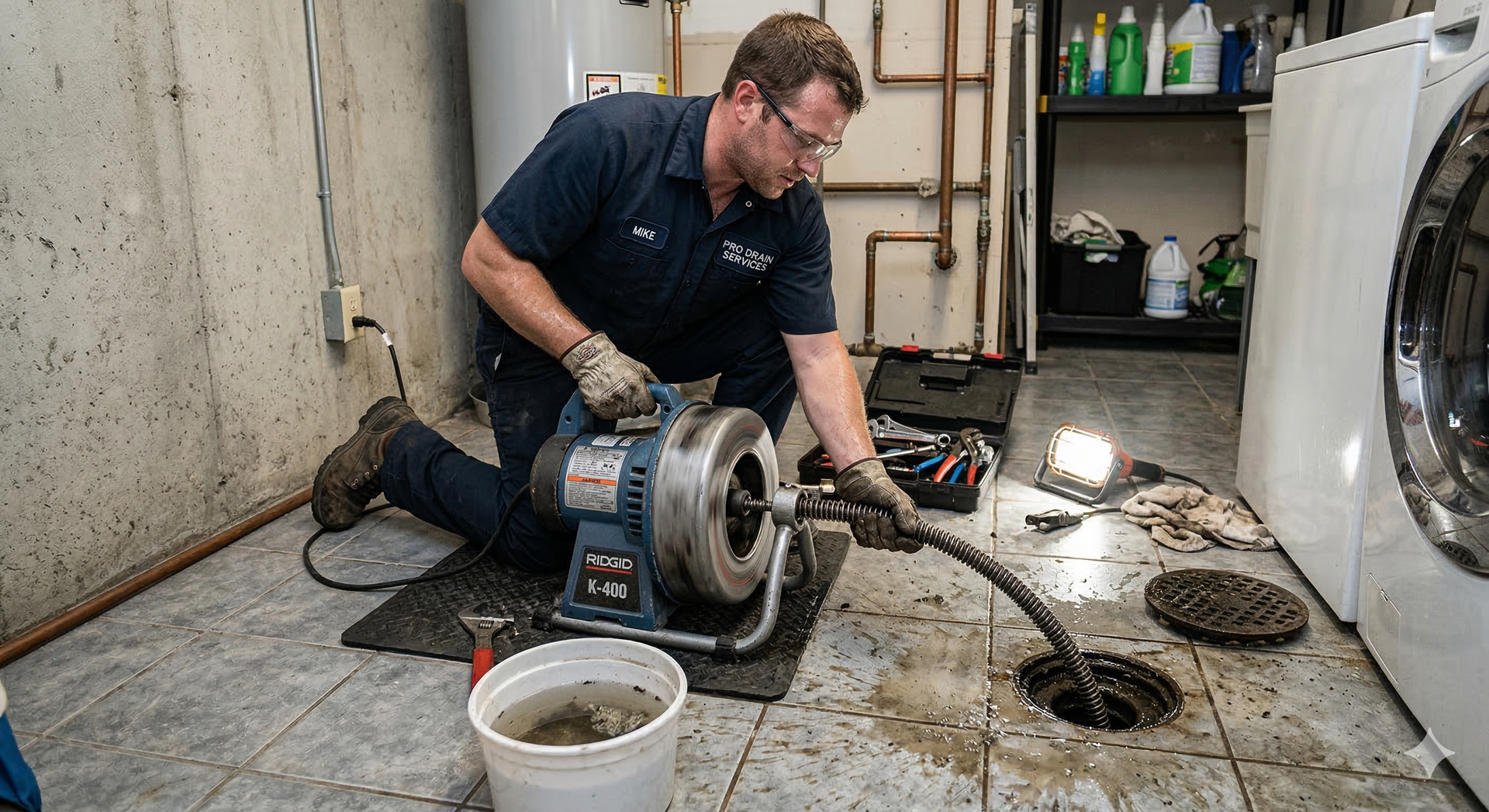
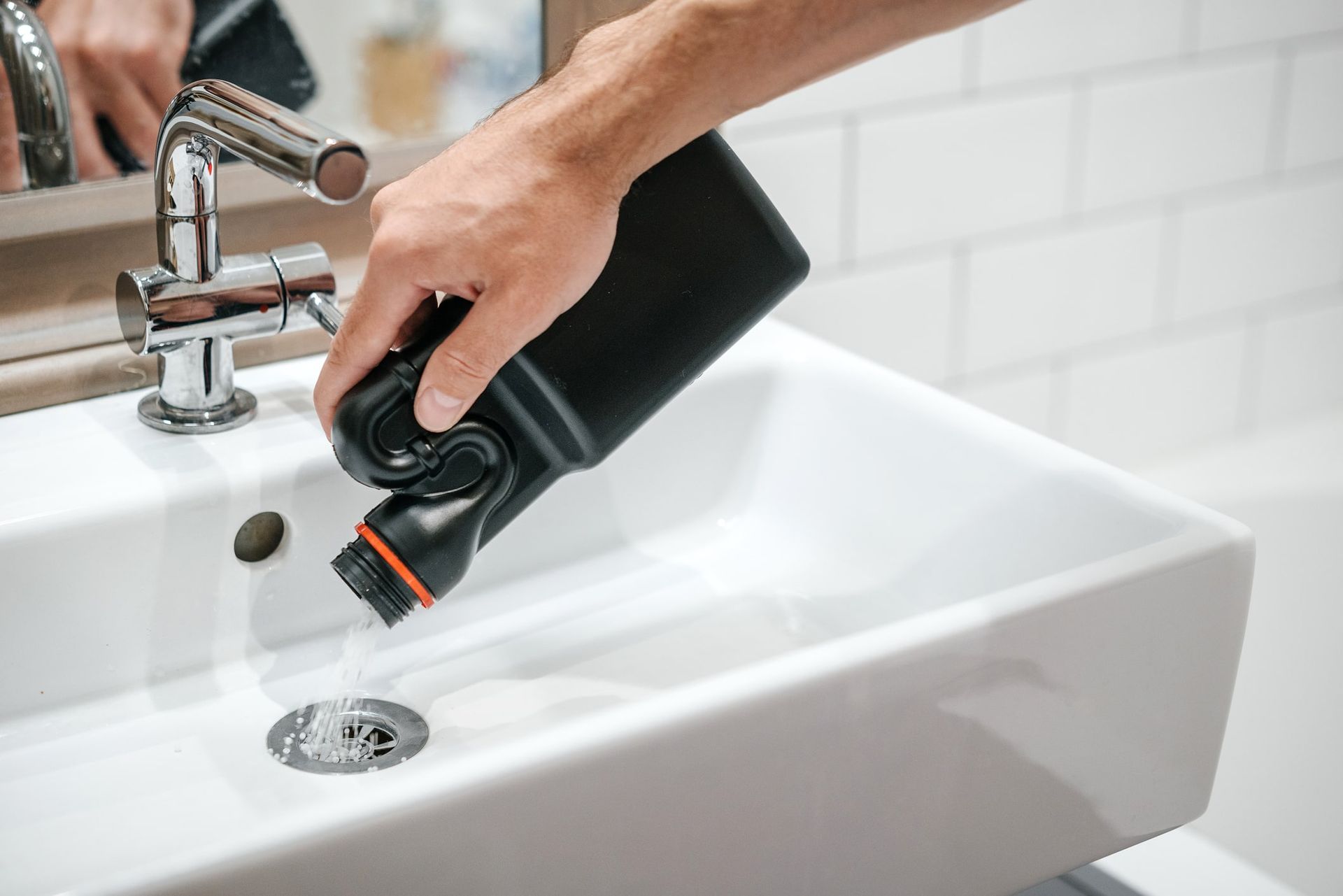
Clogs and slow drains are common plumbing issues in vacation homes, especially when multiple guests use the same fixtures in a condensed timeframe. Toilets, showers, and sinks can become overloaded with hair, soap scum, and other debris, while garbage disposals may be treated as dumping grounds for inappropriate materials. Over time, this can lead to partial blockages that gradually worsen, eventually resulting in a complete backup that may not be noticed until the property is being prepared for guests. Preventive maintenance, such as regular cleaning of drain screens, periodic use of enzymatic drain cleaners, and responsible use of garbage disposals, can significantly reduce the incidence of clogs.

In vacation homes, it is also important to educate guests about proper disposal habits. Clear posted instructions in kitchens and bathrooms can remind visitors not to pour grease down the sink, not to flush wipes or feminine products, and not to overload garbage disposals with fibrous or starchy foods. Property managers or homeowners can reinforce these rules by performing a quick drain inspection after each stay, removing visible debris from traps and aerators, and running hot water through fixtures to flush away loose buildup. When a stubborn clog does appear, it is better to address it sooner rather than waiting for the next visit, as delayed repairs can allow standing water to corrode pipes or create conditions favorable for mold growth.


Winterization, ventilation, and freeze protection

In regions that experience freezing temperatures, winterization is a cornerstone of vacation‑home plumbing maintenance. The goal is to remove as much water as possible from the system where it could freeze and expand, while also protecting the remaining components from extreme cold. This typically involves shutting off the main water supply, opening all faucets to drain lines, flushing toilets, and using compressed air or antifreeze solutions to clear remaining water from pipes and drains. Appliances such as washing machines and dishwashers should be disconnected and drained, and outdoor hose bibs should be protected with insulated covers or frost‑proof fixtures.

Beyond draining water, proper ventilation and insulation are essential for minimizing the risk of freeze‑related damage. Pipes that run through unheated attics, basements, or exterior walls should be wrapped with appropriate insulation, and any gaps around penetrations should be sealed to prevent cold air from infiltrating. In some cases, homeowners may choose to leave the heat set to a moderate temperature during the winter instead of turning it off completely, especially if the cost of running a small heater is less than the potential for pipe damage. When the heating system is used, it is important to verify that thermostats and sensors are functioning correctly and that expansion tanks are in good condition, as these devices help stabilize pressure and reduce the likelihood of stress fractures in cold‑exposed lines.


Working with professionals and remote oversight

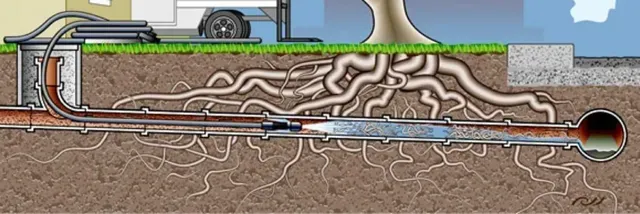
Even meticulous owners can benefit from professional oversight when maintaining plumbing in a vacation home. Local plumbing companies can perform comprehensive inspections, pressure tests, and system diagnostics that go beyond what a homeowner or property manager can easily accomplish. For example, video camera inspections of sewer lines, leak‑detection scans, and water‑quality testing can reveal hidden issues before they become emergencies. If repairs or upgrades are needed, professionals can also advise on how to stage the work so that it minimizes disruption to upcoming stays and aligns with seasonal usage patterns.

In some cases, it is helpful to establish a long‑term relationship with a plumbing firm that offers regular maintenance visits and emergency services. For instance, companies such as All City Plumbers can provide tailored maintenance programs for vacation properties, including seasonal tune‑ups, drain cleaning, and water heater service. These services can be scheduled in advance around known occupancy dates, ensuring that the system is in good condition before guests arrive. When a plumbing issue does arise between visits, having a trusted contractor on call makes it easier to respond quickly and avoid extended downtime or water damage that could affect the property’s rental income or resale value.


Conclusion

Maintaining plumbing in a vacation home requires a proactive, structured approach that balances seasonal preparation, routine inspections, and professional support. Because these properties endure periods of heavy use followed by long stretches of inactivity, their plumbing systems face unique stresses that can accelerate wear and create hidden vulnerabilities. By implementing a detailed seasonal checklist, monitoring water heaters and expansion tanks, addressing clogs and drains promptly, and investing in professional oversight, owners can significantly reduce the risk of emergencies and ensure that the property remains comfortable and functional for every visit. When combined with careful winterization and attention to pressure‑related issues such as water pressure spikes after plumbing repairs, this maintenance framework helps protect both the home’s infrastructure and the owner’s peace of mind.
How to Prepare Plumbing Systems Before Long Holidays?
by Hadi Masood 17 April 2026
Learn how to prepare your home’s plumbing before a long holiday with step‑by‑step guidance on shutting off water, inspecting fixtures, and protecting pipes so you return to a dry, trouble‑free home.
Why Plumbing Failures Spike During Winter Nights?
by Hadi Masood 13 April 2026
Plumbing failures tend to spike during winter nights for a combination of environmental, mechanical, and behavioral reasons that place extra stress on pipes, fixtures, and water systems. Cooler outdoor temperatures, rapid temperature swings, and reduced household activity create conditions where marginal weaknesses in the plumbing network are more likely to reveal themselves as leaks, bursts, or pressure‑related failures. Understanding why these problems surge after dark in the colder months allows homeowners to anticipate issues, plan preventive measures, and respond more effectively when things go wrong. This article explores the physics of winter plumbing stress, the role of household usage patterns, and the way recent repairs and system changes can create hidden vulnerabilities that may not show up until the quiet hours of winter nights. The physics of cold temperatures and pipes During the winter, outdoor air and soil temperatures drop, and in many homes this coolness penetrates into unheated spaces such as basements, crawl spaces, garages, and exterior walls. When water sits in pipes that are exposed to these colder environments, the fluid begins to lose heat and can approach or even reach freezing, especially overnight when indoor heating is reduced and activity is minimal. As water freezes, it expands, and this expansion exerts significant outward pressure against the pipe walls. Even a small section of ice that forms inside a line can block the flow and create a localized pressure spike on the upstream side, which increases the risk of a joint, valve, or weak section of pipe failing. Pipes that are already weakened by age, corrosion, or previous repair work are especially vulnerable in these conditions. Older galvanized steel or thin‑walled copper lines may have developed microscopic cracks or thinning over time, and when combined with freezing‑related pressure, these defects can propagate quickly into full ruptures. In some cases, the damage may not become visible until the thaw begins, when the melted water finds the weakest point in the system and leaks out. This delayed manifestation is one reason why plumbing failures often seem to “appear out of nowhere” during the night and are only noticed in the morning, sometimes after significant damage has occurred. Why failures cluster during winter nights Winter nights are when several risk factors converge. First, outdoor temperatures are typically at their lowest, and the interior of the home is often set to a lower thermostat setting as people sleep, which reduces the amount of residual heat reaching plumbing in exterior walls, attics, and basements. Second, household water use slows dramatically overnight, so warm water from showers, laundry, or dishwashers is not cycling through the system to keep pipes at a more stable temperature. This combination of reduced heat input and minimal water movement allows stagnant water in vulnerable lines to cool more quickly and approach freezing. Another contributing factor is that many homes are designed with some plumbing routes running through unconditioned spaces, such as along the perimeter of basements or through exterior walls. These lines are often less insulated than the main supply trunk, and they may be located near drafty windows, doors, or uninsulated foundation openings. As the night progresses, these areas can become significantly colder than the rest of the house, increasing the probability that any marginal section of pipe will be the first to freeze or fail. When the failure occurs, the resulting leak or burst may go unnoticed for hours, allowing water to accumulate on floors, soak into walls, or contribute to ice formation that further stresses the system. The role of thermal expansion and pressure changes Beyond freezing, another important cause of winter‑night plumbing failures is the interaction between thermal expansion and water pressure. When water is heated, it expands, and the volume increase can raise pressure within a closed system. In many homes, water heaters operate on a schedule or in response to demand, and the temperature of the water may remain elevated overnight if the thermostat is set high or if the unit is recovering from daytime use. If the system lacks proper expansion‑control devices, such as expansion tanks, this extra pressure can accumulate in the distribution lines and place added strain on joints, valves, and fixtures. Expansion tanks are designed to absorb the additional volume created when water heats up, effectively cushioning the system and preventing extreme pressure spikes. In homes where these tanks are missing, undersized, or improperly installed, the pressure has nowhere to go except into the weakest part of the plumbing. This can lead to stress fractures in older pipes, failures at threaded connections, or premature wear in water heater components. Over time, repeated cycles of heating and cooling—especially during colder months when the temperature differential between the incoming cold water and the heated supply is greatest—can fatigue system components until one night they finally give way, often during the quiet hours when no one is actively using water. How repairs and upgrades introduce new risks Paradoxically, plumbing repairs and upgrades can sometimes contribute to the winter‑night spike in failures. When a section of pipe is replaced, a new valve installed, or a different water heater is fitted, the system’s dynamics can change in subtle ways that do not immediately reveal themselves. For example, replacing a long, older section of flexible pipe with a shorter, stiffer one can alter the way the system absorbs thermal expansion and vibration, creating new stress points. Changes in pipe routing or diameter can also affect flow velocity and pressure distribution, which may place extra load on certain fittings or fixtures. Another concern is water pressure spikes after plumbing repairs . If a line is temporarily depressurized during work, air can enter the system and later be compressed rapidly when water is reintroduced, causing a brief surge in pressure. In some cases, technicians may inadvertently adjust or disable pressure‑regulating components, or the new configuration may expose previously hidden weaknesses to higher pressure than they were designed to handle. These issues may not become apparent during normal daytime use, but overnight, when the system is quiet and pressure can build, the weakest joint or connection may finally fail. This delayed manifestation can make it seem as though a newly repaired system is suddenly “falling apart,” when in fact the underlying stress was always present and was only brought to the surface by the change in conditions. Climate, insulation, and home design factors The rate at which plumbing failures spike during winter nights also depends heavily on local climate patterns and the quality of a home’s insulation and weatherization. Homes in regions with frequent freeze‑thaw cycles are particularly vulnerable, as pipes repeatedly experience contraction and expansion with temperature changes. Each cycle can slowly fatigue joints and fittings, and over several winters these small stresses accumulate into larger structural weaknesses. In homes with poor insulation around plumbing chases, drafty attics, or unsealed foundation penetrations, cold air can infiltrate spaces where pipes are routed, accelerating the cooling of water and increasing the likelihood of freezing or pressure‑related failures. Interior layout and heating design also play a role. Central heating systems that primarily warm main living areas may leave peripheral rooms, hallways, or basements significantly cooler, especially at night. If plumbing lines serving these cooler areas are not adequately insulated or located within the building’s conditioned envelope, they will experience more extreme temperature swings than lines in warmer rooms. Similarly, homes with older construction standards may lack modern insulating materials or vapor barriers, which can allow condensation and moisture buildup around pipes, further accelerating corrosion and weakening the system over time. Recognizing these design‑related vulnerabilities is an important step in prioritizing insulation upgrades, pipe relocation, or other protective measures. Behavioral and usage patterns that worsen the problem Household behavior during the winter can unintentionally increase the risk of nighttime plumbing failures. For example, many people close interior doors to unused rooms or basements in an effort to conserve heat, which can also reduce airflow and trap colder air near plumbing that runs along walls or under floors. In some homes, residents may turn down or turn off heat in unoccupied areas or basements, assuming that these spaces can be sacrificed for comfort, not realizing that the pipes in those locations are now more exposed to freezing conditions. Similarly, the tendency to leave faucets dripping during cold spells to prevent freezing can sometimes mask underlying issues, such as slow leaks or pressure imbalances, that may worsen over time. Another behavioral factor is the timing of water use. During the day, frequent showers, laundry cycles, and dishwashing keep water moving through the system, which helps maintain a more stable temperature and reduces the chance of stagnant water freezing. At night, however, usage plunges, and water can sit for hours in sections of pipe that are more exposed to cold. This stagnation increases the probability that the coldest section of the line will be the one that freezes, especially if it is already weakened by corrosion or prior damage. By understanding how everyday habits interact with the physical realities of winter plumbing, homeowners can adjust their routines—such as slightly increasing nighttime heat in key areas or insulating exposed lines—to reduce the strain on the system without major renovation. When to call professionals for winter‑related issues Despite best efforts, some winter plumbing failures are unavoidable, particularly in older homes or systems that have already suffered years of wear. When a leak, burst pipe, or significant pressure fluctuation occurs overnight, it is important to act quickly to minimize damage and restore safety. In many cases, homeowners benefit from working with experienced plumbing professionals who understand the seasonal dynamics of residential systems and can diagnose not only the immediate failure but also underlying contributors such as inadequate expansion tanks, poor insulation, or latent weaknesses exposed by water pressure spikes after plumbing repairs. Reliable companies that offer comprehensive winter‑plumbing services, including emergency calls and system evaluations, can help families reduce the frequency and severity of winter‑night failures. For example, firms such as All City Plumbers can provide guidance on insulating vulnerable pipes, adjusting pressure‑regulating devices, and replacing aging components before they reach their breaking point. By integrating professional assessments into regular seasonal maintenance, homeowners can turn winter from a period of fear and surprise into one of predictable, managed care that protects both property and peace of mind. Conclusion Plumbing failures spike during winter nights because cold temperatures, reduced water movement, and thermal expansion combine to place extra stress on an already aging or marginally stable system. Exposure to freezing air, insufficient insulation, and design choices that route pipes through unheated spaces all increase the likelihood that a weak joint, undersized section, or fatigued component will finally fail. Repairs and upgrades can unintentionally introduce new stress points, and water pressure spikes after plumbing repairs may expose hidden weaknesses that only become apparent after the system has settled overnight. By understanding these mechanisms and taking proactive steps—such as adding or servicing expansion tanks , improving insulation, and relying on professional help when problems arise—homeowners can significantly reduce the risk of sudden, disruptive plumbing emergencies during the coldest hours of the year.
How to Train Your Family for Plumbing Emergencies?
by Hadi Masood 8 April 2026
Learn how to train your family for plumbing emergencies with clear roles, safety drills, and simple maintenance habits, so everyone knows how to respond quickly and safely when leaks, floods, or water heater failures occur.
How to Identify High-Risk Plumbing Zones in Your Home?
by Hadi Masood 7 April 2026
Learn how to identify high‑risk plumbing zones in your home, from hidden leaks behind walls to aging pipes and appliances, and discover when to call professionals for maintenance or emergency services to prevent costly water damage.
Know When to Shut Off Water to Your Entire Block?
by Hadi Masood 6 April 2026
Know when to shut off water to your entire block during major leaks, contamination, or disasters—essential guide with procedures, legal tips, and alternatives.
The Warning Signs Your Water Heater Is About to Fail
by Hadi Masood 3 April 2026
Spot the early warning signs your water heater is failing—noises, leaks, discolored water, and more. Learn causes, risks, and when to call pros for timely fixes.
Water Heater Anode Rod Replacement: Overlooked Step
by Hadi Masood 2 April 2026
Discover why water heater anode rod replacement is the overlooked step to extend tank life, prevent leaks, and save money—complete DIY guide with tips from pros.
Why Your Water Pressure Spikes After Plumbing Repairs?
by Hadi Masood 31 March 2026
Understand why water pressure spikes after plumbing repairs: causes, fixture impacts, diagnostic steps, and fixes from pros like All City Plumbers.
What to Do When Your Water Suddenly Turns Cloudy?
by Hadi Masood 31 March 2026
Prepare plumbing for heatwaves: audits, insulation, water heater tweaks with expansion tanks, and monitoring tips from pros like All City Plumbers.
How to Prepare Your Plumbing Systems for Heatwaves?
by Hadi Masood 30 March 2026
Prepare plumbing for heatwaves: inspect pipes, optimize water heaters with expansion tanks, manage expansion, and use pros like All City Plumbers for reliability.