Signs Your Water Heater Might Need a Replacement
Ever found yourself standing under a lukewarm shower, wondering where all the hot water went? It’s not just a minor inconvenience; it could be a sign that your water heater is on its last legs. Let's face it, nobody likes dealing with a malfunctioning water heater, especially when it leaves you in the cold. If your water heater's showing signs of trouble, it might be time for a replacement. Don’t worry, though—we’re here to help you spot those red flags before you’re left shivering in the shower. So, let’s dive into the telltale signs that your trusty water heater might need to be retired and how you can keep your home running smoothly. Ready? Let’s get started!
Signs Your Water Heater Might Need a Replacement
Insufficient Hot Water
Ever had the frustrating experience of running out of hot water halfway through a shower? If your water heater isn’t keeping up with your household’s demand for hot water, it might be struggling to do its job. Insufficient hot water can be a sign that your heater is nearing the end of its life or that it’s no longer efficient enough to handle your needs. If this problem persists, it might be time to consider a replacement to ensure you’re always ready for a relaxing, warm shower.
Water Heater Age
Water heaters don’t last forever. Most models have a lifespan of about 10-15 years. If your water heater is reaching or surpassing this age range, it’s wise to start thinking about a replacement. Aging water heaters are more prone to breakdowns and inefficiencies, and replacing them before they fail completely can save you from unexpected cold showers and costly repairs.
Rusty Water
Noticing rusty or discolored water coming from your taps? Rusty water is a clear sign that your water heater’s internal components might be corroding. This could indicate that the tank is deteriorating and is no longer safe or efficient. Rusty water isn’t just unappealing; it could also mean that your water heater needs replacing to ensure clean, safe water for your household.
Strange Noises
If your water heater starts making strange noises—like popping, rumbling, or banging—it’s trying to tell you something’s wrong. These noises often result from sediment buildup or internal issues that can lead to more significant problems. If you’re hearing odd sounds, it’s worth investigating whether a replacement might be in order to avoid more severe damage and ensure your heater runs smoothly.
Leaking Water Heater
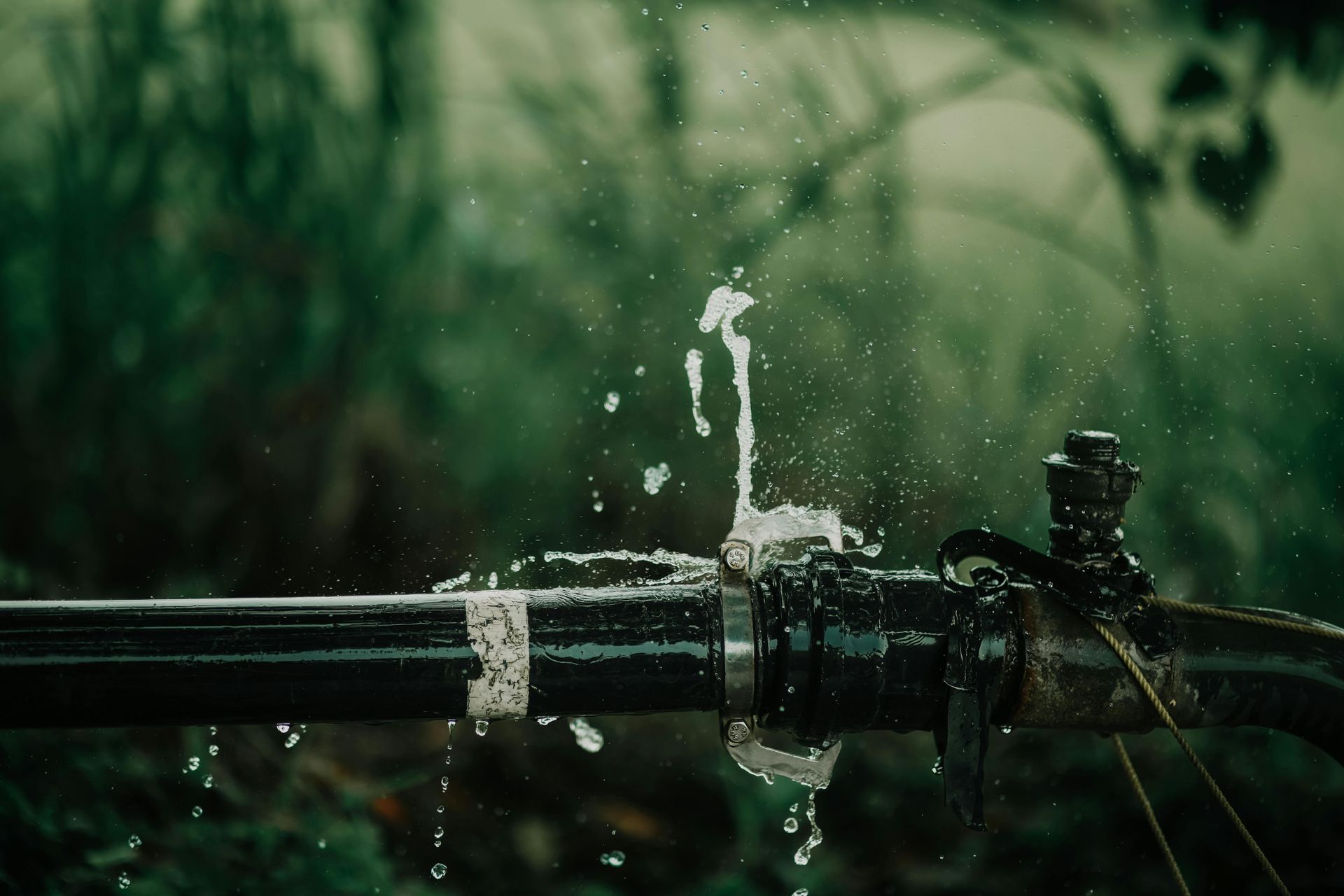
Finding water pooling around your water heater can be alarming. A leaking water heater can lead to water damage and higher utility bills. Leaks often occur due to corrosion or damage to the tank. If you notice a leak, it’s crucial to address it promptly; in many cases, replacing the heater might be more cost-effective than attempting repairs.
Water Heater Noise
Strange noises coming from your water heater aren’t just annoying—they’re a signal that something might be wrong. Common noises include popping, banging, or hissing, which can indicate issues like sediment buildup or a failing heating element. If your water heater is noisy, it could be time for a replacement to restore peace and quiet to your home.
Leaks
Leaks around your water heater are a serious concern. They can lead to significant water damage and mold growth if not addressed quickly. If you notice any leaks, it’s essential to investigate the cause. Often, a leaking water heater needs replacing, especially if the leak is coming from the tank itself or if it’s a recurring issue.
Frequent Repairs
Are you constantly calling for repairs on your water heater? Frequent repairs are a strong indicator that your heater is on its last legs. As water heaters age, they become more prone to issues, and the cost of ongoing repairs can add up quickly. If you’re finding yourself repeatedly fixing the same problems, it might be more economical to replace your water heater altogether.
Water Discoloration
If the water from your taps is coming out discolored or cloudy, it’s a red flag. Discolored water often indicates that your water heater’s tank is rusting or that there’s sediment buildup inside. This could mean that your heater is deteriorating and may need replacing to ensure you have clean, clear water in your home.
Inconsistent Water Temperature
Experiencing fluctuations in water temperature during your shower? Inconsistent water temperature can be frustrating and is often a sign that your water heater isn’t functioning properly. Whether the water is too hot, too cold, or fluctuates unpredictably, it could be time to consider a replacement to ensure a consistent and comfortable temperature.
Corrosion
Corrosion on your water heater is a sign of internal damage. If you see rust or corrosion on the tank or fittings, it’s an indication that your heater might be failing. Corrosion can lead to leaks and reduced efficiency, so replacing your water heater before the damage worsens is a smart move to protect your home and ensure reliable hot water.
Water Heater Not Heating
If your water heater isn’t heating the water properly, it’s a major concern. A water heater that fails to produce hot water can disrupt your daily routine and is often a sign that the unit is failing. If troubleshooting and minor repairs don’t resolve the issue, replacing the heater might be the best solution to get your hot water back on track.
A Leaking Tank
A leaking tank is a significant issue and often a sign that your water heater needs replacing. Leaks can occur due to corrosion or physical damage to the tank, and they can lead to serious water damage in your home. If you discover a leak, it’s crucial to address it promptly, and replacing the tank may be necessary to prevent further problems.
High Energy Bills
Noticed a spike in your energy bills? An inefficient water heater can lead to increased energy costs as it struggles to heat water effectively. If your energy bills are rising and your water heater is old, it might be time to invest in a new, energy-efficient model. A replacement can help reduce your utility costs and improve your home’s overall efficiency.
Noise
If your water heater is making unusual noises, it’s a sign that something might be wrong. Noises like rumbling, banging, or popping can indicate internal issues such as sediment buildup or a failing heating element. If the noise persists and affects performance, replacing the water heater might be the best option to restore quiet operation.
Water Leaks
Water leaks around your water heater can cause significant damage and indicate a problem with the unit. Leaks can result from corrosion, cracks, or faulty connections. If you notice leaks, it’s essential to address them quickly, as they often signal that a replacement is needed to prevent further damage and maintain your home’s safety.
Low Water Pressure
Experiencing low water pressure from your taps? A failing water heater can sometimes cause reduced water pressure due to sediment buildup or internal damage. If your water pressure is lower than usual and other causes have been ruled out, replacing the water heater might resolve the issue and restore normal pressure.
Age
The age of your water heater is a critical factor in determining whether it needs replacement. Most water heaters have a lifespan of 10-15 years, and as they age, they become more prone to issues and inefficiencies. If your water heater is approaching or exceeding this age range, it’s wise to consider a replacement to avoid unexpected failures and ensure reliable performance.
Inadequate Heating
If your water heater isn’t providing enough heat, it can disrupt your daily activities and indicate that the unit is failing. Inadequate heating can be caused by various issues, including a malfunctioning heating element or sediment buildup. If your heater isn’t meeting your needs, replacing it with a newer model may be necessary to restore efficient heating.
The Water Is Too Hot
Is your water heater producing water that’s too hot? This could be a sign of a faulty thermostat or other issues with the unit. Overly hot water can be dangerous and uncomfortable, so if you’re experiencing this problem, it might be time to consider a replacement to ensure your water heater operates safely and efficiently.
Water Heater Expiration Dates
Water heaters have a finite lifespan, typically around 10-15 years. Keeping track of your water heater’s expiration date is crucial for planning a replacement before it fails. If your heater is nearing or past its expiration date, it’s a good idea to start considering a new unit to avoid unexpected breakdowns and ensure continued reliability.
Broken Thermostat
A broken thermostat can lead to inconsistent water temperatures and inefficient heating. If your water heater’s thermostat is malfunctioning, it can affect the unit’s performance and comfort. If replacing the thermostat doesn’t resolve the issue, it may be time to consider a full replacement to restore proper function and temperature control.
Rust on the Tank
Rust on the tank of your water heater is a clear indication of deterioration. Rust can weaken the tank, leading to leaks and reduced efficiency. If you notice rust or corrosion on your water heater, it’s a sign that the unit may need replacing to prevent further damage and ensure safe, reliable operation.
Cloudy Water
Cloudy water coming from your taps is often a sign of sediment or mineral buildup in your water heater. This can affect water quality and the performance of the heater. If you’re dealing with cloudy water and cleaning or flushing the tank doesn’t help, it might be time to replace your water heater to maintain clear, clean water.
Conclusion:
So there you have it—whether it’s inconsistent hot water, strange noises, or even rust creeping into your pipes, these signs are all telling you it might be time to think about a new water heater. It’s never fun to deal with a failing unit, but catching these warning signs early can save you from bigger headaches down the line. If you’re noticing any of these issues or just want a professional opinion, give us a shout at All City Plumbers. We’re here to help you make sure your home stays warm, efficient, and hassle-free. Don’t let a faulty water heater dampen your day—reach out today and let’s get your hot water back on track!