How To Keep Your Plumbing Running During Power Failures?
Power failures disrupt more than just lights and appliances—they can wreak havoc on your home's plumbing by halting critical components like sump pumps, water heaters, and sewage ejector systems. Without electricity, these devices stop functioning, leading to backups, flooding, or contaminated water supplies. Gravity-fed systems, such as basic toilets and drains, continue working to some extent, but modern homes with power-dependent features face immediate risks. During extended outages, water pressure drops as municipal pumps falter, and private well systems grind to a halt entirely. Homeowners often overlook how interconnected plumbing is with electrical infrastructure until a blackout strikes, turning a minor inconvenience into a major headache. Proactive preparation transforms vulnerability into resilience, ensuring your household stays functional even when the grid fails. By anticipating these challenges, you position yourself to maintain hygiene, prevent damage, and avoid costly repairs down the line.
Preparing Your Plumbing for Inevitable Outages
Preparation begins long before the lights go out, focusing on redundancy and maintenance to safeguard your system. Install backup power solutions like portable generators specifically sized for plumbing essentials—aim for at least 2000 watts to run a sump pump or small water pump effectively. Pair this with automatic transfer switches for seamless activation, ensuring safety by following manufacturer guidelines for fuel storage and ventilation. Regularly inspect and service power-reliant plumbing fixtures; for instance, clean sump pump pits annually to remove debris that could cause failures under load. Stockpile essentials such as extra batteries for well pump controllers, manual priming kits for non-electric pumps, and sealants for temporary pipe repairs. Educate your family on water conservation techniques during outages, like limiting flushes to solids only and using graywater for non-potable needs. These steps create a robust buffer, minimizing downtime and preserving water quality when power vanishes.
Backup Power Solutions Tailored for Plumbing
Selecting the right backup power keeps your plumbing operational without overwhelming your budget or space. Battery-powered sump pumps serve as reliable alternatives to electric models, operating silently for hours on rechargeable lithium-ion packs that recharge via solar panels during daylight. For larger setups, inverter generators provide clean, stable power for water heaters and ejector pumps, with models featuring eco-throttling to extend runtime on minimal fuel. Solar-powered options, including direct-drive pumps for shallow wells, offer sustainable independence, though they require south-facing installation for optimal sunlight capture. Test these systems monthly by simulating outages—run the pump for 15 minutes and monitor voltage stability to catch issues early. Integrate smart monitors that alert your phone via cellular backup when power dips, allowing remote adjustments. These targeted solutions ensure your plumbing hums along, even in prolonged blackouts, blending efficiency with modern convenience.
How to Identify High Risk Plumbing Zones in Your Home
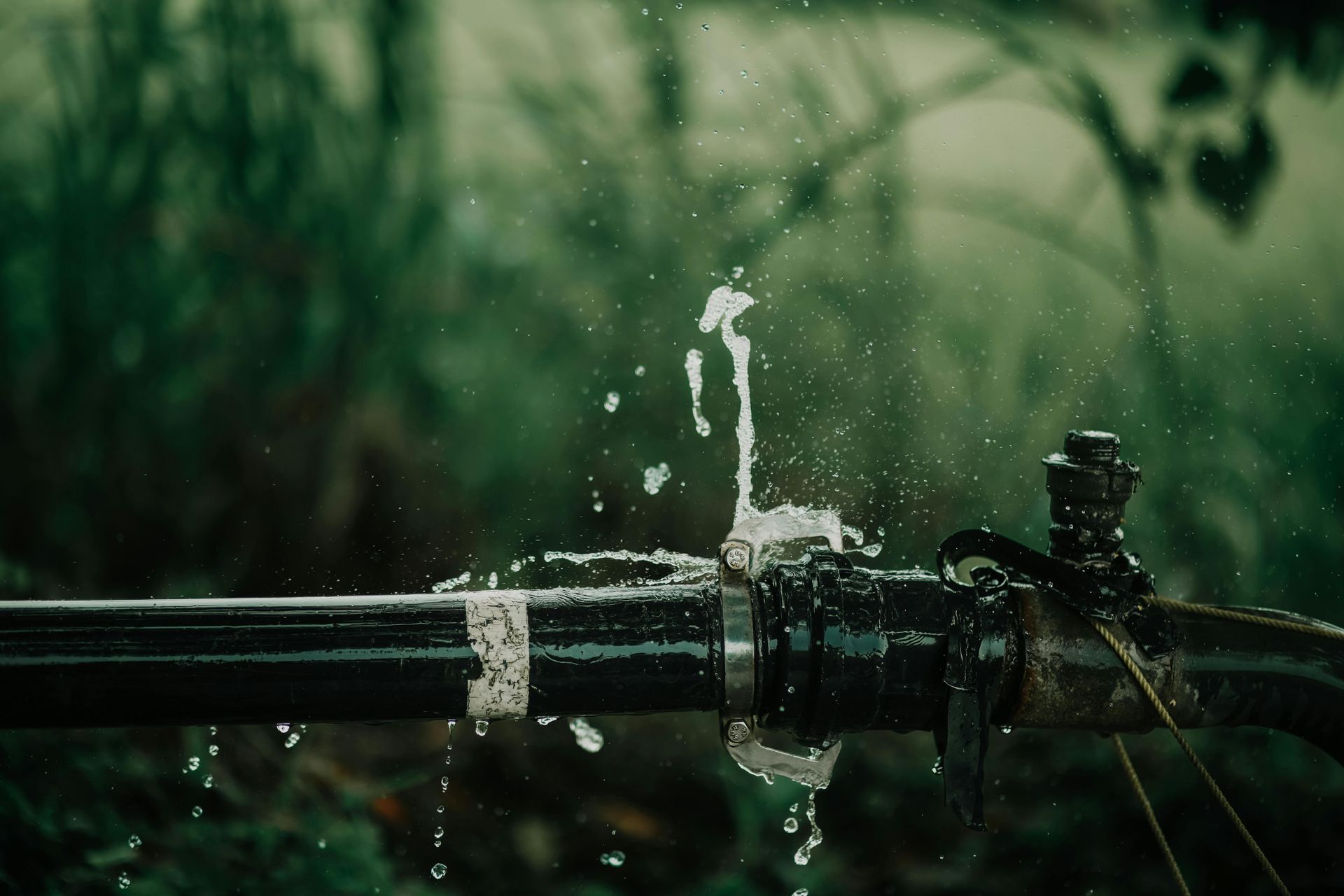
Every home harbors vulnerable spots where plumbing meets power dependency, and spotting them early prevents disasters. Start in basements or crawl spaces, where sump pumps guard against groundwater intrusion—check for rust, clogs, or float switch failures that signal imminent breakdowns. Kitchens and laundry rooms rank high due to garbage disposals and washing machines that back up without power, so inspect hoses for cracks and elevate machines on platforms to counter flood risks. Bathrooms with sewage ejectors for below-sewer-line fixtures demand scrutiny; listen for unusual gurgling or test manual overrides. Outdoor areas like septic systems or irrigation pumps falter quickly, so map low-lying drains prone to overflow. Use a simple checklist during walkthroughs: note fixtures over 10 years old, areas with prior leaks, and zones below grade. Addressing these high-risk plumbing zones fortifies your entire system against outage-induced chaos.
Manual Alternatives and Water Conservation Strategies
When power fails, shift to low-tech methods that rely on gravity and human effort to sustain plumbing functions. Manual pit pumps or hand-crank bilge pumps handle sump duties effectively, requiring only arm strength to evacuate water from pits—practice the motion beforehand for smooth operation. For toilets, install composting units or bucket-flush systems using stored graywater from rain barrels, conserving municipal supplies. Laundry shifts to basin washing with wringers, minimizing wastewater while keeping clothes clean. Boiling water over propane stoves or using UV purifiers ensures safe drinking water when electric pumps stop. Track usage with jugs marked for daily limits, prioritizing cooking and hygiene over luxuries. These strategies extend your resources, maintaining sanitation standards through ingenuity and discipline.
Emergency Services and Professional Interventions
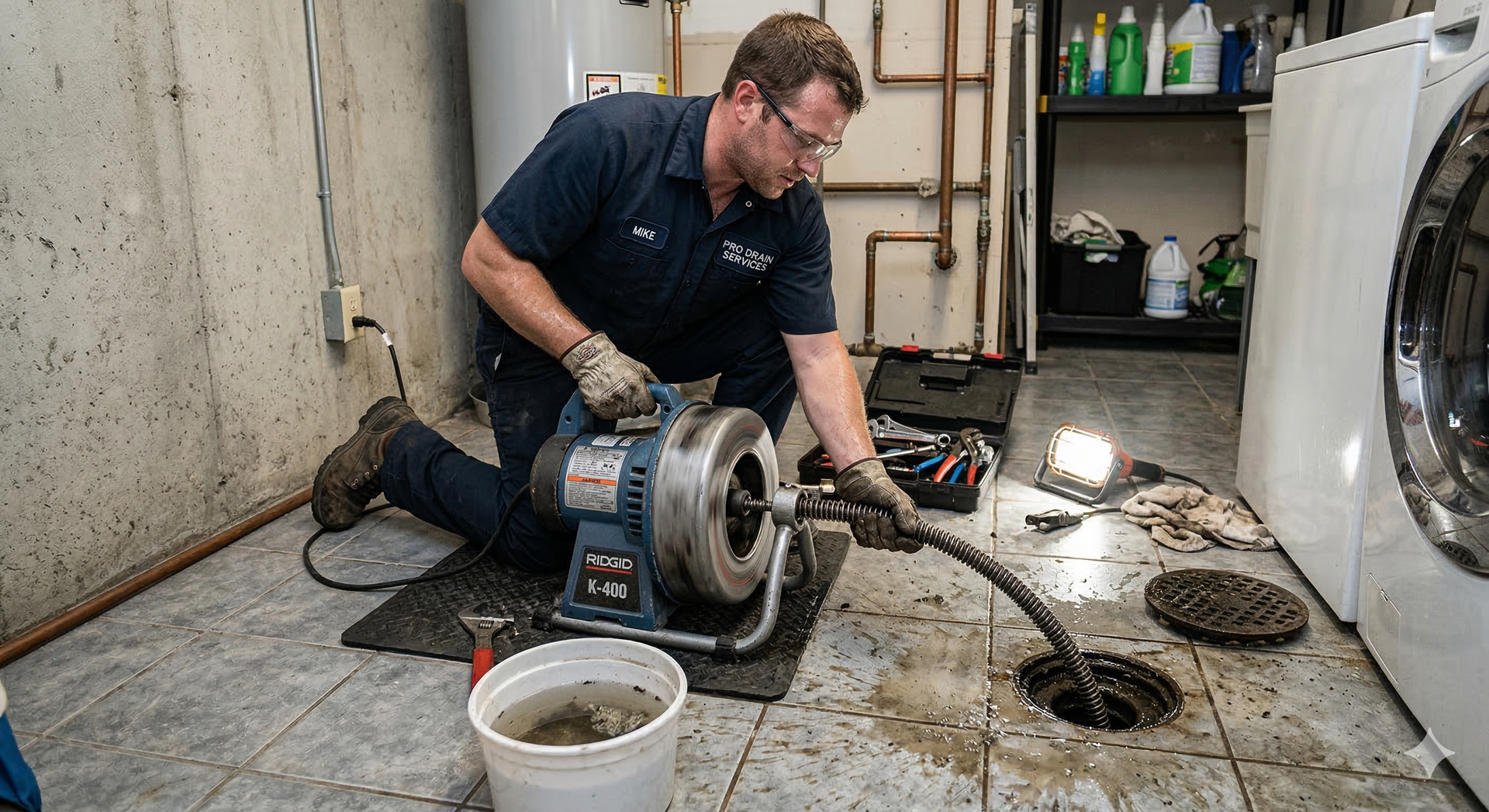
No preparation covers every scenario, which is why knowing when to call for help proves invaluable during severe outages. All City Plumbers stands ready with emergency services designed for blackout scenarios, dispatching technicians equipped with portable generators and diagnostic tools to restore flow swiftly. They handle complex issues like frozen pipes from backup power failures or sewage ejector malfunctions that manual fixes can't touch. Signs demanding pros include persistent backups, unusual odors, or visible water damage—don't delay, as these escalate rapidly. Choose services with 24/7 availability and certified plumbers trained in power-independent repairs. Post-outage, schedule full inspections to prevent hidden corrosion from stagnant water. Reliable intervention bridges the gap between home efforts and full restoration, safeguarding your property.
Long-Term Maintenance for Outage Resilience
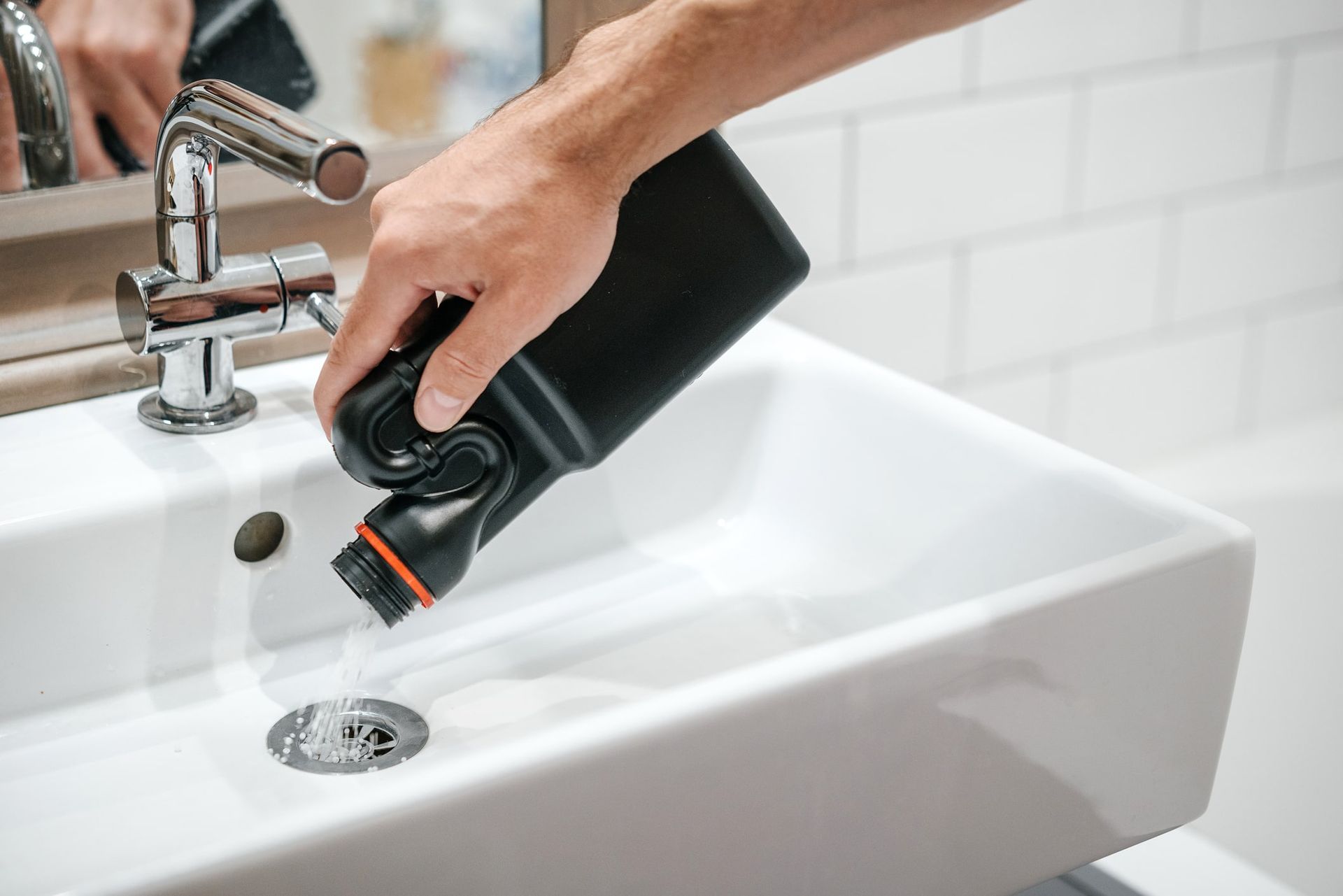
Sustained vigilance builds plumbing that withstands repeated power disruptions year after year. Implement seasonal checks: winterize exposed pipes with insulated wraps and heat tape powered by batteries, while summer focuses on clearing roof drains to avert overloads on pumps. Upgrade to energy-efficient fixtures like low-flow toilets that reduce pump strain during partial power. Install water alarms in risk zones, wired to battery backups that sound alerts for early detection. Log maintenance in a digital app synced to the cloud, tracking patterns like pump cycles to predict failures. Educate on chemical treatments for septic tanks to maintain bacterial balance without aeration. These habits evolve your system into a fortress, minimizing outage impacts over decades.
Conclusion
In conclusion, effectively managing plumbing systems during power failures requires a proactive mindset built on preparation, awareness, and timely decision-making. When electricity is lost, critical components such as sump pumps, electric water heaters, and pressure-regulating systems can stop functioning, increasing the risk of flooding, backflow, or stagnant water issues. Anticipating these challenges in advance—by installing battery backups, maintaining access to manual shutoff valves, and keeping essential plumbing tools readily available—allows homeowners to maintain control even under constrained conditions. Acting swiftly to isolate risks and stabilize key areas can significantly reduce immediate damage and prevent more complex system failures from developing.
Equally vital is the role of professional support when situations exceed basic intervention. Having a trusted emergency plumbing service on standby, such as All City Plumbers, ensures that unexpected complications are handled efficiently and with technical precision. Beyond emergency response, adopting a long-term resilience strategy—through routine inspections, system upgrades, and contingency planning—strengthens the overall reliability of your plumbing infrastructure. By integrating these practices into your home maintenance routine, you not only minimize disruption during outages but also create a robust system capable of withstanding future uncertainties, reinforcing both safety and peace of mind.