What Causes Rusty Hot Water and How to Properly Stop It?
Rusty‑looking hot water can be both alarming and confusing, especially when the cold side of the tap still runs clear. The appearance of red, yellow, or brown water usually indicates the presence of iron oxide or other iron compounds entering your domestic supply somewhere between the mains and your fixtures. In many homes this discoloration is not random; it is the visible sign of corrosion in either the water heater, internal piping, or—less commonly—the external water distribution system. Understanding what causes rusty hot water, where the rust is likely to originate, and how to stop it in a lasting way can make a substantial difference in water quality, appliance longevity, and peace of mind. This article examines the main sources of rusty hot water, walks through how to identify each one, and explains the appropriate corrective steps, including when it makes sense to bring in expert help such as All City Plumbers and how components like expansion tanks and why water heater expansion tanks matter play into the broader plumbing picture.
Identifying When Rust Is Coming Only From Hot Water
A crucial first step in assessing rusty water is determining whether the problem affects cold water, hot water, or both. If discolored or brownish water appears only when you open a hot tap, the root of the issue almost certainly lies somewhere in the hot‑water loop: the water heater tank itself, the hot‑water branch piping, or a localized junction where different metals meet. On the other hand, if both hot and cold water streams show rust‑colored or cloudy water, the source is more likely to be in the cold‑water supply lines, municipal mains, or the entire internal piping network rather than the heater alone. This diagnostic distinction matters because it guides where you focus your investigative and repair efforts, and how you prioritize calls for service or waterline work.
In many cases, rusty hot water emerges gradually and intermittently. Early on you might see a brief burst of brown water that clears after ten to thirty seconds of running, or you may notice a persistent faint yellow‑cant following extended periods of non‑use, such as overnight or after a vacation. These patterns often correspond to layers of rust‑laden sediment that have accumulated in the bottom of the water heater or in specific sections of corroded pipe that only loosen when hot water is drawn. When the problem becomes constant and the water lacks any period of clarity, it usually signals more advanced corrosion that is unlikely to resolve on its own and may require targeted maintenance or even partial replumbing.
Water Heater–Related Causes of Rust
The water heater is one of the most frequent offenders when hot water appears rusty but cold appears unaffected. Several internal conditions can contribute to this outcome, and they often interact with one another over time. One of the primary contributors is general tank corrosion. The interior of many storage‑type tanks is lined with glass or polymer coatings intended to isolate the steel shell from direct water contact. However, as the heater ages, microscopic flaws or scratches in this lining can allow water to reach the metal substrate, and that contact gradually produces iron oxide. Over the years, this rust can flake into the water column and exit the tank when a hot tap is opened, especially right after the burner has induced thermal turbulence.
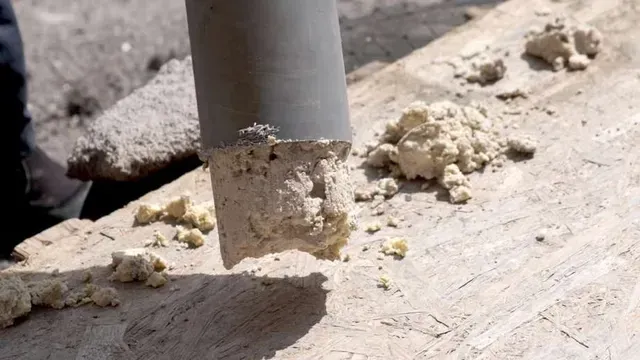
Another important factor related to the water heater is sediment and scale buildup. As water sits inside the tank between heating cycles, dissolved minerals and particulate matter tend to settle on the bottom, forming a dense, gravity‑held sludge. This sediment often contains iron compounds and other metal oxides, particularly in regions with hard or older iron‑rich supply lines. When the heater fires up, the heating element or burner induces convection currents that lift portions of this sludge into suspension, carrying it out through the hot‑water outlet and into the fixtures. Homeowners may misinterpret this rust‑colored outflow as a brand‑new problem when in fact it is simply the periodic stirring of a long‑accumulated deposit.
Also central to this picture is the condition of the anode rod inside the tank. Anode rods are designed to be sacrificial pieces of metal (often magnesium or aluminum) that corrode instead of the steel tank lining. By attracting corrosive ions and oxidation, the rod slows the rate at which the main structure begins to rot, effectively prolonging the useful life of the unit. However, an anode rod has a finite lifespan, typically ranging from five to ten years depending on water chemistry and heater use. Once the rod is heavily depleted or nearly gone, its protective effect ends, and the tank’s steel surfaces start to bear the full brunt of corrosion. This accelerated rusting often manifests as discolored hot water and can quickly progress from faint yellow to a more serious brown‑orange stream. Replacing a spent anode rod before it is completely exhausted can significantly delay this rusting phase.
Iron Bacteria and Microbial Influences
Beyond straightforward physical corrosion, biological factors can also darken hot‑water supplies. Some water supplies foster small populations of iron‑reducing or iron‑oxidizing bacteria, especially in older or relatively stagnant plumbing systems. These organisms metabolize dissolved iron and convert it into rust‑like oxides that disperse through the water, giving the liquid a yellowish or reddish hue. In systems where water sits for long periods in tanks or unused branches, these bacteria gain more time to proliferate and produce visible deposits. The result may resemble mineral‑based rust, but the underlying mechanism is partly microbiological rather than purely mechanical.
An indicator that bacteria may be involved is a persistent earthy or metallic odor, slime in aerators, or the reappearance of rust after draining or flushing the tank without addressing microbial activity. Professional disinfection, usually involving chlorine “shock” treatment of the entire plumbing system or at least the heater itself, can often break this cycle and restore clearer water for a period. However, if the underlying tank and pipes are already badly corroded, even a successful disinfection will not fully eliminate the rust source. In such situations, combined work on both microbial load and physical corrosion is usually the most effective route toward normally colored hot water over the long term.
Corrosion in Internal Pipe Work and Junction Issues
When rusty water seems tied to specific fixtures rather than the entire hot‑water network, the problem frequently lies in the pipes serving those outlets. Homes built before the mid‑20th century may still feature galvanized steel supply lines, in which iron pipes were originally coated with a zinc layer to slow rust. Over decades of continuous water flow, that zinc erodes, exposing the raw steel beneath, which then oxidizes from the inside out. The resulting rust flakes and scale gradually build up along the inner walls, then periodically break loose when water velocity changes—often right after turning on a tap—causing a temporary burst of discolored water that may clear after a short run. In older installations, hot‑water lines tend to corrode even faster than cold runs because elevated temperature accelerates the chemical reactions that produce iron oxide.
Another subtle, but increasingly common, corrosion pathway emerges where dissimilar metals meet in the plumbing. For instance, when copper tubing is joined directly to steel or galvanized pipe without a proper dielectric fitting, galvanic corrosion can occur at the junction. In this scenario, one metal becomes the sacrificial anode for the other, with the more “active” metal (typically steel) corroding preferentially. Rust particles generated at that joint can enter the flow stream and be carried into a specific bathroom or laundry, producing a rusty‑water pattern that appears localized rather than system‑wide. Replacing those mixed‑metal connections with dielectric unions or transitioning entirely to compatible piping helps reduce this corrosive corrosion and prevents ongoing rust shedding into the hot‑water system.
External Supply and Municipal Water–Related Factors
Though less frequent as a cause of long‑term hot‑water problems, external issues in the municipal water supply can also manifest as rusty water. Water main breaks, fire‑hydrant flushing, construction activity on older distribution lines, or repairs to storage reservoirs can disturb decades of rust and sediment that have settled in the mains. When utilities flush or redirect flow to address these events, previously undisturbed iron particles get suspended in the water column and travel down into customers’ homes. In such temporary episodes, rust may appear in both hot and cold taps, often abruptly, and then clear after several hours or a couple of days as the lines settle again.
However, if the discoloration persists for days or returns frequently, the condition often points to internal plumbing or heater corrosion rather than an isolated external event. In these circumstances, simply relying on municipal water‑service logs or one‑time flushing programs is usually insufficient; homeowners must verify that their own systems—especially water heaters, aging pipes, and filter systems—are effectively isolated from, or capable of handling, this external “load.” Persistent external rust can also accelerate internal corrosion because of the constant feeding of oxidized iron into the domestic network, making timely inspection and treatment of water heaters and pipe runs all the more important.
Expansion Tanks, Pressure Dynamics, and Why System Design Matters
As homes increasingly rely on closed‑loop plumbing systems that include check valves, backflow preventers, or pressure‑reducing valves, several newer components have come to play a role in how rust and sediment move through the hot‑water loop. Expansion tanks are one such addition. Why water heater expansion tanks matter is that they absorb the extra volume created when water is heated, preventing unnecessary stress on tank walls, valves, and pipe joints. Without these tanks, repeated thermal expansion can create pulse‑like pressure swings that slowly fatigue joints and promote leaks or micro‑cracks, any of which can become sites for corrosion acceleration.
In homes where expansion tanks are present but malfunctioning, partially collapsed, or incorrectly charged, pressure‑related stress may still accumulate in the system, sometimes contributing to localized breakdowns in pipe or heater linings. Rust particles generated at those weak points can then enter the water stream more readily when hot water is demanded. Although expansion tanks do not directly remove iron or rust, their correct installation and maintenance help maintain a calmer hydraulic environment that reduces wear on components and, therefore, the rate at which rust‑produced sediment builds up inside the tank or pipes. Ensuring that expansion tanks are present and functioning as designed is thus a small but meaningful preventative measure in the broader effort to keep hot water clear and appliances healthy.
Effective Strategies for Properly Stopping Rusty Hot Water
Addressing rusty water is rarely a one‑step fix; it is usually a layered process that begins with accurate diagnosis and then proceeds through mechanical adjustments, chemical interventions, and, in serious cases, equipment or line replacement. The first practical step, assuming the rust appears primarily in the hot stream, is to confirm the source by opening several hot taps simultaneously and inspecting the water over time. If multiple outlets yield similar discoloration—and the color intensifies after the tank has been running or after periods of inactivity—this strongly suggests an internal tank or piping source rather than a transient external factor.
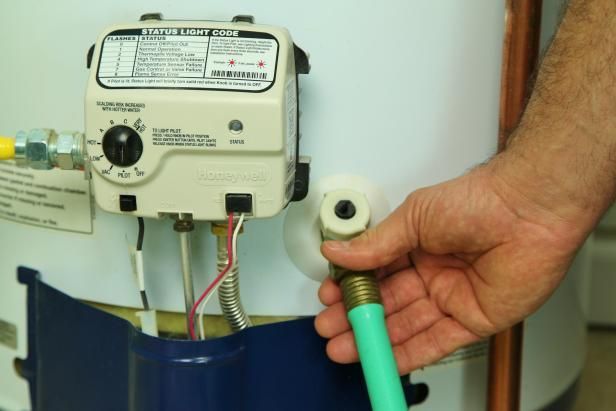
Next, it is prudent to flush the water heater. This involves turning off power or fuel, closing the cold‑water inlet, opening a hot tap to relieve pressure, and then connecting a hose to the bottom drain valve so that the tank can be partially or fully emptied. As the water flows out, rust‑laden sediment and sludge that have accumulated at the base can be carried away instead of lying dormant to be stirred up by future burners. In some units, repeating this flush a second or third time will further clarify the outflow. For homeowners who have not performed this procedure before, referring to the manufacturer’s instructions or contacting a licensed plumbing service such as All City Plumbers can ensure that the process is completed safely with minimal risk of damaging valves, supports, or surrounding finishes.
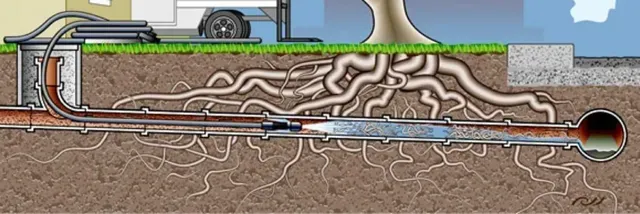
Once the tank has been flushed, the anode rod should be inspected. If the rod is heavily pitted or reduced to a fraction of its original diameter, replacing it promptly can dramatically slow the progression of tank corrosion and reduce the ongoing release of rust into the system. Similarly, in systems that rely on water‑softening equipment or filtration, verifying that those devices are active and properly maintained helps reduce the mineral load that feed both sediment and iron‑oxide formation inside the heater. Where rusty water continues despite these steps, or where specific branches of pipe are implicated because of localized staining or repeated flushing‑with‑no‑improvement, a technician may recommend waterline repair and replacement work on corroded sections or, in worst‑case scenarios, full repiping of the affected hot‑water legs.
In homes supplied by private wells or systems with high‑iron groundwater, additional measures such as iron filters, oxidizing media tanks, or specialized pump‑and‑chlorination sequences may be appropriate. These treatment systems do not fix underlying corrosion but reduce the amount of oxidized iron entering the water heater, which in turn lessens the amount of rusty material that can accumulate and later cloud the hot‑water output. Even in municipal‑supply homes, sediment filters at or before the heater inlet can cut down on particulate iron and debris, helping keep the tank and lines cleaner longer. In buildings where rust remains stubbornly present despite multiple maintenance cycles, the pragmatic option is often replacement of an aging heater or of corroded internal holdings, because prolonged rusting not only degrades water aesthetics and appliance life but can also create chronic leakage and eventual tank failure.
Conclusion
Rusty hot water rarely appears out of nowhere; it is almost always the visible result of a breakdown somewhere along the corrosion chain inside the water heater, the internal piping, or sometimes even the source supply. Each cause—tank corrosion, sediment buildup, failed anodes, microbial activity, or aging galvanized lines—produces characteristic patterns of discoloration and clear‑ing that can guide homeowners and professionals alike toward the right remedy. By combining targeted flushing, inspection and replacement of anode rods, appropriate water‑treatment and filtration adjustments, and, when needed, waterline repair and replacement, many homes can eliminate or at least substantially reduce rusty hot water over the long term. Understanding how components such as expansion tanks and why water heater expansion tanks matter fit into this broader context helps ensure that pressure‑related stress does not quietly accelerate rust formation while you address more obvious mechanical issues. When in doubt or when corrosion appears advanced, involving a reputable service provider allows for thorough diagnosis and professionally executed repairs that restore clean, clear water and protect both plumbing inventory and health.