Why Plumbing Leaks Lead to Mold (And How to Stop It)?
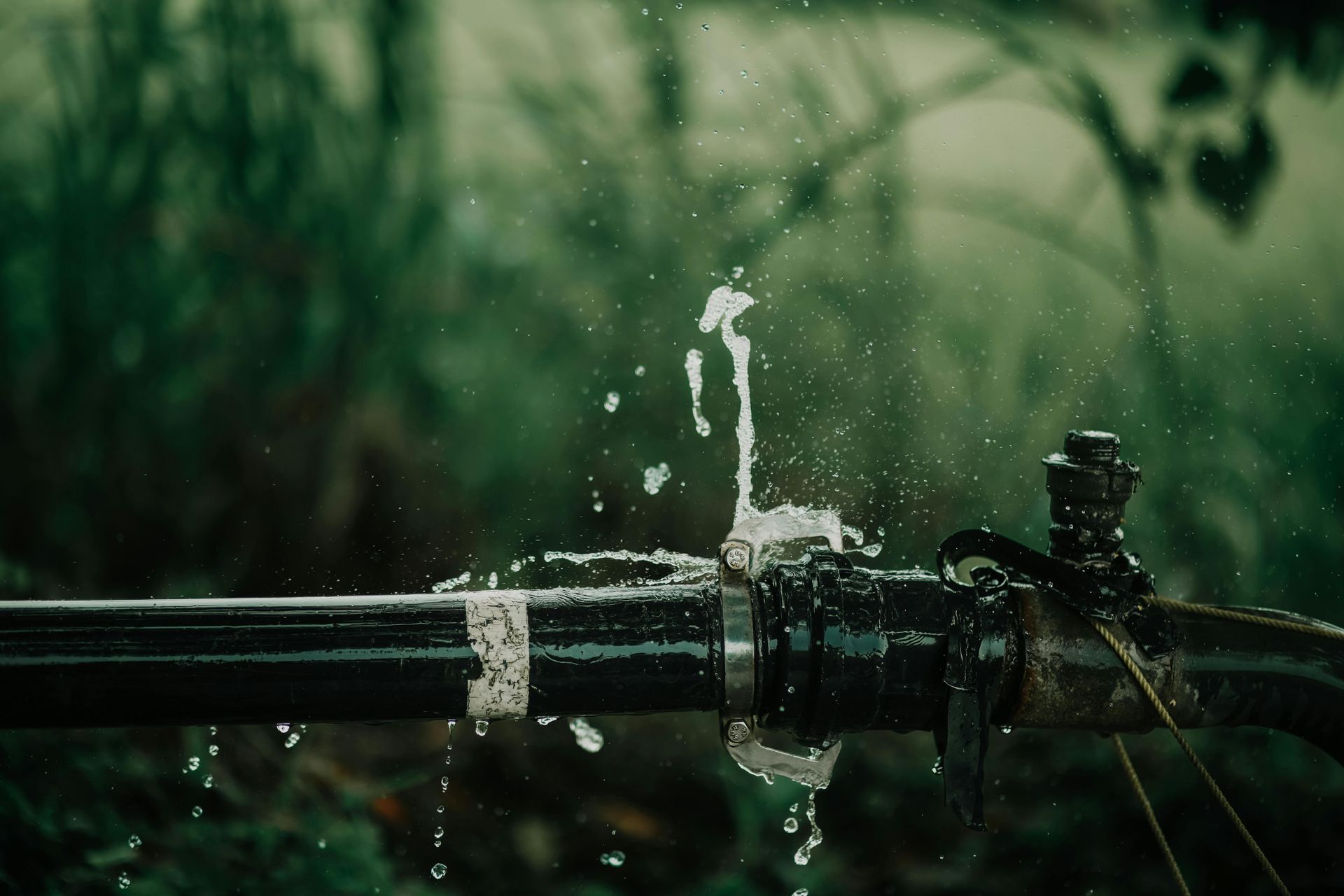
Hey, we've all been there—a sneaky drip from the faucet or a sudden pipe issue floods your space with water. That moisture? It's mold's favorite party invite. Mold pops up fast in wet, warm spots, sometimes in just a day or two, and it can mess with your breathing, trigger allergies, or even damage your walls and floors. The good news? You can totally prevent it with quick moves and smart habits. No need for fancy tools or pro skills right away—just act fast to dry things out and keep your home happy and healthy.
What to Do Right Away When You Spot a Leak
First things first: don't panic, but move quick! Turn off the water at the closest valve or your main shut-off to stop more water from coming in. Grab buckets or towels to catch what's dripping, and if it's a big gush, step back and call in the pros to keep things safe. Suck up standing water with a shop vac if you have one, then fling open windows and crank up fans to get air moving. This stops water from soaking into carpets or walls where mold loves to hide. Teams like All City Plumbers are great for jumping in on tougher spots, so your home's back to normal before you know it.
Drying Out Your Space the Easy Way
Now, let's get that wetness gone for good. Pull out rugs, move furniture, and clear the area so everything can breathe. Pop in a dehumidifier—it sucks humidity right out of the air like a champ, keeping things under 50% moist. Set up fans to blow across wet spots; run them non-stop for a couple days. For tricky hidden dampness in walls or floors, a moisture meter (cheap at hardware stores) tells you when it's truly dry. Skip hair dryers or heaters—they can make things worse by drying the outside too fast. You're basically giving mold no place to crash!
Cleaning Up So Mold Stays Away
Even if you don't see fuzzy stuff yet, clean like a pro to zap any sneaky spores. Slip on gloves, goggles, and a mask for safety—easy stuff from the dollar store. Mix vinegar with water (1:10) and wipe everything down; it's a natural mold-killer that's gentle on surfaces. Scrub with soapy hot water for extra grime, rinse, and dry completely. Toss super-soaked pillows or mats—they're not worth the risk. A HEPA vac picks up floating bits. This keeps your home fresh and ready for life.
Fixing the Leak for Good
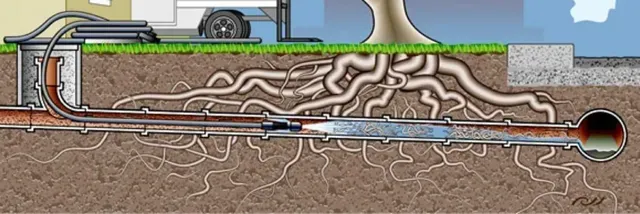
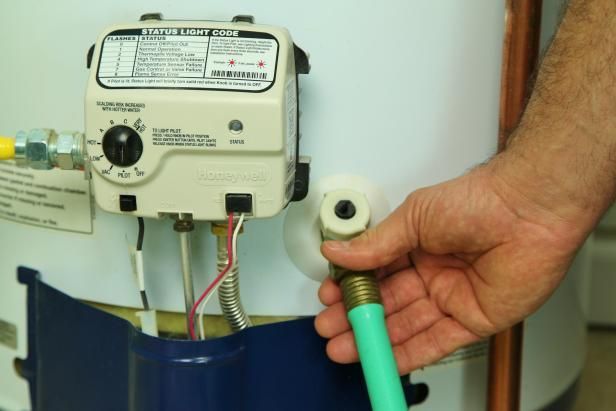
Time to patch things up so it doesn't happen again. Swap a simple washer if you're handy, but for pipes or bigger woes, call folks who do waterline repair and replacement—they spot issues you might miss. Go for durable upgrades like flexible PEX pipes that won't burst easily. Check around for soggy insulation or drywall and swap it out. Do yearly peeks under sinks and at your water heater to catch wear early. Solid fixes mean fewer worries down the road.
Keeping Humidity in Check Every Day
Stay ahead by watching the air in your home. Grab a cheap hygrometer or smart sensor that pings your phone if things get too damp. Swap HVAC filters often and run bathroom fans after showers—they pull steam outside. Seal cracks around doors and pipes to keep humid air out. If you're trying to troubleshoot lukewarm shower water and find a wonky heater, fix it pronto to avoid drips. Quick weekly walks around your place spot musty smells or stains early—super simple habit!
Conclusion
Make your place mold-proof with little changes. Paint moist rooms with mold-resistant stuff—it's like armor for your walls. Raise washers off cold floors and keep gutters flowing so rainwater stays away. Teach your family to yell about drips ASAP. Snap pics of fixes for your insurance, too. These tweaks keep your home cozy and strong.
In conclusion, tackling mold after a leak is easier than you think—just dry fast, clean smart, fix right, and check often. You'll save time, money, and headaches while keeping your space fresh. You've got this!