How to Fix Uneven Bathroom Faucet Temperatures?
Uneven temperatures from bathroom faucets create frustration during showers and handwashing, with water swinging from scalding hot to icy cold. This issue often stems from pressure imbalances, faulty mixing valves, sediment buildup, or plumbing configuration problems rather than the faucet itself. In multi‑fixture bathrooms, the problem worsens when other taps or appliances activate.
This guide details the common causes of temperature fluctuations in bathroom faucets and provides systematic troubleshooting and repair steps. Homeowners can resolve many issues independently, while knowing when professional intervention from services like All City Plumbers ensures safe, lasting fixes.
Understanding Single‑Handle Faucet Mixing Mechanics
Single‑handle bathroom faucets blend hot and cold water through a cartridge or ceramic disc that regulates flow and temperature. Turning the handle adjusts the internal valve’s position to mix water proportionally. Temperature consistency depends on equal pressure from both hot and cold lines; imbalances cause the hotter water to dominate or fluctuate wildly.
Cartridge wear over time erodes precise control, allowing temperature swings even at stable settings. Mineral deposits from hard water further degrade the valve surfaces, exacerbating uneven mixing. Recognizing this mechanism guides diagnosis toward pressure, valve, or supply issues.
Pressure Imbalance Between Hot and Cold Lines
Unequal pressure is the leading cause of temperature swings. Hot water lines from tank or tankless heaters often deliver lower pressure than cold mains due to longer pipe runs, smaller diameters, or heater recovery limitations. When you open the faucet, low hot pressure lets cold dominate until equilibrium shifts.
Test by attaching pressure gauges to hot and cold inlets under the sink; ideal differential is under 20 psi. Pressure‑reducing valves on the main line or balancing valves on branches can equalize flow. In older homes, corroded pipes reduce hot line efficiency, compounding the problem.
Sediment and Mineral Buildup Effects
Hard water deposits calcium and magnesium scale inside faucets and supply lines, restricting hot water flow more than cold due to higher temperatures dissolving minerals differently. Restricted hot flow causes initial scalding bursts followed by cooling as pressure equalizes.
Disassemble the faucet cartridge and clean with vinegar soaks or descaling solutions. Flush supply lines by shutting off water, disconnecting hoses, and running until clear. Install inline filters to capture debris and prevent recurrence.
Cartridge or Valve Replacement Procedures
Worn cartridges demand replacement. Shut off water supplies, disassemble the handle and escutcheon, and pull the cartridge with manufacturer tools. Inspect for scoring or debris; replace with OEM parts matching model numbers. Lubricate O‑rings during reassembly for smooth operation.
For compression or two‑handle faucets, replace separate hot and cold stems if washers are degraded. Proper torque prevents leaks while ensuring precise mixing control.
Aerator and Flow Restrictor Cleaning
Clogged aerators disproportionately affect hot or cold streams, skewing temperatures. Unscrew aerators from spouts, soak in vinegar, scrub screens, and reinstall. Replace restrictors if flow remains uneven, as they enforce water‑saving limits that interact poorly with pressure variances.
Addressing Supply Line and Shutoff Valve Issues
Partially closed shutoff valves under the sink restrict hot lines more often due to age. Fully open both valves and test flow. Replace stiff or corroded valves with quarter‑turn ball types for reliable operation.
Kinked or undersized supply lines limit hot delivery; upgrade to 1/2‑inch braided hoses for better flow. In shared bathrooms, demand from adjacent fixtures pulls pressure unevenly.
Multi‑Fixture and Whole‑House Pressure Problems
In bathrooms with multiple faucets or adjacent showers, simultaneous use amplifies imbalances. Install pressure‑balancing shower valves that prioritize set temperature over volume. Whole‑house pressure regulators maintain 50–80 psi system‑wide.
Backflow preventers, required by code in many areas, protect clean water from contamination but can introduce minor pressure drops if clogged. Regular testing and maintenance ensure they function without disrupting faucet performance—understanding how backflow preventers protect your water supply helps appreciate their role in safe plumbing.
Temperature and Pressure Relief Valve Checks
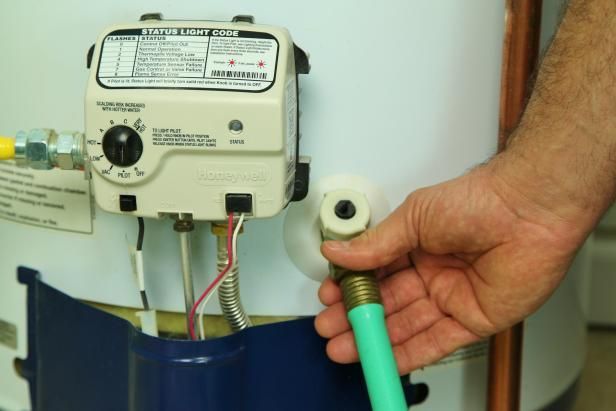
Faulty T&P valves on water heaters cause erratic hot supply. Test by lifting the lever briefly; water should flow. Replace if stuck or leaking, as they regulate tank pressure affecting downstream faucets.
Advanced Fixes: Mixing Valves and Expansion Tanks
Thermostatic mixing valves (TMVs) blend water to precise temperatures regardless of pressure changes, ideal for showers. Install point‑of‑use TMVs under sinks for consistent handwashing.
Expansion tanks absorb thermal expansion in closed systems, stabilizing pressure. Properly sized tanks prevent relief valve chatter and uneven delivery.
When to Call Emergency Services or Professionals
Sudden scalding or no hot water signals potential heater failure or gas issues requiring immediate attention. For persistent problems involving main lines or backflow devices, contact emergency services or plumbers promptly to avoid water damage or contamination risks.
All City Plumbers offers diagnostics for complex pressure issues, ensuring safe resolutions without DIY hazards.
Preventative Maintenance for Temperature Stability
Annual faucet disassembly, line flushing, and pressure checks prevent buildup. Water softeners reduce scale in hard water areas. Monitor for leaks that erode pressure over time.
Conclusion
Uneven bathroom faucet temperatures arise from pressure mismatches, worn components, sediment, or system‑wide issues, but systematic troubleshooting restores balance. Cleaning, replacing cartridges, balancing pressures, and installing mixing valves address most causes effectively. For intricate problems or safety concerns, professional services like All City Plumbers deliver reliable solutions. Consistent maintenance ensures steady, comfortable water flow, enhancing daily bathroom functionality.