Electric vs. Gas Water Heaters: Which One Costs Less Long Term?
Electric and gas water heaters each have strong advocates, but determining which costs less over the long term requires looking beyond the upfront price tag to include energy efficiency, maintenance, lifespan, and local utility rates. Electric models are simpler and cheaper to install, while gas units often provide lower operating costs in areas with inexpensive natural gas. Over 10–15 years, the total cost of ownership can differ by hundreds or even thousands of dollars depending on your location, usage patterns, and maintenance habits.
This comprehensive comparison breaks down the key factors influencing long‑term costs for both types of water heaters. By examining efficiency ratings, energy bills, repair frequency, lifespan, and installation considerations, homeowners can make an informed choice tailored to their household needs and regional conditions.
Upfront Costs: Purchase and Installation
Electric water heaters typically have lower initial purchase prices, often ranging from $500 to $1,200 for a standard 50‑gallon tank model, depending on capacity and energy efficiency features. Gas models cost more upfront, usually $800 to $1,800 for similar sizes, due to additional components like the burner assembly, venting systems, and safety valves.
Installation adds another layer of expense. Electric units are straightforward to install, requiring only electrical wiring upgrades in some cases, with labor costs around $300 to $800. Gas heaters demand gas line connections, proper venting (often through the roof or sidewall), and compliance with local codes, pushing installation fees to $1,000 to $2,500 or higher. In homes without existing gas infrastructure, the cost of running a new gas line can make electric the clear short‑term winner.
These upfront differences set the stage for long‑term analysis, as higher initial investments in gas models must be offset by savings elsewhere to justify the choice.
Energy Efficiency and Operating Costs
Operating costs are where the real long‑term differences emerge, heavily influenced by local utility rates and efficiency ratings. Electric water heaters have Uniform Energy Factor (UEF) ratings typically between 0.90 and 0.95 for standard models, meaning about 90–95% of the energy input becomes usable hot water. Heat pump water heaters, an electric variant, achieve UEFs up to 3.5 by pulling heat from the air, slashing electricity use by up to 60% compared to standard electric resistance models.
Gas water heaters generally have UEF ratings of 0.60 to 0.70 for conventional tanks, though high‑efficiency condensing models reach 0.95 or higher by capturing exhaust heat. In regions where natural gas costs $0.50–$1.00 per therm versus electricity at $0.12–$0.20 per kWh, gas often wins on monthly bills. For a family of four, annual operating costs might run $400–$600 for gas versus $500–$900 for electric, but heat pump electrics can drop to $200–$400.
Fuel price volatility plays a role; electricity rates tend to be more stable, while gas can fluctuate with market conditions. Rebates and incentives for high‑efficiency models further tilt the scales.
Maintenance and Repair Expenses
Maintenance costs accumulate over time and can significantly impact total ownership expenses. Electric water heaters require minimal routine care beyond annual anode rod inspection and tank flushing to remove sediment, with parts like heating elements costing $20–$50 each to replace. A typical repair bill might total $200–$400, and these units rarely need professional service outside of element failures.
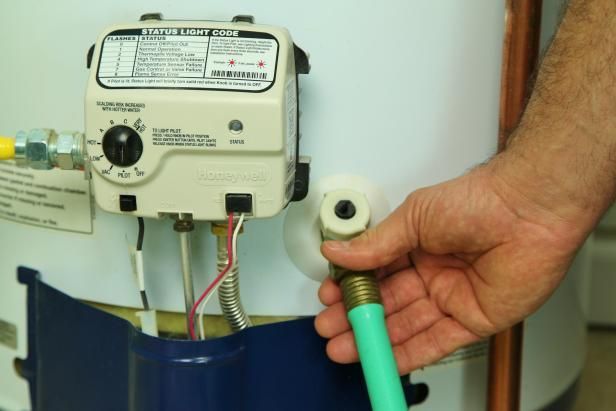
Gas water heaters demand more attention, including burner cleaning, pilot light adjustments, and thermocouple replacements, with annual service recommended to prevent efficiency loss. Repairs such as gas valve or flue issues can exceed $500, and venting problems pose safety risks requiring licensed technicians. Sediment buildup affects both types but accelerates corrosion in gas tanks due to higher operating temperatures.
Companies specializing in water heaters, like All City Plumbers, often recommend proactive maintenance schedules that can extend life and reduce unexpected costs for either system.
Expected Lifespan and Replacement Cycles
Lifespan influences long‑term costs because replacement is a major expense. Both electric and gas tank water heaters last 8–12 years on average, though proper maintenance can push this to 15 years. Electric models often outlast gas ones slightly due to fewer components exposed to combustion byproducts, with heat pump variants rated for 10–15 years.
Tankless gas water heaters can last 20 years or more with annual descaling, while electric tankless models achieve similar longevity. However, tankless units cost $1,000–$3,000 upfront plus installation, so their extended life must offset the premium. Frequent cycling in tankless systems can wear components faster in hard water areas without filtration.
Replacement timing affects total costs; budgeting for a new unit every decade underscores the value of efficiency and maintenance in minimizing overall expenses.
Fuel Availability and Regional Variations
Local infrastructure heavily sways long‑term economics. In urban areas with cheap, reliable natural gas, gas water heaters frequently prove cheaper to operate over time. Rural homes or apartments without gas lines default to electric, where solar incentives or off‑peak rates can make it competitive.
Electricity generation mix matters too; regions with hydroelectric or nuclear power have lower electric rates, favoring electric heaters, while coal or gas‑heavy grids increase costs. Incentives like federal tax credits for heat pump water heaters (up to $2,000) or local rebates for high‑efficiency gas models can shift the balance significantly.
Home size and hot water demand also factor in; larger households benefit more from the faster recovery of gas units, potentially reducing energy waste from overuse.
Environmental and Rebate Considerations
Beyond dollars, environmental impact influences indirect costs like carbon taxes or rebates. Electric water heaters paired with renewable energy sources produce lower emissions, qualifying for green incentives. Gas models contribute more to greenhouse gases unless using renewable natural gas.
High‑efficiency ratings unlock rebates; ENERGY STAR electric models or condensing gas units often receive $300–$1,000 back. These savings compound over the unit’s life, making efficiency a key long‑term cost driver regardless of fuel type.
Hidden Costs: Safety, Insurance, and Efficiency Loss
Gas heaters carry higher insurance premiums due to fire and carbon monoxide risks, adding $50–$200 annually in some cases. Electric units pose lower hazards but can strain older electrical panels, requiring costly upgrades.
Efficiency degrades over time in both; unmaintained tanks lose 1–2% per year, inflating bills. Sediment insulates elements, forcing harder work and higher consumption. Routine flushing and anode checks mitigate this.
In older properties, plumbers can detect and prevent pipe corrosion in older homes by inspecting water chemistry and recommending compatible anode rods or sacrificial protections during heater service.
Total Cost of Ownership Calculations
Over 10 years, a standard electric water heater might total $4,000–$6,000 including purchase, install, energy, and maintenance, while gas could range $3,500–$5,500 in favorable areas. Heat pump electrics often come in under $3,500 with rebates, and tankless gas exceeds $6,000 but saves on energy for high‑demand homes.
Use online calculators from utilities or ENERGY STAR, inputting local rates and household size, for personalized estimates. These reveal that gas edges out in low‑cost fuel regions, while efficient electrics prevail elsewhere.
Conclusion
Neither electric nor gas water heaters universally cost less long term; the winner depends on local fuel prices, efficiency choices, maintenance diligence, and household needs. Gas often leads in operating savings where affordable, while electric excels in simplicity, safety, and rebate potential, especially heat pumps. Weighing total ownership costs through detailed calculations ensures the most economical choice. Professional input from services like All City Plumbers during installation or upgrade can optimize performance and longevity for either type.