How to Properly Use a Plumber’s Snake to Unclog Drains?
Clogged drains are among the most common plumbing problems homeowners face. Hair, grease, soap scum, food particles, and other debris can slowly build up inside pipes until water drains slowly or stops moving altogether. While chemical cleaners may seem convenient, they can damage pipes over time and are often ineffective against tougher blockages. A plumber’s snake, also known as a drain auger, is a more reliable, professional‑grade tool for clearing clogs safely and effectively.
This guide explains what a plumber’s snake is, the different types available, how to choose the right one, and how to use it step by step. With proper technique and a bit of patience, you can handle many drain clearing tasks yourself, and you will also know when it is time to call a professional service such as All City Plumbers for more serious or recurring problems.
Understanding What a Plumber’s Snake Is
A plumber’s snake is a flexible, coiled metal cable designed to navigate through plumbing pipes and break up or retrieve clogs. One end of the cable has a corkscrew, hook, or cutting head, while the other end is connected to a handle or drum mechanism that allows you to feed and retract the cable. By rotating and pushing the cable through the pipe, you can grab, break apart, or dislodge blockages that are beyond the reach of a standard plunger.
Plumber’s snakes come in various sizes and designs for different applications. Smaller handheld models are ideal for sinks, tubs, and showers, while larger drum or power‑driven snakes are used for longer runs such as main household drains or sewer lines. Understanding the basic structure of the tool helps you use it confidently and avoid damaging your fixtures or pipes.
Types of Plumber’s Snakes and Their Uses
Not all clogs are the same, and neither are all snakes. Handheld drain snakes are compact tools with a small drum or open reel and a relatively thin cable. They are suited for common household drains like bathroom sinks, kitchen sinks, and shower or tub drains. Their size makes them easier to control in tight spaces and less likely to damage delicate fixtures.
Medium‑duty drum augers often have longer, thicker cables and may include a crank handle for manual operation or a simple adapter for use with a power drill. These are useful when a clog is located farther down the line or when dealing with slightly larger pipes such as laundry drains or small main lines. Their added length and stiffness help them navigate longer runs and more stubborn blockages.
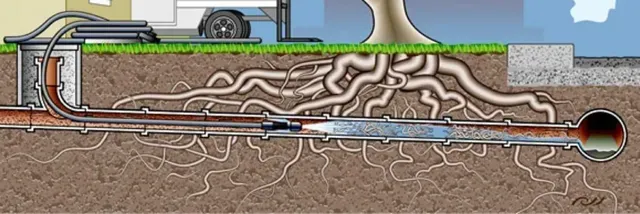
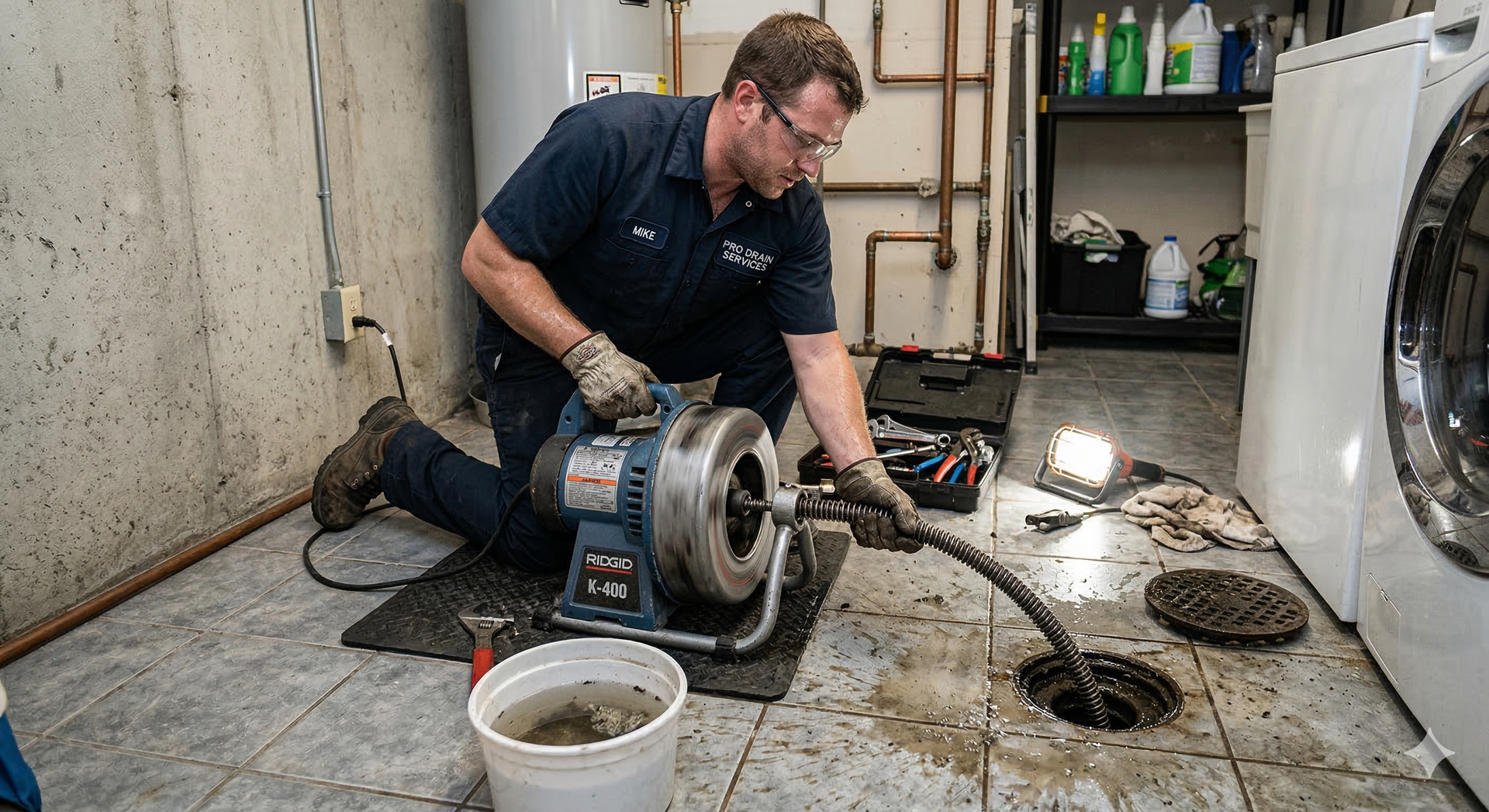
Heavy‑duty, powered snakes are typically used by professional plumbers for main sewer lines and large‑diameter drains. These machines can feed cable many feet into the system and use motorized rotation to cut through severe obstructions such as tree roots or heavy grease buildup. Because of their power and complexity, they require training and experience to operate safely and are usually not the first choice for DIY users.
Safety Preparation and Protective Gear
Before using a plumber’s snake, take time to prepare your workspace and protect yourself. Drain clearing can be messy, and you may encounter dirty water, bacteria, sharp edges, or unexpected splashes. At a minimum, wear sturdy rubber or nitrile gloves to protect your hands, and consider safety glasses to shield your eyes from debris and splashing water.
Clear the area around the drain so you have room to work and to lay out the snake cable as you feed it in and pull it back out. Keep towels or rags nearby to catch drips and wipe down the cable as it returns. A small bucket or tray can be helpful for collecting debris that comes out of the drain.
Shut off nearby electrical devices or outlets if there is standing water, especially around floor drains or laundry areas, to reduce the risk of electrical hazards. If you are dealing with a basement drain or a clogged line that could back up significantly, be aware that proper, timely drain maintenance is one of the key ways to prevent water damage in your basement and other lower levels of the home.
Preparing the Drain and Accessing the Pipe
Proper preparation of the drain itself makes the job easier and reduces the chance of damaging fixtures. For sink drains, remove the stopper or pop‑up assembly so you have a clear opening for the snake cable. In bathroom sinks, you may need to disconnect the pivot rod under the sink to remove the stopper fully. Clean away any visible hair or debris at the opening before using the snake.
In kitchen sinks, removing the strainer or basket may be necessary. If the sink has a garbage disposal, never insert a snake directly through the disposal opening. Instead, disconnect the trap and feed the snake into the line from the downstream side, or use alternate access such as a cleanout. Always ensure the disposal is switched off and, ideally, unplugged before working in the area.
For tub and shower drains, remove any drain covers or grates. Some covers are held with screws, while others can be pried up gently. Removing these obstructions gives you more direct access to the pipe and reduces friction on the cable as you feed it into the drain.
Feeding the Snake into the Drain
Once you have clear access, position the plumber’s snake close to the drain opening. Start with a small length of cable extended from the drum or reel. Insert the tip of the cable into the drain and gently push it forward while turning the handle or drum. The goal is to let the cable follow the natural path of the pipe, not to force it aggressively.
As you advance, you may feel light resistance as the cable navigates bends and fittings. Continue to rotate and gently push, allowing the snake to work its way around corners. If you encounter significant resistance early on, you may be hitting a sharp bend, a trap, or the clog itself. In these cases, slow down and use controlled rotation and pressure rather than brute force.
For longer runs, periodically feed more cable into the line, keeping enough tension so the cable does not kink or coil on itself. Avoid sharp bends in the cable outside the drain, as these can lead to kinking or loss of control. With practice, you will learn to distinguish between the feel of bends in the pipe and the solid resistance of a true blockage.
Locating and Breaking Through the Clog
When the snake encounters a clog, you will feel a distinct change in resistance. The cable may stop advancing easily, or you may feel a bouncing or pushing sensation as the head contacts the obstruction. At this point, slow down and focus on controlled rotation and short forward and backward movements.
Rotate the cable steadily while applying moderate pressure. The head of the snake is designed to grab, pierce, or break apart debris as it spins. For hair clogs, the head may twist into the mass and pull it back when you retract the cable. For softer clogs such as grease or soap buildup, the snake can punch a hole through the blockage and break it into smaller pieces that can be flushed away.
If you feel the cable suddenly move forward after a period of resistance, you may have successfully broken through the clog. Continue to advance a short distance beyond the blockage to ensure the pipe is adequately cleared. Then, slowly pull the snake back while continuing to rotate it so any attached debris is brought out of the pipe rather than left behind.
Retrieving the Snake and Cleaning Up
As you withdraw the cable, be prepared for it to bring back dirty water, sludge, hair, and other debris. Pull the cable out gradually, wiping it with a rag or towel as it emerges to remove buildup and prevent messes on the floor. Place removed debris into a bucket or trash bag for proper disposal.
Once the cable is fully retracted, clean the snake according to the manufacturer’s recommendations. Many homeowners use a mild disinfectant or cleaning solution on the cable to reduce odors and bacteria before coiling it back into the drum or reel. Keeping the tool clean not only improves hygiene but also extends its lifespan and ensures it operates smoothly the next time you need it.
Reassemble any drain components you removed earlier, such as stoppers, covers, or traps. Make sure all connections are tight and properly aligned to prevent leaks. Wipe down the work area and dispose of all waste responsibly.
Testing the Drain After Snaking
After you have cleared the clog and reassembled the drain, it is important to test your work. Run water at a moderate flow for several minutes and observe how it drains. The water should flow smoothly without backing up or pooling. If you previously had a complete blockage, you should see a clear improvement in performance.
Watch for any signs of leaks under sinks or around traps that you disturbed during the process. Even a small drip can lead to damage over time if left unaddressed. Tighten connections as needed and confirm that all joints remain dry while the water is running.
If the drain still runs slowly or backs up again shortly after snaking, it may indicate a more serious or distant blockage in the line, potentially in the main drain or sewer. In that case, more advanced equipment or professional help is usually required to resolve the issue fully.
Common Mistakes to Avoid When Using a Plumber’s Snake
Improper use of a plumber’s snake can damage fixtures, pipes, or the tool itself. One common mistake is forcing the cable aggressively when it meets resistance. Excessive force can cause the cable to kink, break, or punch through fragile sections of pipe, especially in older plumbing systems. Always rely on steady rotation and moderate pressure rather than brute strength.
Another mistake is using the wrong type or size of snake for the job. A large, heavy‑duty auger may be too powerful for small sink drains and can scratch or crack delicate materials. Conversely, a small handheld snake may be ineffective for long runs or large‑diameter pipes, leading to incomplete clog removal and recurring problems.
Some users also forget to secure the drum or handle properly, allowing the cable to twist or whip unexpectedly. Maintaining good control of the tool at all times is essential for safety. Take your time, maintain a firm grip, and avoid distractions while working.
When to Call a Professional Plumber
While a plumber’s snake can handle many household clogs, there are situations where professional assistance is the smarter and safer option. If you have repeated blockages in the same drain, clogs affecting multiple fixtures at once, or signs of a main line issue such as sewage backing up into tubs or floor drains, it is time to contact a licensed plumber.
Professional plumbers have access to more powerful equipment, including motorized augers and video inspection cameras. These tools allow them to locate the exact position and nature of the blockage, whether it is heavy grease buildup, a collapsed pipe, or invading tree roots. They can then choose the most effective method for drain clearing without guesswork.
In addition to removing clogs, an experienced plumber can inspect your overall drainage system and recommend preventive measures, such as cleaning schedules or pipe repairs, to reduce future problems. Reputable companies like All City Plumbers can also identify issues in related plumbing systems and suggest broader solutions if needed.
Integrating Drain Snaking into Overall Plumbing Maintenance
Using a plumber’s snake should be part of a broader approach to caring for your plumbing system. Regularly clearing minor clogs before they become major blockages, combined with good habits such as keeping grease, coffee grounds, and excessive food waste out of kitchen drains, will keep your pipes flowing freely. In bathrooms, using drain screens to catch hair and cleaning them frequently can significantly reduce clog formation.
Periodic professional inspections and cleanings, especially for older homes or those with a history of drainage issues, provide an extra layer of protection. During such visits, plumbers can assess other components of your system, recommend upgrades, and ensure that your drains, vents, and main lines are all in good working order. This proactive maintenance approach helps you avoid emergencies and keeps your plumbing efficient and reliable.
In some cases, addressing repeated clogs may reveal underlying problems such as improper pipe slope, corrosion, or aging materials that need replacement. Tackling these issues sooner rather than later protects your home and can help you avoid more extensive repairs down the road.
Conclusion
A plumber’s snake is a valuable tool for homeowners who want to handle common drain clogs safely and effectively without relying on harsh chemicals. By understanding the different types of snakes, preparing your workspace properly, and using careful, controlled techniques, you can clear many blockages in sinks, tubs, and other household drains yourself.
At the same time, knowing the limits of DIY methods is essential. Persistent or recurring clogs, slow drains throughout the home, or signs of deeper line problems call for professional diagnosis and treatment. Combining smart, informed use of a plumber’s snake with routine plumbing maintenance and timely professional help when needed will keep your drains running smoothly and protect your home from the inconvenience and potential damage caused by severe blockages.