How to Prevent Tree Roots from Damaging Sewer Lines?
Tree roots and sewer lines are a natural but dangerous combination. Trees are constantly searching for water and nutrients, and your underground sewer pipes provide both. Even a tiny crack or loose joint can allow moisture to escape, drawing roots toward the pipe. Over time, those roots can invade, expand, and eventually block or break the line, leading to sewage backups, foul odors, and expensive repairs.
This guide explains how and why tree roots damage sewer lines, the warning signs to watch for, preventive strategies you can adopt as a homeowner, and when it is time to call in professionals such as All City Plumbers. By understanding the risks and acting early, you can protect both your landscaping and your plumbing system.
How Tree Roots Damage Sewer Lines
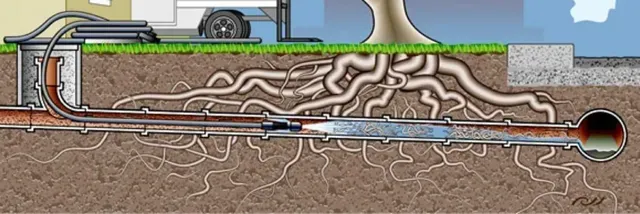
Tree roots naturally grow toward sources of water and nutrients. Sewer lines, especially older ones made from clay, cast iron, or concrete, often have tiny gaps at joints or hairline cracks that release moisture into the surrounding soil. Roots sense this moisture and begin to grow toward it, eventually finding their way into the pipe.
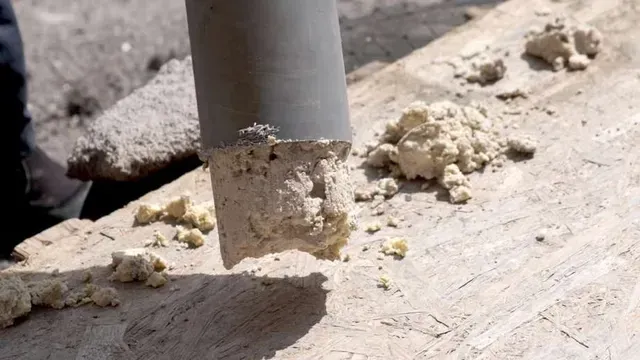
Once inside, roots encounter warm, nutrient‑rich wastewater that encourages even more growth. Fine hair‑like roots expand into dense mats that trap debris such as grease, toilet paper, and other solids. This buildup gradually reduces the pipe’s internal diameter, slowing flow and eventually causing clogs or complete blockages.
The physical pressure of growing roots can also force joints apart or widen existing cracks. In severe cases, entire sections of pipe can collapse or become misaligned. Understanding this process underscores why preventive measures and early intervention are critical, rather than waiting for a major backup to occur.
Recognizing Early Warning Signs of Root Intrusion
Tree root problems rarely appear overnight. Instead, they develop slowly, giving you time to notice warning signs if you pay attention. One of the earliest symptoms is slow drainage in multiple fixtures, especially those at the lowest levels of your home. If sinks, bathtubs, and toilets all begin draining slowly at once, the issue is likely in the main sewer line rather than individual drains.
Another common sign is frequent or recurring clogs that return even after you clear them with a plunger or drain cleaner. If you find yourself repeatedly dealing with blockages in different fixtures, it suggests an underlying restriction in the main line where roots could be growing.
You may also notice gurgling sounds from drains or toilets, particularly when other fixtures are in use. In some cases, sewage odors may be present outside near where the sewer line runs, or you might see unusually lush, green patches of grass along the route of the pipe. All of these clues point toward a possible root intrusion that warrants a professional inspection.
Understanding Your Sewer Line Layout and Materials
Preventing root damage starts with knowing where your sewer line runs and what it is made of. Many homeowners have access to property diagrams, building plans, or municipal records that show the approximate route from the home to the main sewer or septic system. If that information is not available, a licensed plumber can often trace the line using electronic locating equipment.
Older homes frequently have sewer lines made from clay, cast iron, or concrete, which are more susceptible to root intrusion due to their joints and tendency to crack over time. Newer installations may use PVC or ABS plastic, which have fewer joints and tighter seals, making them more resistant to root penetration. However, even modern materials are not immune if damaged during installation or by ground movement.
Knowing your line’s path and material helps you identify which trees, shrubs, and other landscaping elements pose the greatest risk. It also informs decisions about whether to repair specific sections, reline the pipe, or replace it entirely when problems are discovered.
Planning Tree Placement and Landscaping Wisely
Thoughtful landscaping is one of the most effective long‑term strategies for preventing root‑related damage. When planting new trees or shrubs, consider their mature size, root spread, and water needs. Species known for aggressive root systems, such as willows, poplars, and certain maples, should not be planted near sewer lines or other underground utilities.
A good rule of thumb is to plant trees at a distance at least equal to their expected mature height away from sewer lines. For example, if a tree is expected to reach 30 feet tall, it should be planted at least 30 feet away from the pipe route. While this guideline is not perfect, it significantly reduces the risk of roots reaching your sewer line.
In addition to choosing appropriate species and distances, you can use landscaping to redirect root growth. Installing root barriers or selecting deep‑rooted groundcovers instead of thirsty shrubs near the sewer route can help. When in doubt, consulting with a knowledgeable arborist or a plumbing professional ensures your landscaping plans do not unintentionally create future plumbing problems.
Installing Root Barriers as a Preventive Measure
Root barriers are physical barriers placed in the ground between trees and sewer lines to limit how far roots can grow toward the pipes. They are typically made from durable plastic or composite materials and are installed vertically, extending several feet below the surface to intercept roots and redirect them downward or away.
Proper installation is critical for root barriers to work effectively. The barrier must be deep enough to block the bulk of the root system and positioned in a continuous line between the tree and the sewer pipe. Gaps or shallow sections can allow roots to bypass the barrier over time. While some homeowners may install small barriers for young plantings, larger or more complex setups are often best handled by professionals familiar with both root behavior and underground utilities.
Root barriers do not harm trees when correctly installed; instead, they guide roots to grow in safer directions. Combining barriers with careful tree placement and species selection offers a strong line of defense against future sewer line intrusion.
Routine Sewer Line Inspections and Cleaning
Even with preventive landscaping and barriers, regular inspection and maintenance of your sewer line remain essential. Video camera inspections allow plumbers to see inside the pipe and detect early signs of root intrusion, cracks, offsets, and other issues before they escalate into major blockages or breaks.
A flexible camera is inserted into the line through a cleanout or access point and guided along the pipe. The live video feed shows any root masses, standing water, or structural defects. Based on these findings, the plumber can recommend appropriate next steps, which may include cleaning, spot repairs, or more extensive rehabilitation.
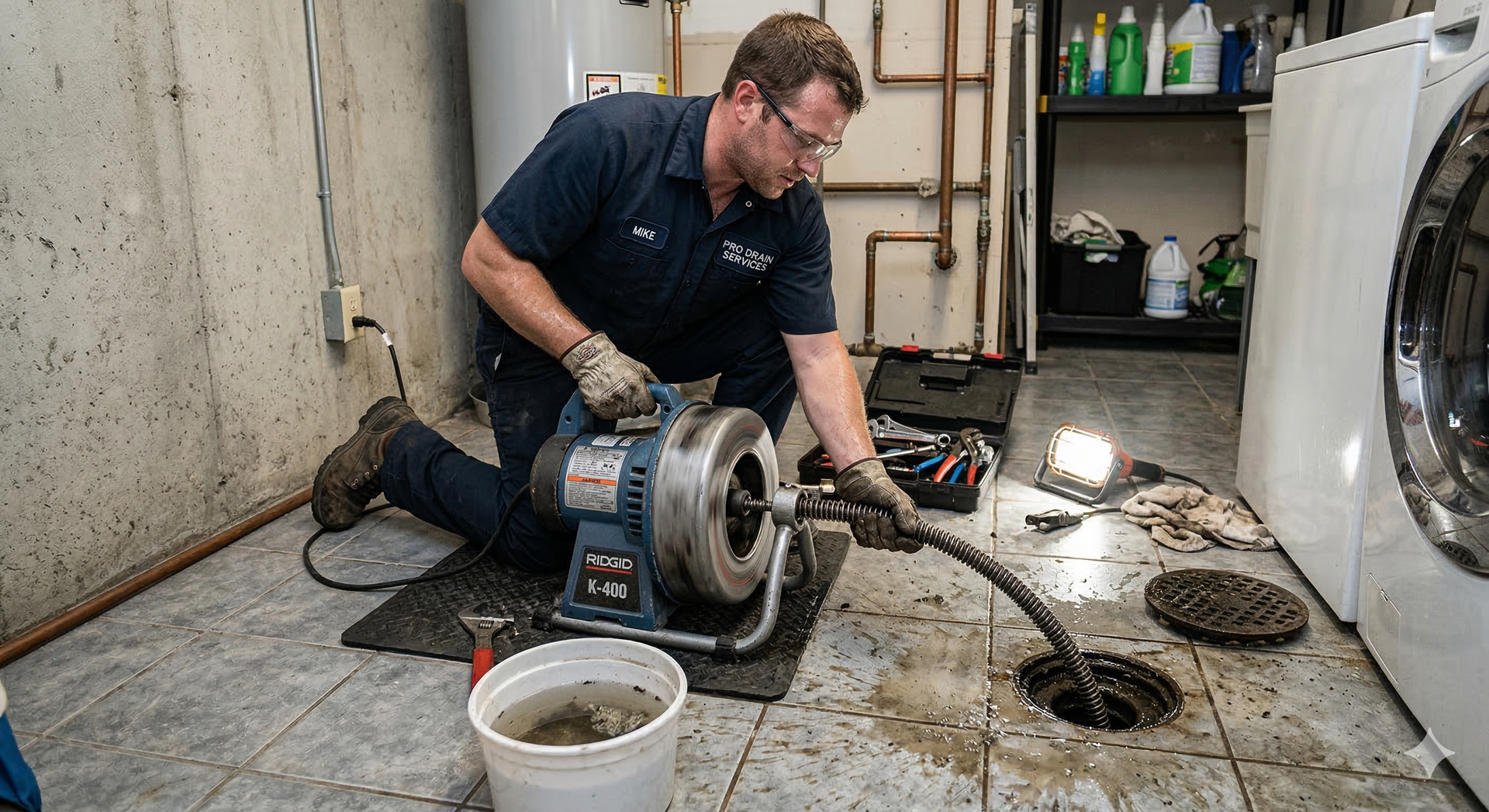
Routine cleaning methods, such as hydro jetting or mechanical root cutting, can remove roots that have started to intrude before they cause full blockages. Establishing a maintenance schedule, especially for older lines or properties with large, established trees, gives you peace of mind and helps extend the life of your sewer system.
Chemical Root Control: Pros and Cons
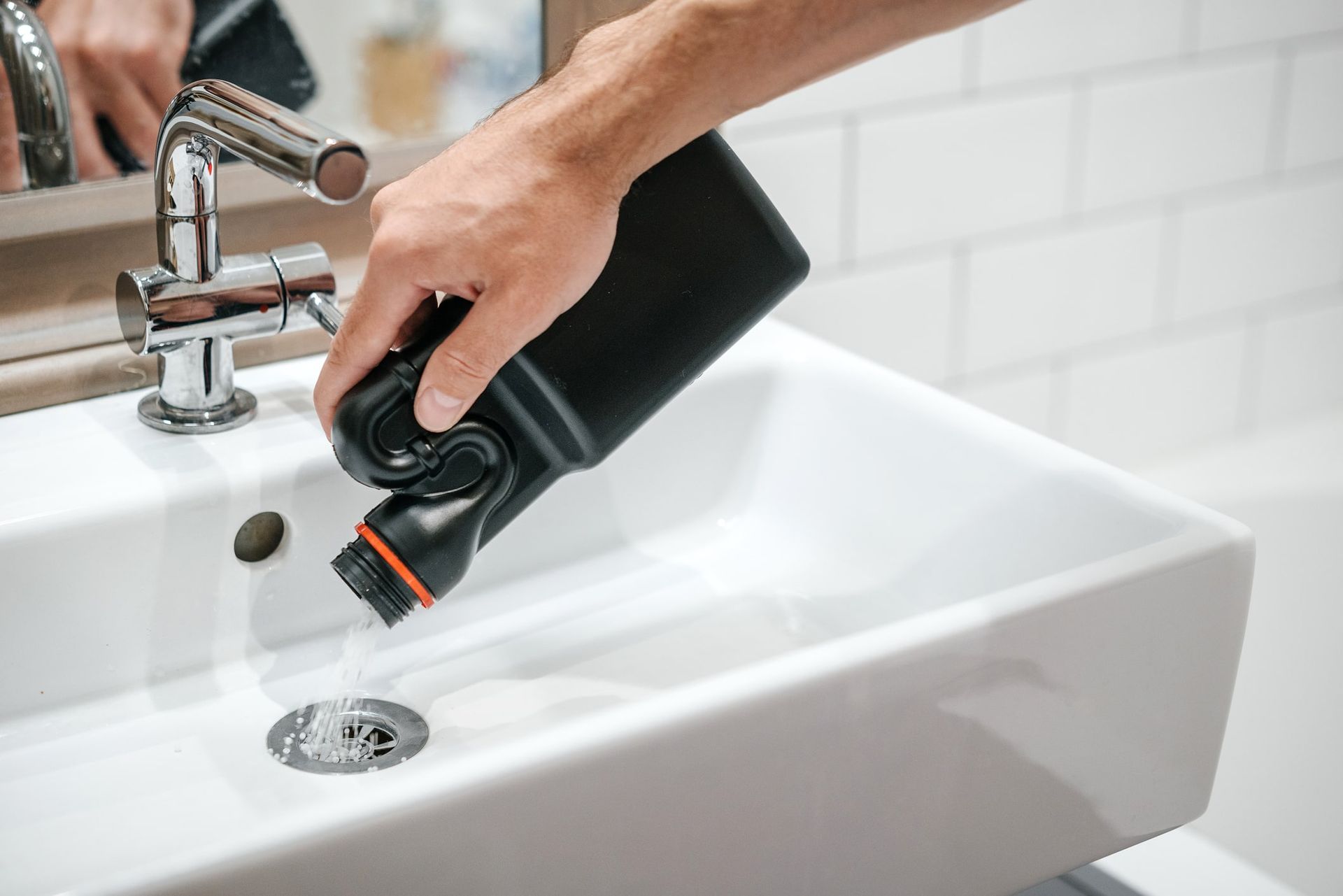
Chemical root control products are another tool for managing roots in sewer lines. These products are often foaming or liquid formulations that contain herbicidal agents that kill roots inside the pipe while aiming to minimize harm to the rest of the tree. They are typically applied via a cleanout or toilet and are designed to coat the inside of the line.
When used correctly, chemical treatments can slow or stop root growth within the pipe and reduce the frequency of mechanical cleanings. However, they are not a permanent solution and must be reapplied periodically. Some products may also have environmental restrictions or usage guidelines that must be followed carefully.
Because improper use of chemical root killers can damage pipes, harm nearby vegetation, or violate local regulations, it is wise to consult with a professional plumber or follow manufacturer instructions precisely. Many homeowners prefer to have these treatments applied by a licensed service provider who understands both the benefits and limitations of chemical root control.
Repair and Rehabilitation Options for Root‑Damaged Lines
If tree roots have already caused significant damage, you may need to move beyond cleaning and apply more permanent repair solutions. Traditional excavation involves digging up the affected section of pipe, cutting out damaged portions, and replacing them with new material. While effective, this method can be disruptive to landscaping, driveways, and other surface features.
Trenchless technologies offer less invasive options. Pipe relining, for example, involves inserting a resin‑coated liner into the existing pipe and curing it in place to form a new, seamless interior pipe. This method can seal cracks, joints, and entry points for roots without extensive digging. Pipe bursting, another trenchless method, pulls a new pipe through the old one while breaking apart the original material, leaving a modern pipe in its place.
Choosing the right repair method depends on the condition of your existing line, local soil conditions, and budget. A professional plumbing company such as All City Plumbers can evaluate your system, explain the available options, and recommend a solution that balances durability, cost, and disruption.
Coordinating Sewer Protection with Other Plumbing Upgrades
Root‑related sewer problems often occur in homes where other plumbing components may also be aging or stressed. When planning major sewer line work, it can be efficient to coordinate related upgrades. For example, if you have older shutoff valves, corroded fittings, or outdated connections inside or near the home, it may be wise to address them at the same time.
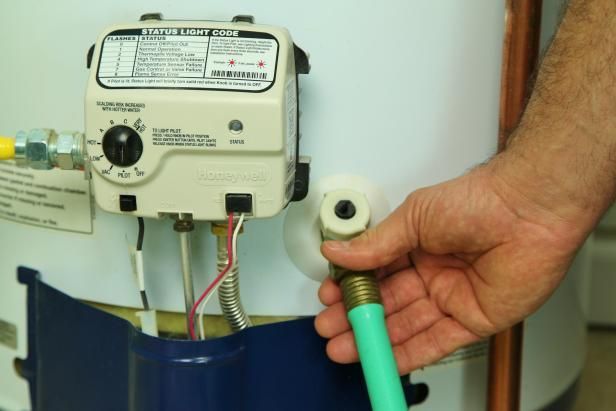
Working with a licensed plumber, you can safely replace worn‑out valves and connectors, update exposed piping, and ensure that your entire system is better prepared to handle everyday use. In some cases, broader plumbing improvements may include modernizing water supply lines, reviewing venting, or adding protective components to manage pressure changes and temperature fluctuations. While expansion tanks are typically associated with water heater systems rather than sewer lines, a holistic evaluation of both supply and drainage systems can improve overall reliability and reduce the risk of plumbing emergencies.
Taking this wider view means that investments in sewer line protection also contribute to the long‑term health of the rest of your plumbing infrastructure, minimizing future disruptions and repair costs.
When to Call a Professional Plumber
Although homeowners can take many preventive steps, tree root problems in sewer lines often require professional tools and expertise. If you experience repeated drain backups, notice sewage odors outdoors, or suspect sewer line damage based on inspection findings, it is time to contact a licensed plumber.
Professionals can perform camera inspections, locate the exact position and depth of root intrusions, and determine whether cleaning, spot repairs, or full replacement makes the most sense. They can also navigate local codes, permits, and utility markings to ensure work is completed safely and legally.
A qualified plumbing company will help you weigh the pros and cons of various repair and prevention options, from mechanical root cutting and chemical treatments to trenchless relining and full pipe replacement. Their experience with similar properties and conditions provides valuable insight into which strategies are most likely to offer long‑lasting protection for your specific situation.
Conclusion
Tree roots and sewer lines can coexist, but only if you take proactive steps to protect your plumbing. By understanding how roots seek out and invade pipes, recognizing early warning signs, and investing in thoughtful landscaping, root barriers, routine inspections, and timely maintenance, you can dramatically reduce the risk of serious sewer line damage.
When problems do arise, modern inspection tools and repair methods give you more options than ever before, from targeted cleaning to trenchless rehabilitation. Partnering with experienced professionals ensures that repairs are done correctly and that preventive measures are tailored to your property. With a combination of informed homeownership and expert support, you can keep your trees healthy, your sewer lines clear, and your home protected from costly and unpleasant root‑related failures.