Why Your Water Heater Smells Like Rotten Eggs and How to Fix It?
A rotten egg smell coming from your water heater is not only unpleasant but also a clear signal that something is wrong with your water supply or the heater itself. Hydrogen sulfide gas, which smells exactly like rotten eggs, is the usual culprit, and it can originate from bacterial activity, chemical reactions in the water, or issues within the heater tank. This odor is more common in gas and electric tank‑style water heaters than in tankless models, but it affects both.
This detailed guide explains why your water heater produces that sulfurous smell, how to identify the source, and step‑by‑step methods to fix it. Understanding the underlying chemistry and maintenance needs will help you restore fresh, odor‑free hot water and prevent the problem from recurring.
Understanding Hydrogen Sulfide and Its Sources
Hydrogen sulfide is a colorless gas produced when sulfate‑reducing bacteria thrive in anaerobic environments like water heater tanks. These bacteria convert sulfates naturally present in many water supplies into hydrogen sulfide through a natural metabolic process. The gas then dissolves in the water and releases as that distinctive rotten egg odor whenever you run hot water from faucets, showers, or appliances.
In some cases, the smell comes from the anode rod inside the tank. This rod is a sacrificial component made of magnesium, aluminum, or zinc that corrodes preferentially to protect the steel tank from rusting. When it reacts with sulfates in the water, it can generate hydrogen sulfide as a byproduct, especially if the rod is aluminum and the water has high sulfate content.
Municipal water supplies or well water with high mineral content can exacerbate the issue. Hard water, high sulfur levels, or stagnant conditions in the tank provide ideal breeding grounds for the bacteria. Recognizing these sources is the first step toward targeted solutions rather than guesswork.
Common Causes in Gas vs. Electric Water Heaters
Gas water heaters are particularly prone to rotten egg smells because the pilot light or burner flame can react with hydrogen sulfide gas to produce small amounts of hydrogen sulfide combustion products. The flame strips sulfur from the gas and releases it into the air, intensifying the odor around the unit and in hot water.
Electric water heaters, lacking an open flame, tend to produce a milder smell that is mostly noticeable in the water itself rather than the surrounding air. However, both types share the bacterial growth issue if water sits unused for long periods, such as during vacations or in low‑usage households.
Sacrificial anode rods play a role in both systems. If the rod has depleted significantly or is the wrong type for your water chemistry, it accelerates hydrogen sulfide production. Regular inspection of the anode rod and water quality testing can reveal whether bacteria, rod reaction, or supply issues are at play.
Early Warning Signs Beyond the Smell
The rotten egg odor is the primary indicator, but other symptoms often accompany it. You may notice discolored water, such as a slight milky tint or rusty particles when running hot taps, suggesting sediment buildup or anode rod breakdown. Reduced hot water volume or inconsistent temperatures can indicate that bacteria or sediment are insulating the heating elements or burner.
In severe cases, the smell may extend to cold water lines if bacteria have colonized the main supply, though this is less common. Gurgling noises from the tank or increased energy bills point to inefficiency caused by sediment or gas buildup. Addressing the problem promptly prevents these secondary issues from worsening into full heater failure.
Testing Your Water Supply Quality
Before tackling the water heater directly, test the water to isolate the source. Run cold water from several faucets and check for the rotten egg smell. If it is absent in cold water but present in hot water only, the issue is likely inside the heater tank. Collect samples in clean glass jars from both hot and cold taps and compare the odors after letting them sit for a few minutes.
For a more thorough assessment, use hydrogen sulfide test strips or send a sample to a certified lab for bacterial and mineral analysis. High sulfate levels above 250 parts per million or detectable sulfate‑reducing bacteria confirm the root cause. These tests, available at hardware stores or through local water utilities, guide whether you need chlorination, anode replacement, or filtration upgrades.
Flushing the Water Heater Tank
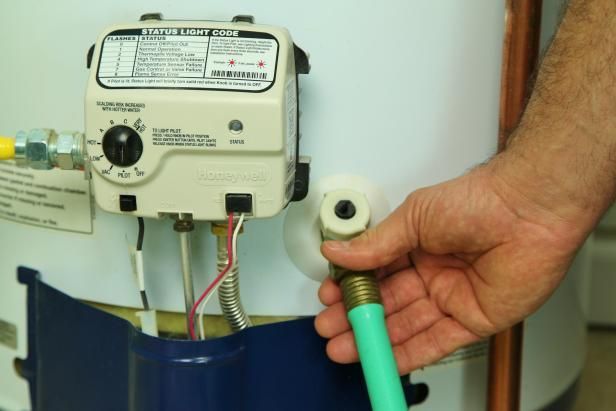
Flushing removes sediment, dead bacteria, and stagnant water that fuel hydrogen sulfide production. Turn off the power or gas supply to the heater and connect a garden hose to the drain valve at the base of the tank. Run the other end to an exterior drain or floor drain, open a hot water faucet upstairs to allow air in, and open the drain valve.
Cold water enters from the top as hot water exits the bottom, flushing out debris. Let it run until the water flows clear, which may take 20 to 60 minutes depending on tank size and sediment level. Repeat if needed, and consider adding a cup of bleach diluted in a gallon of water through the anode rod opening to kill bacteria. Refill, purge air, and relight the pilot if gas.
Regular annual flushing not only addresses odors but also extends heater life by preventing scale buildup on elements or the burner.
Replacing the Sacrificial Anode Rod
The anode rod often requires replacement after three to five years, especially in problem water areas. Shut off power or gas, drain the tank partially, and use a socket wrench to remove the old rod through the top access panel. Inspect the old rod; if it is heavily pitted or gone, it was doing its job but likely contributing to the smell.
Install a new powered anode rod or one made of magnesium if your water is soft, or aluminum/zinc if sulfates are high. Powered rods use a small electrical current to reduce hydrogen sulfide without corroding as aggressively. Torque to manufacturer specs, refill the tank, and monitor for odor improvement over a week. This upgrade can significantly cut bacterial growth and gas production.
Chlorination and Shock Treatment
For persistent bacterial issues, shock chlorinate the tank. With the heater off and drained, mix household bleach at one part per gallon of tank capacity and pour it in through the anode opening or hot water inlet. Let it sit for several hours or overnight, then flush thoroughly until no bleach smell remains.
This kills sulfate‑reducing bacteria and disrupts their colonies. Repeat monthly for maintenance in high‑risk water. Pair with a water softener or whole‑house filter if sulfates or hardness are chronic. Professional services can ensure safe dosing and complete flushing.
Installing Water Treatment Systems
Long‑term solutions often involve filtration. A chlorinating injection system automatically adds small amounts of chlorine to kill bacteria before water enters the tank. Sediment filters trap minerals that feed bacteria, while activated carbon filters remove dissolved hydrogen sulfide gas directly.
Reverse osmosis under the sink or a whole‑house system addresses high sulfates at the source. For well water, UV purifiers provide chemical‑free disinfection. These upgrades, while upfront investments, eliminate odors and protect appliances from scale.
Gas Heater Specific Fixes
In gas models, ensure proper venting to exhaust combustion gases. A dirty burner or pilot assembly can worsen smells; clean annually with a soft brush. If the odor persists post‑flushing, the thermostat may be set too low, allowing water to cool and bacteria to thrive—increase to 120–140°F but watch for scalding risk.
When to Call a Professional Plumber
DIY fixes resolve many cases, but persistent smells or signs of tank leaks warrant professional help. Plumbers can inspect internals, test anode rods, and perform advanced diagnostics. Companies like All City Plumbers specialize in water heaters and can detect and prevent pipe corrosion in older homes by evaluating anode condition, sediment levels, and water chemistry during service calls.
They also handle warranty work, gas line safety, and installations of treatment systems.
Conclusion
A rotten egg smell from your water heater usually stems from hydrogen sulfide produced by bacteria or anode reactions, but targeted maintenance like flushing, anode replacement, chlorination, and water testing can eliminate it effectively. Regular care prevents recurrence and extends equipment life. When issues persist or involve gas systems or corrosion risks, professional intervention ensures safe, lasting results. With proactive steps, you can enjoy odor‑free hot water and a healthier plumbing system.