How to Identify High-Risk Plumbing Zones in Your Home?
Identifying high‑risk plumbing zones in your home is a critical step in preventing costly water damage, mold growth, and emergency repairs. Many serious plumbing issues start quietly, with small leaks or gradual corrosion that go unnoticed until they escalate into major failures. By systematically evaluating the most vulnerable areas—such as bathrooms, kitchens, basements, walls, and utility spaces—you can catch problems early and plan preventive maintenance or repairs before they become disasters. This article outlines how to recognize these high‑risk zones, understand what warning signs to watch for, and connect the dots between everyday wear and potential emergencies, including when to rely on professional companies such as All City Plumbers and their emergency services for urgent intervention.
What makes a zone “high‑risk”?
A high‑risk plumbing zone is any area where water supply lines, fixtures, drains, or appliances are prone to leaks, blockages, or structural strain due to age, material, or design. In older homes, galvanized steel, cast iron, or even lead‑lined piping can deteriorate over time, leading to internal corrosion, reduced flow, and eventual failure. These materials are especially prone to scaling and rust, which shrink the internal diameter of pipes and create stress points that may burst under pressure. In newer or renovated homes, poor joint workmanship, undersized lines, or incompatible materials at the point of connection can also create localized weak spots that function as hidden danger zones.
Another factor that raises risk is location. Pipes running through unheated spaces, exterior walls, or areas with frequent temperature swings are more likely to experience expansion and contraction, increasing the chance of cracks or joint separation. Utility rooms, mechanical closets, and spaces around water heaters concentrate multiple water‑bearing components—supply lines, discharge pipes, and drain lines—so a single failure here can flood multiple circuits at once. Recognizing which zones are inherently high‑risk allows you to apply closer inspection and more frequent preventive checks.
Bathrooms: Pressure points and hidden leaks
Bathrooms are among the most obvious high‑risk plumbing zones because they contain multiple fixtures—faucets, showerheads, valves, and drains—that cycle between hot and cold water many times a day. Each temperature change stresses seals, gaskets, and joints, and over time small drips can erode caulk lines, underlayment, and even structural framing. One common red flag is water pooling around the base of a toilet, which may indicate a failed wax seal or a cracked floor flange. Similarly, persistent moisture behind mirrors or vanities can point to a slow leak in supply lines or compression fittings that are hidden from everyday view.
Shower and tub surrounds are equally important to inspect. Water stains on ceilings below the bathroom, warped ceiling tiles, or soft spots in the floor are strong indicators that a leak has been migrating downward. In older homes, these areas may also harbor corroded copper or galvanized lines, which can fail suddenly if corrosion has thinned the pipe walls. Running a hands‑on inspection of visible pipes under sinks and behind accessible panels, looking for mineral buildup, discoloration, or dampness, helps reveal early‑stage damage before it escalates. If you notice any signs of persistent moisture or shifting, it is advisable to bring in a professional plumbing service that offers emergency services to trace and isolate the source.
Kitchens and utility spaces
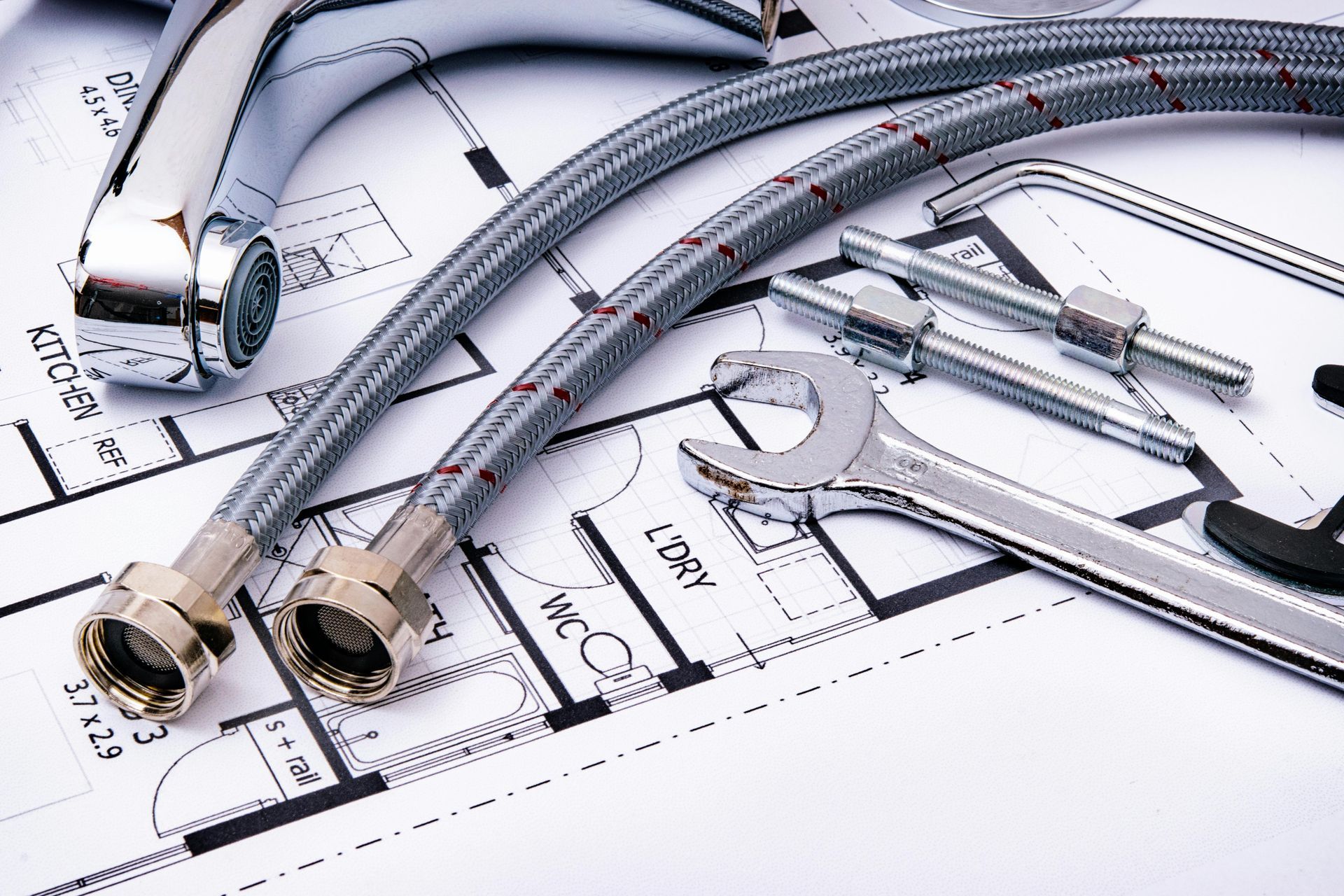
Kitchens and adjacent utility spaces host some of the busiest plumbing junctions in the house, including sinks, garbage disposals, dishwashers, and in some cases built‑in ice makers or instant‑hot units. Supply lines under the sink are often made of flexible braided hoses that can crack or bulge over time, especially if they are exposed to heat from nearby appliances or cramped against hot water lines. When these hoses fail, they can unleash a significant volume of water in a very short time, often flooding cabinetry and flooring before the leak is noticed.
Another risk area is the dishwasher connection. Over time, the clamp or hose can loosen, and the spray arm or door seal can allow water to seep out during the cycle. Small leaks under the dishwasher may soak subflooring or adjacent cabinets, promoting mold and rot. In laundry rooms or utility closets, washing machine hoses are notorious pressure points; burst hoses generate a large volume of water very quickly and can trigger true emergencies. Regular inspection of these hoses for bulges, brittleness, or signs of corrosion, along with periodic replacement according to manufacturer guidelines, can dramatically reduce the likelihood of a catastrophic failure. When a machine‑related leak does occur, services that provide 24‑hour emergency services can help minimize water damage and restore safe operation.
Basements, crawl spaces, and utility rooms
Basements, crawl spaces, and utility rooms are often the highest‑risk plumbing zones because they combine hidden pipes with poor visibility and limited ventilation. In many homes, main water lines, branch feeds, and sewer laterals run through these spaces, yet they are rarely inspected unless a problem forces attention. Exposed supply lines under the house or in the basement can develop pinhole leaks from internal corrosion or external moisture, especially if the pipes are older galvanized or copper with heavy mineral scaling. Over time, these small leaks can saturate insulation, rot wood joists, and create conditions ideal for mold growth.
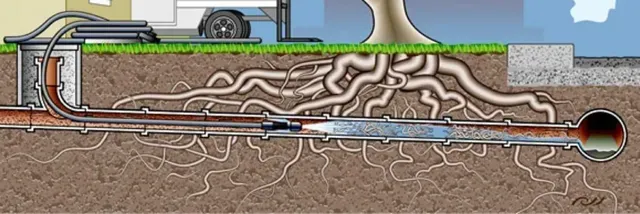
Another serious concern in these areas is the condition of sewer lines and vent stacks. Roots growing into cracked or bellied pipes, shifting soil, or settlement can cause slow drains, gurgling noises, or even full backups. In some cases, a failed sewer line under a slab can flood the entire basement from below, creating a cleanup and structural‑repair nightmare. Regular visual and auditory checks—listening for unusual gurgling, inspecting for dampness along walls and joists, and using a flashlight to examine exposed pipes—helps catch degradation before it becomes critical. Where access is limited or suspected damage exists, professional leak‑detection and diagnostic services such as those offered by All City Plumbers can pinpoint problems and recommend targeted repairs or replacement.
Walls, ceilings, and hidden piping
Some of the most dangerous plumbing issues occur behind finished surfaces, where water can travel for days or even weeks before showing visible signs. Walls shared between bathrooms, kitchens, and laundry rooms often contain vertical stacks, supply risers, and drain lines that are vulnerable to joint failure, particularly in older homes with cast iron or galvanized vertical pipes. When these joints begin to weep, water can soak into wall cavities, compromising insulation, electrical wiring, and drywall. Common clues include recurring water stains on ceilings, discoloration along baseboards, or “blistering” paint that appears to have expanded from the inside.
Floors and subfloors can also hide high‑risk plumbing zones, especially where underfloor heating or slab‑poured systems are present. In slab‑on‑grade homes, water heater lines, drain traps, and supply risers may run through concrete, and leaks here are notoriously difficult to detect without pressure testing or camera inspection. Signs of slab leaks include sudden spikes in water bills without a change in usage, warm spots on floors, or cracking in tile caused by repeated wetting and drying. Because these issues often require excavation or specialized diagnostic tools, it is wise to contact a plumbing company that offers emergency services and experience with slab‑line repairs when symptoms appear.
Appliances and fixtures as plumbing triggers
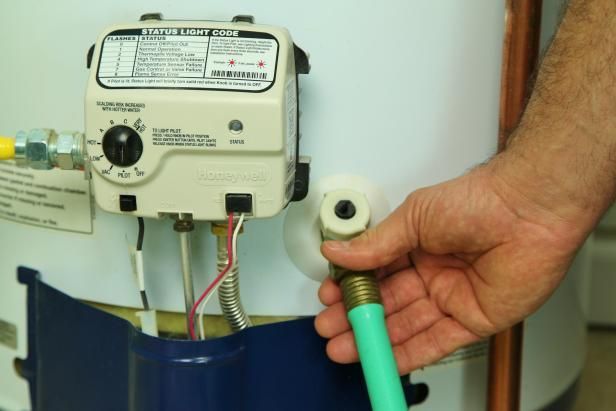
Household appliances that connect to water supply or drainage systems—water heaters, washing machines, dishwashers, and even refrigerators with built‑in ice—can turn into high‑risk plumbing zones if not maintained properly. Water heaters, in particular, are a focal point because they combine high temperatures, pressure, and constant water contact. Over time, internal corrosion can weaken the tank, and the pressure relief valve can fail, leading to dangerous overpressurization or catastrophic rupture if the system is not monitored. Paying attention to the age of the unit, the presence of rust or sediment in the tank, and the condition of the discharge pipe is crucial for preventing a worst‑case scenario.
One important maintenance task that falls under appliance care is water heater anode rod replacement. The anode rod is a sacrificial metal component that attracts corrosion instead of the tank lining, effectively extending the life of the heater. When this rod is depleted, the tank itself becomes vulnerable to rust and leaks from the inside out. Inspecting and replacing the anode rod every few years, depending on water quality and usage, can help avoid untimely failures that might otherwise require a full heater replacement or emergency service call. For homeowners who are unsure how or when to replace the anode rod, consulting a licensed plumber or a company that offers water heater maintenance packages can provide both peace of mind and long‑term savings.
How to conduct a systematic home plumbing inspection
To identify high‑risk plumbing zones effectively, it helps to approach the home in a structured way rather than waiting for problems to manifest. Start by reviewing the house’s age and the type of plumbing materials used, as older homes are more likely to have galvanized steel, cast iron, or dated connections that are nearing or past their service life. Then walk through each room and utility space, noting the location of main shut‑off valves, supply lines, and visible pipes. Use a flashlight and a moisture meter if available to check for unexpected dampness behind walls, under cabinets, and around appliance bases.
During the inspection, pay special attention to joints, unions, and flexible connectors, which are common failure points. Look for mineral buildup, rust, or discoloration on pipe surfaces, and listen for hissing sounds, dripping noises, or unusual gurgling when water is running. If you notice any sign of a potential leak, shut off the affected line or the main water supply and contact a professional plumbing service. Many companies that advertise emergency services can perform pressure tests, camera inspections, and leak‑detection work that goes far beyond what a homeowner can see with the naked eye. For larger or older homes, scheduling periodic inspections by a reputable provider such as All City Plumbers can help you maintain a proactive, rather than reactive, approach to plumbing health.
When to call for professional and emergency help
Knowing when to escalate a plumbing concern to professional or emergency services is just as important as identifying high‑risk zones. If you observe standing water that will not drain, a sudden loss of water pressure throughout the house, or sewage backing up into drains or fixtures, these are clear indicators of a serious system failure that requires immediate intervention. Major water heater leaks, burst pipes, or slab‑line ruptures can cause extensive damage in a matter of hours, so prompt action is essential to limit structural and financial consequences.
Even in the absence of a full emergency, persistent minor issues—such as recurring clogs, slow drains, or unexplained increases in water bills—can signal underlying problems in hidden plumbing zones. In these cases, professional diagnostics and planned repairs are often more cost‑effective than waiting for a catastrophic failure. Companies that offer comprehensive plumbing services, including preventive maintenance, anode rod replacement, and 24‑hour emergency services, can help homeowners stay ahead of risk and protect their investment. By treating plumbing as an ongoing maintenance system rather than a series of isolated repairs, you can reduce the number of surprises and extend the life of your home’s infrastructure.
Conclusion
In conclusion, identifying high‑risk plumbing zones in your home involves a blend of awareness, systematic inspection, and timely professional intervention. By understanding the vulnerabilities associated with age, materials, and location, you can prioritize the areas most likely to develop problems and take proactive steps such as regular pipe checks, appliance maintenance, and water heater anode rod replacement. When signs of trouble appear, especially in basements, behind walls, or around major appliances, it is important to rely on experienced plumbing contractors who provide reliable emergency services and diagnostic capabilities. Through careful attention and planned maintenance, homeowners can significantly reduce the likelihood of sudden plumbing failures and maintain a safer, more resilient living environment.