Winter Plumbing Protection: Prevent Frozen Pipes
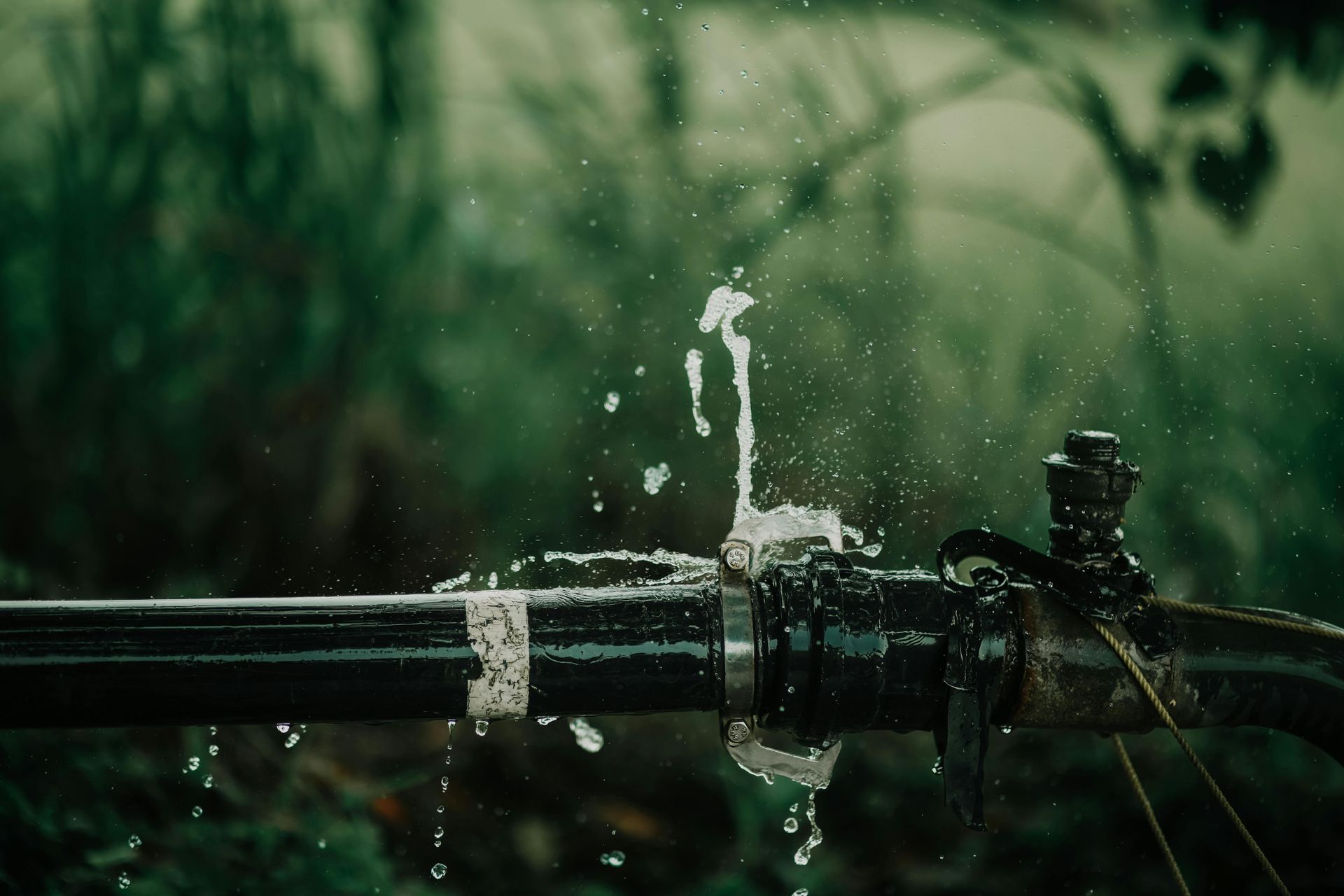
Winter's relentless chill poses one of the most formidable threats to residential plumbing systems, capable of transforming exposed pipes into brittle liabilities that burst under ice expansion, unleashing floods that devastate homes in mere hours. Homeowners returning from vacations often confront this nightmare, where sub-freezing temperatures exploit unattended properties, leading to repair bills averaging $5,000 or more per incident according to insurance industry data. Proactive winterization not only thwarts these catastrophes but also preserves system integrity through the coldest months, ensuring reliable performance upon your return. This authoritative guide details essential strategies tailored for seasonal protection, empowering you with proven techniques to safeguard pipes, fixtures, and appliances against freeze-thaw cycles, drawing from extensive field experience in residential plumbing maintenance.
Identifying Vulnerable Pipes and Areas
Understanding your home's plumbing vulnerabilities begins with mapping exposed sections most susceptible to freezing, as water within pipes expands by nine percent when it turns to ice, exerting pressures up to 9,000 PSI that exceed copper's tensile strength. Crawlspaces, attics, and exterior walls harbor the primary risks, where uninsulated lines snake through unheated voids; garages with attached doors often conceal pipes along concrete slabs, chilled by radiant heat loss. Multi-story homes amplify dangers in upper levels, where heat rises and leaves downward runs frigid.
Conduct a thorough audit by tracing supply lines from the main entry point, noting any passing through cabinets beneath sinks open to exterior walls or near drafty windows. Slab homes face underfloor threats, detectable via warm spots during operation indicating proximity. Northern exposures and north-facing roofs shed less solar warmth, prioritizing those zones. Documenting these hotspots with sketches facilitates targeted defenses, transforming vague concerns into precise action plans that avert widespread disruptions.
Regional climates refine priorities: in moderate zones dipping to 20 degrees Fahrenheit, intermittent protection suffices, while arctic fronts demand comprehensive measures. This foundational assessment equips homeowners to allocate resources effectively, preventing overlooked segments from becoming failure points.
Insulating Pipes and Preventing Freezes
Effective insulation forms the frontline defense, encasing vulnerable pipes in thermal barriers that maintain fluid temperatures above 32 degrees Fahrenheit even during prolonged cold snaps. Foam sleeves rated R-5 or higher slide over straight runs, secured with foil tape to exclude air pockets, while fiberglass wraps suit irregular bends around joists; apply generously at elbows, the weakest expansion points. Heat tape, self-regulating models drawing 5 watts per foot, wraps electrically along lengths plugged into GFCI outlets with thermostats activating below 40 degrees, proven to raise pipe cores by 15 degrees in wind-chill tests.
Attic and crawlspace strategies elevate protection: rigid foam boards shield joist penetrations, and vent closures during deep freezes balance air exchange without trapping humidity that fosters condensation corrosion. Cabinet doors beneath windows stay ajar with incandescent bulbs providing radiant warmth, raising ambient temperatures five degrees without fire risks from LEDs. Closed-cell spray foam fills wall voids permanently, offering R-6 per inch for penetrations.
Layered approaches yield redundancy: aerogel socks for ultra-cold zones combine with cabinet padding. Regular checks ensure integrity, as settled insulation loses efficacy over seasons. These investments, costing under $200 typically, deliver exponential returns by forestalling bursts.
Shutting Down and Draining Systems
Strategic shutdowns eliminate water volume at risk, rendering freezes irrelevant by evacuating lines entirely before extended absences. Locate and close the main shutoff valve, then systematically open all faucets from highest to lowest elevations, allowing gravity to purge residuals—kitchens first, followed by bathrooms and laundry. Toilets require tank draining via flapper lifts and bowl flushing until empty, while outdoor spigots demand hose removal and bleeder valve openings if equipped.
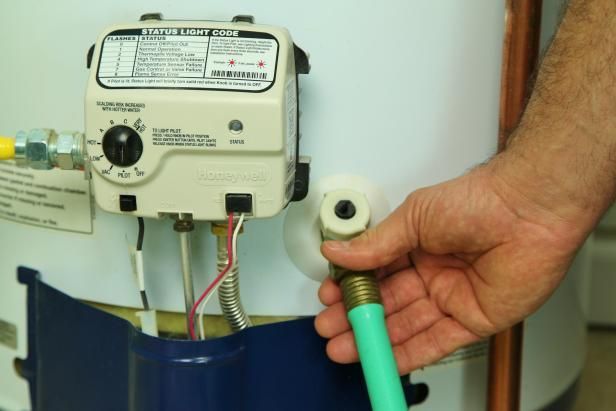
Water heaters warrant special handling: for electric models, breakers trip at the panel after temperature dialing to 110 degrees; gas units see cold water inlets closed and pressure relief levers lifted to vent pressure. Expansion tanks, often overlooked, release via petcocks to prevent air-bound failures upon reactivation. Softener bypasses isolate brine tanks, avoiding stagnation.
In vacation scenarios, full draining proves foolproof—compressed air blowouts at 30 PSI propel residuals from low points, mimicking professional winterizations. Post-return, gradual repressurization flushes airlocks, restoring flow smoothly. This ritual minimizes variables, ensuring dormant systems weather winters unscathed.
Maintaining Appliances and Fixtures
Appliances and fixtures demand winter-specific care to avert freeze-induced component failures that cascade into leaks. Water heaters, central to hot water delivery, benefit from sediment flushing via hose connections to the drain valve, removing insulating buildup that hampers efficiency and stresses tanks during cold starts. Insulating blankets rated R-11 encase exteriors, retaining heat while permitting ventilation; inspect anode rods for depletion, replacing sacrificial magnesium every three years to curb corrosion accelerated by thermal stress.
Washing machines in unheated spaces require inlet valve shutoffs and drain hose elevations above pump levels, preventing siphoning. Dishwasher maintenance during winter prep involves filter cleans and gasket lubes with food-grade silicone, ensuring seals withstand contraction without cracking. Ice makers shut down by line isolation and tray emptying avert internal freezes.
Garage fixtures like utility sinks gain plywood covers and drip modes if operational. Smart thermostats maintaining 55 degrees provide passive guardianship. These protocols extend appliance lifespans, integrating seamlessly with broader system safeguards.
Professional Inspections and Emergency Preparedness
Professional winterization elevates DIY efforts through diagnostic depth unattainable at home, with licensed technicians deploying borescopes for internal ice checks and manometers gauging pressure anomalies signaling weak points. Comprehensive audits include infrared scans revealing cold bridges and hydrostatic tests verifying joint integrity under simulated freezes. All City Plumbers specializes in these services, offering tailored packages that include insulation audits and heat trace certifications for code compliance.
Emergency preparedness complements inspections: auto-shutoff valves linked to sensors activate on flow surges, and neighbor alerts facilitate rapid response. Insurance riders for freeze protection incentivize documentation of preparations. Seasonal contracts lock in priority scheduling, blending prevention with rapid recovery.
Long-Term Strategies and Water Conservation
Winter protection evolves into year-round resilience through enduring upgrades like PEX tubing, flexible and freeze-resistant up to five expansion cycles without rupture, retrofittable via push-fit connectors. Insulated manifolds centralize distribution, minimizing exposed footage. Conserve water and reduce utility bills with low-flow toilets during milder months, their dual-flush mechanisms halving usage without performance tradeoffs.
Smart leak monitors integrate with home automation, dispatching alerts globally. Annual flushes clear stagnation, while softeners precondition against scale exacerbating cold brittleness. These forward-thinking measures compound savings, positioning homes as winter fortresses.
Conclusion
Winter plumbing protection hinges on pinpointing vulnerabilities, rigorous insulation, meticulous shutdowns, appliance vigilance, professional validations, and sustainable strategies, collectively erecting formidable barriers against frozen pipes and ensuing repairs. By committing to these comprehensive steps before vacations or cold fronts, homeowners avert devastation while fostering enduring system health. Professional partnerships amplify every safeguard, ensuring your plumbing endures seasonal rigors with unwavering reliability and returning you to a secure, functional home every time.