Press Fitting Systems: The Future of Leak-Free Plumbing Connections
Press fitting systems are revolutionizing the plumbing industry by providing a modern, reliable, and efficient method for joining pipes and tubing without the traditional use of welding, soldering, or threading. This innovative technology is rapidly becoming the preferred choice among professionals and homeowners alike, thanks to its speed, safety, and long-lasting performance. Licensed plumbers stand out from the rest by mastering this cutting-edge approach, offering their clients superior plumbing solutions that significantly reduce the risk of leaks and downtime. Companies like All City Plumbers leverage press fitting technology on various projects, from routine repairs to complex sewer line replacement, underscoring the system's adaptability and future-forward promise.
Understanding Press Fitting Systems: What They Are and How They Work
At its core, a press fitting system uses precision-engineered fittings combined with a hydraulic press tool to join two pipe ends mechanically. Rather than relying on heat, adhesives, or threading to create a seal, the press fitting process involves slipping a fitting over the pipe joint, then employing a specialized press tool to compress the fitting evenly around the pipes. This compression creates a secure, permanent, and leak-proof connection within seconds.
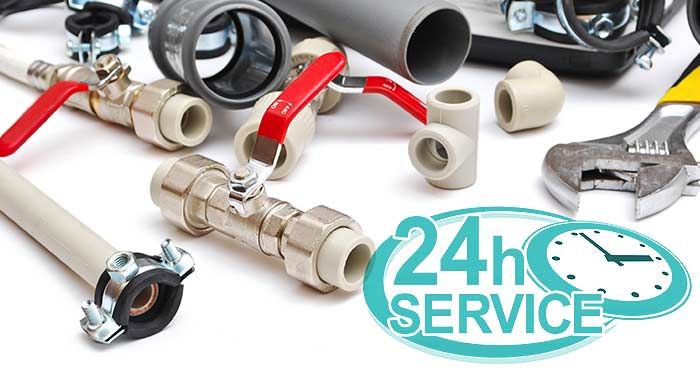
Press fit technology is compatible with multiple pipe materials, such as copper, stainless steel, and PEX (cross-linked polyethylene), offering broad applicability in residential, commercial, and industrial plumbing. The fittings incorporate sealing elements—typically O-rings made from durable elastomers—that ensure watertightness and maintain performance even under extreme pressure and temperature variations.
The elimination of open flames, solder, or chemicals not only simplifies installation but also enhances safety and environmental compatibility, critical factors for modern plumbing standards.
Key Advantages Driving the Adoption of Press Fitting Systems
Time Savings and Labor Efficiency
Traditional pipe connections involving soldering or threading can be time-consuming and require substantial preparation. Press fitting systems dramatically reduce installation time by eliminating steps like heating, cooling, and cleanup. A licensed plumber using a press fitting tool can complete secure connections in mere seconds, accelerating project timelines and reducing labor costs.
This efficiency is particularly valuable in large-scale plumbing tasks or emergency repairs, where minimizing service disruption is pivotal. Firms such as All City Plumbers have successfully integrated press fitting technology into their workflow, enabling them to meet tight deadlines without compromising quality.
Enhanced Safety and Cleaner Work Environments
The press fitting process is inherently safer—there is no need for open flames, flux, or solder, which are traditionally associated with fire hazards, toxic fumes, and burns. This flame-free method reduces risks on job sites, especially in sensitive environments like hospitals, schools, or occupied residential buildings.
Moreover, the absence of solder or flux eliminates mess, sticky residues, and the need for extensive post-installation cleaning, creating a more professional and hygienic workspace for plumbers and clients.
Outstanding Reliability and Leak Prevention
Leak prevention is a paramount concern in plumbing, where a faulty seal can result in costly damages, water wastage, and system failures. Press fitting systems create extremely robust joints that withstand high pressures and fluctuating temperatures, maintaining consistent sealing integrity over time.
The fittings are designed to self-align and seal effectively with minimal human error, supported by press tools with automatic cycle features that prevent incomplete crimps. When performed by licensed plumbers, the quality and reliability of press fitting installations rival and often surpass traditional methods.
Versatility Across Applications and Materials
Press fittings adapt to a wide range of plumbing scenarios—from potable water lines and heating systems to gas distribution and chemical conveyance. The ability to work with diverse pipe materials allows licensed plumbers to design solutions tailored to each project's unique demands, including complex jobs like sewer line replacement.
Whether in residential renovations or large commercial constructions, press fitting systems provide consistent, leak-free connections suitable for various environments, including wet conditions where traditional soldering is impractical.
Cost Savings Over the Long Term
While the initial investment in press fitting tools and fittings is higher than traditional consumables, the net savings are substantial. Reduced labor time, lower material waste, decreased callbacks for leaks, and minimized downtime translate into financial benefits for both plumbing contractors and clients.
Companies like All City Plumbers demonstrate that adopting press fitting systems helps keep projects within budget without sacrificing durability, thus enhancing overall customer satisfaction and business reputation.
The Role of Licensed Plumbers in Leveraging Press Fitting Technology
Licensed plumbers stand out from the rest through their specialized training and experience, especially in emerging technologies like press fittings. Proper installation requires understanding pipe preparation, fitting compatibility, pressing techniques, and compliance with plumbing codes. Only trained professionals can ensure connections meet safety and performance standards.
In major plumbing ventures, such as sewer line replacement, the durability and efficiency of press fitting systems prove invaluable. Skilled plumbers evaluate each project’s requirements and select the optimal materials and connection methods to ensure leak-free and code-compliant results.
All City Plumbers’ success in integrating press fittings exemplifies how expertise and technology combine to deliver reliable, future-ready plumbing infrastructure.
Challenges and Considerations in Press Fitting Adoption
While press fitting systems have transformed plumbing, some considerations remain. The initial cost of press tools may be a barrier for smaller contractors or DIY users. Additionally, fitting compatibility and proper pipe preparation are critical to avoid failures, highlighting the need for licensing and proper training.
Certain older or unconventional pipe materials may not be compatible with press fittings, necessitating alternative methods.
Nevertheless, these factors are manageable within professional environments where licensed plumbers have access to appropriate resources, tools, and ongoing education.
Conclusion
Press fitting systems represent a significant advancement in plumbing technology, offering unparalleled advantages in speed, safety, reliability, and versatility. Licensed plumbers stand out from the rest by adopting this technology confidently, providing clients with superior plumbing connections that reduce leaks and long-term maintenance challenges.
Services like those provided by All City Plumbers showcase the effectiveness of press fittings across a spectrum of projects—from simple residential repairs to complex sewer line replacement—making the technology a cornerstone of modern plumbing practices.
By embracing press fitting systems, the plumbing industry moves towards a future where leak-free, efficient, and safe plumbing connections become the standard rather than the exception.