Why Your Sink Gurgles After You Flush the Toilet?
Have you ever flushed your toilet only to hear an unsettling gurgling sound emanating from the kitchen sink or bathroom vanity moments later? This phenomenon, while alarming, is a common plumbing issue that signals an underlying problem in your home's drainage system. Understanding the root causes can help you address it promptly, preventing more serious backups or damage. In this comprehensive guide, we'll explore the mechanics behind sink gurgling, potential culprits, diagnostic steps, and professional solutions to restore smooth operation.
Understanding the Gurgle Phenomenon
When you flush a toilet, a large volume of water rushes through the drain pipes, creating pressure changes throughout your plumbing network. Normally, this flow is seamless, directed away by gravity and proper venting. However, if the system is compromised, the sudden influx of water can force air pockets back up through connected drains, like your sink, producing that distinctive gurgling noise. This isn't just an annoyance; it's your home's way of warning you about restricted flow or air entrapment.
The gurgle often occurs because sinks and toilets share drain lines in many residential setups, especially in older homes or multi-fixture bathrooms. As toilet water surges forward, it displaces air that's unable to escape properly, bubbling up through the sink's P-trap—the U-shaped pipe under the sink that holds water to block sewer gases. If the trap is partially clogged or the downstream pipes are obstructed, this air reversal creates the sound, sometimes accompanied by water level fluctuations in the sink. Homeowners frequently report this happening more noticeably after heavy usage, like morning routines when multiple fixtures are in play.
Expanding on this, the interconnected nature of your drain system means one fixture's activity affects others. In a standard home, waste lines converge into a main sewer line, with branch lines serving individual drains. Gurgling indicates inefficiency here, where positive pressure from the flush pushes against negative pressure elsewhere, leading to audible turbulence. Ignoring it risks escalating to full backups, where wastewater overflows into fixtures, creating health hazards and costly repairs.
Common Causes of Sink Gurgling
Several factors can trigger this issue, ranging from simple clogs to systemic plumbing flaws. One primary culprit is partial blockages in shared drain lines, where soap scum, hair, and organic buildup narrow the passage. When the toilet flush adds its forceful push, the restricted pipe can't handle the volume, forcing air and minor water splashes back through the sink. This is especially prevalent in bathroom sinks near toilets, as daily grooming contributes to trap and branch line debris.
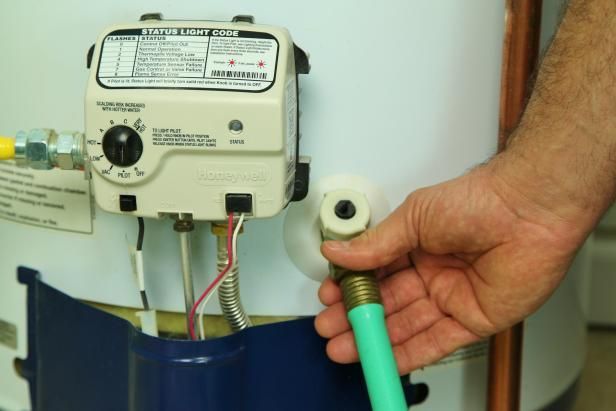
Another frequent cause involves venting problems. Every plumbing system relies on vent pipes, often routed through the roof, to equalize air pressure and allow sewer gases to escape. A blocked vent—due to leaves, bird nests, or even ice in colder climates—creates a vacuum effect. Flushing the toilet then pulls air from nearby drains, gurgling as it seeks equilibrium. Expansion tanks, typically associated with water pressure regulation in heating systems, can indirectly relate here if improperly installed or malfunctioning, as they influence overall system pressure that affects drain dynamics during high-flow events.
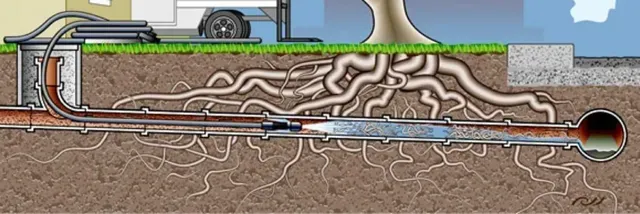
Deeper issues like sewer line bellies—sags in the pipe that trap water and debris—or tree root intrusions can also manifest as gurgling. These create standing water zones that resist flow, amplifying pressure waves from flushes. In homes with garbage disposals or frequent cooking, grease accumulation in main lines exacerbates this, turning minor gurgles into precursors of major stoppages. Seasonal factors, such as heavy rain overwhelming municipal sewers, can backfeed into private lines, mimicking internal clogs.
Diagnosing the Problem Step-by-Step
To pinpoint the issue, start with observation. Flush the toilet multiple times and note which sinks gurgle—kitchen, bathroom, or both—as this indicates shared versus isolated lines. Check the sink's water level; if it rises briefly or bubbles appear, suspect a downstream blockage. Next, run water from the sink and observe the toilet bowl; a rising or falling water level suggests vent or main line issues.
Plunge the sink gently to test for minor clogs, but avoid aggressive plunging, which can worsen blockages by compacting debris. Inspect the sink trap by placing a bucket underneath, unscrewing the curved section, and clearing visible buildup. If clean, move to the toilet; pour a bucket of water to simulate a flush and listen for gurgling elsewhere. For vent checks, safely access your roof (or hire help) to ensure the vent stack is clear, using a flashlight and plumbing snake if needed.
When can you consider a slow drain a plumbing emergency call? If gurgling persists alongside sluggish draining—water taking over 30 seconds to recede in the sink or tub—it's time for professional intervention, as DIY methods often fail against root-bound or bellied lines. Tools like drain cameras reveal hidden issues without invasive digging, providing a clear diagnosis.
Preventive Maintenance Strategies
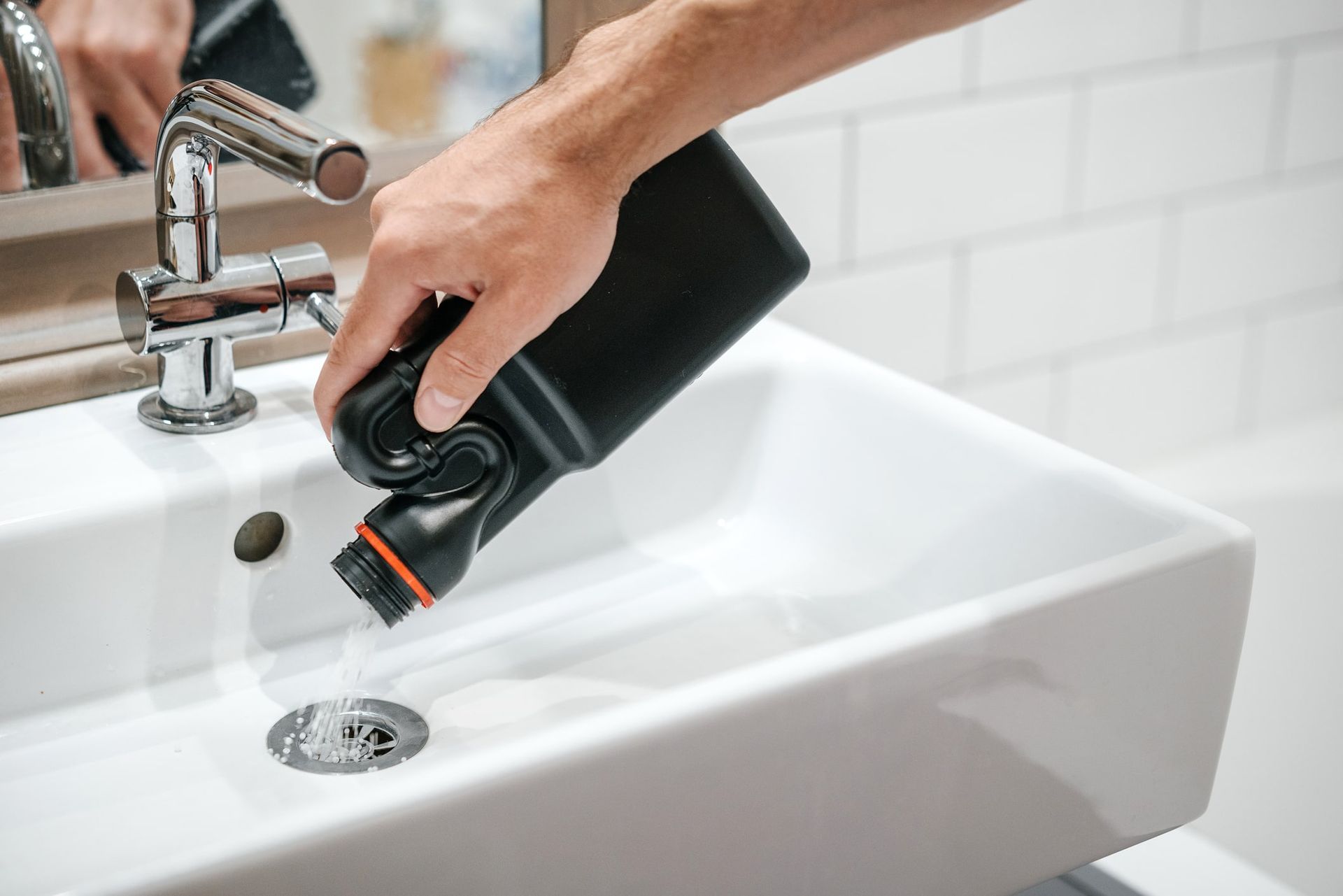
Regular upkeep keeps gurgles at bay. Begin with monthly hot water flushes down drains to dissolve grease and soap, followed by enzyme-based cleaners that break down organics without harsh chemicals. Install drain screens to catch hair and debris, and avoid pouring fats or fibrous foods down sinks. For toilets, use them only for waste and toilet paper to minimize line strain.
Annual inspections by trusted providers like All City Plumbers ensure vents and lines stay optimal. Schedule hydro-jetting every 1-2 years for high-usage homes, which blasts away buildup more effectively than snaking. Monitor water pressure, as extremes can stress joints; consider expansion tanks if your boiler or well system fluctuates wildly, stabilizing flow that indirectly aids drains.
Educate household members on usage: stagger fixture use during peak times and address slow drains immediately. In slab homes prone to root issues, quarterly root treatments with foaming agents prevent invasions. These habits extend pipe life, reducing emergency calls.
When to Call Professional Help
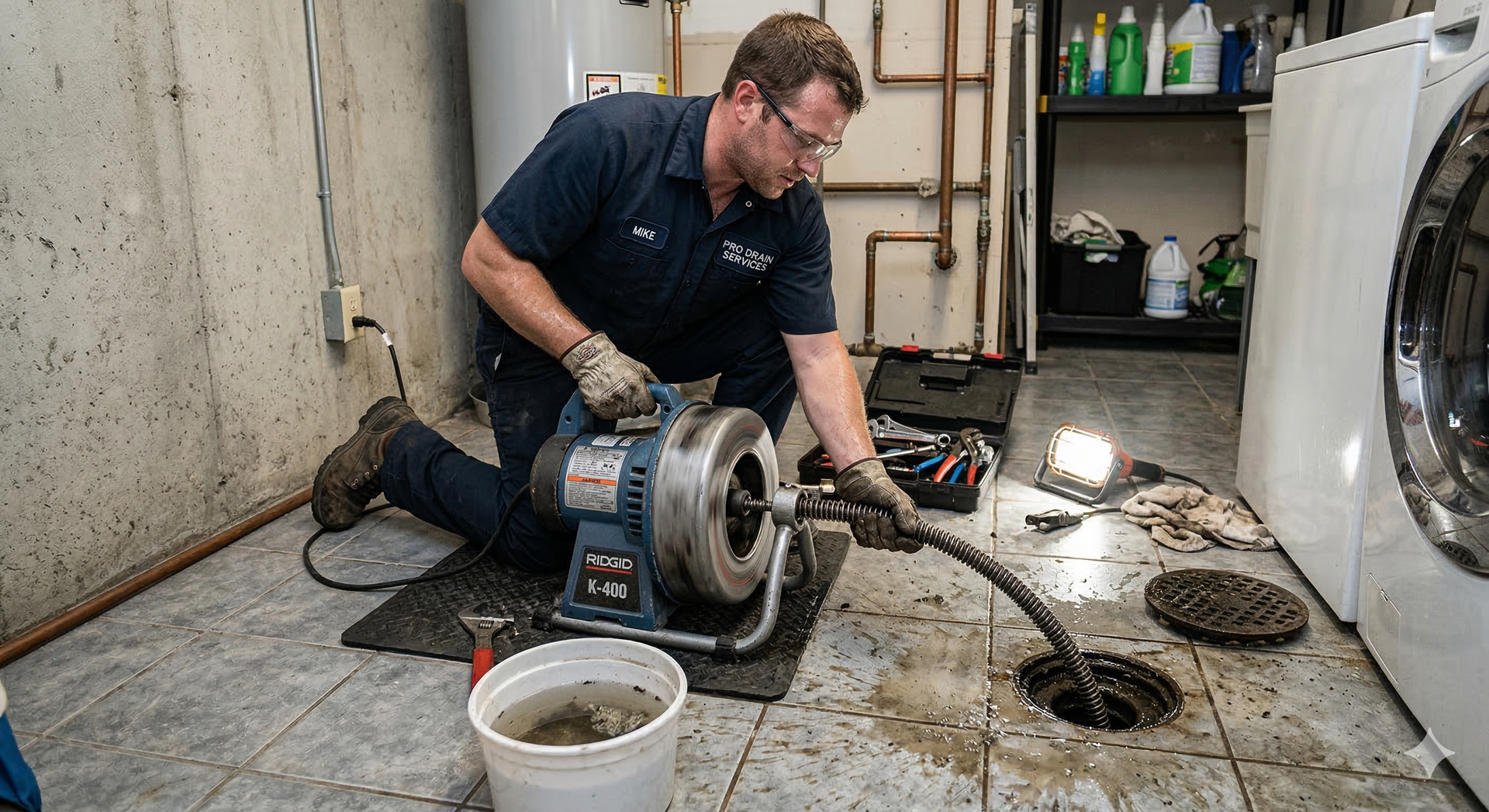
DIY works for surface clogs, but persistent gurgling demands experts. Signs include multiple fixtures affected, foul odors signaling sewer gas leaks, or backups in floor drains. Professionals use snakes, cameras, and locators to trace issues precisely, avoiding guesswork that damages pipes.
Contact All City Plumbers for rapid response; their teams handle everything from vent clears to sewer replacements with minimal disruption. Costs vary—$150-300 for scoping, up to $5,000 for relines—but early action saves thousands. Pros also advise on code compliance, ensuring fixes last.
Conclusion
In summary, sink gurgling after a toilet flush stems from clogs, venting flaws, or line defects, but awareness and maintenance mitigate risks. By diagnosing early, maintaining diligently, and seeking pros like All City Plumbers when needed, you safeguard your home's plumbing integrity for years of trouble-free use. Don't let gurgles escalate—address them today for peace of mind tomorrow.