5 Plumbing Noises You Should Never Ignore and What They Mean?
Plumbing systems in homes hum with subtle activity, ferrying water through pipes and fixtures with mechanical precision day and night. Yet, when unusual sounds disrupt this quiet efficiency—banging echoes, persistent drips, or ominous gurgles—they signal underlying distress that demands attention. Ignoring these auditory warnings invites escalating damage, from minor leaks to catastrophic failures that flood homes and strain budgets. This article dissects five critical plumbing noises no homeowner should dismiss, explaining their origins, implications, and resolution paths, equipping you with the knowledge to safeguard your property proactively.
Understanding the Language of Plumbing Sounds
Plumbing noises arise from vibrations, pressure fluctuations, and material stresses within pipes, valves, and appliances, each carrying diagnostic value akin to a doctor's stethoscope reading. Water hammer from sudden stops creates shockwaves, while air trapped in lines produces sputtering. These sounds vary by home age and system type—copper pipes transmit vibrations sharply, whereas PEX flexes more silently. Contextual clues like timing sharpen interpretation: nighttime groans might tie to temperature contractions, while post-shower whines point to faucet wear.
Homeowners often normalize these disturbances as "house settling," but plumbers view them as early alerts to prevent minor anomalies from compounding into structural threats. Documenting noise patterns—duration, triggers, and locations—facilitates precise troubleshooting, transforming vague concerns into actionable insights. Recognizing this sonic vocabulary empowers swift intervention, preserving system integrity and averting the steep costs of neglect.
1. Banging or Hammering: The Water Hammer Effect
A resounding bang or series of thuds emanating from walls shortly after turning off faucets epitomizes water hammer, where decelerating water slams into pipe bends with forceful momentum. This phenomenon stems from high-velocity flow abruptly halted by quick-closing valves, generating pressure surges up to 100 psi beyond normal limits. In rigid piping like galvanized steel, the impacts reverberate loudly, loosening joints and fittings over repeated cycles.
Unchecked water hammer accelerates fatigue in solder joints, washers, and supports, culminating in pinhole leaks or full ruptures that drench interiors overnight. Installation oversights, such as absent arrestor cushions, exacerbate the issue in homes with long pipe runs or high pressures. Mitigation involves installing water hammer arrestors—air-charged devices that absorb shocks—or adjusting pressure regulators to 60-80 psi. Persistent banging warrants professional pipe restraint reinforcement to avert the hidden dangers of temporary plumbing fixes like makeshift cushions, which fail under sustained stress.
2. Dripping or Drip-Drip Echoes: Silent Leaks Amplified
The rhythmic drip-drip from faucets or beneath sinks, though seemingly innocuous, reveals failing seals, worn washers, or corroded valve seats eroding under constant water exposure. Mineral-rich hard water accelerates this wear, carving micro-channels that bypass closures despite tightening. In quiet homes, these droplets amplify psychologically, but their true toll lies in wasted gallons—up to 3,000 annually per fixture—translating to bloated utility bills and environmental strain.
Beyond finances, drips foster mold colonies in cabinetry and subflooring, where moisture seeps undetected, compromising air quality and wood integrity. Proactive replacement of stem cartridges or O-rings restores silence, but multi-fixture symphonies signal broader pressure imbalances requiring regulator checks. Homeowners tempted by thread sealants overlook root causes, inviting escalation; instead, full disassembly cleaning ensures longevity without recurrent disturbances.
3. Gurgling or Bubbling: Air and Blockage Indicators
Gurgling noises rising from drains or toilets during flushes indicate air trapped by partial obstructions, where debris impedes smooth venting and water flow. Hair, soap scum, and grease stratify in traps and bends, creating vacuums that suck air through overflows or pull from adjacent fixtures, manifesting as bubbly protests. In multi-story homes, stack vent failures amplify this across bathrooms, linking sinks to commodes symbiotically.
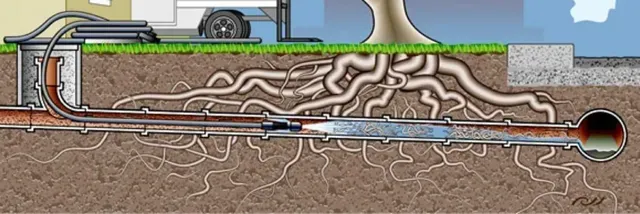
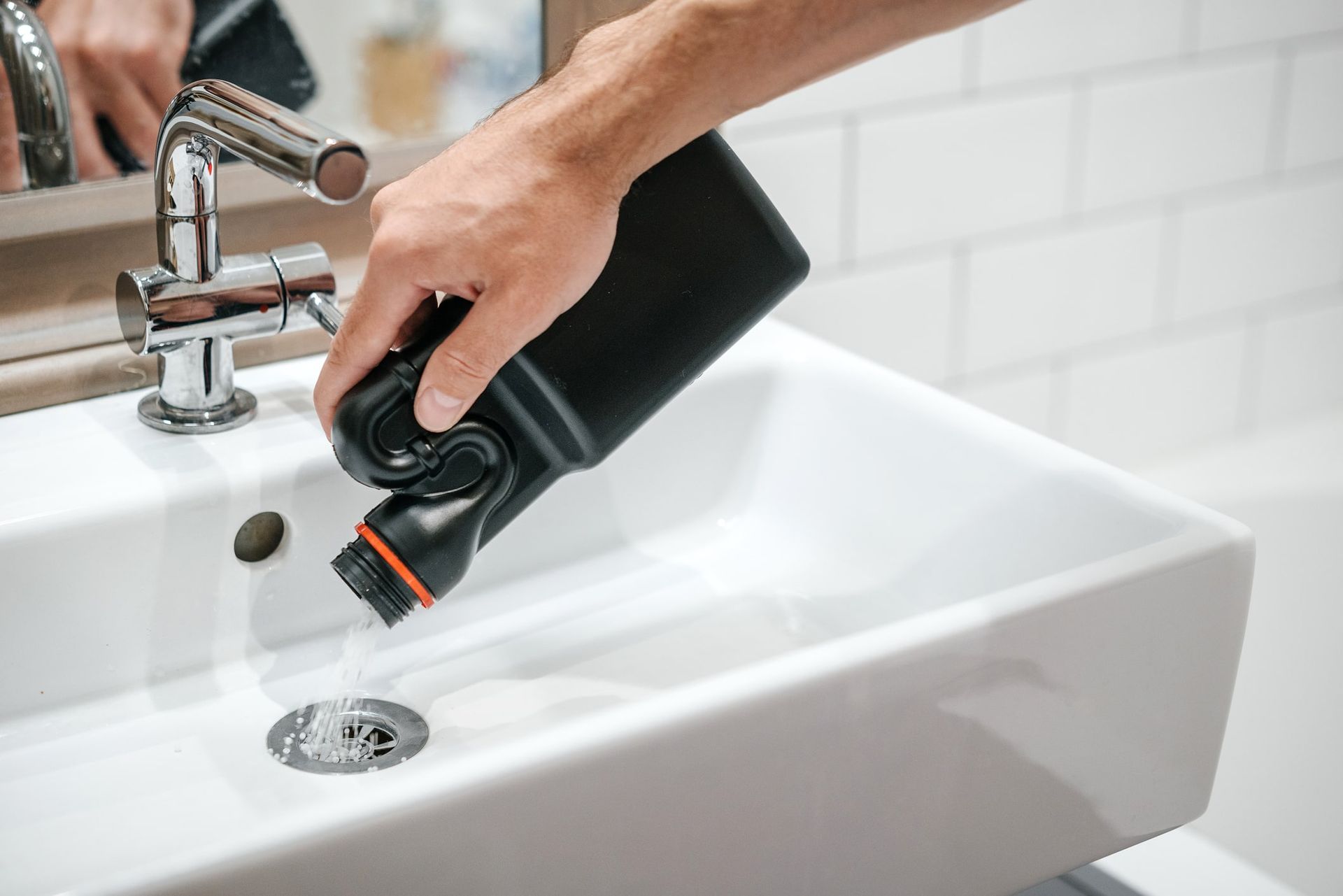
This symptom heralds impending backups, as restricted paths pressure-test seals until they yield, spilling sewage into living areas. Vent stack cleanouts or enzymatic treatments dissolve organics gently, restoring equilibrium without pipe damage. Ignoring gurgles risks main line involvement, where root intrusions or sags demand excavation—costs soaring into thousands. Regular roof vent inspections prevent recurrence, ensuring atmospheric equilibrium for reliable drainage.
4. Whining or Screeching: Pressure and Valve Distress
High-pitched whines or screeches accompanying water flow through faucets or appliances pinpoint excessive velocity straining restrictive components. Partially closed shut-off valves, scale-encrusted aerators, or undersized pipes channel water turbulently, vibrating metal elements into shrill harmonics. Washing machines and dishwashers often amplify this during fill cycles, as solenoid valves chatter under turbulent inrush.
Prolonged exposure warps stems and seats, spawning leaks, while cavitation erodes pump impellers in well systems. Flushing aerators with vinegar dissolves scale swiftly, and valve realignments to full-open positions calm flows. In severe cases, pipe diameter upgrades become necessary for high-demand homes. Whines dismissed as "normal" erode efficiency, spiking energy use as pumps compensate—address promptly to reclaim quiet operation.
5. Rattling or Vibrating: Loose Fixtures and Pipe Movement
Rattling vibrations during operation arise from unsecured pipes slapping against joists, hangers, or cabinets, often triggered by pump startups in water heaters or well systems. Thermal expansion in hot lines exacerbates shifts, while dishwasher kickbacks jolt drain connections. These percussive symphonies loosen compression fittings over time, birthing pinhole leaks at stress points.
Securing with foam insulation sleeves, adjustable straps, and isolation valves dampens transmission, while flexible hose replacements absorb appliance pulses. Rattles signal more than annoyance—they precede fractures in soldered joints, especially in earthquake-prone regions where micro-tremors compound fatigue. Comprehensive audits redistribute support, transforming chaotic clatter into serene flow.
Interpreting Noises in Context and Calling for Help
Layered noises demand holistic diagnosis, as banging paired with gurgles might indicate combined hammer and venting woes, necessitating acoustic listening devices for pinpointing. Seasonal patterns—winter expansions or summer surges—contextualize urgency, with cold snaps freezing lines into cracks. Smart sensors now monitor vibrations remotely, alerting via apps before audible thresholds.
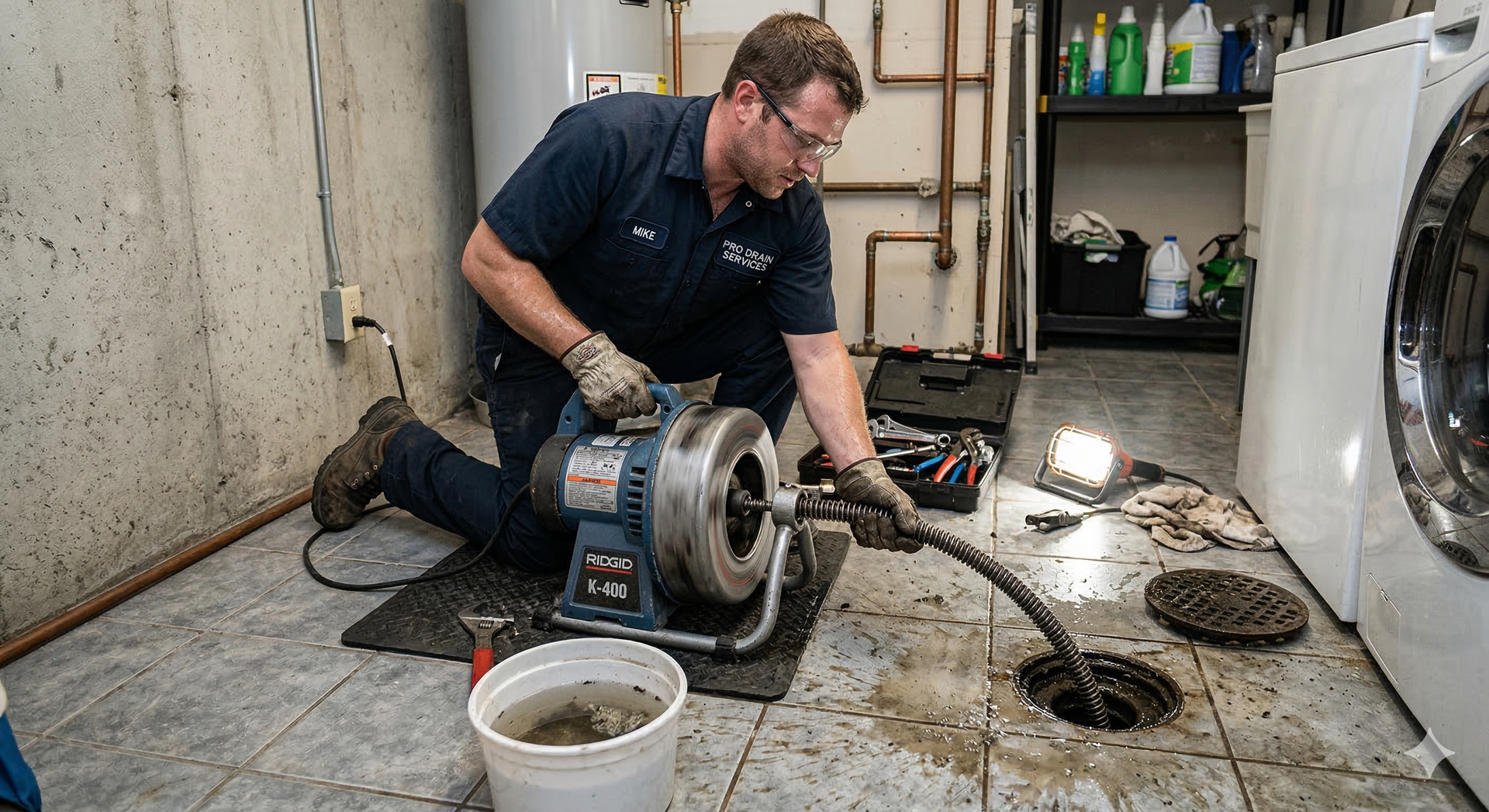
When sounds persist post-DIY tweaks, professional ears discern subtleties machines miss. All City Plumbers offers acoustic diagnostics, tracing symphonies to symphonies to origins with non-invasive scopes. Their emergency services ensure 24/7 response, staunching floods before they spread. Building alliances with such experts preempts escalation, embedding vigilance into home stewardship.
Preventive Listening and System Fortification
Cultivate auditory awareness through baseline recordings of normal operations, flagging deviations early. Quarterly audits—running cycles while noting variances—intercept progression. Water softeners curb scale-induced whines, while expansion tanks tame hammer universally. Integrating these fortifies resilience, muting the prelude to peril.
Conclusion
In conclusion, plumbing noises whisper warnings that, when heeded, avert calamity and conserve resources. From banging harbingers to gurgling omens, each sound charts a path to prevention, underscoring proactive audits and expert partnerships. Silence your systems wisely, transforming potential symphonies of disaster into enduring harmony, and let your home resonate with reliability for generations.