Prevent Garbage Disposal Clogs That Mimic Drain Backups
Garbage disposals grind kitchen waste into fine particles, streamlining waste management but often sparking clogs that imitate severe drain backups. These clogs arise when ungrindable debris passes through the unit, lodging in sink traps, elbows, or downstream pipes, creating resistance that slows drainage across multiple fixtures. Homeowners frequently mistake this for a main line issue, as water backs up in sinks, tubs, or toilets simultaneously, prompting unnecessary excavations.
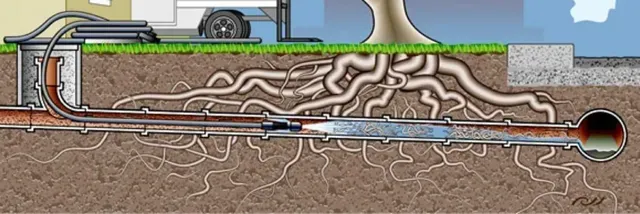
The mimicry stems from interconnected plumbing: disposal output feeds directly into drain lines shared with other drains, so localized buildup generates system-wide pressure imbalances. Over time, repeated misuse exacerbates this, with organic matter fermenting and expanding. Professional plumbers diagnose these via camera inspections, revealing 80% of "backup" calls trace to disposals. Prevention hinges on usage awareness, transforming a potential liability into a reliable appliance.
Primary Causes of Mimicking Clogs
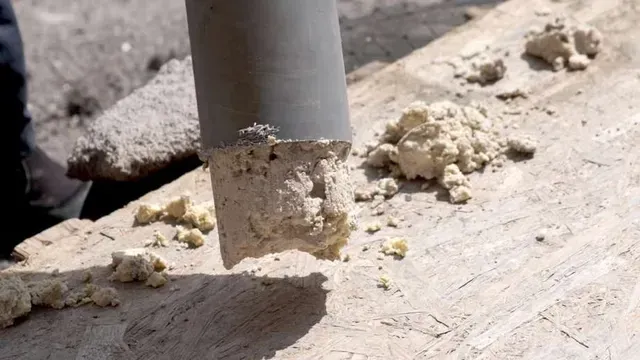
Fibrous foods top the list of offenders, with celery strings, corn husks, and asparagus tangling impellers or threading through to pipe walls, forming hairball-like obstructions. Starchy culprits like potatoes, rice, and pasta absorb water post-grinding, swelling into gelatinous masses that choke narrow passages. Grease, even from seemingly benign sources like meat trimmings, cools and hardens, coating interiors and capturing solids.
Eggshells shatter into abrasive grit that scores pipes, while fruit pits and nut shells bounce undigested into traps. Non-food intrusions—labels, twist ties, or small bones—jam units, backing pressure into drains. These elements don't dissolve easily, persisting until mimicking full backups. In older homes, corroded pipes amplify effects, turning minor disposals ejections into major events. Identifying patterns through usage logs helps target prevention.
Essential Daily and Weekly Prevention Strategies
Adopt cold running water as your first line of defense—activate it fully before grinding, maintain during the process, and continue 20-30 seconds after to sweep particles away and flush grease. Introduce scraps gradually, pulsing the unit to avoid overwhelming the motor, which prevents chunks from surging into drains. Limit quantities to what fits loosely in the chamber, ensuring even processing.
Weekly, sharpen blades and clean by grinding citrus rinds mixed with ice, which scours residue while freshening odors. Follow with a baking soda-vinegar rinse to break down organics safely. Avoid hot water, which melts fats prematurely, sending liquid grease to congeal farther down. Educate family on "disposal dos and don'ts," posting a kitchen chart for quick reference. These habits, sustained consistently, drastically cut clog risks mimicking backups.
Advanced Maintenance for Long-Term Reliability
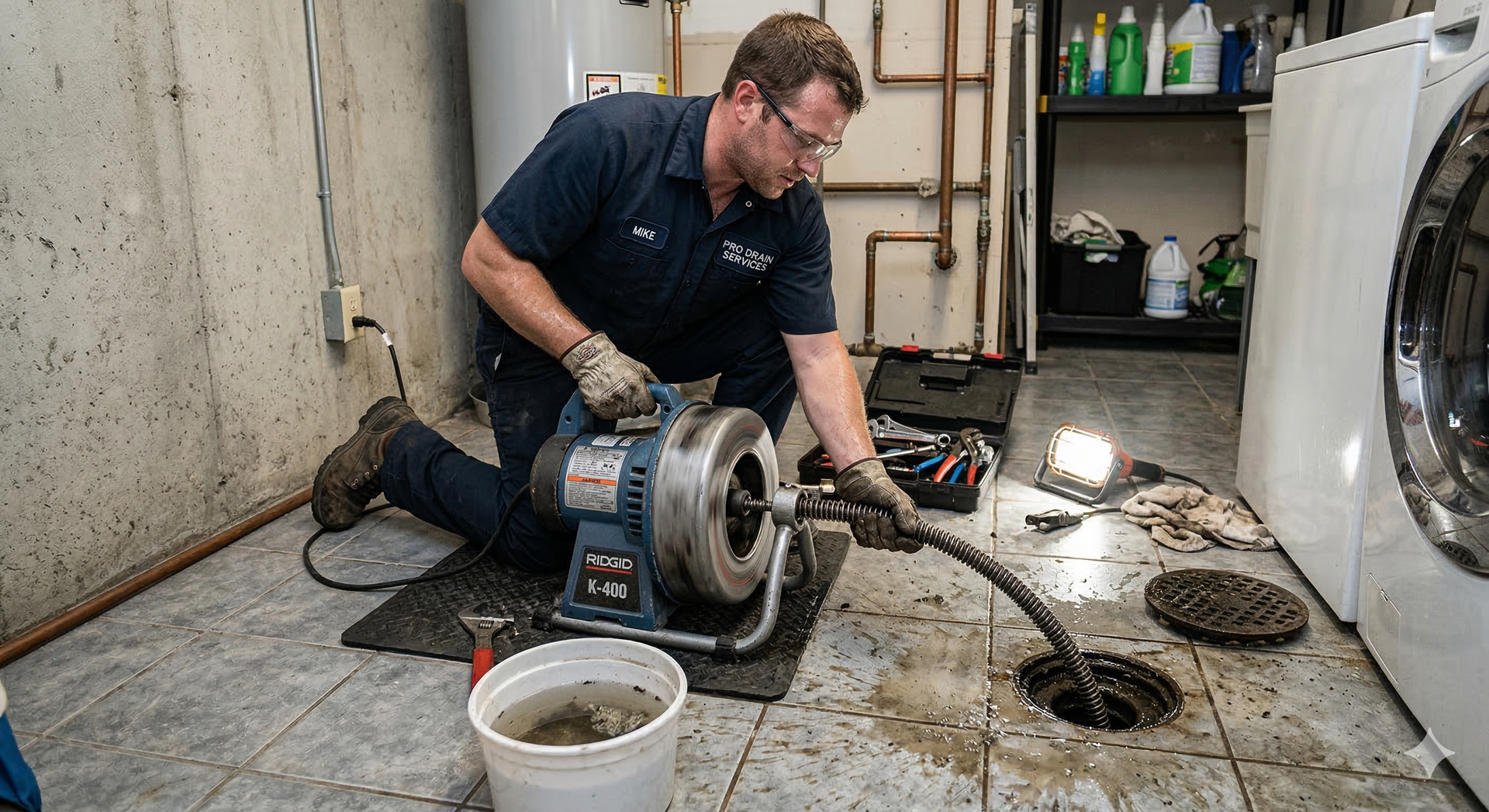
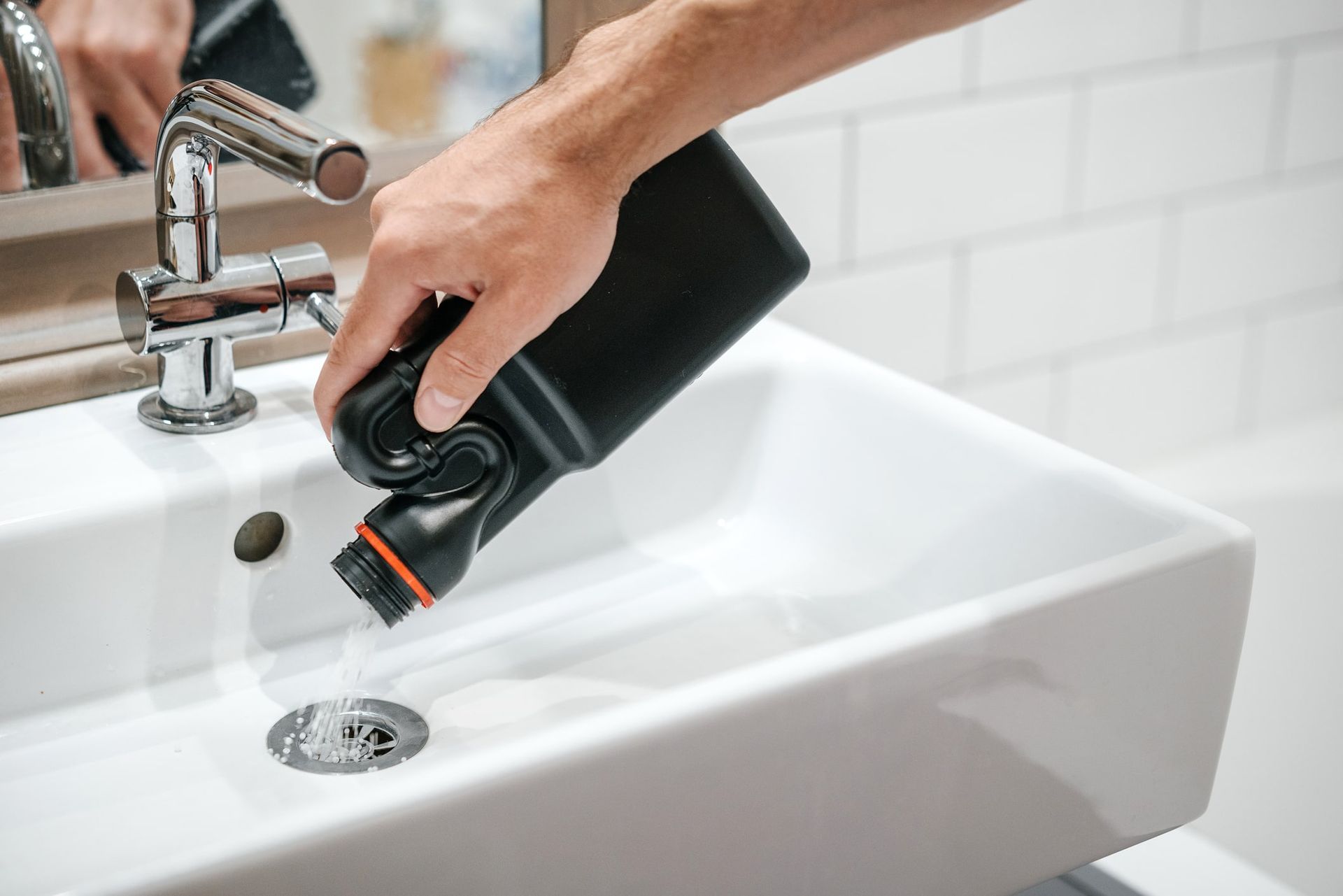
Elevate prevention with quarterly deep cleans using enzyme drain gels that digest proteins and starches without pipe damage. Schedule annual professional inspections, where technicians like those from All City Plumbers employ hydro-jetting to blast hidden buildup from disposal-to-sewer transitions. Monitor unit performance via simple tests: time how long a cup of water drains post-grind; delays signal emerging issues.
Upgrade to modern units with auto-reverse motors and sound insulation if yours predates 2010, as they handle loads better and reduce strain. Install inline strainers to catch strays before they enter pipes. For high-use kitchens, consider batch feeding with timers. These proactive steps not only prevent deceptive clogs but extend appliance life, averting frequent interventions.
Recognizing Warning Signs Early
Vigilance catches problems before they escalate into faux backups. Slow draining exclusively after disposal use points to trap accumulation, distinct from general sluggishness. Wet grinding sounds evolving to labored humming indicate impeller fouling, pushing debris downstream.
Recurring sink backups post-meals scream disposal involvement. Odors from the drain, despite cleaning, suggest fermenting pockets. Among these alerts, there are five noises you shouldn't ignore: grinding halting mid-cycle, signaling jams; high whining from motor strain; metallic clanking of trapped objects; gurgling water return through the disposal; and low rumbling vibrations transferring to counters. Heeding these prompts timely action, like manual resets or pro calls, halting mimicry.
When to Call for Garbage Disposal Repair and Replacement
DIY fixes suit minor jams—unplug, insert an Allen wrench into the hex hole, and turn to free impellers—but persistent issues demand experts. Failed resets, burning smells, or leaks warrant immediate service to avoid electrical hazards or floods. Aging units (10+ years) with frequent clogs often need garbage disposal repair and replacement for efficiency.
Professionals assess motor health, seal integrity, and pipe compatibility, recommending stainless-steel models for durability. Costs range $150-$500 installed, far below emergency sewer line replacement at $4,000+. Delaying risks total failure, amplifying backup illusions. Choose certified techs with warranties for peace of mind.
Conclusion
In conclusion, preventing garbage disposal clogs that mimic drain backups requires mindful usage, routine maintenance, and prompt recognition of signs like the five noises you shouldn't ignore. By implementing these strategies—from cold water flushes to professional checkups—you minimize disruptions, protect your plumbing, and enjoy hassle-free kitchen operations. Partner with trusted services like All City Plumbers for tailored advice, ensuring your disposal remains a helper, not a headache.