DIY Drain Camera Inspections: Are They Accurate?
DIY drain cameras have surged in popularity among homeowners seeking to troubleshoot plumbing woes without immediately calling in professionals. These affordable, snake-like devices with built-in cameras promise a firsthand look inside pipes, potentially saving time and money on minor issues. However, their accuracy is a hotly debated topic, as limitations in technology and user expertise often lead to incomplete or misleading results. This in-depth article examines the capabilities of DIY drain cameras, their real-world effectiveness, best practices for use, and when professional intervention becomes essential.
What Are DIY Drain Cameras?
DIY drain cameras are compact, consumer-grade inspection tools designed for residential plumbing diagnostics. Typically featuring a flexible cable ranging from 15 to 100 feet, a waterproof camera head with LED lights, and a handheld display or smartphone connectivity, these devices allow users to thread the camera through accessible drains like sinks, toilets, or cleanouts. Brands such as Ridgid, Teslong, and DEPSTECH dominate the market, with entry-level models priced between $50 and $300, making them accessible for weekend warriors tackling home maintenance.
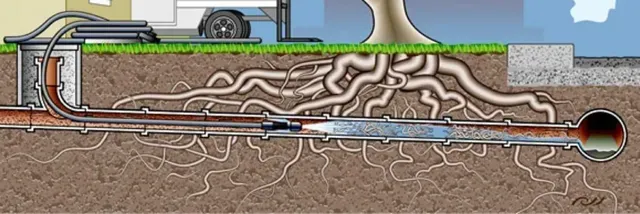
The appeal lies in their simplicity: insert the camera, maneuver it through the pipe, and view live footage on a screen for signs of clogs, cracks, or corrosion. Many include recording functions, measurement tools, and even locators to track the camera's position. Unlike professional sewer scopes, which boast higher resolution, longer cables, and motorized heads, DIY versions prioritize portability over precision. This trade-off means they're ideal for surface-level checks but can falter in complex pipe networks, where bends, offsets, or debris obscure views.
Homeowners often purchase these after experiencing recurring issues like slow drains or gurgling sinks, hoping to identify problems like hair buildup or grease traps without disassembly. While empowering, their accuracy hinges on pipe diameter compatibility—most work best in 1- to 4-inch residential lines—and user skill in navigating tight turns without snagging.
How DIY Drain Cameras Work
At their core, these cameras function like tiny endoscopes, transmitting video via wired or wireless connections. The camera head, usually 0.4 to 1 inch in diameter, captures 720p or 1080p footage illuminated by adjustable LEDs, which helps in dark, murky pipes. As you feed the cable, a depth counter tracks progress, and some models vibrate or beep to signal obstacles. Advanced units offer zoom, auto-focus, and waterproofing up to 30 meters, simulating professional rigs on a budget.
Operation involves basic prep: clear standing water, attach the camera to a drain snake if needed, and slowly advance while observing the screen for anomalies. Software apps on connected devices often include annotations for marking issues like root intrusions or joint separations. Accuracy depends on factors like pipe material—smooth PVC shows clearer images than corroded cast iron—and water flow, which can blur footage if not minimized beforehand.
Despite these features, DIY cameras lack the power-thrusting mechanisms of pro tools, limiting reach in long or sloped lines. Footage quality degrades with distance or angle, often missing hairline cracks or scale buildup that sonar or high-res optics detect. Users must interpret findings themselves, where misreading bellied pipes or minor offsets as severe damage is common.
Pros and Cons of DIY Inspections
The advantages of DIY drain cameras are evident in cost savings and immediacy. For a fraction of a $200-500 professional call, you gain on-demand access, empowering quick fixes like targeted snaking or enzyme treatments. They're invaluable for proactive home maintenance, such as annual cleanout checks or verifying post-repair integrity. Portability suits renters or small homes without easy cleanout access, and recorded videos provide documentation for landlords or warranties.
However, drawbacks undermine reliability. Limited cable length restricts inspection of main sewer lines beyond 50 feet, common in larger properties. Image distortion from lens flares, sediment, or cable wobble reduces clarity, leading to false positives—like mistaking shadows for cracks—or negatives, overlooking grease caps or early root entry. When can you consider a slow drain a plumbing emergency? If DIY footage reveals backups affecting multiple fixtures, sewage odors, or structural damage like collapsed sections, escalate immediately to avoid overflows or pipe bursts.
Moreover, DIY lacks calibration for pipe slope or diameter variations, and waterproofing failures can damage the unit mid-use. Interpreting footage requires plumbing knowledge; what looks like a clog might be scale, or a kink could be a repair sleeve. These gaps make DIY suitable for confirmation, not comprehensive diagnosis.
Accuracy in Real-World Scenarios
Field tests and user reports reveal mixed accuracy. In straight, accessible sink traps or short toilet lines, DIY cameras excel, accurately spotting hair clogs or soap scum 90% of the time. For branch lines under 30 feet, they match pro visuals closely, aiding targeted hydro-jetting or augering. However, in main sewers with offsets or roots, success drops to 60-70%, as cameras struggle past 45-degree bends or heavy debris without professional push rods.
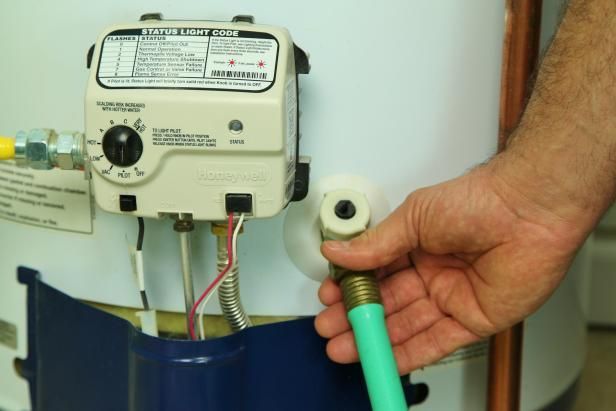
Expansion tanks, often installed on water supply lines to buffer pressure spikes from water heaters, indirectly impact drain inspections by stabilizing overall system flow—erratic pressure can exacerbate drain issues, making accurate camera views crucial for holistic assessments. Studies from plumbing forums and YouTube comparisons show DIY missing 30% of pipe defects pros catch, particularly in older clay or orangeburg lines prone to infiltration.
Environmental factors like temperature affect performance; cold weather stiffens cables, while hot pipes warp lenses. User error—rushing insertion or ignoring lubrication—further skews results. Cross-verification with plungers, dyes, or ball tests boosts confidence, but persistent uncertainties warrant experts.
Best Practices for Maximum Accuracy
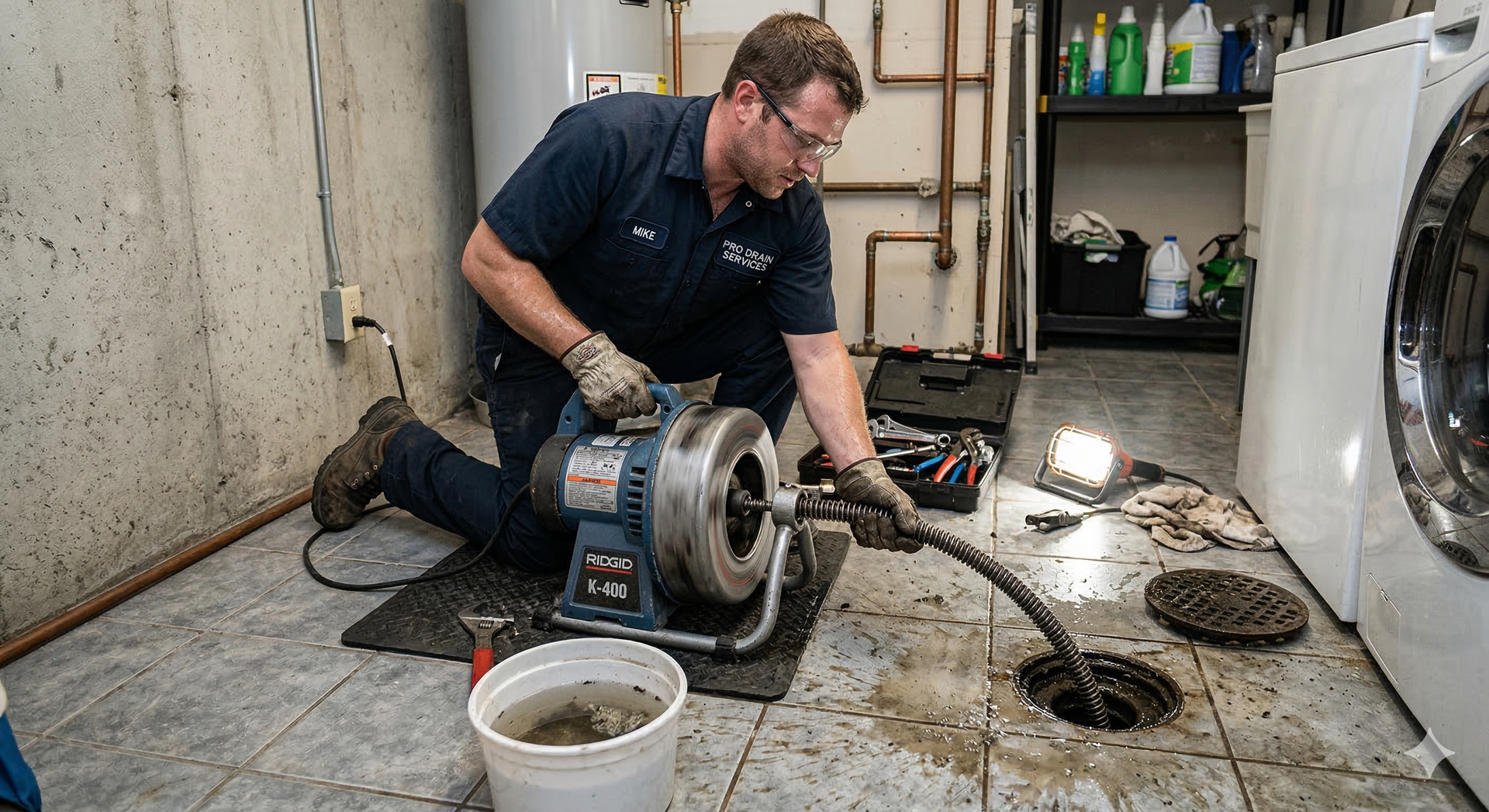
To optimize DIY inspections, prepare meticulously. Drain as much water as possible using a wet-dry vac, and lubricate the cable with silicone spray for smooth navigation. Start at the lowest accessible point, like a basement cleanout, advancing slowly while rotating to scan full circumferences. Use multiple angles and speeds, pausing at suspected issues for screenshots or recordings.
Calibrate your expectations: match camera diameter to pipe size, and test in clean sections first. Clean the lens periodically with a soft cloth, and employ accessories like locators for underground lines. Cross-reference footage with symptoms—gurgling might indicate vents, not visible clogs—and document timestamps for trends.
For stubborn reaches, pair with drain snakes, but avoid forcing to prevent damage. Schedule inspections quarterly in high-use homes, logging findings to track deterioration. If footage shows uncertainties, consult pros like All City Plumbers, whose advanced rigs confirm or refute DIY data seamlessly.
When to Call in Professionals
DIY shines for minor checks, but pros dominate complex cases. Indicators include inaccessible lines, contradictory footage, or multi-floor symptoms suggesting main line woes. Professional cameras offer 4K resolution, 200-foot reels, and software for 3D modeling, pinpointing issues like offset repairs or camera-missable laterals.
Experts integrate inspections with smoke tests or acoustic locators for 95%+ accuracy, prescribing cures like cured-in-place pipe lining. Costs reflect value—$300 inspections avert $10,000 digs—while warranties ensure longevity.
Conclusion
In conclusion, DIY drain cameras offer a practical entry into pipe diagnostics with solid accuracy for shallow, straightforward issues, but their limitations in reach, clarity, and interpretation make them supplements, not substitutes, for professional tools. By mastering best practices and knowing when to pivot to experts like All City Plumbers, homeowners achieve reliable insights while minimizing risks, ensuring plumbing health without unnecessary expenses. Embrace them judiciously for empowered maintenance.