The Hidden Costs of Skipping Regular Drain Cleaning
Homeowners often view drain cleaning as an optional chore, a task postponed until a sink gurgles ominously or water pools stubbornly in the tub. This oversight, however, unleashes a cascade of expenses that extend far beyond the initial service fee for a single visit. Over time, neglected drains accumulate grease, hair, soap scum, and mineral deposits, transforming minor inconveniences into structural threats and financial burdens. This article delves deeply into the multifaceted repercussions of skipping routine drain maintenance, illuminating the insidious ways it impacts wallets, properties, and lifestyles, while offering pathways to prevention and restoration.
The Silent Buildup: How Neglect Takes Root
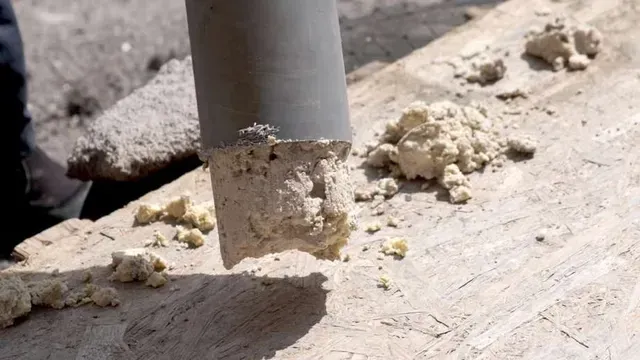
Drains operate under the principle of gravity and flow, quietly shepherding wastewater from kitchens, bathrooms, and laundry rooms into municipal sewers or septic systems. Everyday use introduces organic matter—cooking oils that solidify in pipes, shampoo residues that cling to walls, and food particles that settle in traps—that gradually narrows passageways. Without intervention, this debris hardens into tenacious blockages, reducing flow velocity and creating ideal conditions for bacterial colonies to thrive.
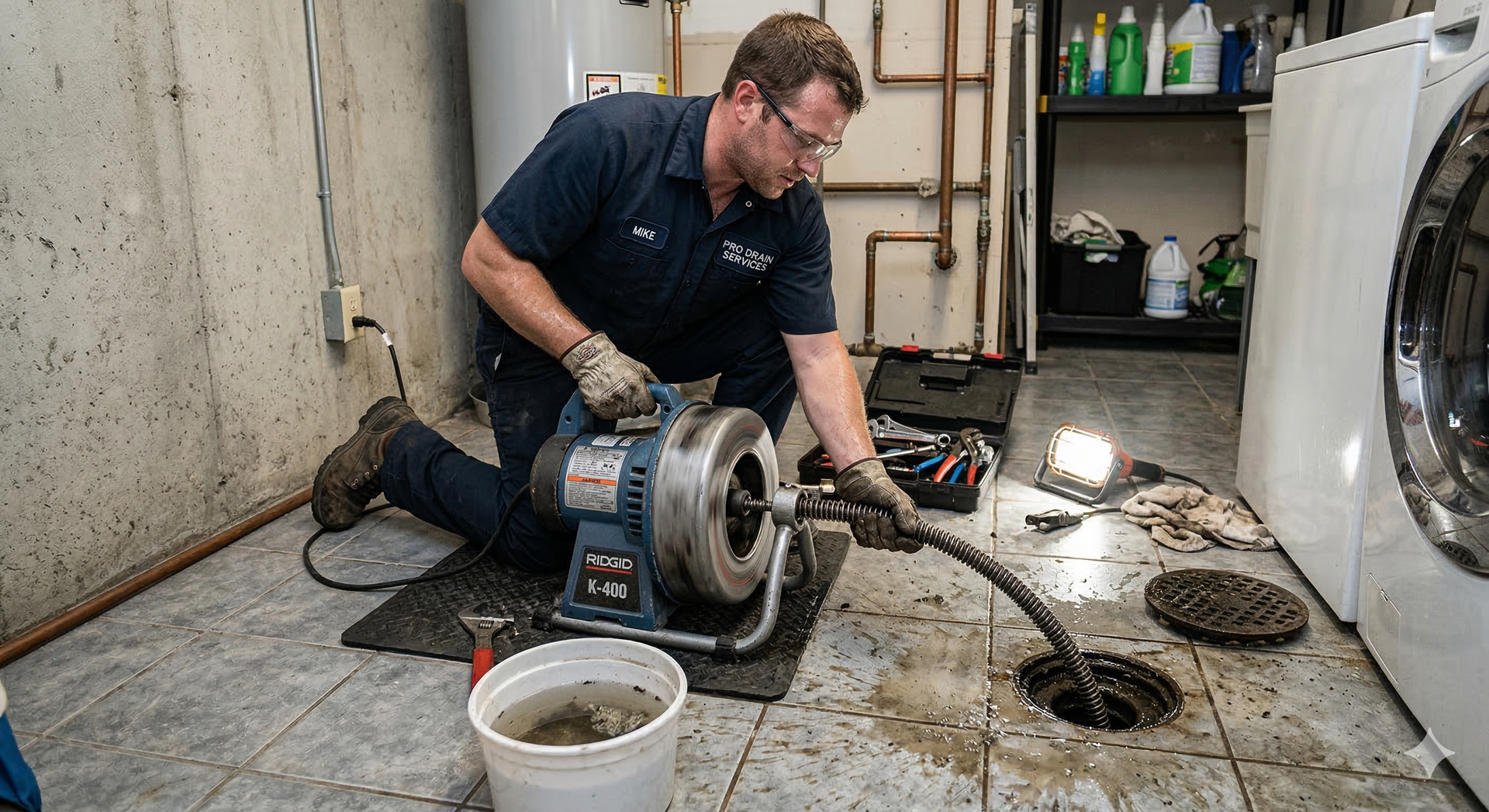
In the early stages, symptoms manifest subtly: slower drainage after meals or faint odors rising from fixtures. Homeowners might resort to chemical cleaners, which temporarily dissolve surface gunk but fail to address deeper accumulations, often exacerbating corrosion in older metal pipes. Plumbers frequently discover that years of skipped cleanings result in stratified layers of buildup, akin to arterial plaque in the human body, that demand hydro-jetting or specialized tools for removal. This progressive constriction not only strains the system but sets the stage for the more severe consequences explored ahead.
Escalating Repair Bills and Emergency Interventions
One of the most immediate hidden costs emerges when neglect forces reactive repairs rather than preventive care. A simple clog might cost a couple hundred dollars to snake, but repeated occurrences signal deeper issues requiring pipe inspection via camera, adding diagnostic fees that climb quickly. When full blockages occur—often at inopportune hours—emergency services become necessary, inflating bills with after-hours premiums and urgent dispatching charges.
Professionals note that untreated drains lead to backups that overflow into living spaces, necessitating water extraction, carpet replacement, and drywall repairs, which can tally thousands in out-of-pocket expenses. Insurance may offset some catastrophe costs, but frequent claims trigger rate hikes or coverage denials, compounding the financial sting. By contrast, scheduling drain cleaning biannually acts as insurance against these spikes, distributing expenses predictably and preserving budget stability across seasons.
Structural Damage and Long-Term Deterioration
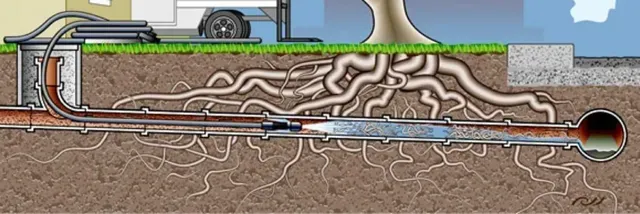
Beyond surface-level woes, skipped drain maintenance inflicts profound structural harm that manifests over months or years. Slow-moving water lingers in pipes, fostering mold and mildew growth within walls and subfloors, where it weakens joists and insulation. Tree roots, drawn to the moisture and nutrients in sewer lines, infiltrate joints and cracks, expanding with each wetting cycle until pipes fracture entirely.
This deterioration demands excavation or trenchless relining, procedures that disrupt yards, driveways, and foundations, with restoration costs soaring into five figures. Home values plummet during inspections revealing compromised plumbing, deterring buyers and necessitating disclosures that prolong market time. Homeowners who delay cleaning unwittingly accelerate this decay, trading short-term savings for irreversible investments in full system overhauls.
Health Hazards and Family Well-Being Risks
Clogged drains harbor more than grime; they cultivate pathogens that compromise indoor air quality and family health. Stagnant water becomes a breeding ground for E. coli, salmonella, and mold spores, which aerosolize during backups and infiltrate HVAC systems. Vulnerable household members—children, the elderly, or those with respiratory conditions—face heightened risks of infections, allergies, or exacerbated asthma from prolonged exposure.
Odors alone signal volatile organic compounds escaping into living areas, contributing to headaches and nausea over time. Public health departments occasionally intervene in severe cases, imposing fines or mandatory abatements that add administrative burdens. Proactive drain cleaning eliminates these threats, ensuring hygienic flows and safeguarding the sanctuary of home against invisible assailants.
Skyrocketing Utility Bills and Efficiency Losses
Neglected drains impose stealthy drains on household budgets through inflated utility statements. Restricted flow compels faucets and appliances to labor harder, prolonging run times for dishwashers and washing machines, which guzzles electricity and water. Sewer fees, often metered by usage, rise as partial blockages cause backflow that registers as excess consumption.
In extreme scenarios, leaks from weakened pipes seep into yards or slabs, saturating soil and prompting landscaping overhauls or foundation stabilization. Energy-efficient homes amplify these losses, as pristine systems elsewhere falter due to one compromised drain line. Regular maintenance restores optimal hydraulics, recalibrating flows to baseline efficiency and yielding measurable savings month after month.
Preventive Strategies and Professional Partnerships
Mitigating these costs begins with embracing scheduled drain cleaning as a non-negotiable ritual, ideally every six months for high-use homes. Hydro-jetting blasts away buildup with high-pressure water, while enzymatic treatments offer gentler, eco-friendly alternatives for monthly upkeep. Camera inspections provide visual baselines, tracking progress and pinpointing vulnerabilities before they worsen.
Building redundancy into your plumbing system fortifies this defense; secondary cleanouts, overflow drains, or sump pumps intercept failures, channeling water away from critical areas. Pairing these with water softeners in hard-water zones prevents scale formation at the source. Experts like All City Plumbers excel in customizing these regimens, blending diagnostics with tailored upgrades to match household demands.
Integrating Drain Cleaning into Home Management
Reliable providers streamline the process, dispatching technicians versed in residential nuances—from apartment stack systems to sprawling estate sewers. Drain cleaning sessions often reveal ancillary issues, like misaligned traps or undersized vents, which pros address holistically for compounded value. Post-service reports detail findings, empowering homeowners with action plans that blend DIY vigilance, such as mesh strainers and grease interceptors, with pro oversight.
This integrated approach transforms drains from liabilities into assets, enhancing overall plumbing resilience. Seasonal flushes post-holidays or monsoons preempt surges in grease and debris, maintaining equilibrium year-round. Homeowners who prioritize this integration report fewer surprises and smoother operations across interconnected systems.
Long-Term Savings and Property Appreciation
The dividends of diligence extend to real estate equity and legacy planning. Pristine drains pass inspections effortlessly, boosting appraisals and negotiating power. Eco-conscious upgrades during cleanings, like low-flow aerators, qualify for rebates and appeal to green buyers, elevating market appeal.
Over decades, cumulative avoidance of major failures preserves capital for other priorities, from renovations to retirement funds. Families pass down not just homes, but enduring infrastructures that withstand generational use. This foresight underscores drain cleaning's role as a cornerstone of fiscal prudence.
Conclusion
In conclusion, the hidden costs of skipping regular drain cleaning permeate every facet of homeownership, from immediate repair outlays to enduring health and structural tolls. By committing to routine maintenance, redundancy measures, and expert collaborations, homeowners reclaim control, converting potential pitfalls into sustained efficiencies. Embrace this essential practice today, and secure a legacy of reliability that pays dividends for years to come.