How Often to Schedule Professional Drain Cleaning?
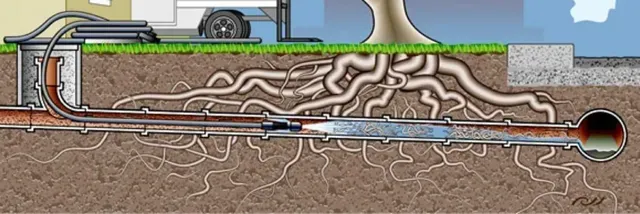
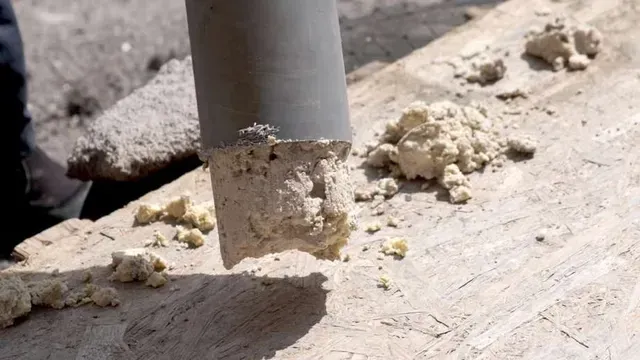
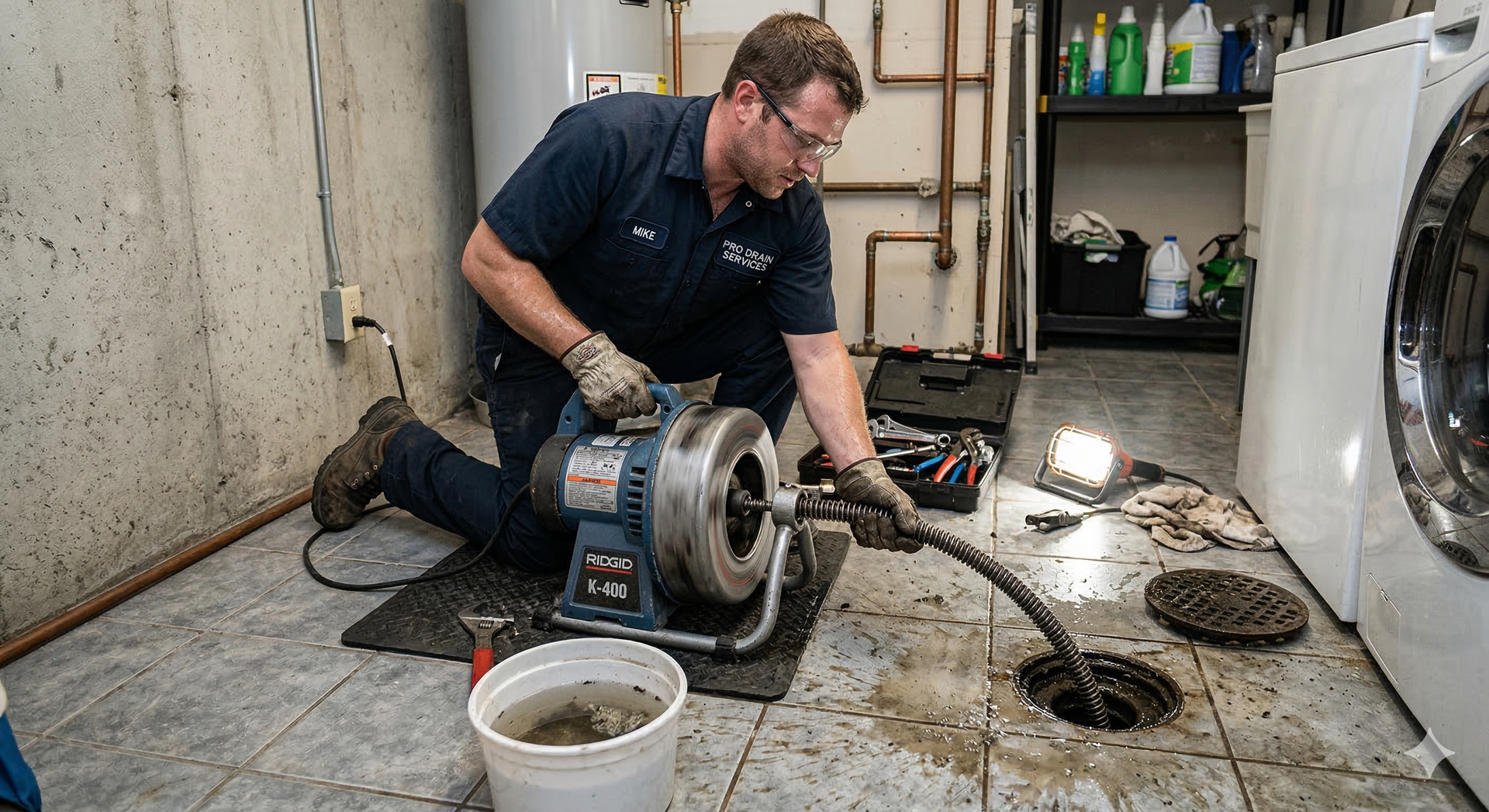
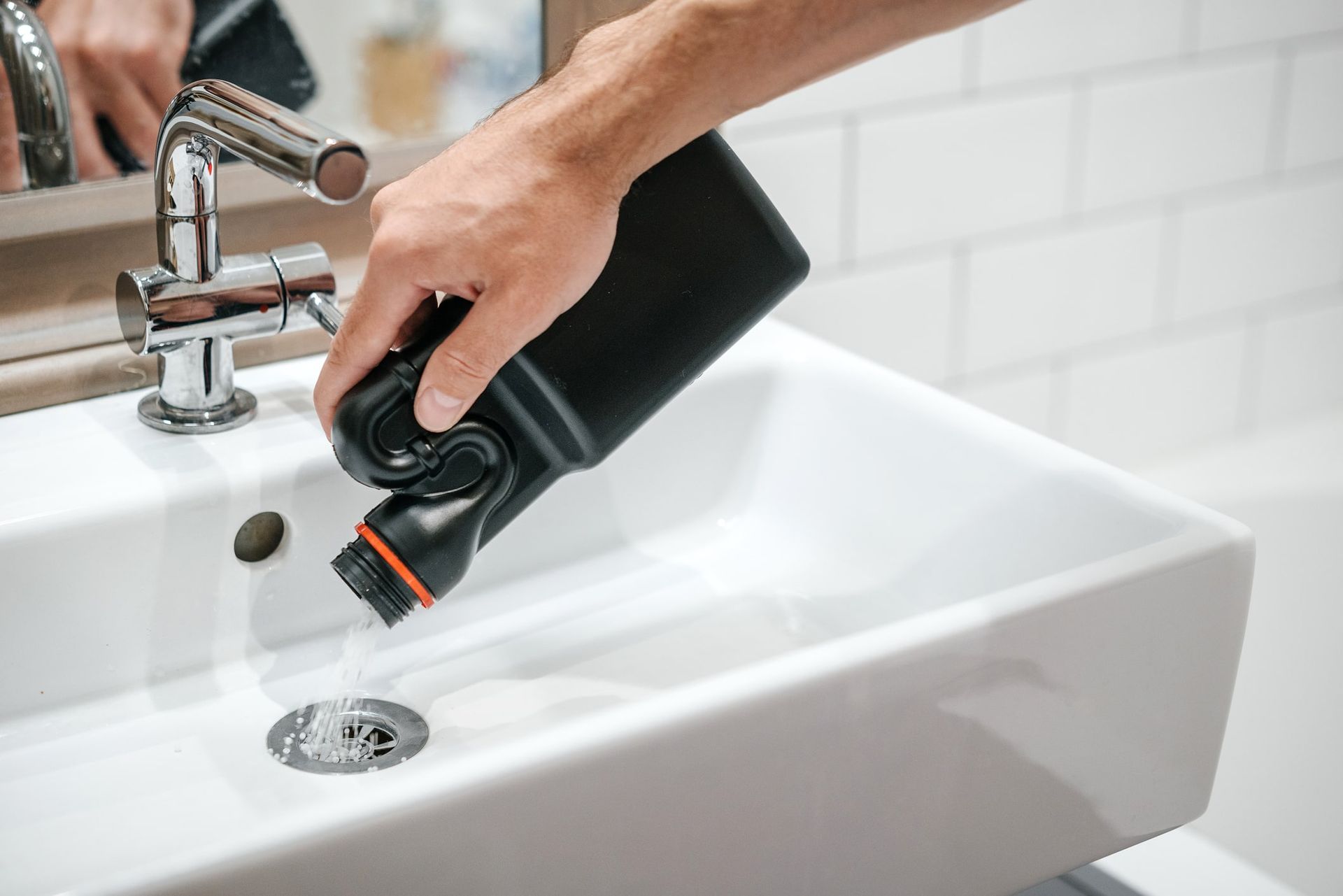
Drains in our homes handle a constant barrage of water, food scraps, hair, soap scum, grease, and other debris every day. Over time, these everyday materials accumulate inside pipes, forming stubborn blockages that slow drainage or cause complete stoppages. What starts as a minor slowdown can escalate into major plumbing emergencies, leading to backups, overflows, and potential water damage to floors, walls, and fixtures. Professional drain cleaning addresses these issues at their root by using specialized tools like high-pressure water jetting or mechanical augers to remove buildup without damaging pipes. Unlike DIY methods such as chemical cleaners, which often only provide temporary relief and can corrode pipes over time, professional services ensure thorough clearing and restore optimal flow.
The frequency of scheduling these cleanings depends on several factors unique to each household. In high-use environments like busy family homes or restaurants, drains face heavier loads, necessitating more frequent interventions. Neglecting this maintenance can lead to costly repairs, including sewer line replacement when tree roots infiltrate and crack underground pipes. Homeowners often underestimate how interconnected residential plumbing systems are, where a single clogged drain can strain the entire sewer line, resulting in widespread backups. Regular professional cleanings prevent such escalations, extending the lifespan of your plumbing infrastructure and avoiding unexpected disruptions.
Factors Influencing Drain Cleaning Frequency
Several variables determine how often you should book a professional drain cleaning service. Usage patterns play a pivotal role; for instance, households with multiple residents cooking frequently or with long-haired family members generate more grease, food particles, and hair clogs, suggesting cleanings every six months. In contrast, single-person homes or low-traffic rentals might manage with annual services. Water quality also matters—hard water rich in minerals accelerates scale buildup inside pipes, mimicking the effects of heavy use and warranting quarterly checks in affected areas.
Pipe age and material further guide scheduling. Older homes with galvanized steel or cast-iron pipes, prone to rust and corrosion, benefit from inspections every four to six months to catch early deterioration. Modern PVC pipes resist corrosion better but still accumulate organic matter, especially in graywater lines from bathrooms and kitchens. External factors like nearby trees can send roots probing for moisture into sewer lines, compounding clogs and demanding biannual cleanings. Lifestyle choices, such as frequent disposal of coffee grounds, eggshells, or fibrous vegetables down the drain, mimic these risks. By evaluating these elements annually—perhaps through a simple flow test or camera inspection—you can tailor a maintenance schedule that keeps your system efficient and resilient.
Recommended Schedules for Different Homes
Tailoring the frequency of professional drain cleaning to your home's specific needs ensures proactive care without overspending. For average single-family homes with moderate use, experts recommend scheduling services once a year. This baseline catches seasonal buildups, like summer grease from barbecues or winter slowdowns from holiday cooking, before they worsen. In larger households or those with garbage disposals, bumping up to twice yearly prevents the "silent creep" of deposits that DIY plungers can't fully address.
High-risk properties, such as multi-unit apartments or homes with septic systems, require quarterly or even monthly professional interventions. Septic setups demand vigilant monitoring to avoid overwhelming the tank with solids flushed from unclogged drains. Businesses like restaurants, where fats, oils, and grease (FOG) pour down drains daily, often need monthly cleanings to comply with health codes and avert fines. Proactive property managers integrate this into budgets, recognizing that one avoided sewer line replacement saves thousands. Always consult a trusted service provider for a customized plan, often starting with an initial inspection to baseline your pipes' condition.
Signs That Demand Immediate Professional Cleaning
Ignoring subtle cues from your drains can turn minor issues into plumbing catastrophes. Slow draining in sinks or showers signals early buildup, where water pools longer than usual, hinting at soap scum or hair mats obstructing flow. Gurgling sounds from toilets or drains during use indicate air pockets trapped by partial blockages, often precursors to full overflows. Foul odors emanating from fixtures point to organic decay in standing water, a breeding ground for bacteria that professional hydro-jetting eliminates effectively.
Among the many warnings, there are five noises you shouldn't ignore: bubbling from the drain during flushes, which suggests sewer line pressure imbalances; high-pitched whining from faucets, indicating mineral deposits; rattling pipes during water flow, a sign of loose clogs vibrating fixtures; low groaning from toilets, revealing upstream restrictions; and explosive popping sounds post-flush, warning of severe backups. These auditory red flags, combined with visible signs like recurring clogs despite DIY efforts, necessitate calling professionals immediately. Early action via services like those from All City Plumbers prevents escalation, safeguarding your home's hygiene and structural integrity.
Benefits of Routine Professional Drain Cleaning
Investing in regular professional drain cleaning yields far-reaching advantages beyond mere unclogging. It enhances overall system efficiency, reducing water pressure loss and ensuring fixtures perform at peak capacity. Cleaner pipes minimize bacterial growth, curbing odors and health risks associated with mold or pathogens in stagnant water. Environmentally, it cuts water waste from repeated flushing attempts and avoids harsh chemical use, aligning with sustainable home practices.
Financially, the returns are compelling: routine maintenance averting a single sewer line replacement—often costing $3,000 to $10,000—pays for years of cleanings. It also preserves property value by preventing damage to subfloors, walls, or foundations from leaks. Homeowners report fewer emergency calls, translating to peace of mind and predictable budgeting. Technicians often pair cleaning with inspections using sewer cameras, spotting issues like cracks or root intrusions early. This holistic approach not only extends pipe life by up to 50% but also integrates seamlessly with broader home maintenance routines.
Choosing the Right Professional Service
Selecting a reliable drain cleaning service elevates your maintenance strategy from reactive to preventive. Look for providers with certified technicians experienced in advanced methods like video scoping and hydro-jetting, which outperform snaking for deep cleanings. Verify licensing, insurance, and warranties—reputable firms guarantee work for 30 to 90 days, reflecting confidence in results. Customer reviews on platforms like Google or Angi highlight responsiveness, especially for 24/7 emergencies.
Transparent pricing, with flat fees based on job scope rather than hourly rates, avoids surprises. Inquire about eco-friendly practices, such as biodegradable solutions, and ask for maintenance contracts offering discounts on repeat visits. Services like All City Plumbers exemplify this standard, delivering thorough cleanings tailored to residential needs. Schedule during off-peak times for priority service, and maintain records of each visit to track patterns and refine your schedule.
Conclusion
In conclusion, determining how often to schedule professional drain cleaning hinges on your home's usage, pipe condition, and early warning signs, with annual services suiting most households and more frequent ones protecting high-risk systems. By prioritizing this maintenance, you sidestep expensive repairs like sewer line replacement, enjoy smoother operations, and maintain a healthier living environment. Consult a professional today to assess your needs and establish a personalized plan—proactive care today ensures worry-free plumbing tomorrow.