When a Slow Drain Becomes a Plumbing Emergency?
Slow drains often masquerade as minor nuisances in the rhythm of daily home life, lulling homeowners into complacency with their gradual onset. A bathtub that takes longer to empty after a shower or a kitchen sink that lingers with standing water might seem like quirks easily ignored amid busy schedules. Yet, beneath this deceptive calm lies the potential for rapid escalation into full-blown plumbing emergencies, where water backs up into living spaces, damages structures, and incurs steep repair costs. This article meticulously examines the tipping points where sluggish drainage signals imminent crisis, exploring causes, warning signs, and decisive actions to protect your home and well-being.
The Deceptive Onset of Slow Drains
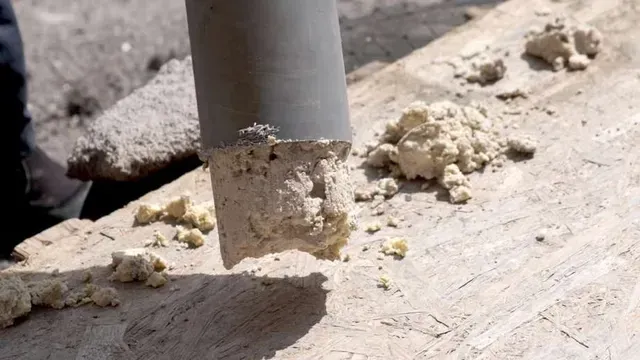
Slow drains emerge from a confluence of everyday contributors that quietly compromise pipe integrity over time. In kitchens, grease and food particles coalesce into sticky residues that adhere to pipe walls, gradually constricting flow. Bathrooms accumulate hair, soap scum, and mineral deposits from hard water, forming barriers that impede water's natural descent. Laundry rooms face similar threats from lint, detergents, and fabric softeners that gel and solidify under cooling temperatures.
What begins as a barely noticeable delay—perhaps an extra minute for a sink to clear—snowballs as debris layers thicken, creating pressure imbalances that strain the entire system. Homeowners frequently underestimate this progression, attributing it to fixture age or temporary overload, but plumbers recognize it as the prelude to backups. Addressing it early through targeted interventions prevents the shift from inconvenience to catastrophe, preserving both functionality and foundational stability.
Recognizing the Critical Warning Signs
Distinguishing a mere slow drain from an impending emergency hinges on observing escalating symptoms that demand immediate attention. Persistent gurgling sounds emanating from drains or toilets signal air pockets trapped by obstructions, indicating widespread involvement beyond a single fixture. Foul odors wafting from pipes suggest anaerobic bacterial growth feeding on organic matter, a harbinger of deeper decay.
Water levels rising in multiple drains simultaneously point to main line restrictions, where blockages in shared sewer laterals affect the whole house. Discolored water or sewage-tinged backups crossing from one fixture to another—such as shower water carrying kitchen debris—marks the threshold of crisis. These indicators, often unfolding over hours rather than days, necessitate swift professional evaluation to halt propagation and mitigate flood risks.
The Underlying Causes of Rapid Escalation
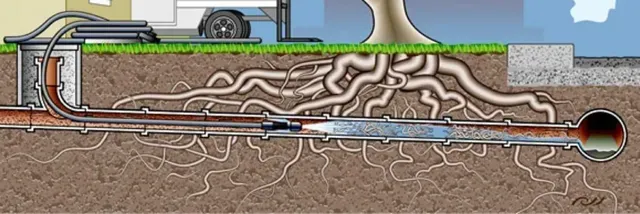
Several insidious factors propel slow drains into emergencies, rooted in both human habits and environmental pressures. Tree roots, ever opportunistic, probe sewer lines for moisture and nutrients, cracking joints and weaving through pipes to form impenetrable mats. Seasonal shifts exacerbate vulnerabilities: winter freezes expand ice within partially blocked lines, fracturing them upon thaw, while summer monsoons overwhelm weakened systems with excess volume.
Corroded cast-iron pipes in older homes succumb to internal rust, flaking into passageways and compounding organic buildup. Overzealous use of chemical drain cleaners accelerates this deterioration, etching metal and rubber components while failing to eradicate root causes. Plumbers stress that these dynamics create a perfect storm, where a slow drain's neglect allows pressure to build until seals fail catastrophically, flooding basements or ruining flooring.
The Hidden Dangers of Temporary Plumbing Fixes
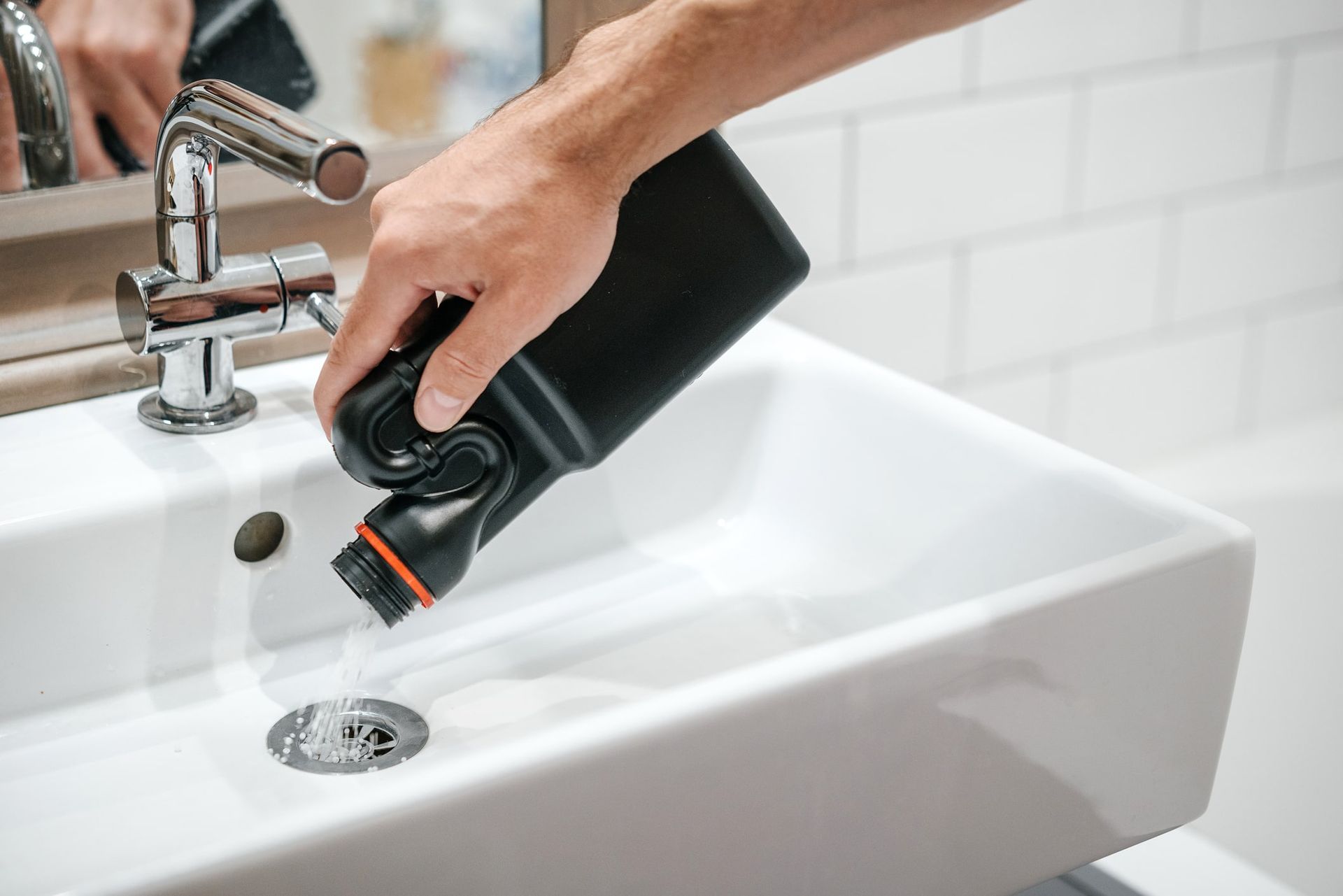
Homeowners, in a bid for quick relief, often turn to plungers, store-bought enzymes, or caustic gels, unaware of the hidden dangers of temporary plumbing fixes. These stopgaps may dislodge surface clogs but push debris deeper into lines, compacting it into denser masses that resist future clearing. Chemical agents generate heat and fumes that warp PVC pipes or dissolve seals, inviting leaks that seep undetected into subfloors.
Pushing too aggressively with improvised tools risks dislodging pipe joints or perforating weakened walls, leading to hidden ruptures that erode soil stability under foundations. Such patchwork solutions mask symptoms without resolving origins, fostering a false sense of security that delays professional intervention. Over time, these tactics compound vulnerabilities, transforming manageable issues into structural nightmares requiring excavation and replacement.
When to Declare a Plumbing Emergency
The precise moment a slow drain crosses into emergency territory arrives when backups affect critical areas or multiple fixtures simultaneously. Overflow into living spaces—carpet saturation, wall seepage, or sewage surfacing through floor drains—demands instantaneous action to prevent health code violations and mold proliferation. Loss of drainage across the home, coupled with bubbling overflows, indicates main line failure, where every gallon of water risks amplifying damage.
Power outages from submerged electrical systems or structural groaning under water weight further underscore urgency. At this juncture, shutting off the main water supply and evacuating valuables precedes calling for specialized hydro-jetting or sewer scoping. Delaying by even hours allows contaminants to spread, inflating remediation costs exponentially as professionals contend with contaminated environments.
Preventive Measures and Professional Drain Cleaning
Proactive strategies fortify homes against slow drains morphing into crises, centering on routine vigilance and system enhancements. Installing drain screens captures hair and debris at entry points, while monthly hot water and baking soda flushes dissolve early buildup without harsh chemicals. Annual camera inspections map pipe conditions, identifying pinholes or intrusions before they impede flow.
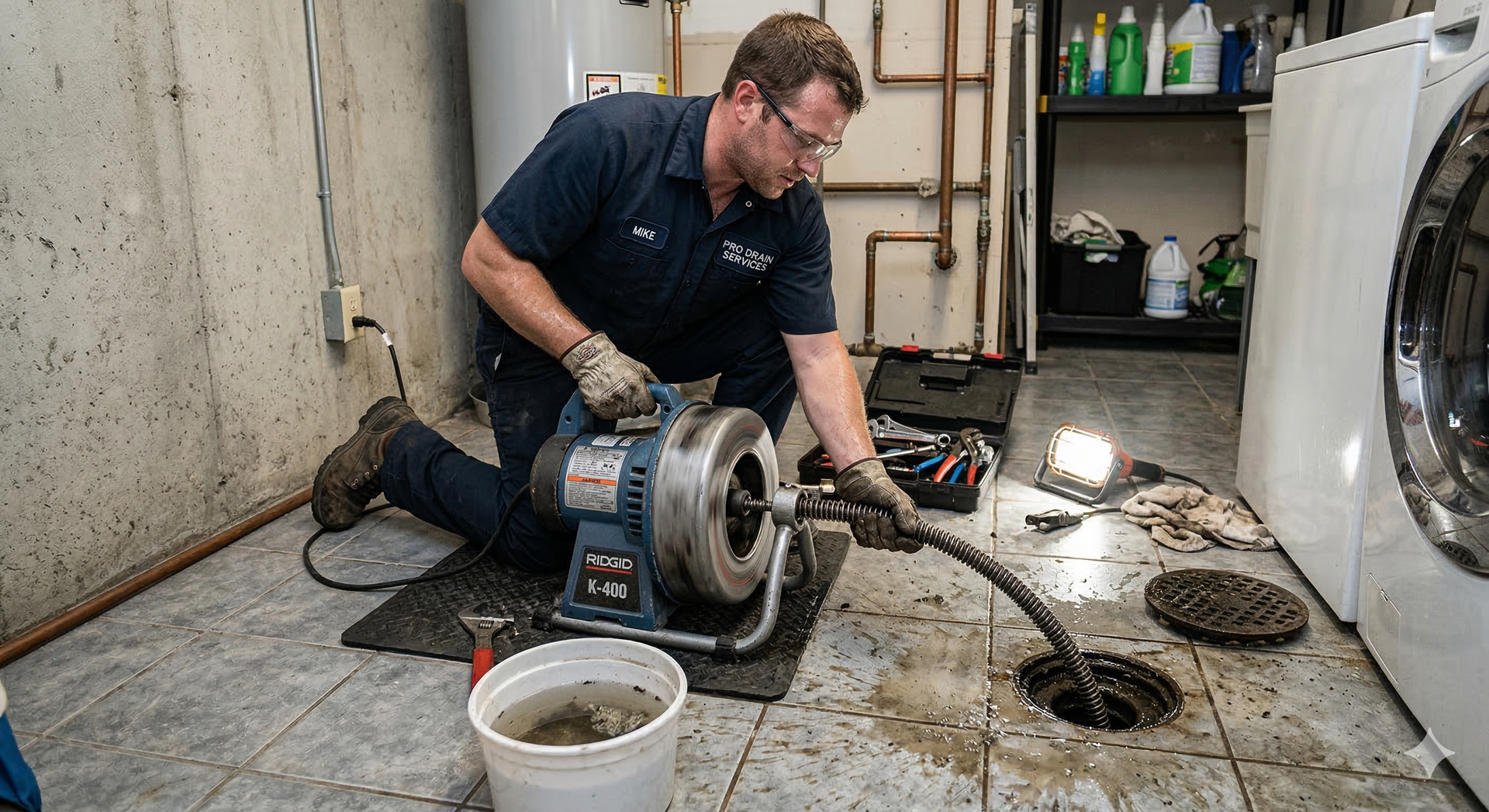
Drain cleaning emerges as the linchpin of prevention, employing high-pressure water jets to scour interiors without residue, restoring full capacity and extending infrastructure life. Service providers equipped with root-cutting augers address invasive growth precisely, ensuring comprehensive renewal. Integrating these practices into household routines intercepts problems at inception, averting the emergency cascade.
Building Resilience with Expert Services
Trusted professionals elevate prevention to strategic fortification, offering diagnostics that reveal interconnected weaknesses across plumbing networks. All City Plumbers exemplifies this expertise, deploying state-of-the-art tools for thorough assessments that inform customized maintenance plans. Their technicians not only clear current obstructions but also advise on reinforcements, ensuring seamless operation year-round.
Emergency services from such teams provide round-the-clock response, equipped for everything from residential laterals to complex stack systems. This reliability transforms potential disasters into controlled resolutions, minimizing downtime and disruption. Homeowners partnering with these experts gain ongoing counsel, from material upgrades to usage optimizations, embedding durability into daily life.
Long-Term Strategies for Plumbing Peace of Mind
Sustaining drain health demands a holistic approach that spans material choices and behavioral shifts. Retrofitting with schedule 40 PVC or copper alloys resists corrosion better than aging galvanized lines, while cleanouts strategically placed facilitate future access. Water softeners mitigate scale in hard-water locales, preserving lumen integrity from the source.
Educating family members on proper disposal—scraping plates over trash rather than sinks, avoiding wipes in toilets—cultivates collective responsibility. Smart leak detectors linked to apps alert to anomalies remotely, enabling preemptive action. These layered tactics build redundancy into your plumbing system, distributing risk and ensuring uninterrupted service through inevitable wear.
Conclusion
In conclusion, recognizing when a slow drain escalates to plumbing emergency hinges on vigilance, understanding root causes, and swift professional engagement. By shunning temporary fixes, embracing drain cleaning, and forging alliances with reliable services, homeowners shield their properties from devastation. This foresight not only curbs costs but upholds the home as a bastion of comfort, where minor signals prompt action rather than alarm. Prioritize these principles today for enduring tranquility tomorrow.