Signs Your Plumbing Needs Emergency Services & How To Respond
Plumbing systems are critical to the functioning and comfort of any home, yet they can sometimes fail unexpectedly, creating urgent and hazardous situations. Recognizing the signs that indicate your plumbing requires emergency services is essential for minimizing damage and ensuring safety. This comprehensive guide explores warning signals of plumbing emergencies, explains appropriate reaction protocols, and clarifies service distinctions to help homeowners manage crises effectively.
Identifying Signs That Demand Emergency Plumbing Services
Certain plumbing issues pose immediate risks to your property and wellbeing, requiring swift professional intervention. Key signs include:
Sudden and Severe Leaks: The rapid appearance of water gushing from pipes, fixtures, or walls signifies a serious failure that can cause extensive water damage and structural compromise.
Burst Pipes: Often related to freezing conditions or deterioration, burst pipes release significant volumes of water uncontrollably, necessitating urgent attention.
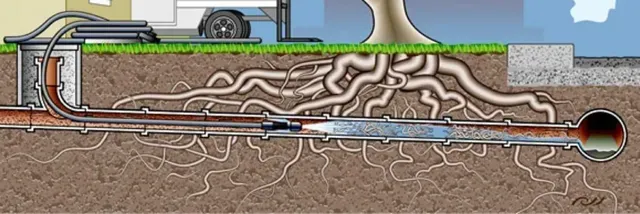
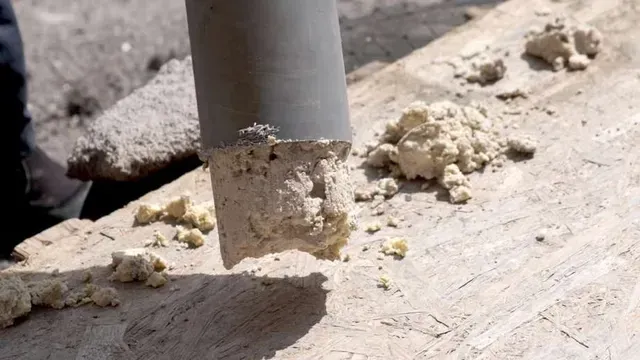
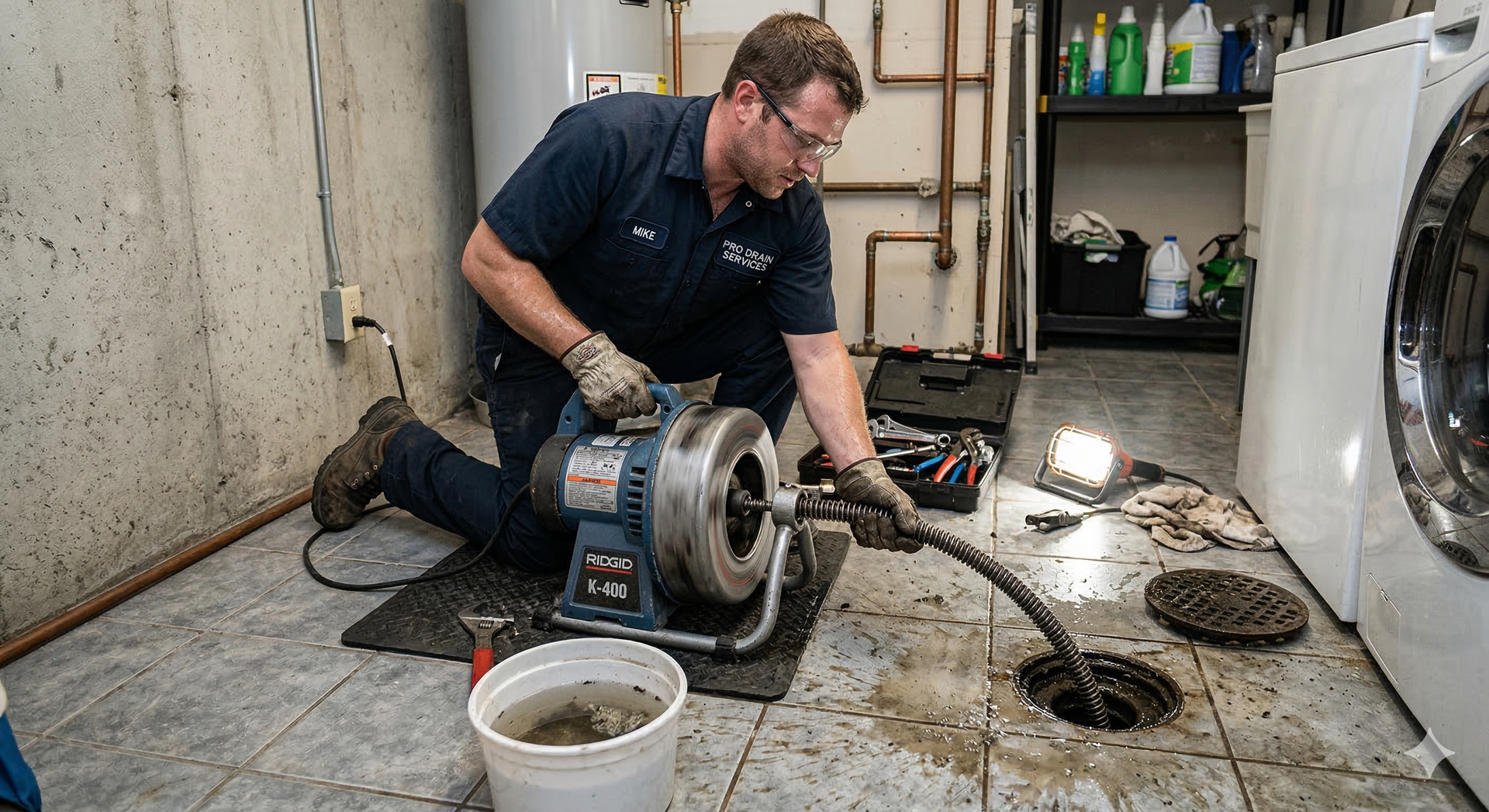
Complete Drain Blockages: When sinks, toilets, or floor drains refuse to drain any water, it indicates severe clogging or pipe collapse potentially leading to sewage backup.
No Water Supply: A sudden loss of water in the entire home or main lines can reflect major damage or valve failure requiring emergency repair.
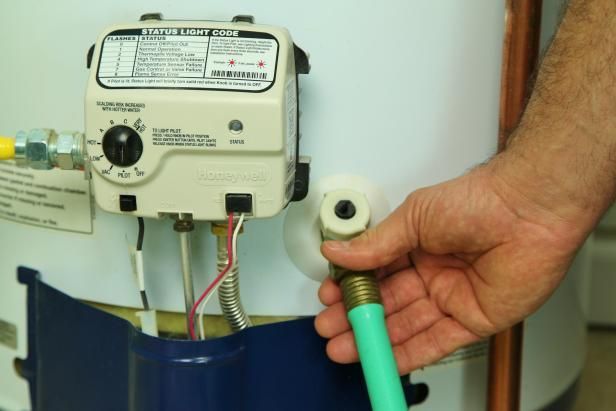
Gas Smells Near Plumbing Fixtures: Gas leaks adjacent to water heaters or other plumbing connections pose a life-threatening hazard needing immediate shutdown and professional response.
Unusual Noises or Odors: Persistent banging noises (water hammer) or foul sewage smells imply internal plumbing faults that could escalate without quick action.
Immediate Steps To Take During Plumbing Emergencies
Facing a plumbing emergency demands calm and informed responses to mitigate risks:
Shut Off Water Supply: Locate and turn off the main water valve to prevent further flooding.
Turn Off Electricity If Needed: In flooding cases near electrical outlets or appliances, shutting off electrical power mitigates electrocution risk.
Contain the Damage: Use buckets, towels, or other materials to limit water spread while awaiting professional help.
Avoid Using Plumbing Fixtures: Cease running water or flushing toilets to reduce pressure on the damaged system.
Document the Issue: Take photos or videos of the damage—helpful for insurance claims and professional assessment.
Contact Trusted Emergency Services: Reach out promptly to reputable specialists such as All City Plumbers for immediate assistance.
Understanding the Roles: Plumbers vs. General Contractors
Navigating emergency repairs effectively requires knowing the difference between a plumber and a general contractor in home repairs. Plumbers specialize specifically in water, gas, and waste systems; they possess the expertise to diagnose and fix urgency plumbing issues swiftly. In contrast, general contractors manage broader home construction or renovation projects, coordinating various trades, including plumbing subcontractors, but are not the primary service providers for immediate plumbing emergencies.
Why Engage Professional Emergency Services
Emergency plumbing demands timely, skilled intervention to prevent escalation and structural damage. Professional services, such as those offered by All City Plumbers, bring critical advantages:
Certified Expertise: Trained, licensed plumbers equipped with specialized tools and knowledge.
Rapid Response: Availability for urgent calls day or night, reducing waiting times.
Comprehensive Solutions: Capability to address not only visible symptoms but underlying causes.
Safety Assurance: Proper protocols to handle hazardous conditions such as gas leaks or contaminated water.
Preventative Measures to Reduce Plumbing Emergency Risks
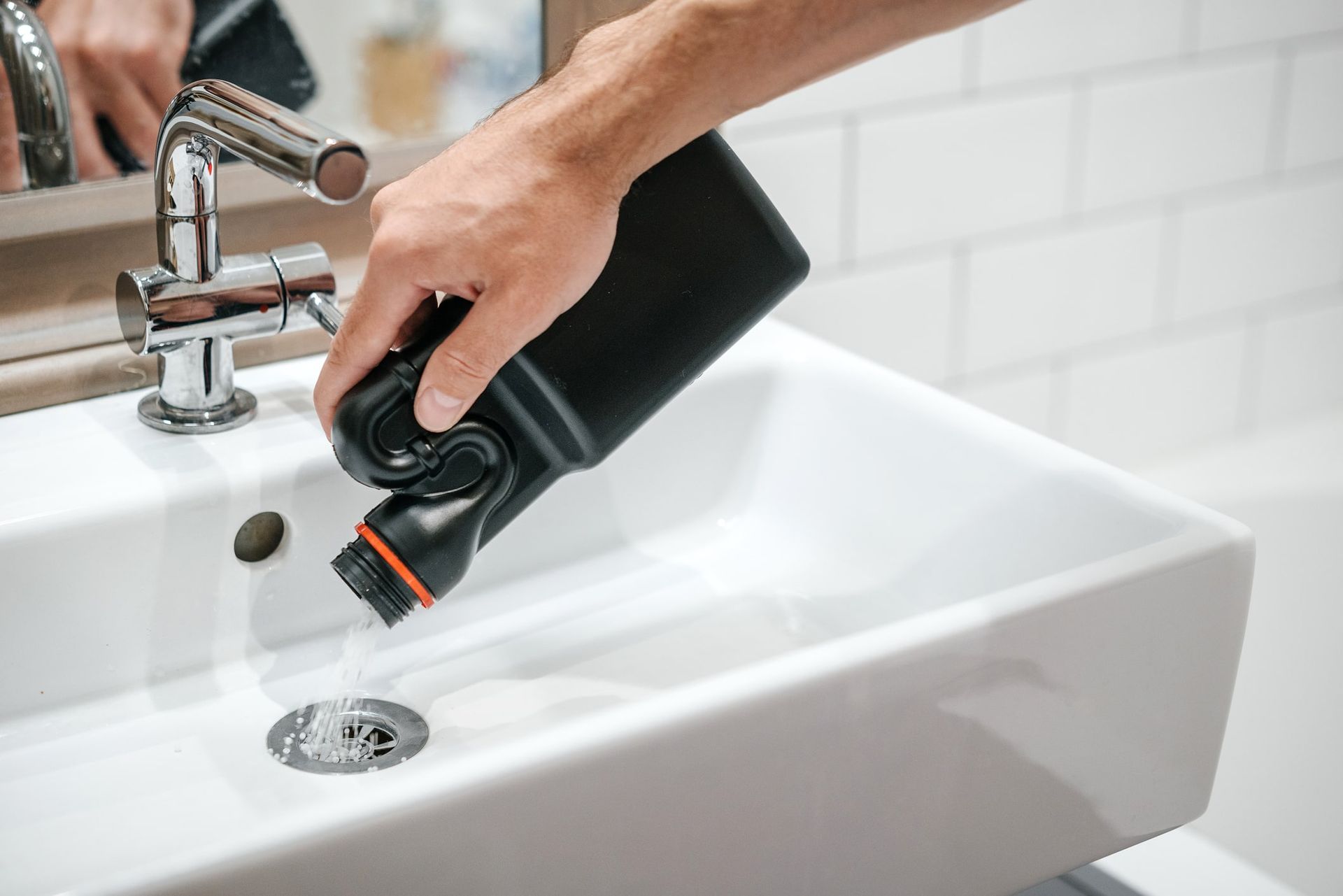
Regular maintenance includes inspecting pipes, cleaning drains, and servicing fixtures to detect potential failures early. Avoid flushing inappropriate materials and protect pipes from freezing. Scheduling routine professional check-ups with trusted plumbers also strengthens system reliability.
Conclusion
Timely recognition of plumbing emergency signs and knowing how to respond can spare homeowners from costly repairs and stressful damage control. Engaging expert emergency services like All City Plumbers ensures prompt and effective resolution, while understanding the difference between plumbers and general contractors helps direct concerns properly. Combining awareness with proactive maintenance offers the best defense against urgent plumbing failures and secures home safety and comfort.