What's A Backflow Preventer And Why You Need A Plumber To Install It?
A backflow preventer is a crucial plumbing device designed to protect your clean water supply from contamination caused by the unwanted reverse flow of water. It ensures that potable water flows in only one direction, preventing hazardous substances from entering through cross-connections in your plumbing system. Installing a backflow preventer is not just about compliance with standards but also about safeguarding your health and property. This article explores what a backflow preventer is, why it is essential, and why professional installation by a qualified plumber is highly recommended.
What Is a Backflow Preventer?
A backflow preventer is a mechanical valve or assembly placed in a water supply line to stop backflow — the backward flow of water or other liquids, gases, or substances into the potable water system. This phenomenon can happen when there is a sudden drop in water pressure, resulting from events like water main breaks or high demand on the supply line.
Backflow preventers come in various types, including reduced pressure zone devices (RPZ), double check valves, and vacuum breakers. Each type serves a specific purpose and level of protection suited for different applications, such as residential homes, commercial buildings, or industrial facilities.
By ensuring that contaminants from irrigation systems, industrial fluids, or even wastewater do not flow back into drinking water, backflow preventers play an essential role in public health and safety. Without these devices, substances like fertilizers, pesticides, or harmful bacteria could end up in your household tap water.
Why You Need a Backflow Preventer?
The primary reason to have a backflow preventer is to protect your drinking water from contamination. Clean water is vital not only for drinking but also for cooking, cleaning, and personal hygiene. Contaminated water can cause serious health risks and may result in costly damage to your home plumbing.
Furthermore, many local governments and water authorities mandate the installation of backflow preventers in certain properties to comply with public health regulations. Failing to install one can lead to legal penalties, fines, or even disconnection from the municipal water supply.
Beyond regulation, a backflow preventer provides peace of mind. Whether it is protecting against cross-connections in a home irrigation system or preventing contaminants from industrial or commercial processes, the device functions as a critical safeguard.
Why You Need a Plumber to Install a Backflow Preventer?
While the function of a backflow preventer might seem straightforward, its installation requires specialized knowledge and precise execution. This is why engaging a professional plumber, such as those from All City Plumbers, is essential.
Firstly, plumbers possess an in-depth understanding of local plumbing codes and regulations related to backflow prevention. They know which type of preventer suits your property’s specific needs and how to position it properly to maximize efficiency and compliance.
Secondly, improper installation can cause the device to malfunction, leading to potential contamination risks or costly repairs. Certified plumbers have the tools and skills to thoroughly test and certify that the backflow preventer works as intended, ensuring your safety.
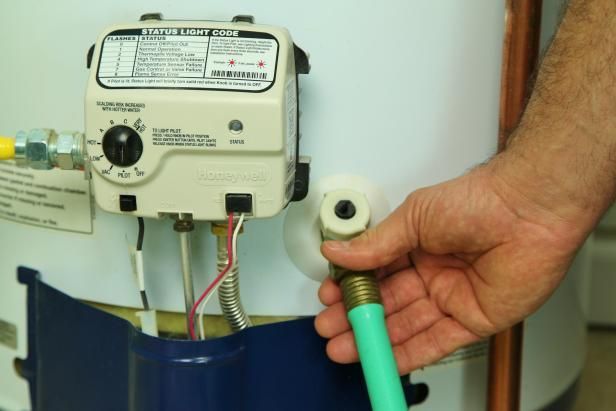
Moreover, installation by a professional plumber ensures integration with the rest of your plumbing system, including complexities that may arise if your water supply has outdated components or if you are upgrading to a heat pump water heater, which can sometimes affect system pressures and flow dynamics.
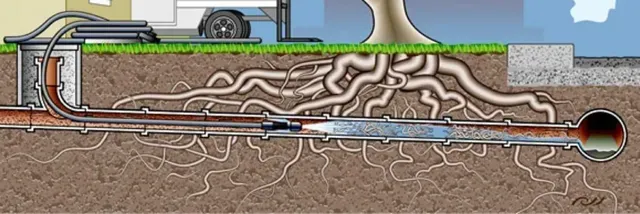
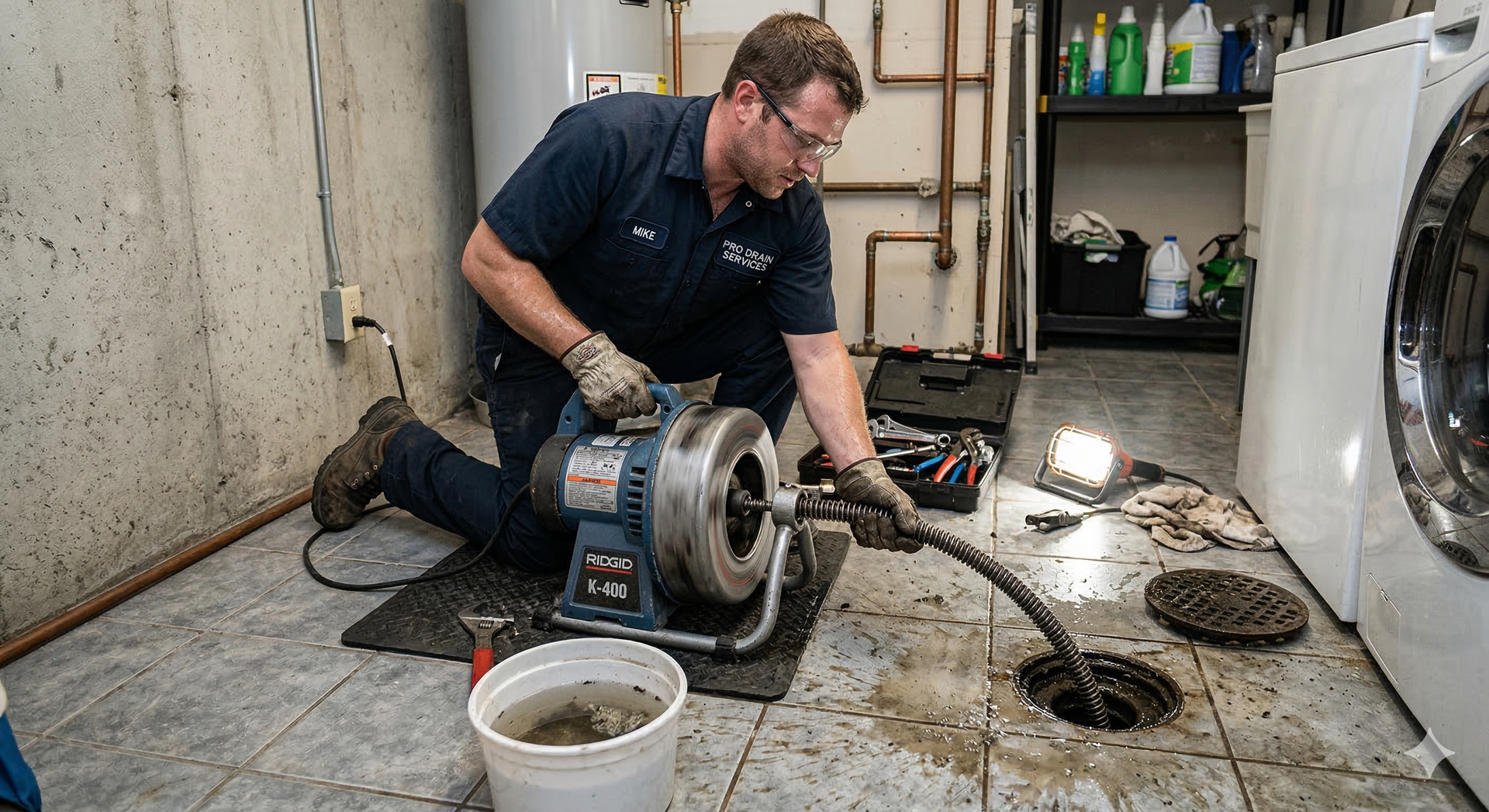
Lastly, professional installation often comes with service guarantees. If anything goes wrong, reputable plumbers like All City Plumbers will provide the necessary adjustments, maintenance, or even emergency drain clearing services to keep your system operating optimally.
Additional Benefits of Professional Plumbing Services
Beyond the immediate installation, working with skilled plumbers offers ongoing benefits that protect the investment in your plumbing infrastructure.
For instance, professional plumbers provide routine inspections to detect wear or failures early, preventing backflow issues before they occur. They also offer valuable advice on system upgrades and maintenance schedules, which may include adjustments necessary when you’re upgrading to a heat pump water heater to ensure system balance.
Additionally, many plumbing companies offer comprehensive services, including emergency drain clearing, to tackle unexpected blockages that could affect the overall water system’s functionality and pressure, indirectly impacting the efficacy of your backflow preventer.
Conclusion
A backflow preventer is a vital safeguard against water contamination, playing an essential role in maintaining clean and safe water in your home or business. Given the technical complexity and the critical nature of the device, installation by a certified plumbing professional is indispensable.
Choosing expert plumbers, like All City Plumbers, guarantees compliance with local codes, precise installation, and reliable performance. Their expertise extends beyond just installation—providing ongoing maintenance and support, including urgent services like drain clearing, to maintain your water system’s health and efficiency.
Investing in proper backflow prevention and professional installation not only protects your water supply but also ensures the longevity and safety of your entire plumbing system.