Know When to Shut Off Water to Your Entire Block?
Water is a household lifeline, but emergencies demand decisive action to prevent widespread damage. Shutting off water to your entire block—accessing the main shutoff valve at the street or municipal line—represents an extreme measure reserved for uncontrollable leaks or system failures threatening multiple properties. Homeowners rarely need this step, as most issues resolve at the fixture or meter level, but knowing when to escalate protects neighbors, infrastructure, and your liability.
Urban plumbing networks interconnect homes via shared mains, so a single catastrophe can cascade. Delaying shutoff risks flooding basements, eroding foundations, or contaminating supplies. This guide details precise scenarios warranting block-wide isolation, procedures, legal considerations, and alternatives, empowering you to act responsibly without overreach.
Uncontrollable Major Leaks
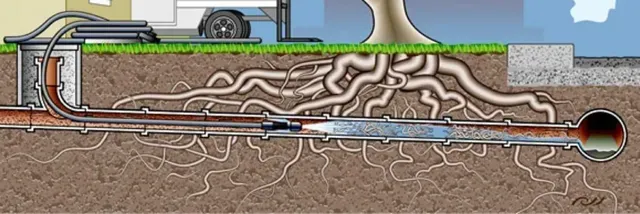
The clearest trigger for a whole-block shutoff is a massive, unstoppable leak flooding streets or properties. Picture a burst main line under pressure, geysering water 20 feet high after a pipe snaps from freezing, corrosion, or ground shift. Individual valves fail if the break sits downstream, saturating multiple homes and risking electrical hazards or sinkholes.
In apartment complexes or tight neighborhoods, one home's rupture affects the shared feeder line. Water volume overwhelms sump pumps, prompting evacuation. Assess flow rate: if exceeding 10 gallons per minute unchecked, isolate the block immediately. All City Plumbers responds to these nightly, stressing that hesitation escalates repair costs from thousands to tens of thousands. Prioritize human safety over property.
Contaminated Water Supply
Pollution in the main line necessitates urgent shutoff to safeguard public health. Backflow from cross-connections—like a homeowner's chemical injector failing—introduces bacteria, chemicals, or sewage into potable lines. Symptoms include foul odors, discoloration, or illness reports from multiple homes.
Aging infrastructure leaks allow groundwater contaminants, such as pesticides or industrial runoff, to infiltrate. Health departments mandate isolation if tests confirm E. coli or heavy metals above safe levels. Symptoms spread block-wide, demanding quarantine of the supply. Do not delay for lab results if visual cues like milky water or dead fish in street puddles appear—shutoff halts exposure.
Catastrophic Pressure Failures
Extreme pressure anomalies signal systemic rupture, requiring block isolation. Water pressure spiking after plumbing repairs often uncovers hidden main breaks, where repairs dislodge debris or weaken seals, surging to 150 psi and shattering fixtures citywide. Meters peg at maximum, pipes groan, and toilets overflow spontaneously.
Sudden drops below 10 psi across homes indicate massive downstream breaches. Gauges confirm; if neighbors report identical issues, the main is compromised. Freeze-thaw cycles exacerbate this in winter, cracking cast-iron lines. Immediate shutoff prevents secondary bursts from over-stressed laterals.
Natural Disasters and Structural Threats
Earthquakes, floods, or landslides trigger precautionary shutoffs to avert compounded disasters. Seismic activity shears mains, while floods erode supports, risking collapses. Municipal alerts often precede, but visible heaving ground or tilting meters demand action.
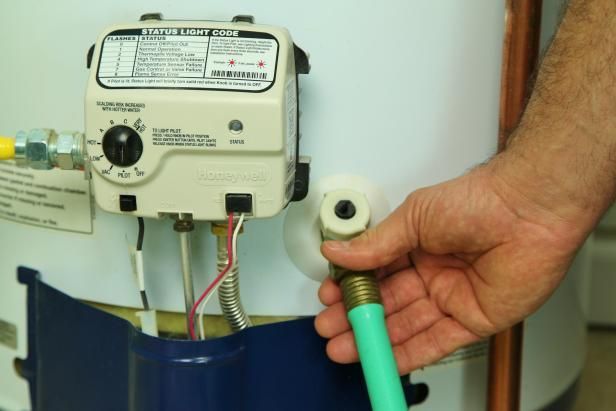
Hurricanes snap overhead lines feeding pressurized systems. In high-rises, roof tank failures cascade downward. Coordinate with authorities, but unilateral shutoff protects if response lags. Water heaters connected to mains amplify risks, as bursts flood tanks, scalding contents onto floors.
Step-by-Step Shutoff Procedure
Locate your block's main valve—typically a gate or ball valve in a curb box near the street corner, marked by a blue cap. Use a pentagon wrench (street key) purchased at hardware stores. First, notify neighbors via doorbells or apps, then call utility emergency lines (dial 811 first for locates).
Open the curb box lid carefully, avoiding live wires. Insert the wrench and turn clockwise firmly but slowly—expect resistance from disuse. Confirm flow cessation at nearby fixtures. For sub-mains, trace to the meter cluster. Document time, conditions, and photos for insurers. Restoration requires pros to repressurize and test.
Legal and Safety Considerations
Shutting off block water carries responsibilities. Unauthorized tampering violates utility codes in many areas, incurring fines up to $1,000 or liability for downstream damages. Always call the water department first; they handle mains legally. Private communities may empower HOAs, but verify bylaws.
Safety protocols include wearing gloves, vests, and using traffic cones at night. Avoid digging without locates—lines run shallow. Gas/electric shutoffs pair with water isolation in floods. Insurance covers authorized actions; document everything.
Alternatives to Full Block Shutoff
Exhaust targeted options first. Fixture valves stop sink/toilet leaks. Curb stops isolate single homes. Pressure relief valves vent overpressure. Temporary sandbags or pumps manage floods. For contamination, boil advisories suffice short-term.
Tech aids like smart leak detectors alert before escalation. Annual inspections prevent 80% of crises.
Conclusion
In conclusion, shutting off water to your entire block should be treated as a last-resort safeguard reserved for severe, uncontrollable situations—such as major leaks, contamination risks, extreme pressure failures, or large-scale disasters that threaten lives and property. These scenarios can escalate rapidly, causing structural damage, health hazards, and widespread disruption if not contained promptly.
Before taking such action, it’s critical to assess the situation carefully, consider potential downstream impacts on neighbors and essential services, and ensure compliance with local regulations. Whenever possible, coordinate with municipal authorities or licensed professionals who can manage the shutdown safely and efficiently. Acting swiftly but thoughtfully helps contain damage, reduces panic, and preserves the integrity of shared infrastructure, ensuring the community can recover with minimal long-term consequences.