Tankless Water Heaters: Pros, Cons, and Is It Right for Your Home
Tankless water heaters, also known as on-demand systems, have revolutionized residential hot water delivery by heating water instantaneously as it flows through the unit, eliminating the energy losses associated with storing large volumes of heated water in traditional tanks. These compact devices promise endless hot water supply, substantial energy savings, and space efficiency, making them increasingly popular among homeowners seeking modern upgrades. However, their higher upfront costs, potential flow limitations, and specific installation requirements warrant careful evaluation to determine suitability for your household. This in-depth analysis explores the mechanics, advantages, drawbacks, installation considerations, maintenance needs, and decision-making framework, providing homeowners with authoritative insights drawn from decades of plumbing industry experience to assess whether tankless technology aligns with your lifestyle and infrastructure.
How Tankless Water Heaters Work
Tankless water heaters operate on a heat exchanger principle, where cold incoming water passes through a coiled copper or stainless steel pathway while gas burners or electric coils activate precisely to raise temperatures to the set point, typically 105 to 120 degrees Fahrenheit. Advanced flow sensors detect demand within milliseconds, modulating burner output via modulating flames or variable-resistance heating elements to match usage precisely, achieving thermal efficiencies up to 99 percent for condensing gas models that recapture exhaust heat. This instantaneous process contrasts sharply with tank systems, which cycle on-off to maintain standing volumes, incurring standby losses of 10 to 20 percent daily.
Gas-powered units, prevalent in 80 percent of installations, require venting configurations like direct-vent coaxial pipes or power-vent blowers expelling combustion byproducts through sidewalls, while electric variants draw from dedicated 240-volt circuits rated 100 to 150 amps. Flow rates, measured in gallons per minute (GPM), dictate capacity—whole-house models handle 8 to 10 GPM at moderate temperature rises, sufficient for two simultaneous showers plus a dishwasher. Microprocessors optimize performance through self-calibration, adapting to groundwater temperatures that vary seasonally from 40 to 70 degrees.
Understanding these dynamics reveals tankless systems as precision appliances rather than bulk storage, excelling in intermittent demand patterns common to modern homes.
Key Advantages of Tankless Systems
The primary allure of tankless water heaters lies in their exceptional energy efficiency, slashing utility bills by 30 to 50 percent compared to tank counterparts through elimination of standby losses, as verified by Department of Energy field studies tracking households over five years. Endless hot water supply transforms morning routines, accommodating back-to-back showers or guest surges without temperature dips, ideal for families of four or larger where traditional 50-gallon tanks deplete in 20 minutes under heavy use.
Space savings prove transformative: wall-mounted units occupy a mere 18 by 24 inches versus 4-foot-tall cylinders, reclaiming closets or garages for storage in urban dwellings. Longer lifespans averaging 20 years—double tank averages—stem from reduced corrosion exposure, backed by manufacturer warranties extending to 15 years on heat exchangers. Qualifying models earn ENERGY STAR ratings, unlocking federal tax credits up to $600 and local rebates amplifying returns.
Environmental benefits compound appeal: lower natural gas consumption cuts carbon emissions by 1,500 pounds annually per household, while compact footprints minimize material use. These advantages position tankless heaters as forward-thinking choices for efficiency-focused renovations.
Potential Drawbacks and Limitations
Despite compelling benefits, tankless water heaters present challenges that demand realistic assessment, starting with upfront costs ranging $1,000 to $4,000 installed—triple tank equivalents—necessitating three to seven-year paybacks via savings alone. Flow capacity constraints emerge during peak demands: a single 2.5 GPM showerhead plus faucet exceeds many entry-level units' 4 GPM threshold for 50-degree rises, causing cold bursts in larger homes unless multiple units cascade.
Installation complexities escalate expenses: gas models require venting retrofits potentially piercing exteriors, while electrical upgrades strain panels in pre-1980 homes built for 60-amp services. Initial mineral flushing proves essential in hard water areas, as scale accumulation halves efficiency within years absent proactive maintenance. Recirculation loops, solving wait times, add $500 and pumps drawing continuous power.
Noise from modulating fans registers 50 decibels during activation, audible in adjacent living spaces. These factors underscore selective suitability, rewarding informed deliberation over impulse upgrades.
Installation Requirements and Considerations
Successful tankless integration hinges on meticulous site preparation and professional execution to harness full potential without compromising safety or performance. Location demands proximity to gas meters or electrical panels within 50 feet, with clearances of 24 inches for service access and combustion air intakes shielded from weather. Gas lines upsizing to 3/4-inch accommodates 199,000 BTU demands, while condensate drains route acidic runoff to neutralizers preventing sewer corrosion.
Water quality profoundly influences longevity: pre-filters and softeners precede units in regions exceeding 7 grains per gallon hardness, extending exchanger life fivefold. Electrical installations mandate arc-fault breakers and copper wiring sized AWG 4 for minimal voltage drops. All City Plumbers excels in these assessments, conducting load calculations and permitting navigation to ensure code-compliant outcomes.
Whole-house sizing formulas multiply fixture GPMs by temperature rise—groundwater at 50 degrees needing 70-degree output for showers demands 9 GPM minimum—guiding precise model selection. Thoughtful planning averts underperformance pitfalls.
Maintenance and Longevity Strategies
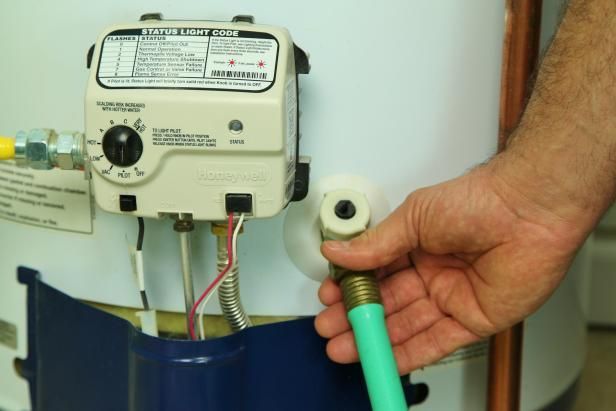
Tankless water heaters thrive under diligent care, with annual descaling via vinegar flushes dissolving limescale that impedes flow sensors and exchangers, restoring 95 percent efficiency per manufacturer protocols. Filters clean quarterly to exclude sediments, while gas orifices inspect for spider webs blocking ignition. Smart diagnostics display error codes like 11 for ignition failures, prompting timely interventions.
Water heaters of this type demand annual anode checks, though stainless variants minimize needs; venting sweeps annually prevent carbon buildup. Professional servicing every 24 months verifies combustion analysis and pressure switches, catching issues preemptively. These routines yield the promised 20-year spans, far outpacing tanks.
Cost Analysis and Financial Incentives
Financial viability crystallizes through lifecycle costing: despite $2,500 average installs, $300 annual savings recoup investments swiftly, amplified by 30 percent efficiency gains over propane tanks. Pairing with complementary upgrades like conserve water and reduce utility bills with low-flow toilets accelerates returns, as reduced hot water demands optimize modulation.
Incentives abound: Inflation Reduction Act credits offset 30 percent, utility programs rebate $400, and property tax exemptions reward green upgrades. ROI calculators project personalized trajectories, factoring local rates and usage profiles.
Is Tankless Right for Your Home?
Decision frameworks weigh household size, fuel availability, and renovation timelines: families under three with gas infrastructure gain most, while electric-only rural homes favor point-of-use minis. Consult load audits confirming BTU adequacy before committing, as retrofits falter without capacity.
Future-proofing favors tankless amid rising efficiencies projected at 0.96 uniform energy factors by 2030. Trial rentals offer low-risk trials.
Conclusion
Tankless water heaters offer transformative efficiency, endless supply, and longevity tempered by costs, sizing demands, and maintenance rigor, demanding tailored evaluation for residential fit. Weighing operational mechanics, pros like savings against cons like flow limits, alongside installation savvy and financial modeling, guides optimal choices. Professional consultations ensure seamless integration, unlocking sustainable hot water that endures for decades while conserving resources effectively.