4 Effective Ways to Unclog a Kitchen Sink

Youmna Rehman

We've all been there, right? Standing over a clogged kitchen sink, watching the water stubbornly refuse to drain, and feeling that frustration build up. It's a real hassle, but don't worry – I've got your back. In this guide, we'll dive into four effective ways to unclog that kitchen sink of yours. From using a specialty plunger to calling in the pros, you'll find everything you need to get your sink back in working order. Ready? Let’s get started.

Plunge the Kitchen Sink with a Specialty Plunger

First up, let’s talk plungers. But not just any plunger – you’ll want one designed specifically for sinks. These plungers are shaped differently from the ones you might use in the bathroom, giving them better suction to tackle sink clogs. Here’s what you do: fill the sink with enough water to cover the plunger's head, position it over the drain, and start plunging with steady, firm motions. Avoid the temptation to go too fast – a consistent rhythm works best. In no time, you should start to see the water moving, signaling the clog is loosening up.


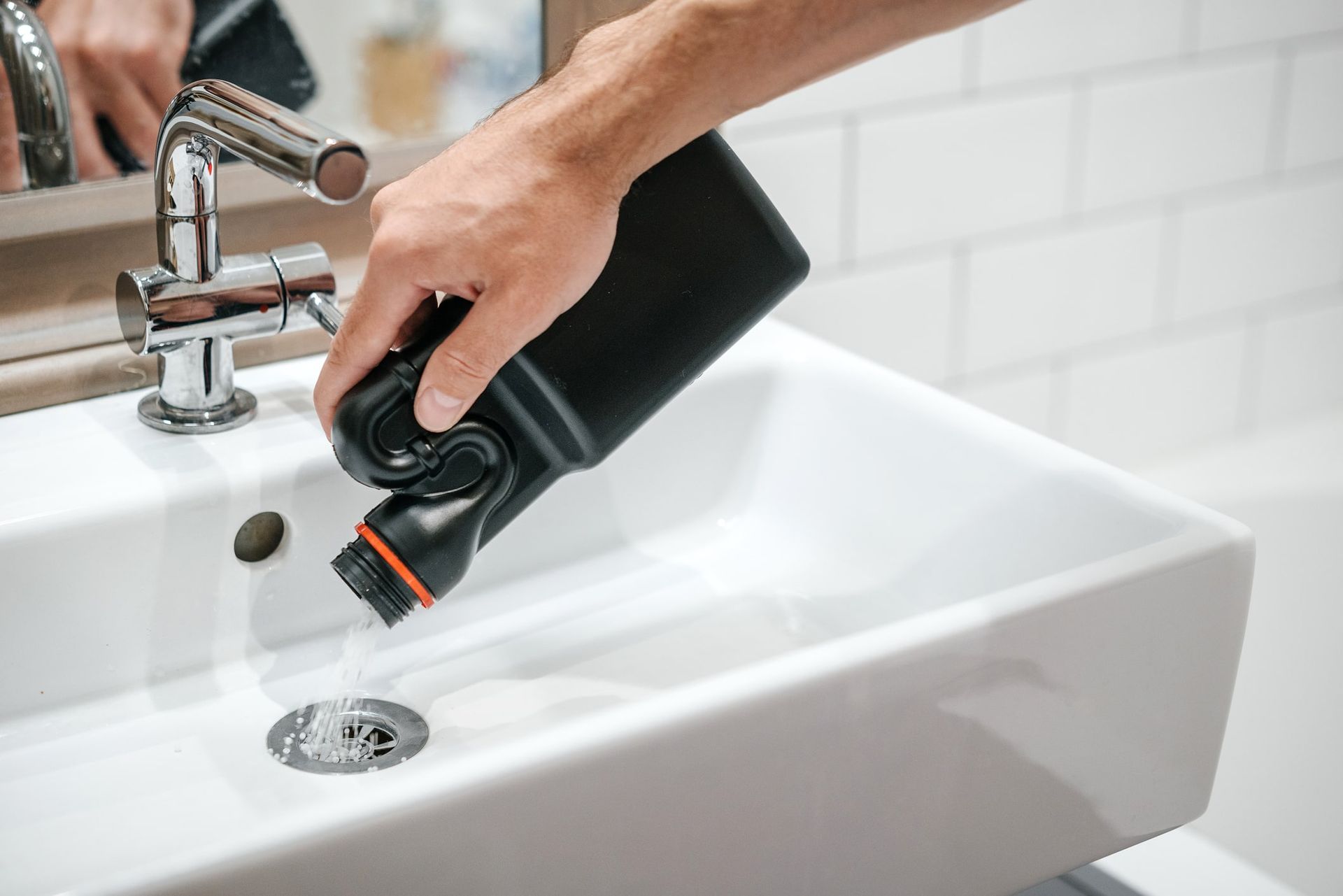
Dissolve the Clog with Drain Opening Products

If the plunger doesn’t do the trick, it’s time to break out the drain opening products. These come in two main types: chemical and enzymatic. Chemical cleaners work fast but can be harsh on your pipes and the environment. Enzymatic cleaners are a gentler, eco-friendly option that uses natural enzymes to eat away at the clog. Whichever you choose, be sure to follow the instructions on the label carefully. Pour the product down the drain, let it sit for the recommended time, and then flush with hot water. Safety first – wear gloves and ensure the area is well-ventilated.


Use Boiling Water to Remove the Clog

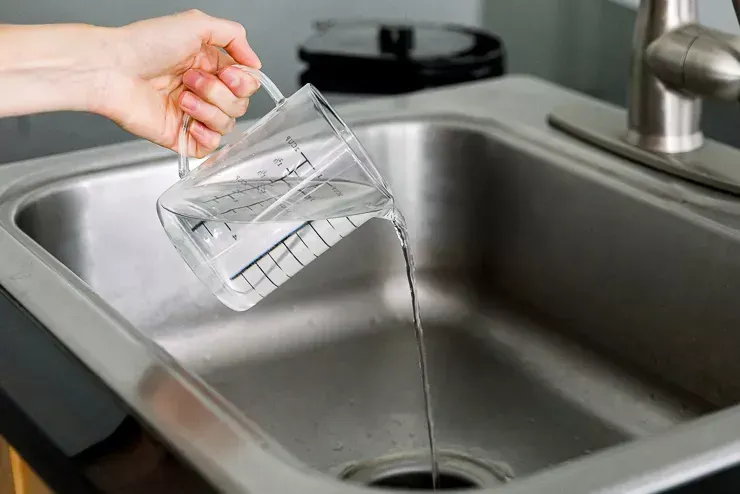
Next, let’s look at a method that’s both simple and effective: boiling water. This works particularly well for clogs caused by grease or soap buildup. Boil a large pot of water and carefully pour it down the drain in stages, giving it a moment to work between pours. The heat helps to melt and dislodge the clog, allowing it to flow down the pipes. Just be cautious – this method isn’t suitable for sinks with plastic pipes, as the high temperature can cause damage.
Dissolve the Clog with Baking Soda and Vinegar

For those who prefer a natural solution, the dynamic duo of baking soda and vinegar is your best friend. Start by pouring a cup of baking soda down the drain, followed by a cup of vinegar. You’ll hear fizzing – that’s the reaction breaking down the clog. Let the mixture sit for about 15 minutes, then flush with hot water. This method is great because it’s safe, environmentally friendly, and you probably already have these ingredients in your kitchen.


Call a Professional

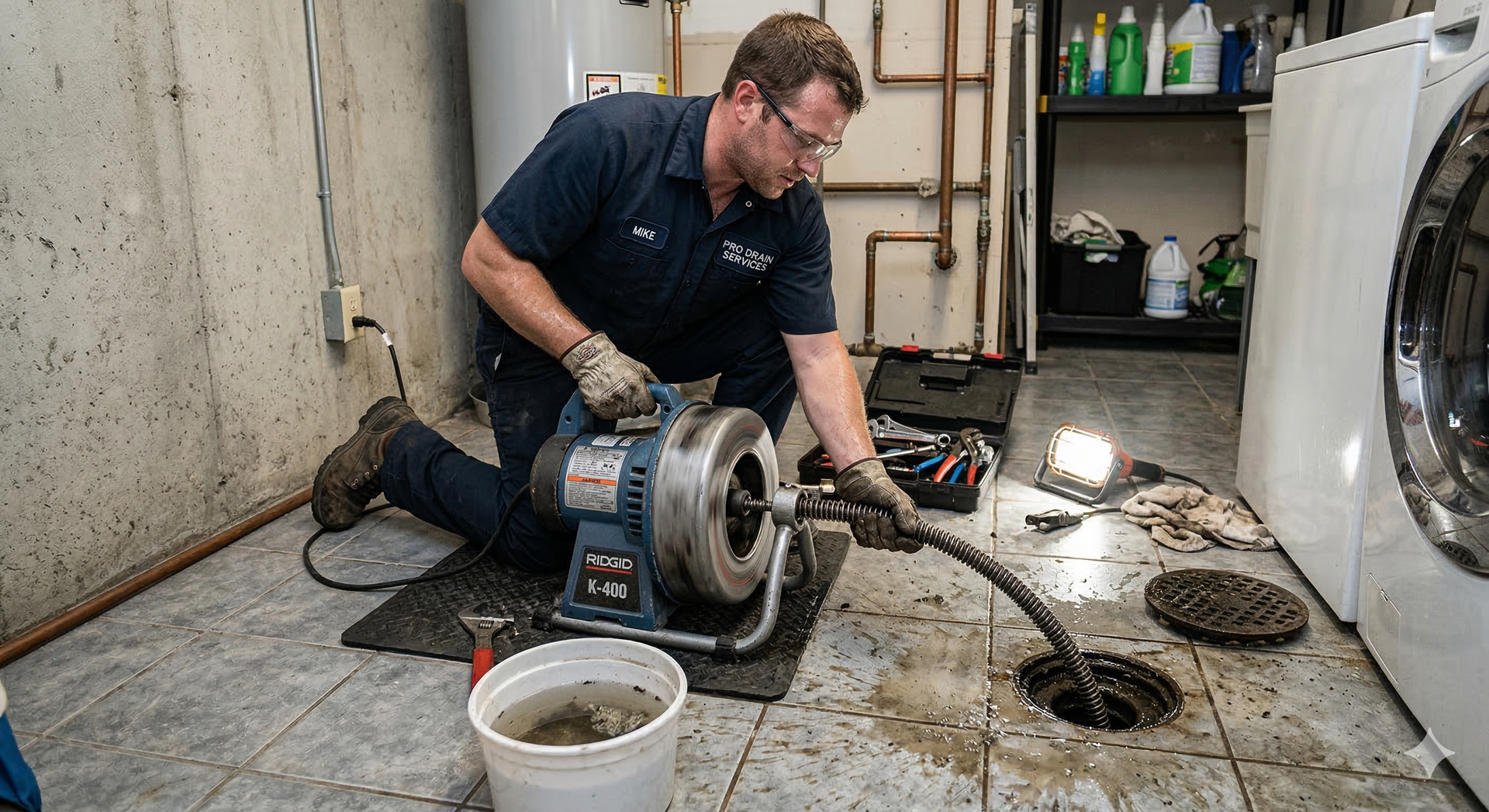
Sometimes, despite your best efforts, the clog just won't budge. That’s when it’s time to call in a professional plumber. If you notice persistent issues like water backing up, slow drainage, or unpleasant odors, these are signs of a more severe clog that needs expert attention. Look for a reputable plumber in your area who can assess and address the problem safely and efficiently.


Conclusion

So, there you have it – four effective ways to tackle a clogged kitchen sink. From plunging and boiling water to using natural solutions like baking soda and vinegar, you’ve got plenty of options to try before calling in a pro. Remember, regular maintenance can help prevent future clogs, keeping your kitchen sink running smoothly. Happy unclogging!
5 Ways You’re Ruining Your Drains (and What You Can Do)

What You Can Do About A Gurgling Noise In Your Sink

Choosing Plumbing Materials: Copper, PEX, PVC, & Other Options
by Hadi Masood 12 December 2025
Guide to choosing plumbing materials: copper, PEX, PVC pros/cons, tankless water heater compatibility, and drain clearing tips from All City Plumbers.
by Hadi Masood 11 December 2025
Deciding when to repair or replace your water heater is a vital consideration that impacts home comfort, safety, and energy efficiency. Water heaters are essential household appliances that provide hot water for bathing, cooking, and cleaning, and their performance can significantly influence utility costs and quality of life. Understanding the signs that indicate repair or replacement needs, as well as evaluating the conditions favoring each option, enables homeowners to make informed decisions. This comprehensive article covers these aspects in detail, incorporating valuable information from professionals such as All City Plumbers, insights from tankless water heaters, and the importance of emergency services for critical situations. Recognizing Signs That Repair is Needed Water heaters, like any mechanical system, may experience malfunctions or inefficiencies over time. Early identification of repair needs can extend the life of the unit and prevent costly replacements. Common signs requiring repair include inconsistent water temperature, strange noises such as rumbling or popping caused by sediment buildup, water leaks near the tank or connections, and longer than usual recovery times for heating. Ignoring these symptoms can exacerbate damage, leading to more extensive and expensive repairs. Homeowners should prioritize regular maintenance inspections, ideally conducted by trusted professionals such as All City Plumbers, who can diagnose issues comprehensively and recommend effective repair strategies. In some cases, simple fixes like replacing thermostats or flushing mineral deposits restore functionality efficiently without necessitating full replacement. When Replacement Becomes the Best Option Despite repairs, there comes a time when replacing a water heater is more cost-effective and safer than patching existing problems. Factors influencing the decision to replace include the age of the unit—typically over 10 to 15 years for traditional tanks—repeated and escalating repair costs, inconsistent water quality, and significant leaks that compromise structural integrity. Additionally, adopting new technologies can justify replacement. Tankless water heaters insights reveal their advantages in energy efficiency, longer service life, and space-saving designs compared to conventional models. Upgrading to a tankless system presents opportunities for homeowners looking to reduce energy consumption and enjoy continuous hot water. Professional plumbers, including All City Plumbers, can provide expert evaluations to identify ideal replacement systems tailored to household needs and budgets. Safety Concerns and Emergency Services A malfunctioning water heater can pose safety hazards such as leaks that damage property or, in the case of gas-powered units, risks of carbon monoxide leaks or explosions. Recognizing emergency signs—unusual smells, visible corrosion, or sudden loss of hot water—requires immediate attention. In these instances, accessing emergency services is crucial to prevent injuries or extensive damage. Emergency response teams dispatched by experienced plumbing services expedite diagnosis and mitigate risks, often providing temporary solutions such as shutoff assistance or temporary heating options while permanent repairs or replacements are scheduled. Homeowners are encouraged to establish relationships with reputable providers like All City Plumbers to ensure prioritized emergency support when critical. Maintenance and Longevity Considerations Regular maintenance positively influences whether a water heater can be repaired or requires replacement. Tasks like flushing the tank, inspecting anode rods, and checking for leaks enhance efficiency and delay deterioration. Maintenance regimens tailored to specific systems, including tankless water heaters, further optimize performance and longevity. Professional plumbing companies emphasize preventive care that minimizes unscheduled downtime and maximizes appliance lifespan. Integrating maintenance with proactive monitoring helps identify gradual decline early, allowing timely interventions and cost-effective upkeep. Environmental and Economic Impacts of Repair vs. Replacement Homeowners also weigh environmental and financial factors when deciding between repair and replacement. Newer water heaters, especially tankless models, conform to stringent energy standards reducing carbon footprints and lowering monthly bills. Repairing outdated or inefficient units might temporarily save money but could result in higher operational costs and environmental impacts. Energy rebates, incentives, and financing options offered for upgrades enhance affordability, and professional consultations with experts like All City Plumbers help balance upfront investments with long-term savings. Such holistic considerations ensure that each household’s decision supports sustainability goals alongside comfort and budget priorities. Conclusion Determining when to repair or replace a water heater involves evaluating performance issues, safety concerns, age, and economic factors, supported by expert advice from seasoned plumbers and modern technological insights. Proactive maintenance can defer replacement, but timely transitions to advanced systems, including tankless water heaters, often bring superior efficiency and reliability. Equally, preparedness for emergencies through access to prompt services mitigates risks. Trustworthy services like All City Plumbers provide comprehensive, tailored solutions ensuring homeowners enjoy safe, consistent hot water with optimal investment returns.
Backflow Prevention Tips for Clean, Safe Water
by Hadi Masood 10 December 2025
Expert backflow prevention tips for safe, clean water: inspections, installations, and emergency response from pros like All City Plumbers
Sump Pump Maintenance Tips for Flood Prevention
by Hadi Masood 9 December 2025
Essential sump pump maintenance tips for effective flood prevention, including inspections, battery backups, and professional repair advice from experts like All City Plumbers
New Construction Plumbing Guide: The Plumber’s Key Role Explained
by Hadi Masood 8 December 2025
Discover the plumber's essential role in new construction plumbing, from design and rough-in to sump pumps and tankless water heaters. A complete guide for builders and homeowners.
Plumbing for Home Renovations: Planning Your Project for Success
by Hadi Masood 30 November 2025
Plan your home renovation plumbing project for success with expert tips on layout, fixture selection, and installation. Learn how All City Plumbers can help keep drains flowing smoothly and optimize water heater setups.
Tankless Water Heaters Insights: Benefits, Installation & Cost
by Hadi Masood 30 November 2025
Learn the benefits, installation considerations, and costs of tankless water heaters. Discover tips on winter water heater maintenance and expert advice from All City Plumbers on efficient water heating solutions.
Stop Clogged Drains: Simple Habits for Healthy Plumbing
by Hadi Masood 30 November 2025
Discover simple habits to prevent clogged drains and keep your plumbing healthy. Learn expert tips on drain clearing and say goodbye to stubborn clogs with All City Plumbers' guidance.
Garbage Disposal Best Practices: Maintenance Tips for Longevity
by Hadi Masood 30 November 2025
Learn best practices for maintaining your garbage disposal to ensure longevity and prevent costly repairs. Discover expert tips from All City Plumbers on repair, replacement, and how to choose the right faucet for your home.
Efficient Shower Head Upgrades for a Better Shower Experience
by Hadi Masood 29 November 2025
Upgrade your shower experience with efficient shower heads. Learn about different types, installation tips from All City Plumbers, and how upgrades relate to sewer line replacement and faucet choices.